Ali Ikhwan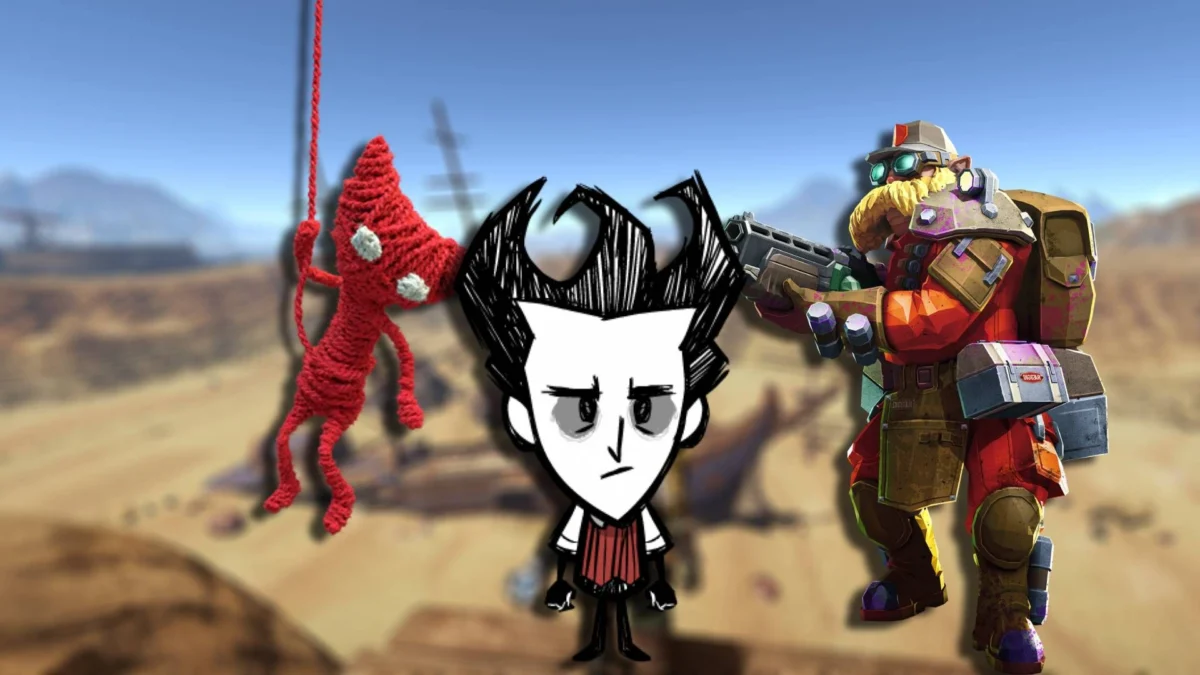
There is an undeniable, visceral thrill that comes with uncovering a hidden secret in a video game. Whether it is stumbling upon a tucked-away treasure chest, discovering a shortcut that bypasses a dangerous gauntlet, or unearthing a rare loot drop that changes your character’s build, the "aha!" moment is a cornerstone of gaming satisfaction. However, as any seasoned gamer will tell you, the only thing better than finding a secret is sharing that experience with a friend in a well-crafted co-operative title.
While the modern era is dominated by high-speed competitive shooters and live-service giants, the PlayStation 4 boasts a robust, enduring library of co-op titles that invite players to slow down, look around, and immerse themselves in the virtual worlds they inhabit. Whether you prefer the high-stakes tension of survival games, the creative freedom of sandbox titles, or the strategic depth of dungeon crawlers, there is a wealth of content waiting to be discovered. Grab your controller, call your player two, and prepare to explore these hidden gems.
The Philosophy of Co-Op Discovery: Why Exploration Matters
In the realm of cooperative gaming, exploration acts as the connective tissue between gameplay mechanics and narrative engagement. Unlike solo play, where a player sets their own pace, co-op exploration requires communication, coordination, and shared curiosity. When two or more players are tasked with navigating a hostile or mysterious environment, the discovery of a secret path or a hidden objective transforms from a solitary achievement into a shared victory.
The following list identifies ten standout titles on the PS4 that prioritize environmental storytelling and rewarding curiosity, ensuring that players who go the extra mile are handsomely rewarded.

10. Divinity: Original Sin 2
Unearthing the Depth of Rivellon
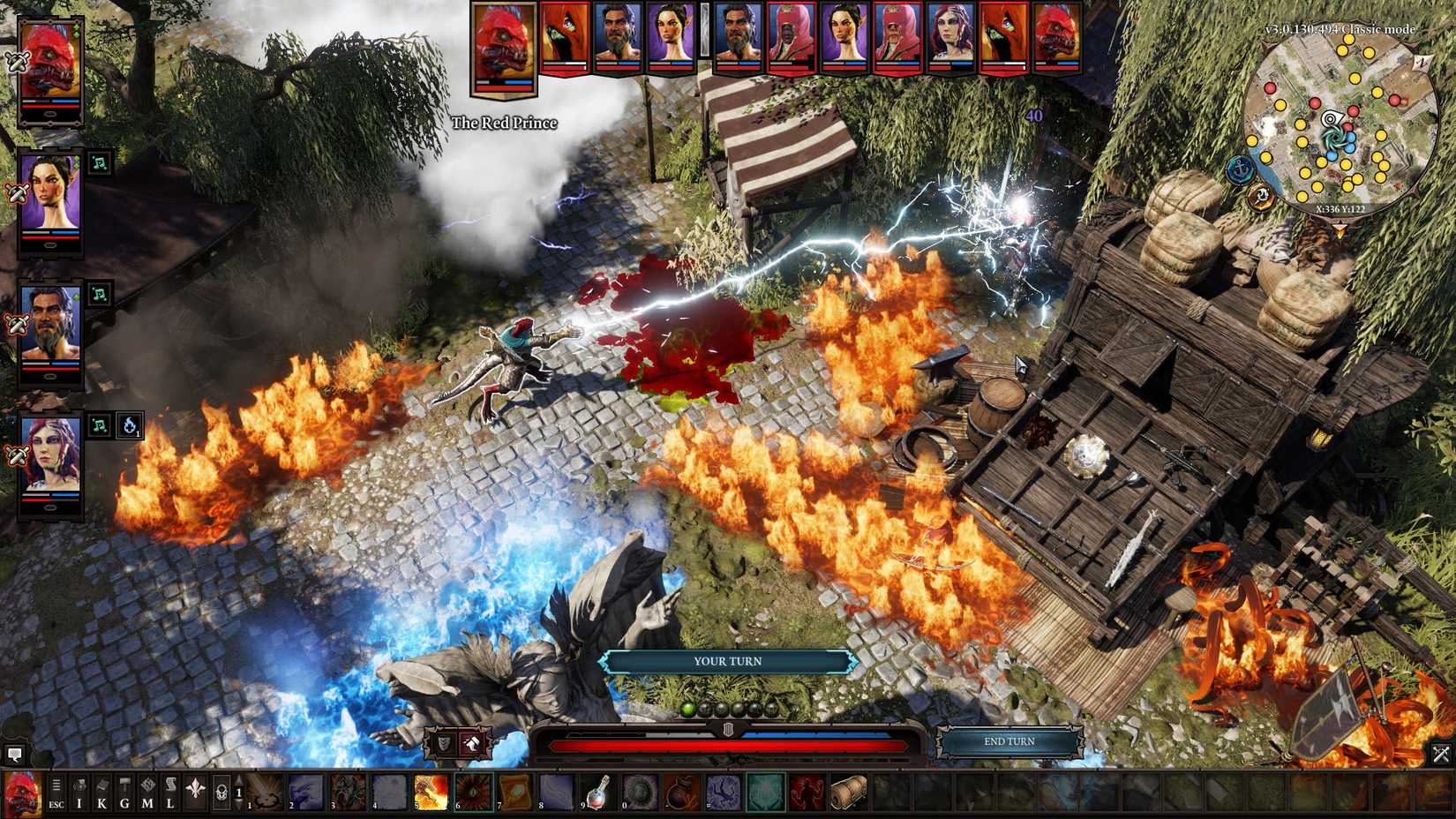
Divinity: Original Sin 2 is a masterclass in modern RPG design. Developed by Larian Studios, the same team behind the critically acclaimed Baldur’s Gate 3, the game is inherently designed to reward players who refuse to take the main path. In co-op, the game truly shines, as the vast, isometric environments are teeming with optional quests, hidden levers, and lore-rich chambers that are easily overlooked by those in a hurry.
The co-op structure allows players to split up, creating a competitive yet collaborative atmosphere where friends can cover more ground. The turn-based combat system is equally deep; it is rife with environmental interactions and status effect synergies that players often discover only through experimentation. If you have not yet plumbed the depths of Rivellon, you are likely missing half the experience.
9. A Way Out: A Narrative Road Trip
Cooperation as a Core Mechanic
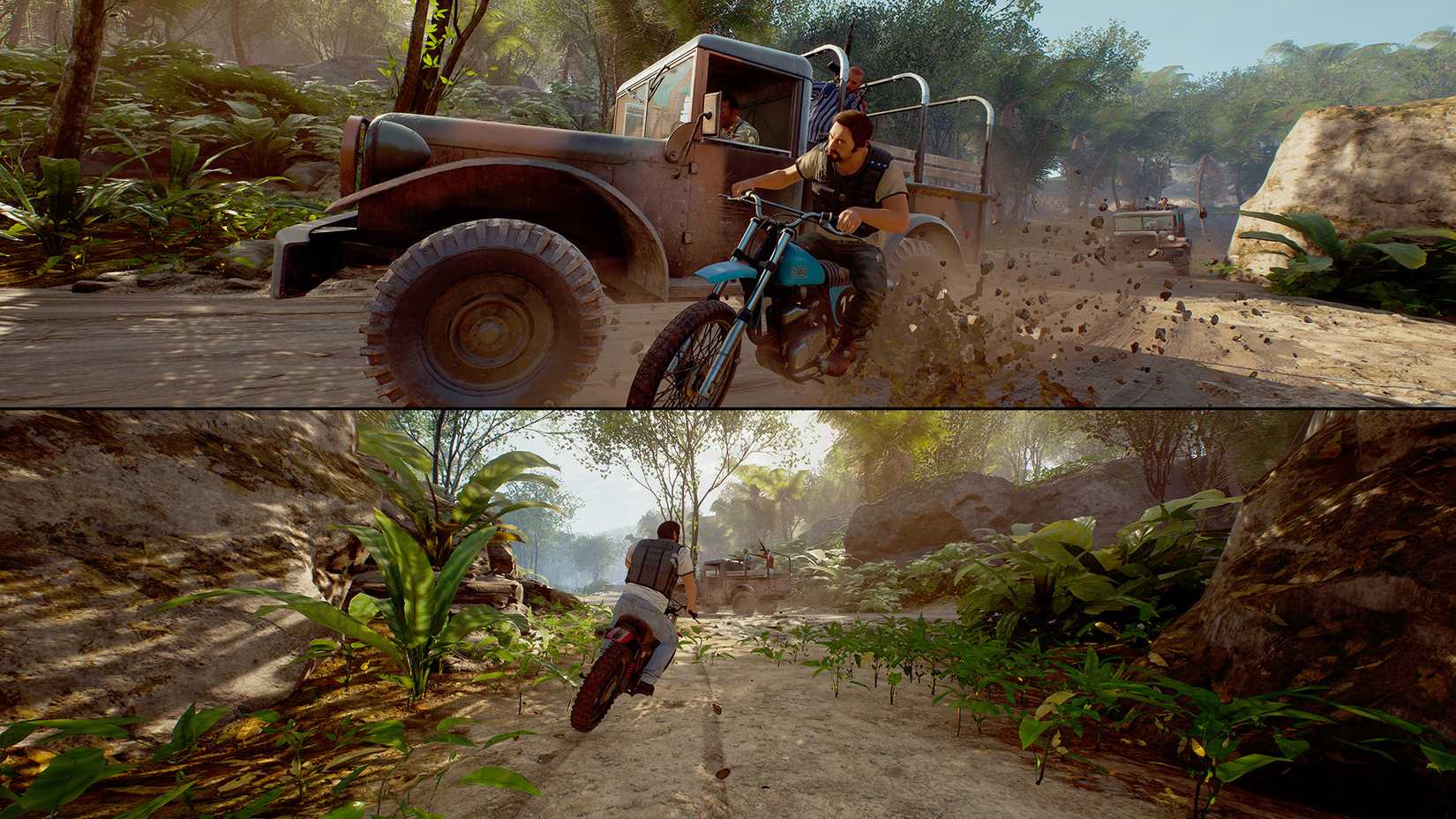
A Way Out is a rare breed of game: it is designed exclusively for two-player co-op. There is no single-player mode, forcing two users to act in tandem to escape a high-security prison. While the main plot drives the experience, the true richness of the game lies in its side-activities, NPC interactions, and environmental puzzles.
Because the screen is permanently split, players can observe what their partner is doing, leading to a dynamic where you might call out a hidden location or a mini-game you have spotted while your partner is busy navigating a conversation. It is a relatively short experience, but one designed to be replayed, allowing you to choose different paths and witness both versions of the game’s emotional conclusion.
8. Deep Rock Galactic: Mining the Unknown
Teamwork in the Depths
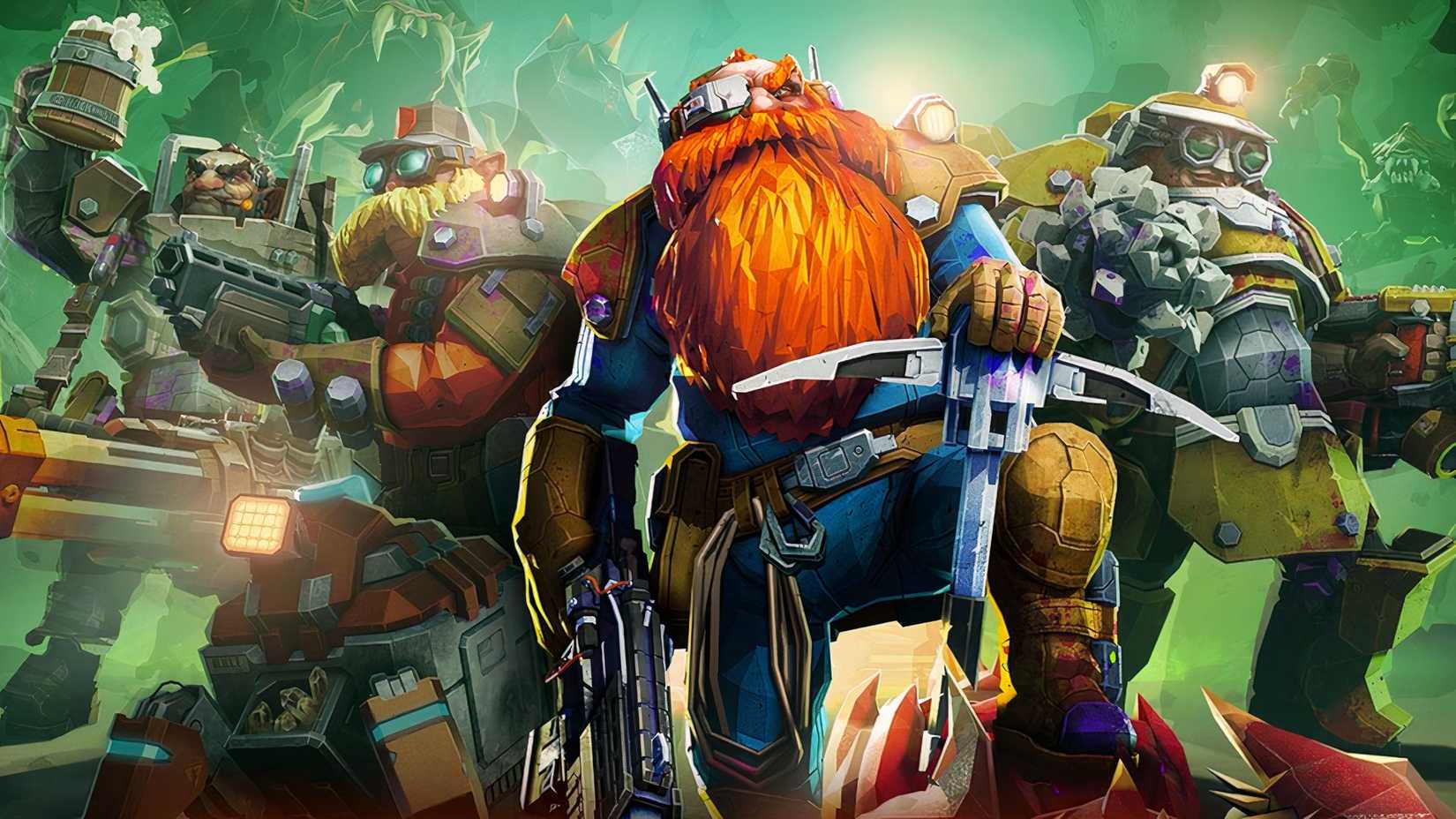
Deep Rock Galactic stands as one of the premier 4-player co-op shooters currently available. Players take on the roles of space-faring dwarves tasked with extracting rare minerals from procedurally generated, destructible cave systems. The mission objective is always clear, but the real reward comes from straying off the beaten path.
Hidden passageways, rare crafting materials, and mysterious artifacts are scattered throughout the procedurally generated biomes. Because every class (Driller, Engineer, Scout, Gunner) brings a unique utility to the table, successful exploration requires team cohesion. You need the Engineer to build platforms to reach high ledges and the Scout to illuminate the dark, sprawling caverns. It is a game where the journey—and the loot found along the way—is just as important as the extraction.
7. Don’t Starve Together: Survival as a Shared Burden
The Perils of Procedural Exploration
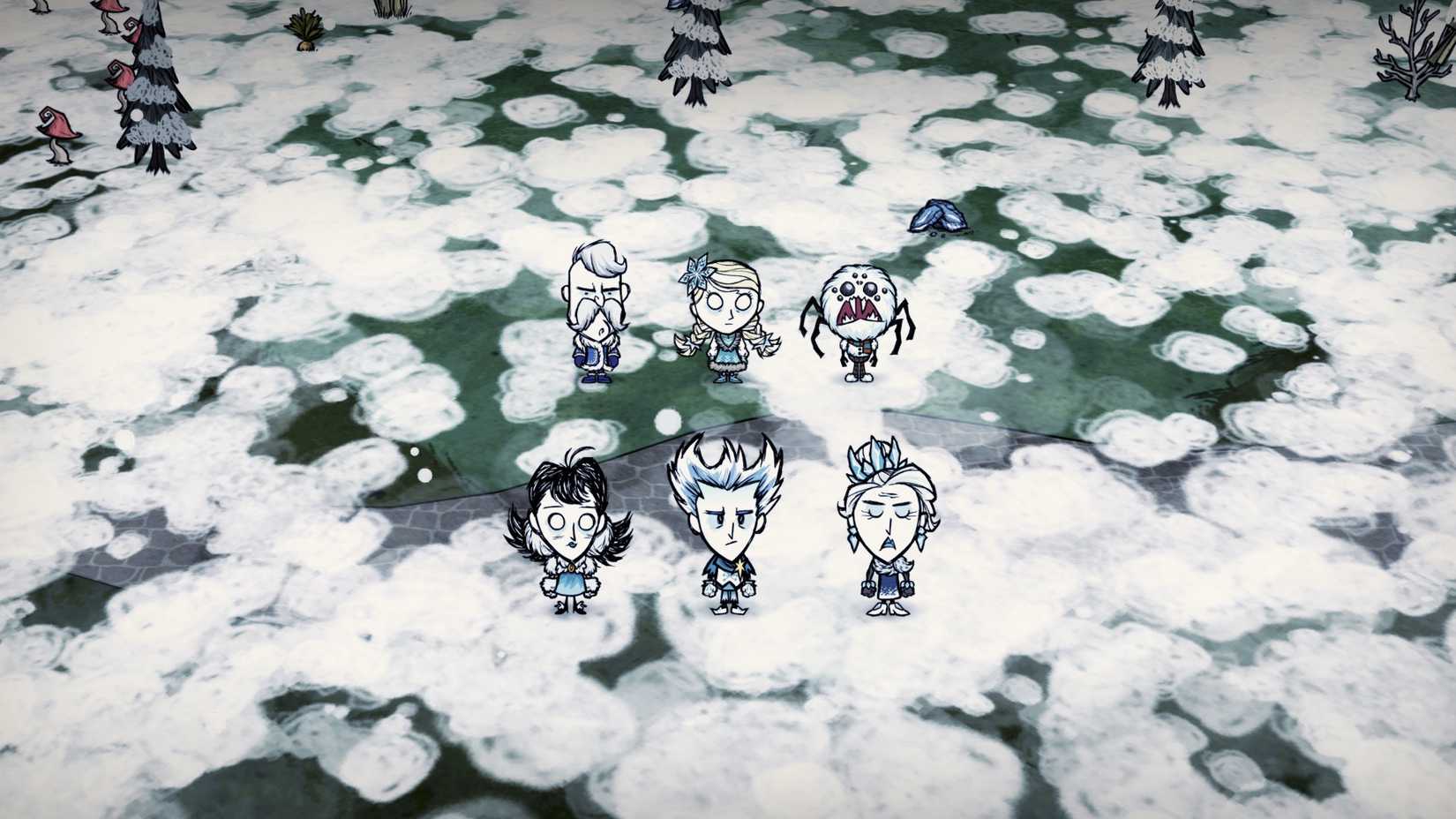
Don’t Starve Together takes the unforgiving, atmospheric survival mechanics of the original title and adds a layer of social strategy. In this game, exploration is a double-edged sword: venturing out into the unknown is the only way to find critical resources, but it also exposes players to the harsh, bizarre dangers of the world.
Co-op forces a tactical dilemma: do you stay together for safety, or split up to maximize map coverage? The game rewards those who take risks. Every biome offers distinct secrets, and the sheer unpredictability of the world ensures that no two playthroughs are identical. The shared struggle against hunger and darkness creates a unique bond, making every hard-earned victory feel like a monumental accomplishment.
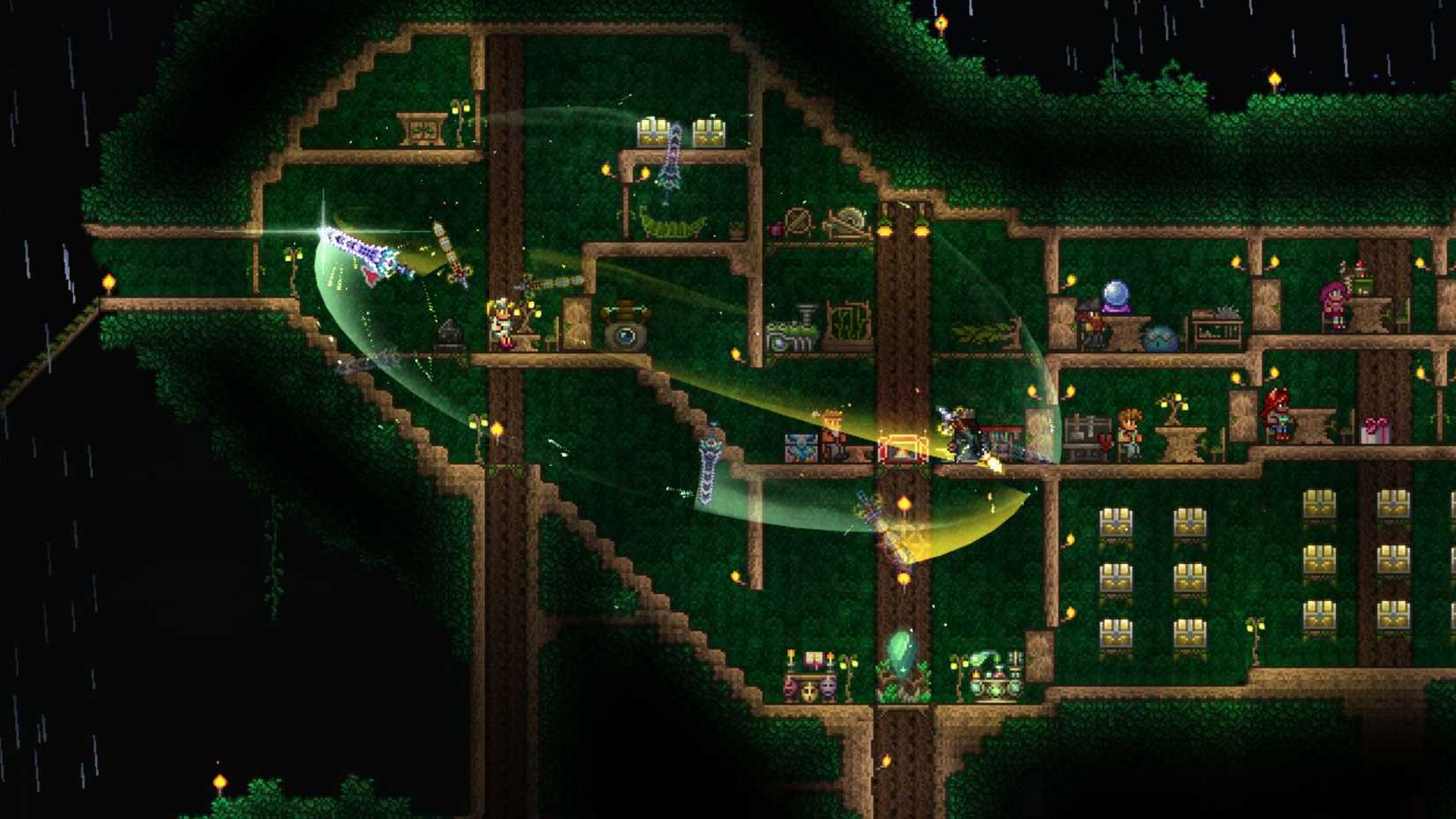
6. Terraria: The Depth of the Underground
More Than Just a 2D Sandbox
Terraria is a game that frequently deceives players with its retro, 16-bit aesthetic. While it may look like a simple building game, it is actually a massive, complex exploration title. The world is divided into distinct layers, each with its own enemies, resources, and secrets.
The loop of exploration in Terraria is masterfully crafted: you must explore to find materials to craft better gear, which in turn allows you to delve deeper into more dangerous biomes. When playing with friends, this cycle becomes an addictive, fast-paced endeavor. The ability to terraform the environment—digging massive tunnels or building complex base systems—means that you and your friends can leave your mark on the world while uncovering the vast mysteries buried beneath the surface.
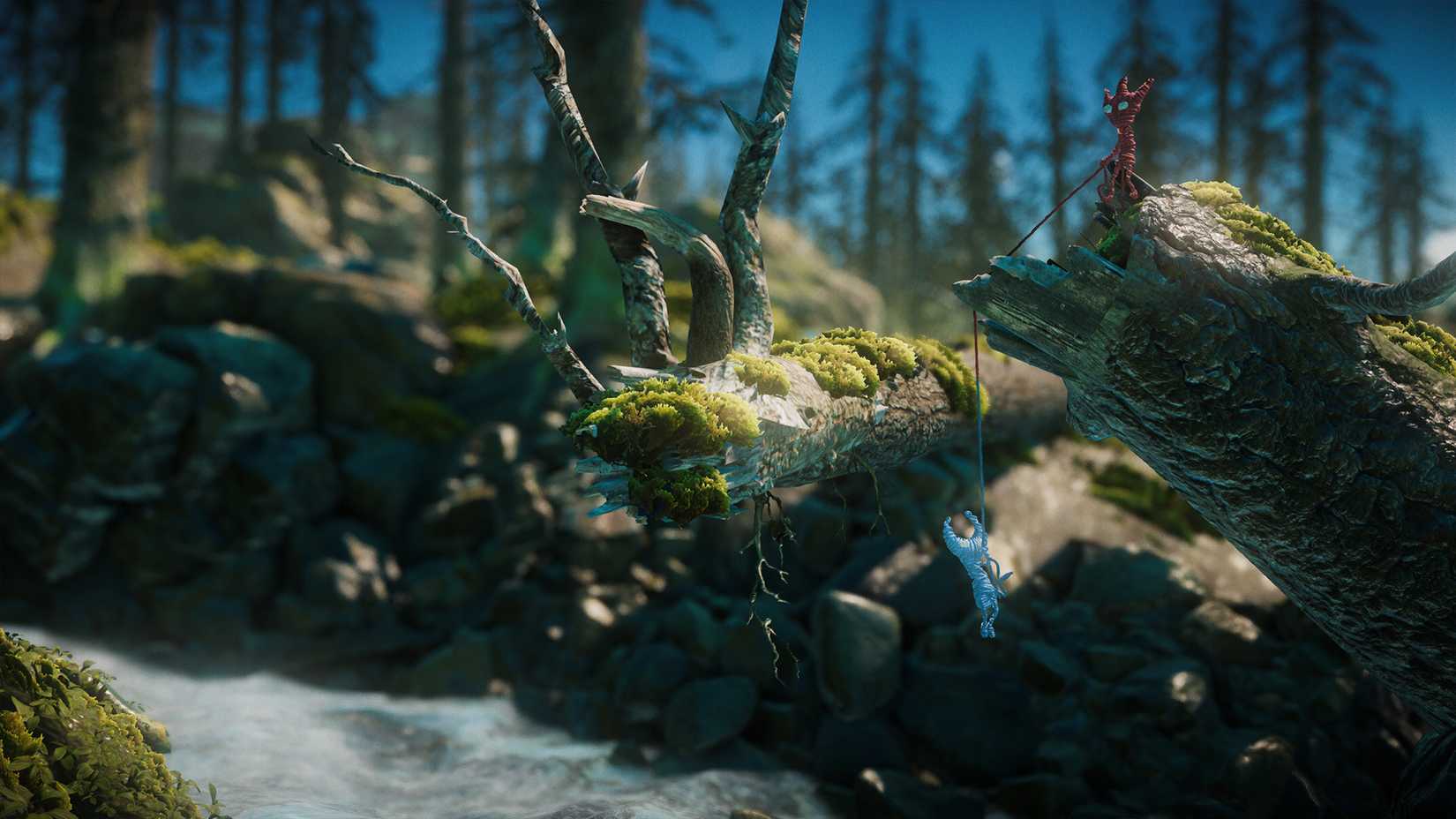
5. Unravel Two: The Bond of Yarn
Challenging the Hidden Paths
Unravel Two is a beautiful, contemplative platformer that uses the concept of "tethering" to link two players together. While the main platforming is satisfying, the game’s greatest secrets are hidden within its optional, high-difficulty challenge levels.
These bonus levels are the true test for any duo. They require precise coordination and creative use of the yarn-tether mechanic. Beyond the main story, the game is peppered with hidden collectibles and environmental puzzles that require you to look beyond the obvious. It is a low-stress, high-charm experience that proves exploration doesn’t always have to be about combat.
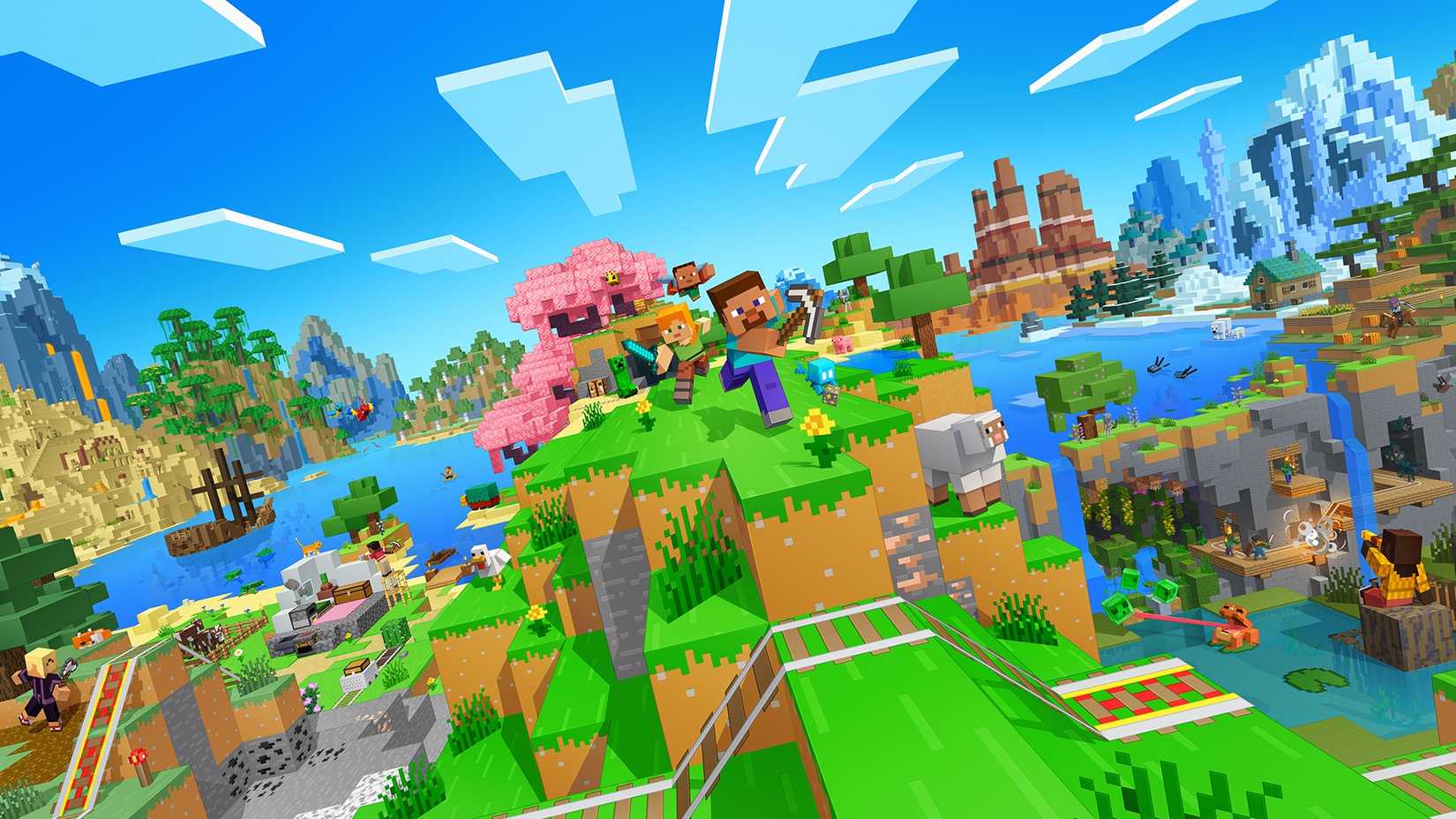
4. Minecraft: The Sandbox of Infinite Discovery
Collaborative Creation and Exploration
Minecraft requires little introduction. As the definitive sandbox title, its inclusion here is mandatory. While many players treat Minecraft as a creative tool, its survival mode offers one of the most rewarding exploration loops in gaming history.
When playing in co-op, the game transforms. One player can focus on gathering resources, while another maps out the local geography or explores the deep, dangerous dungeons scattered across the map. The procedurally generated nature of the game ensures that there is always something new to find—from woodland mansions to vast ocean monuments. It remains one of the most replayable experiences on the PS4, rewarding curiosity at every turn.
3. Outward: A Harsh Expedition
Survival for the Non-Hero
Outward is a unique RPG that focuses on realism rather than power fantasies. You are not a "chosen one"; you are an ordinary adventurer trying to survive in a world that is actively trying to kill you. Travel is long, resources are scarce, and combat is brutal.
In co-op, this intensity becomes a shared journey. Exploring the world feels like a true expedition. Because there is no hand-holding, the game forces players to rely on their own observations and map-reading skills. Every unique location you find, and every piece of loot you manage to haul back to safety, feels genuinely earned. It is a game that respects the player’s intelligence and rewards those who are willing to brave the wilderness.
2. Strange Brigade: A Pulp Adventure
Puzzles and Supernatural Skirmishes
Strange Brigade transports players to a 1930s-inspired setting, blending Tomb Raider-style exploration with fast-paced, supernatural combat. While blasting hordes of undead is the primary draw, the game is secretly a puzzle-platformer at heart.
Each level is packed with hidden chambers and ancient traps. What makes this particularly interesting for co-op is that the puzzles scale based on the number of players. This ensures that the experience remains engaging regardless of whether you are playing as a duo or a full squad of four. It is a lighthearted, high-octane romp that rewards players for keeping their eyes peeled between firefights.
1. Alienation: Top-Down Tactical Exploration
Protecting the Earth in Style
Alienation is a top-down, twin-stick shooter that feels like a spiritual successor to the classics of the genre, infused with a modern loot-chase mechanic. You and up to three friends are tasked with fighting off an alien invasion across various global locations.
The brilliance of Alienation lies in its map design. The levels are not linear tunnels; they are sprawling, open environments filled with optional objectives, mini-bosses, and secret loot caches. The class-based system (Tank, Saboteur, Bio-Specialist) ensures that you must coordinate your exploration strategies. If you are the type of player who enjoys scouring every corner of a map, Alienation is arguably the most rewarding experience on the PS4.
Implications for Future Co-Op Design
The enduring success of these titles on the PlayStation 4 underscores a critical shift in player preferences. As the gaming market becomes increasingly saturated with "battle royale" and high-speed competitive titles, the demand for meaningful, shared exploration remains high. Developers who prioritize world-building and reward curiosity are consistently rewarded with high player retention and strong community engagement.
As we look toward the future of co-op gaming, the blueprint established by these games—focusing on distinct player roles, environmental puzzles, and non-linear exploration—serves as a vital reminder. The most memorable gaming experiences are rarely those played in isolation, but rather those that allow us to say to a friend, "Look at what I found."


 Jia Lissa
 Neng Nana