Asro
Asro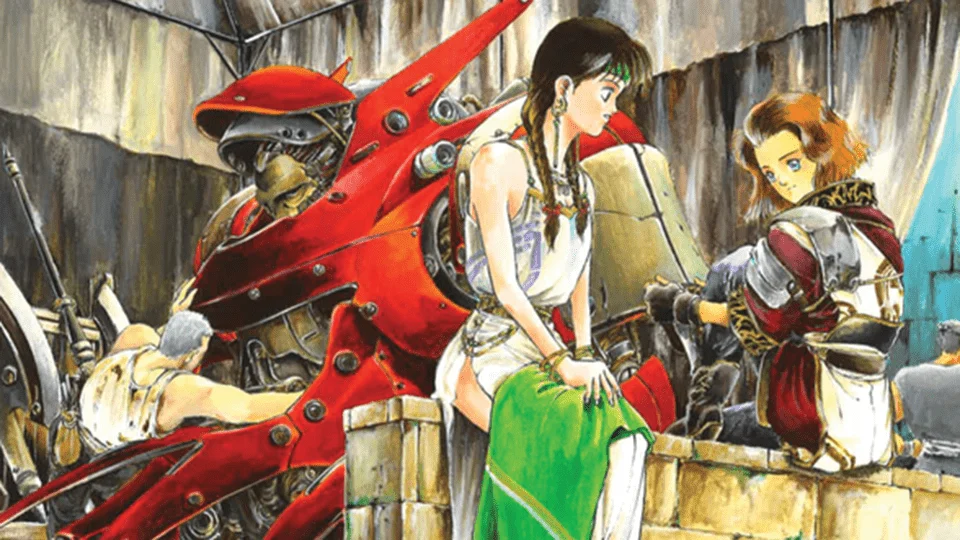
By [Your Name/Staff Reporter]
August 30, 2025
The landscape of tabletop role-playing games (TRPGs) is currently witnessing a tectonic shift as the barriers between Eastern and Western gaming cultures continue to dissolve. At the forefront of this movement is LionWing Publishing, a specialized localization house that has officially launched its Kickstarter campaign for the English translation of the seminal Japanese mecha-fantasy TRPG, Wares Blade.
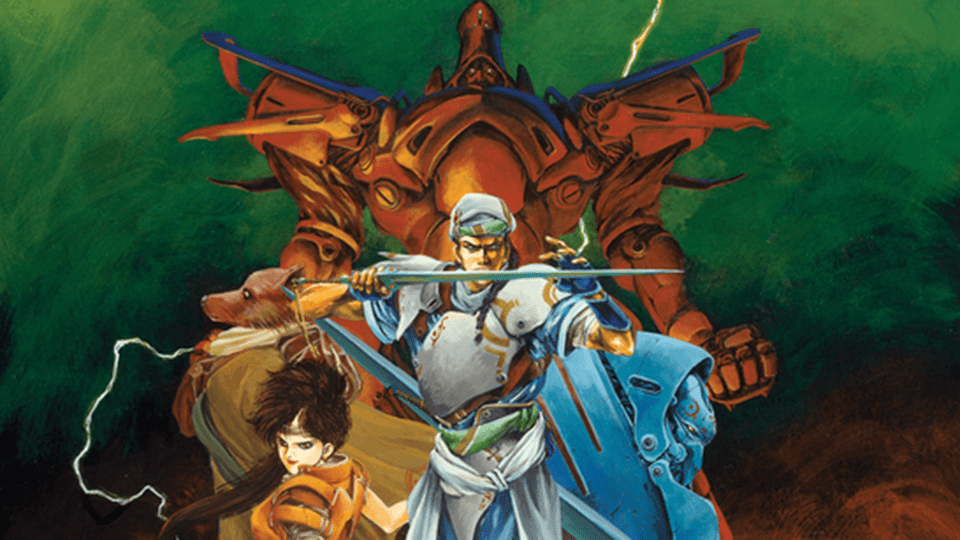
Originally released in 1989, Wares Blade holds a prestigious position in the annals of Japanese gaming history as the first major commercially successful mecha-focused RPG. Now, decades after its debut, the game is poised to find a new audience among Western players who have long craved a system that blends the high-octane tactical combat of "Real Robot" anime with the intricate world-building of high fantasy.
Main Facts: A Landmark Release for Mecha Enthusiasts
The Wares Blade Kickstarter campaign, which went live in late August 2025, has already proven to be a resounding success. Within hours of its launch, the project surpassed its initial funding goal, and at the time of reporting, it sits at over 700% of its target. This surge in support underscores a significant demand for "crunchy," mechanically deep systems that offer an alternative to the d20-dominated Western market.
Wares Blade is not merely a game about robots; it is a comprehensive setting that explores the "Wares" (the world’s term for mecha) through a lens of magical engineering. The system utilizes a d10-based engine designed for high-speed resolution. Players take on the roles of pilots and adventurers navigating a world where magic and machinery are inextricably linked.
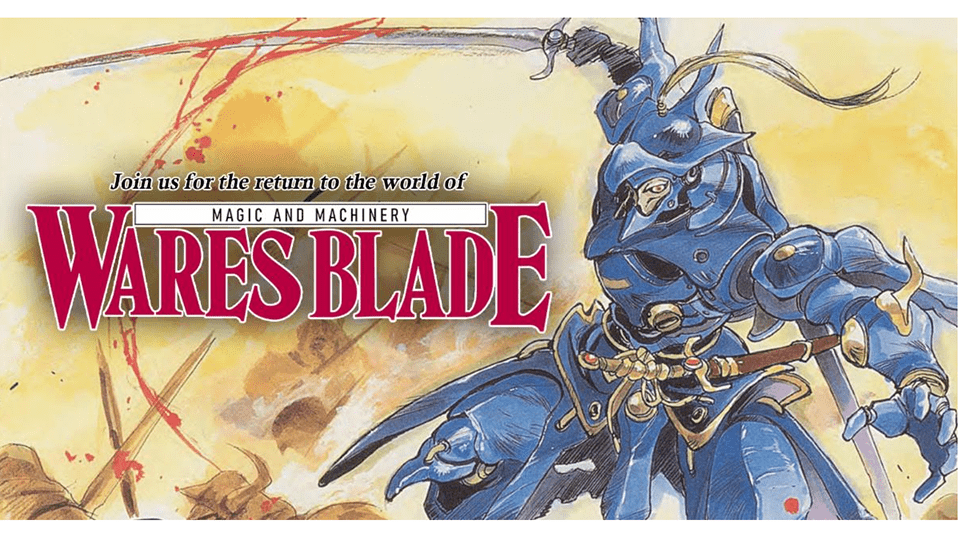
LionWing’s localization effort promises a faithful translation that preserves the "vintage" aesthetic of the original Japanese release while updating the layout and clarity for modern audiences. The campaign offers various tiers, ranging from a $30 digital entry point to a $150 "Grandmaster" tier featuring premium physical components such as acrylic stands, GM screens, and collector’s edition hardcovers.
Chronology: From the PC-88 Era to the Global Stage
To understand the weight of this release, one must look back to the late 1980s. While Western gamers were deep into Advanced Dungeons & Dragons 2nd Edition or exploring the early days of Shadowrun, the Japanese TRPG scene was undergoing a unique evolution.
- 1989: The Genesis. Wares Blade was first published in Japan. It arrived during a "golden age" of Japanese TRPGs, influenced by the burgeoning popularity of mecha anime like Mobile Suit Gundam and Aura Battler Dunbine. It was a pioneer in integrating mecha combat into a structured role-playing format, predating many of the systems that would later attempt similar feats.
- 1990s–2010s: Expansion and Iteration. Over the decades, the Wares franchise expanded into light novels, video games for platforms like the PC-98, and various revised editions of the TRPG. It became a cult classic, known for its "Ryude"—the magical mecha that serve as the centerpieces of the game’s combat.
- 2020–2024: The LionWing Ascendance. LionWing Publishing carved out a niche by localizing Japanese titles that many thought would never see a Western release. Successes with Convictor Drive and the Shin Megami Tensei III: Nocturne TRPG established the publisher as a reliable bridge between Tokyo’s game designers and the global tabletop community.
- August 2025: The Kickstarter Launch. The announcement of Wares Blade represented the "holy grail" for many collectors of Japanese gaming history. The campaign’s rapid funding serves as a culmination of LionWing’s years of community building.
Supporting Data: Mechanics and System Depth
What separates Wares Blade from contemporary Western mecha games like Lancer or BattleTech is its specific mechanical DNA. The game is built on a d10 system that emphasizes speed and risk management.
The Ryude and Character Customization
The core rulebook features 40 distinct "Ryude." Unlike the purely mechanical "mechs" of Western sci-fi, Ryude are often depicted as semi-sentient or magically powered suits of armor. Players must balance their character’s personal stats with the capabilities of their machine, creating a dual-layer progression system.
The "Two-Second" Combat Round
In an industry where combat rounds can often feel sluggish, Wares Blade utilizes a unique time-tracking system where rounds represent only two seconds of in-universe time. This necessitates quick decision-making and creates a "frenetic" feel to encounters, mirroring the fast-paced choreography found in classic 80s and 90s anime.

Magic and the "Luck" Pool
The magic system in Wares Blade is notoriously high-risk. Drawing parallels to Warhammer Fantasy Roleplay, magic users in Wares Blade face the constant threat of "backlash"—magical feedback that can be as devastating to the caster as the spell is to the enemy.
To mitigate this (or lean into the chaos), the game employs a "Luck" dice pool. Players can spend Luck points to influence outcomes, but doing so carries a tactical cost. Increasing one’s odds of success often makes the player a more prominent target for enemies, creating a "push-your-luck" dynamic that keeps players engaged even when it isn’t their turn.
Official Responses and Publisher Vision
In statements regarding the campaign, LionWing Publishing has emphasized their commitment to the "soul" of the original work. The company’s philosophy centers on the idea that Japanese TRPGs offer a different "logic" of play than Western games—one that focuses heavily on evocative art, thematic consistency, and specialized "niche" mechanics.
"We aren’t just translating words; we’re translating a culture of play," a spokesperson for LionWing noted during a recent developer stream. "With Wares Blade, we are dealing with a piece of history. Our goal is to ensure that a player in 2025 feels the same excitement that a player in Tokyo felt in 1989, but with the benefit of modern production values."
The community response has been overwhelmingly positive. Veteran TRPG players have praised LionWing for selecting a title that influenced so many others. On social media platforms and RPG forums, the consensus is that Wares Blade fills a specific void: the "Fantasy Mecha" subgenre, most famously occupied by the anime The Vision of Escaflowne.
Implications: The Future of the J-TRPG Wave
The success of the Wares Blade Kickstarter is more than just a win for one publisher; it is an indicator of the growing viability of localized Japanese content in the tabletop industry.
1. Diversification of the Market
For years, the Western TRPG market was seen as a monolith centered on high-fantasy d20 systems. The influx of Japanese titles—which often use d6, d10, or unique card-based systems—is forcing a diversification of game design. Wares Blade introduces mechanical concepts (like the two-second round) that could influence future Western indie designers.
2. The "Retro-Future" Trend
There is a clear trend toward "retro" aesthetics in gaming. Much like the resurgence of "Boomer Shooters" in the video game world, Wares Blade appeals to a nostalgia for the hand-drawn, mechanical detail of 1980s anime. This aesthetic preference is driving a new wave of physical product design, where "collector’s editions" and high-quality art books are just as important as the rules themselves.
3. Strengthening Cross-Pacific Partnerships
The success of this campaign likely opens the door for more Japanese publishers—such as Group SNE or Adventure Planning Service—to seek Western partners. As LionWing proves that these titles are financially viable, we may see a "Library of Congress" style effort to translate and preserve the most important Japanese TRPGs of the last 40 years.
Conclusion: A Must-Watch Campaign
As the Kickstarter campaign heads toward its September 18 deadline, the focus will shift from funding to fulfillment. LionWing has a track record of delivering high-quality products, but the sheer scale of the Wares Blade project—with its multiple add-ons and premium tiers—will be their most ambitious undertaking to date.
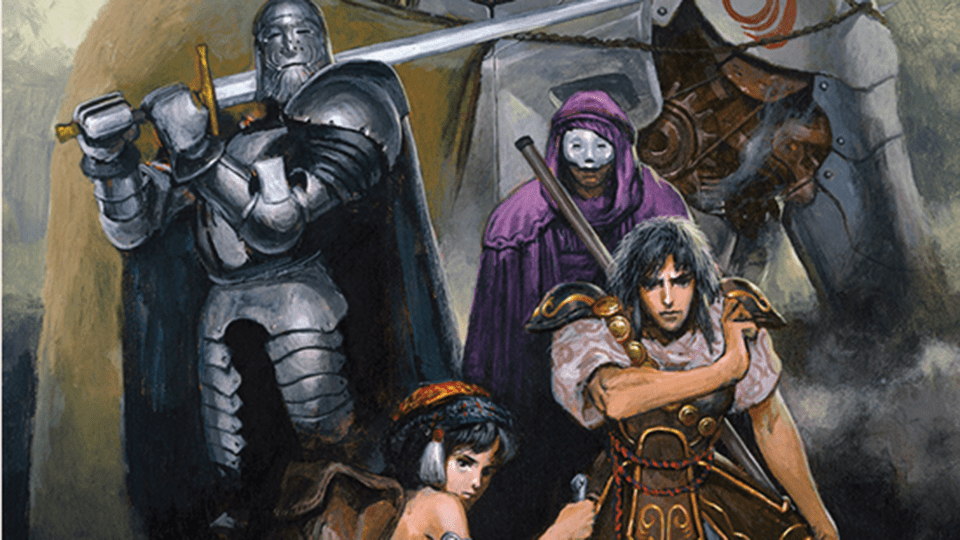
For fans of mecha, Japanese history, or tactical tabletop gaming, Wares Blade represents a rare opportunity to own a piece of gaming history. It is a bridge between the past and the present, a testament to the enduring appeal of giant robots and the stories we tell about the people who pilot them.
The campaign remains open for backers until September 18, 2025. With the project already fully funded, the remaining weeks will likely see the unlocking of further stretch goals, potentially adding even more content to what is already shaping up to be a definitive release for the year.
Project Summary at a Glance:
- Wares Blade (English Localization)
- Publisher: LionWing Publishing
- System: d10-based, tactical mecha-fantasy
- Kickstarter End Date: September 18, 2025
- Key Features: 40 playable Ryude, high-risk magic system, fast-paced combat.
- Target Audience: Fans of Escaflowne, Gundam, and classic TRPGs.

 Pevita Pearce
 Laily UPN