Azzam Bilal Chamdy
The global anime industry is currently navigating a period of unprecedented tension. On one side, technological advancements in Artificial Intelligence (AI) threaten to automate the translation process; on the other, a growing segment of the audience is becoming increasingly vocal about "localization" practices that they perceive as ideological or culturally insensitive. The latest flashpoint in this ongoing debate centers on the third season of the hit series Oshi no Ko, specifically the English subtitles provided by Sentai Filmworks for its streaming platform, HIDIVE.
Critics and fans have pointed to several instances in the "Dig Deep" and "VTuber" story arcs where the English script deviates significantly from the original Japanese text written by Aka Akasaka. By replacing traditional metaphors with modern Western buzzwords like "cancel culture" and "dogpiling," the localization team has ignited a fierce discussion regarding the preservation of creative vision versus the desire for contemporary social relevance.
Main Facts: The "Cancel Culture" Insertion
At the heart of the controversy are two specific episodes in Oshi no Ko Season 3: Episode 4, titled "Blind," and Episode 5, titled "Casting" (alternatively "Marketing"). These episodes adapt crucial chapters from the manga’s "Main Story" and "Intermission" arcs, where the narrative shifts its focus to the darker, more manipulative undercurrents of the Japanese entertainment industry.

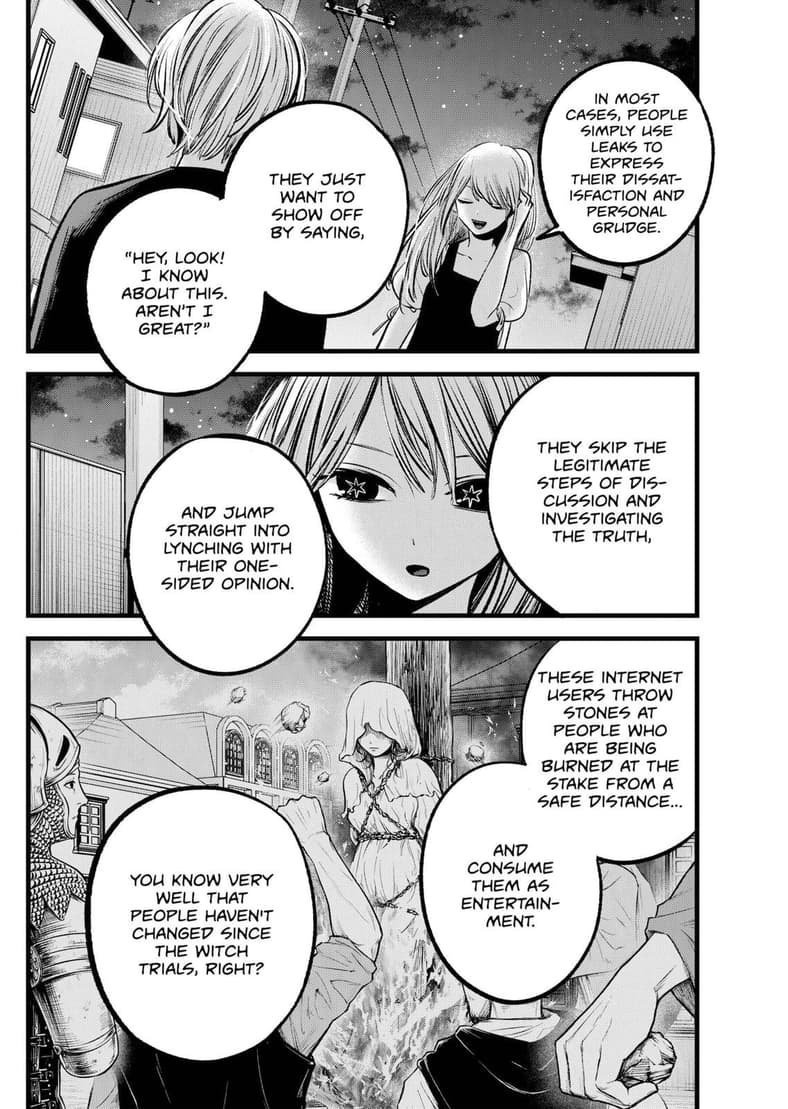
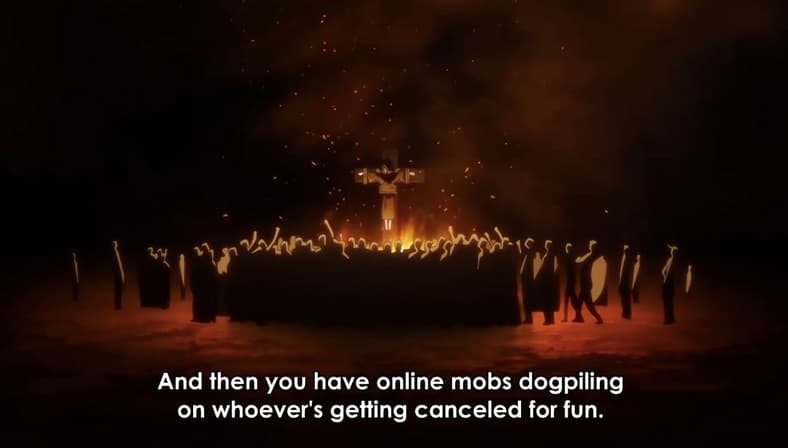
In Episode 4, the character Ruby Hoshino—who has transitioned from a naive aspiring idol into a calculating strategist—discusses the fallout of a scandal involving a television director. In the original Japanese manga (Chapter 93), author Aka Akasaka uses a visceral "burning at the stake" metaphor to describe the behavior of online mobs. However, the Sentai Filmworks localization opts for: "And then you have online mobs dogpiling on whoever’s getting canceled for fun."
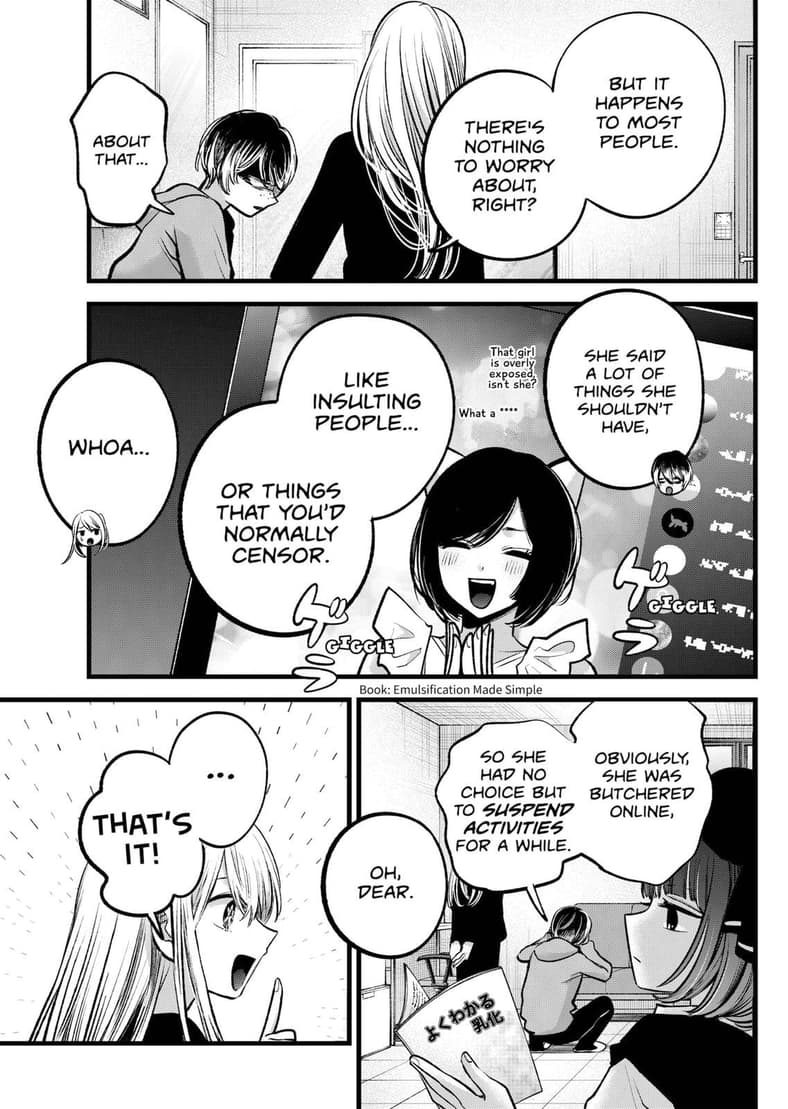
This was followed by another notable change in Episode 5. When discussing the professional downfall of a VTuber (Mimi Yoshizumi) due to a leaked video from her past, the English script has her brother state: "Naturally, she got mega-cancelled and has to stop streaming for a while!" This replaces the manga’s original phrasing, which described her as being "butchered online."
The crux of the criticism lies in the belief that these changes are not merely "localizing" for clarity, but are instead "overwriting" the specific cultural and psychological nuances of Akasaka’s writing to fit a specific Western sociopolitical vernacular.

Chronology of the Controversy
The friction between fans and localizers did not happen in a vacuum. To understand the current backlash against Oshi no Ko Season 3, one must look at the timeline of events leading up to its release.
2022: The Source Material
Aka Akasaka and Mengo Yokoyari published the chapters in question (Chapters 93 through 99) in Weekly Young Jump. At the time, the fan translations and the official Shueisha Manga Plus versions maintained a relatively literal translation of the "burning at the stake" and "butchered" metaphors. These terms were seen as consistent with the series’ dark, psychological tone.
2024–2025: The Rise of the Localization Debate
Prior to the airing of Oshi no Ko Season 3, several other high-profile localization controversies occurred. Most notably, Netflix’s localization of Blue Box drew fire for changing a character’s description from "feminine" to "feminist," a shift that altered the character’s internal motivations. This period saw a heightened sensitivity among anime fans regarding "script doctoring."

2026: The Premiere of Season 3
As Oshi no Ko Season 3 began airing, viewers began comparing the Doga Kobo-produced anime’s dialogue with the original manga. When Episode 4 aired, social media platforms—particularly X (formerly Twitter) and Reddit—were flooded with side-by-side comparisons of the manga panels and the anime subtitles. The use of "cancel culture" was immediately flagged as an anachronism or a localized "insertion" that felt out of place in a story set within the specific context of the Japanese idol and TV industry.
Supporting Data: Linguistic Fidelity vs. Editorial Liberty
To analyze whether the criticism is justified, it is necessary to look at the linguistic choices made by the author versus those made by the Sentai Filmworks team.
The "Stakes" of Metaphor
In Chapter 93, the Japanese text refers to enjou (flaming) and the subsequent public shaming. Akasaka’s use of "burning at the stake" (a common metaphor in Japanese internet parlance for a "flame war" that turns into a social lynching) evokes a sense of historical cruelty and mindless persecution.
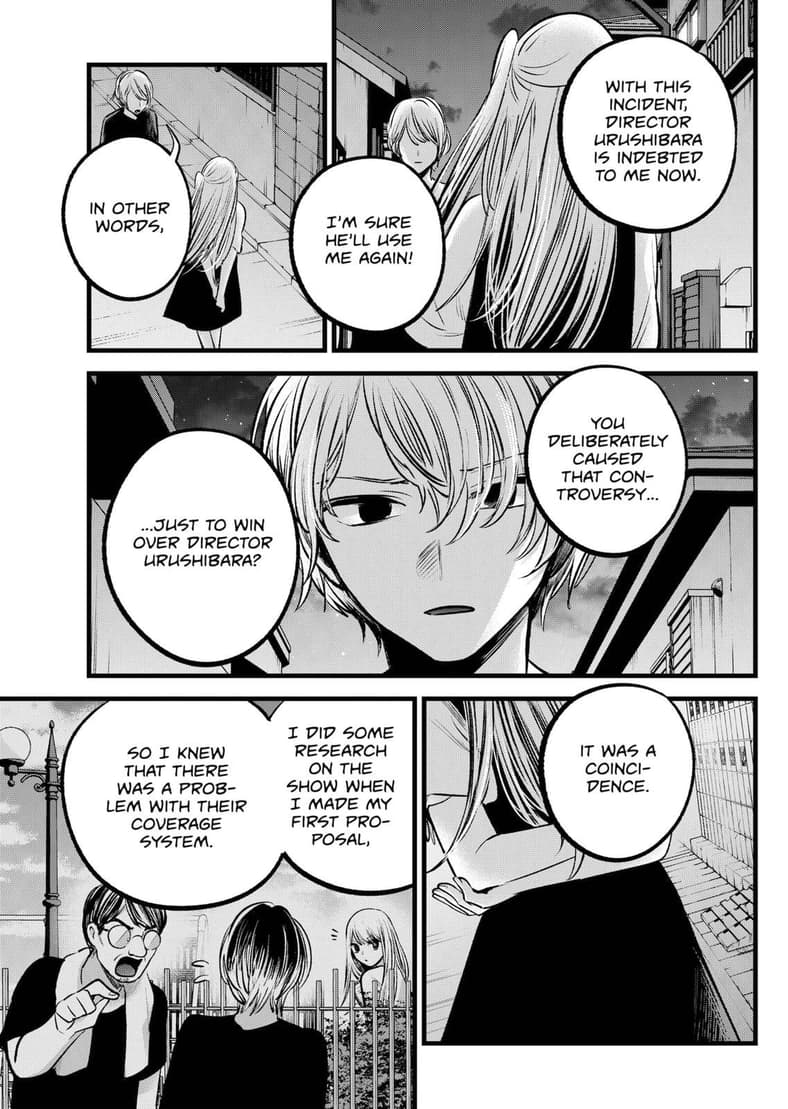
By substituting this with "cancel culture," the localizers shift the context. "Cancel culture" is a highly debated, politically charged term in the United States and the Anglosphere. Critics argue that by using this term, the localizers are "dating" the material and stripping it of its universal psychological weight, replacing it with a transient buzzword that may not even exist in the same conceptual form within the Japanese social consciousness.
The Case of the "Mega-Cancelled" VTuber
In Episode 5, the term "mega-cancelled" is used to describe Mimi Yoshizumi’s situation. In the original text, the focus was on the "brutality" of the internet’s reaction—hence the term "butchered." The localization choice here reflects a trend in modern dubbing and subtitling known as "Woolseyism" (named after translator Ted Woolsey), where a translator takes significant liberties to make the dialogue sound "natural" to a contemporary audience. However, the pushback suggests that the "natural" sound of 2026 American internet slang is jarring when applied to a Japanese character in a Japanese setting.
Comparative Industry Standards
The data shows a widening gap between different localization houses. While some companies, like Crunchyroll, have occasionally faced similar criticisms, Sentai Filmworks and HIDIVE have recently come under more intense scrutiny. This is often contrasted with "literalist" fansubs or AI-assisted translations, which, while sometimes clunky, are often preferred by "purists" for their adherence to the original author’s word choice.
Official Responses and Industry Silence
As of this writing, Sentai Filmworks has not issued a formal statement regarding the specific dialogue choices in Oshi no Ko Season 3. Historically, localization companies have defended such choices as a necessary part of making media "accessible" to a broad audience.
Industry veterans often argue that translation is an art, not a science. They maintain that a literal translation of Japanese idioms can often result in stiff, unengaging dialogue that fails to convey the emotional intent of the scene. In the case of Oshi no Ko, the argument for the defense would likely be that the show is about social media, and therefore, using social media buzzwords like "dogpiling" and "canceled" is a valid way to convey the "vibe" of the scene to an English-speaking viewer.
However, the lack of engagement with the core of the fan complaints—that these terms carry political baggage not present in the original—has led to a breakdown in trust between the distributor and the core consumer base.
Implications: The Future of Localization
the controversy surrounding Oshi no Ko Season 3 carries significant implications for the future of the anime industry, particularly regarding the role of human localizers in an era of burgeoning AI.
1. The Justification of AI Translation
One of the most unintended consequences of "activist" or "liberal" localization is that it provides ammunition for those advocating for AI-driven translation. If human localizers are seen as "filters" who change the meaning of the text to suit their own preferences or social circles, production committees in Japan may see AI as a "safer" alternative. AI, while lacking nuance, is generally programmed to be a faithful servant of the source text, which is exactly what the disgruntled segment of the Oshi no Ko audience is demanding.
2. Cultural Erasure and "Westernization"
There is a growing concern that aggressive localization constitutes a form of cultural erasure. By forcing Japanese characters to speak like Western social media influencers, the unique "Japaneseness" of the narrative is diluted. Oshi no Ko is a story deeply rooted in the specificities of Japanese idol culture, the "casting couch" (as seen in the Dig Deep arc), and the unique pressures of the Japanese talent agency system. Applying Western-centric labels like "cancel culture" to these uniquely Japanese problems can obscure the cultural nuances that make the show interesting to international audiences in the first place.
3. The Economic Impact of Fan Backlash
As streaming services like HIDIVE compete for a limited pool of subscribers, alienation of the "hardcore" fan base can have economic repercussions. Anime fans are notoriously diligent; they compare scripts, track down original Japanese scripts, and share their findings across global networks. If a significant portion of the audience feels that a translation is "unfaithful," they may turn to "grey market" alternatives or fansubs, impacting the revenue of the official licensors.
4. The "Aka Akasaka" Factor
Finally, there is the matter of respect for the creator. Aka Akasaka is widely regarded as one of the most brilliant writers in modern manga, known for his ability to weave complex psychological themes into seemingly simple stories. When localizers change his metaphors, they are, in effect, claiming they know how to tell his story better than he does. For many fans, this is the ultimate "red line" in the localization debate.
Conclusion
The localization of Oshi no Ko Season 3 serves as a microcosm of a larger cultural struggle within the global media landscape. As the "Dig Deep" arc continues to unfold, the scrutiny on Sentai Filmworks is unlikely to diminish. The debate over whether to "translate" or "transform" a creative work remains unresolved, but the backlash against "mega-cancelled" and "cancel culture" in Oshi no Ko suggests that for a significant portion of the audience, the original creative vision of the author is a sacred text that should not be sacrificed on the altar of social media trends.

 Laily UPN
 Lina Hope