Reynand Wu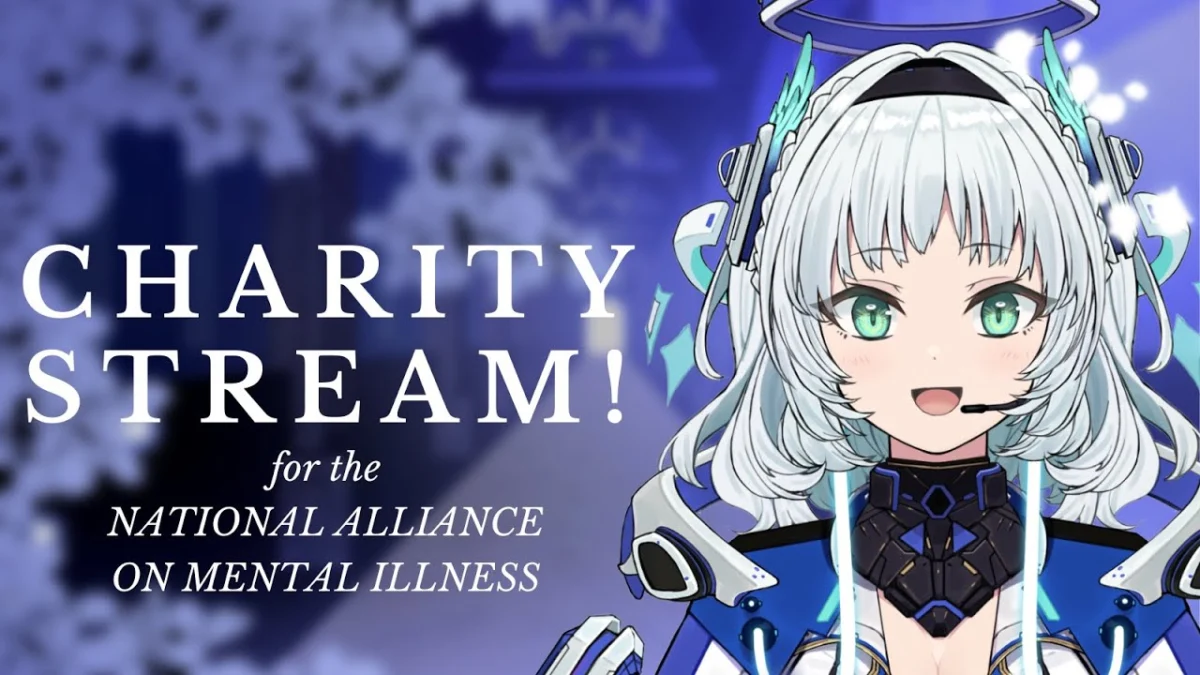
In the rapidly evolving landscape of digital entertainment, the lines between virtual performance and real-world impact are blurring. Nowhere is this more apparent than in the recent appointment of Rita Kamishiro, a prominent Virtual YouTuber (VTuber) affiliated with Sony’s PRISM Project, as an official ambassador for the National Alliance on Mental Illness (NAMI). This historic partnership marks a significant milestone in the intersection of Japanese pop culture, digital content creation, and American public health advocacy.
As the digital age continues to reshape how communities form and interact, the appointment of a virtual creator to such a prestigious role signifies a broader societal recognition: that the influence of online personalities is not confined to the screen, but can serve as a catalyst for meaningful, tangible change in mental health awareness.
The Genesis of a Partnership: A Chronology of Advocacy
Rita Kamishiro’s ascent to becoming a NAMI ambassador was not an overnight occurrence. It was the result of a sustained, multi-year commitment to philanthropy and community engagement. Her journey toward this partnership can be traced through a series of successful fundraising initiatives that demonstrated her ability to mobilize a global audience for a common cause.
The Foundation of Giving
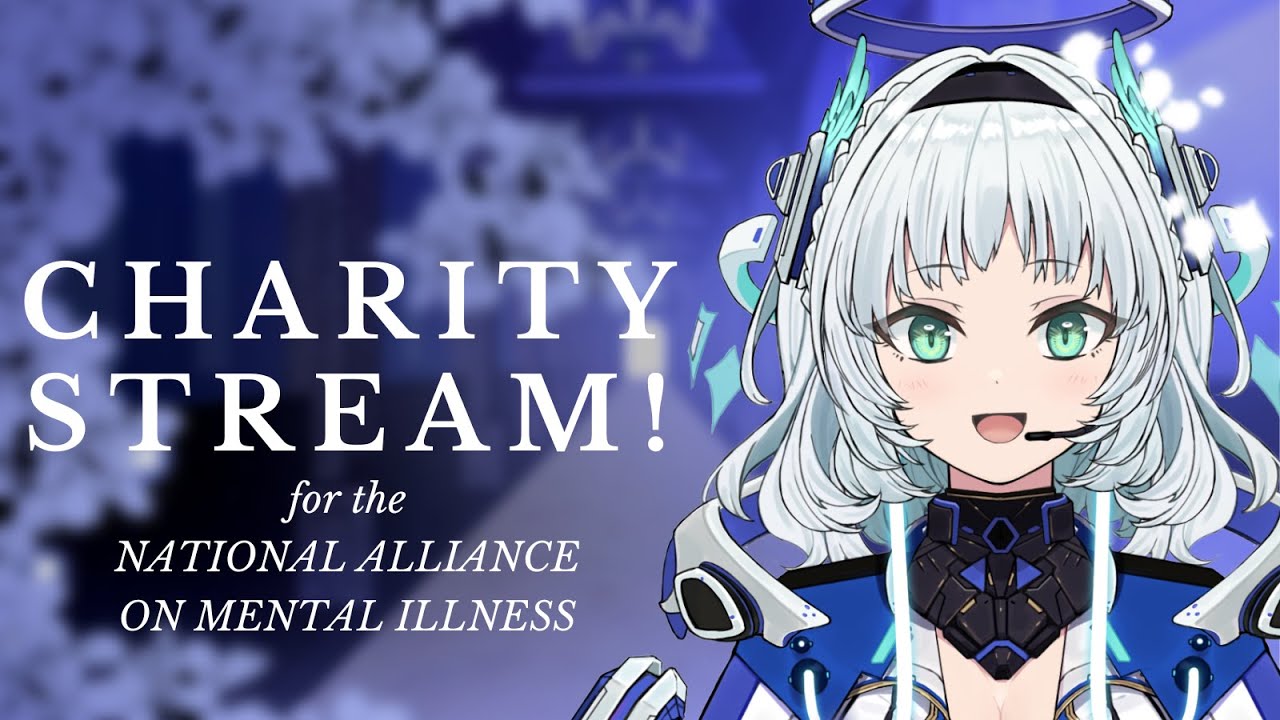
The collaboration began in earnest during Mental Health Awareness Month in May 2022. Recognizing the profound impact the COVID-19 pandemic had on the global population—particularly on younger generations who spend the majority of their social lives online—Kamishiro utilized her platform to host a charity stream. The event was a resounding success, raising over $10,000 for NAMI.
This initial success proved that the "parasocial" bonds formed between VTubers and their fans could be leveraged into constructive, real-world aid. Following the success of the May event, Kamishiro returned to the cause during Mental Illness Awareness Week in October 2022. Despite the economic climate and the saturation of the digital content market, she successfully raised an additional $4,000, bringing her total contributions for the year to $14,000.
These milestones served as the proof-of-concept required for NAMI to formally recognize her influence, eventually leading to her appointment as a national ambassador.
The Role of the Ambassador: Bridging the Digital Divide
NAMI, the nation’s largest grassroots mental health organization, relies on its ambassadors to act as the face of the movement. According to the organization, these individuals are influencers from diverse fields—including sports, literature, music, and the arts—who utilize their unique platforms to educate, advocate, and fundraise.
By incorporating a VTuber into this roster, NAMI is acknowledging the shifting demographics of the digital age. For many, the "creator economy" is the primary space where cultural values are negotiated and disseminated. Kamishiro’s role is to act as a bridge between the often-insular world of anime-inspired digital entertainment and the urgent necessity of mental health literacy.
"Through my platform, I want to encourage others to be everyday heroes not only for their community and loved ones but for themselves as well," Kamishiro stated during her appointment. "I hope that by sharing my experiences and nurturing a positive, open-minded community, others will feel empowered to inspire change around them. Becoming a NAMI ambassador is my commitment to giving back the kindness, patience, and grace that others have shown me in my life."
The Context: Mental Health in the Age of Virtual Reality
The urgency of Kamishiro’s advocacy cannot be overstated. In the last three years, the world has faced a dual crisis: the lingering effects of global isolation caused by the pandemic and the increasing toxicity of digital spaces.
The Rising Tide of Online Harassment
A critical component of the current discourse on mental health involves the safety of digital environments. Recent studies and surveys have indicated a troubling trend regarding harassment in virtual reality (VR) and online gaming spaces. Data suggests that female users and those utilizing female avatars are disproportionately targeted by harassment, hate speech, and exclusionary behavior.
This reality makes Kamishiro’s work even more vital. By fostering a "positive, open-minded community," she is essentially setting a standard for digital conduct. Her message is clear: the internet is a tool, and like any tool, its value is determined by the intent and health of the user.
"As the internet continues to be a prevalent part of our lives, we need to be mindful of its impact on us, and vice versa," Kamishiro remarked. "Social media can be a powerful tool for lifting one another up, but only if we have a healthy relationship with it."
Implications: The Globalization of Advocacy
The partnership between a Japanese-led VTuber project and an American non-profit organization like NAMI highlights the profound globalization of modern pop culture. Japanese entertainment—specifically anime and VTubing—has successfully penetrated the American mainstream, evolving from a niche interest into a dominant cultural force.
Redefining the "Influencer"
Traditionally, mental health advocacy has relied on celebrity endorsements from film and television stars. However, the rise of the VTuber represents a shift in how we perceive authority and influence. Because VTubers are, by definition, avatars, they offer a unique psychological space for fans. They are both accessible and mysterious, providing a comfort zone that feels more personal than traditional celebrity interactions.
When an entity like Kamishiro advocates for mental health, the impact is different from that of a standard celebrity. It is a peer-to-peer conversation. Fans who feel alienated by mainstream society often find sanctuary in the VTuber community; when that community leader champions mental health, it legitimizes the struggles of those fans in a way that traditional media often fails to do.
Future Outlook: A New Standard for Digital Responsibility
As we look toward the future, the partnership between Rita Kamishiro and NAMI is likely to serve as a blueprint for other digital creators. The expectation for influencers to be "socially responsible" is growing. It is no longer enough to provide entertainment; audiences are increasingly demanding that their favorite creators engage with the issues that affect their daily lives.
Key Takeaways for the Industry
- Authenticity in Fundraising: Kamishiro’s success proves that fans are willing to support causes when they feel a genuine connection to the creator’s values.
- Community Standards: By prioritizing mental health, creators can foster safer, more sustainable online communities, effectively curbing the tide of toxicity.
- Institutional Recognition: Large-scale organizations like NAMI are now looking to the digital frontier to find the voices that hold the most weight with younger demographics.
Conclusion
The appointment of Rita Kamishiro as an ambassador for the National Alliance on Mental Illness is more than just a public relations achievement for the PRISM Project. It is a declaration that the virtual world is a vital, legitimate sphere of human experience.
By addressing the nuances of online harassment, the importance of digital boundaries, and the necessity of empathy, Kamishiro is doing more than just entertaining; she is helping to build a framework for how we can navigate the complexities of the 21st century. As the digital landscape continues to expand, the work of ambassadors like Kamishiro will become increasingly essential, ensuring that as we move into the future, we bring our mental well-being—and our compassion—along with us.
For those struggling with the pressures of the digital age, Kamishiro’s advocacy serves as a reminder: no matter how virtual the world may seem, the help available is very real.


 Jia Lissa
 Muslim