Raul Delapena Setiawan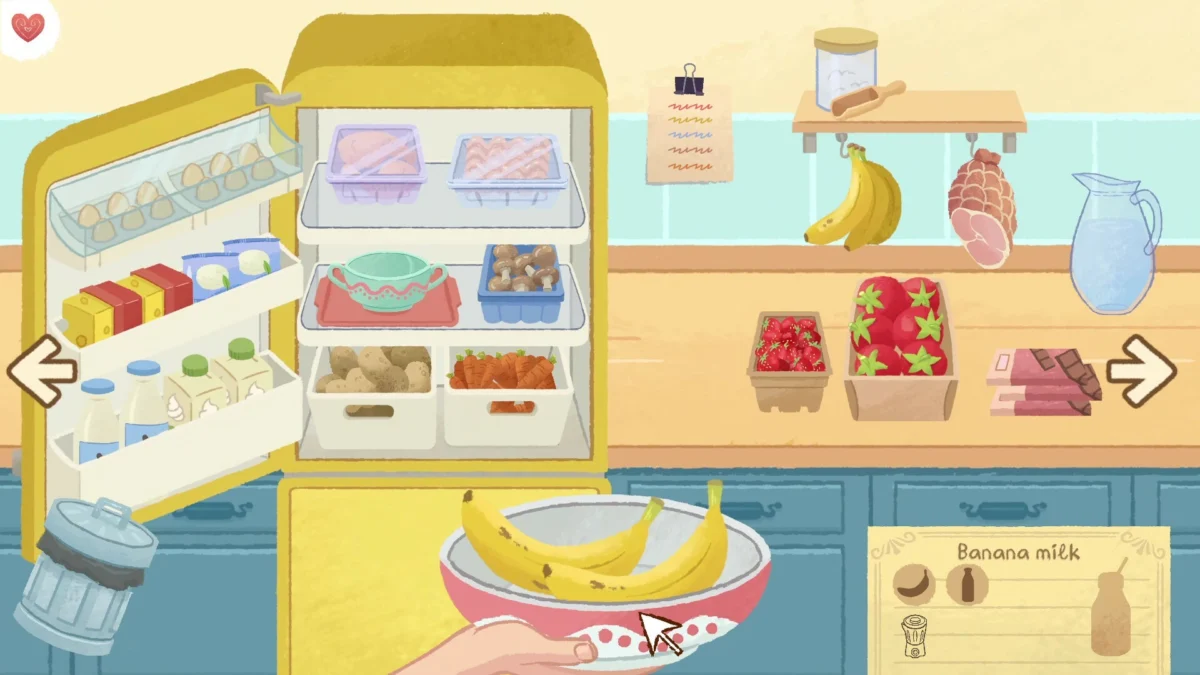
In the burgeoning landscape of "cozy" simulation games, few titles capture the morning-time aesthetic quite as effectively as Cook for Love. Developed as a meditative, stress-free experience, the game invites players into the apron of Clement, a young Frenchman navigating the trials and triumphs of his own fledgling restaurant. While the title promises a relaxing journey through the art of gastronomy, the reality of its gameplay reveals a complex blend of tranquil presentation and occasionally cumbersome mechanical friction.
The Core Concept: Master the Menu
At its heart, Cook for Love is an exploration of the culinary arts. Players are tasked with mastering a diverse array of recipes, ranging from simple comfort foods to more complex dishes as the restaurant grows. The game functions much like a digital recipe book brought to life; each round presents a specific dish, requiring the player to follow a sequence of steps—chopping, mixing, blending, and cooking—to achieve the perfect result.
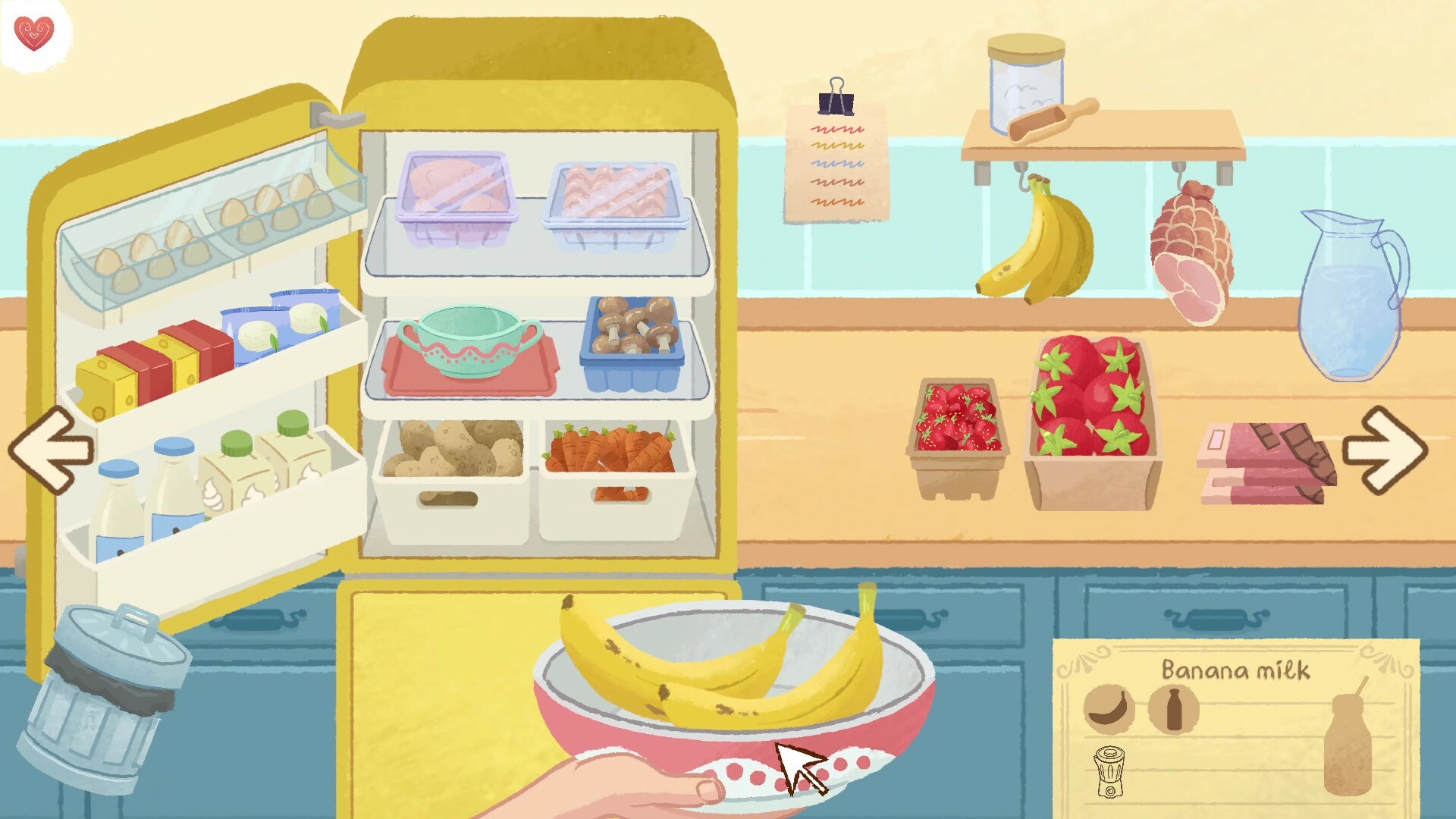
The game distinguishes itself through its slow-paced, point-and-click-inspired movement. Players navigate between various kitchen stations, each dedicated to a specific part of the preparation process. By managing a limited inventory—typically one bowl and two plate items—players must orchestrate the flow of ingredients across these stations. While this logistical challenge is intended to mirror the reality of a busy kitchen, it often acts as the primary source of both satisfaction and frustration.
Chronology of the Culinary Journey
The narrative progression of Cook for Love follows a logical, if slightly repetitive, path. Initially, the game serves as an intimate look at a home cook. Players aren’t yet burdened with the expectations of a professional establishment; instead, the focus is on feeding neighbors and learning the ropes. During this early phase, the recipes—such as the recurring "cream of" soups—are straightforward.
However, as the narrative shifts from home cooking to running a commercial restaurant, the game struggles to maintain the same sense of purpose. As the player masters new techniques, the food groups evolve—transitioning from fruit-based pancakes to complex pasta dishes—but the underlying loop remains largely the same. By the time the restaurant is fully operational, the lack of traditional pressures, such as timers or custom customer orders, creates a disconnect between the story’s stakes and the gameplay’s pace.
Supporting Data and Mechanical Analysis
To understand Cook for Love, one must look at the mechanical underpinnings that govern its kitchen. The game provides clear, top-screen instructions, which can be expanded for those needing extra guidance. Despite this, the experience is defined by several key factors:
- Spatial Management: Players must constantly shuttle items between stations. While this adds a layer of realism, it can become repetitive. For example, preparing pasta requires concurrent cooking of sauce and noodles. Because of the limited inventory space, players are often forced to "shuttle" items back and forth between the stove and the plating area, which can feel less like cooking and more like busywork.
- The "Burn" Mechanic: In an interesting design choice, Cook for Love eschews traditional time-based customer stress but retains a failure state. If items are left in the freezer or on the heat for too long, they can spoil or burn, necessitating disposal. While this adds a layer of realism, it occasionally feels at odds with the game’s otherwise relaxing atmosphere.
- Visual Fidelity: The recipes, regardless of their simplicity, are consistently rendered with high visual appeal. The graphics team has clearly prioritized the "look" of the food, making the final plated dishes feel like a genuine reward for the player’s effort.
The Narrative Experience
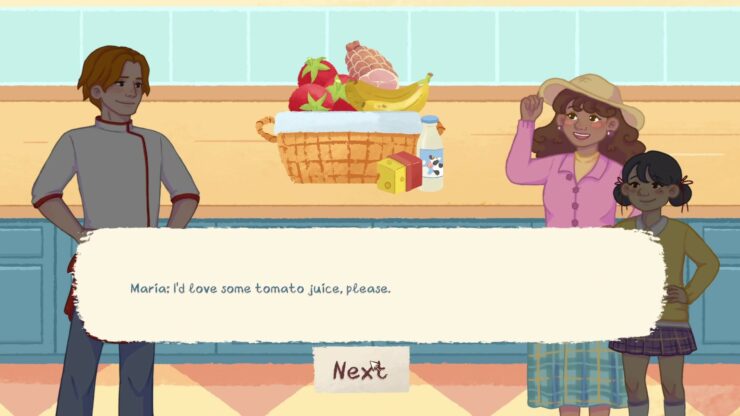
Between major kitchen milestones, the game introduces story vignettes featuring various restaurant patrons. These characters provide a window into the life of the community surrounding Clement’s restaurant. However, a notable critique is the lack of feedback regarding the food itself.
In a restaurant-themed game, one might expect the story to hinge on the reception of the dishes served. Instead, the narrative often feels detached from the gameplay loop. The story provides the necessary context to unlock new kitchen equipment and more advanced recipes, but it rarely feels like the driving force behind the player’s desire to keep cooking.
Implications for the ‘Cozy’ Genre
Cook for Love stands as a testament to the current trend of "cozy gaming"—a genre defined by low stakes, calming soundtracks, and non-punitive gameplay. By removing the pressure of ticking clocks and angry customers, the developers have successfully created a space for players to unwind.
However, the game also highlights the inherent difficulty in designing a "relaxing" simulator. When you remove the pressure, you must replace it with something equally engaging—usually a sense of progression or meaningful narrative. When the gameplay becomes too repetitive or the mechanics feel slightly cumbersome, the "zen" quality of the game can begin to fray.

For fans of the genre, Cook for Love offers a beautiful, low-pressure environment that is perfect for a lazy Saturday morning. The aesthetic is undeniable; it succeeds in creating an atmosphere where the music, the visuals, and the quiet rhythm of chopping vegetables harmonize to create a peaceful experience. For those who prioritize gameplay depth, however, the repetition and mechanical limitations might be a hurdle.
Developer Intent and Community Feedback
While official responses from the development team emphasize the goal of creating a "stress-free, meditative experience," early player feedback has been a mix of praise for the art style and critique of the flow. Many players have pointed out that while the game is visually stunning, the "shuttling" mechanic needs refinement to feel less like a chore and more like a fluid culinary process.
The developers have positioned the game as an accessible entry point into the cooking genre, suitable for players of all ages and skill levels. By keeping the recipes simple and the interface clean, they have achieved a level of accessibility that is commendable. The availability of the game across major platforms—including the Nintendo eShop, the Microsoft Store, and Steam—suggests a wide-reaching ambition to bring this cozy experience to a diverse audience.
Final Assessment: Is it for You?
Cook for Love is an uneven but charming addition to the simulation genre. Its strengths lie in its presentation: the way the light catches a bowl of freshly prepared ice cream, or the gentle, calming sound of a kitchen in motion. It is a game designed for a specific mood—one where the player wants to engage in a task without the threat of failure.
If you are looking for a high-intensity restaurant management simulator, this is not it. If, however, you are looking for a title that allows you to step into the shoes of a chef, focus on the craft of cooking, and enjoy a quiet, visually pleasing narrative, then Cook for Love deserves a spot in your library.
Despite the occasional frustration with the back-and-forth movement of ingredients and the somewhat thin narrative, the core loop remains satisfying enough to keep you coming back for "one more dish." It is a reminder that even in the world of video games, sometimes the most important part of the meal is simply the act of putting it together with love.
Cook for Love is available now on the Nintendo eShop, Microsoft Store, and Steam.


 Laily UPN
 Jia Lissa