Neng Nana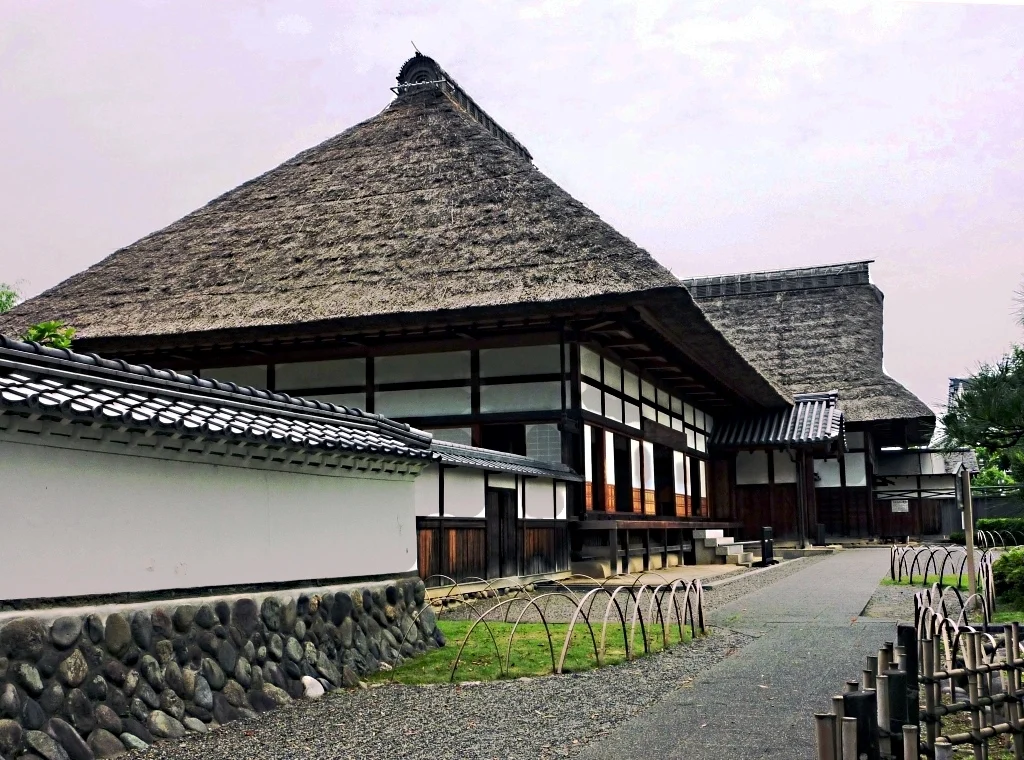
Deep within the Tochigi Prefecture, situated in the quiet city of Ashikaga, lies a historical treasure often overlooked by the high-speed transit of modern tourism. Ashikaga Gakko (Ashikaga Gakkō) stands not merely as a collection of wooden halls and stone gardens, but as the oldest standing academic institution in Japan. With roots extending back to the 9th century, this "university of the East" predates the great medieval institutions of Europe—including Oxford, Cambridge, and Bologna—marking it as a singular monument to the continuity of human intellectual pursuit.
Main Facts: A Legacy of Learning
To visit Ashikaga Gakko is to step into an era where Confucian philosophy dictated the moral and political fabric of East Asian society. While the exact date of its founding remains a subject of academic debate, the earliest documentary evidence points to the years 839 or 842 CE.
Unlike the monastic centers of the West that focused heavily on theological indoctrination, Ashikaga Gakko was a secular bastion of Confucian study. By the mid-16th century, the academy had reached its zenith, hosting approximately 3,000 students. Its reputation was so formidable that, in 1549, the Jesuit missionary Francis Xavier, during his historic journey to Japan, famously described the site in a letter to Rome as "the largest and most famous academy in Eastern Japan."
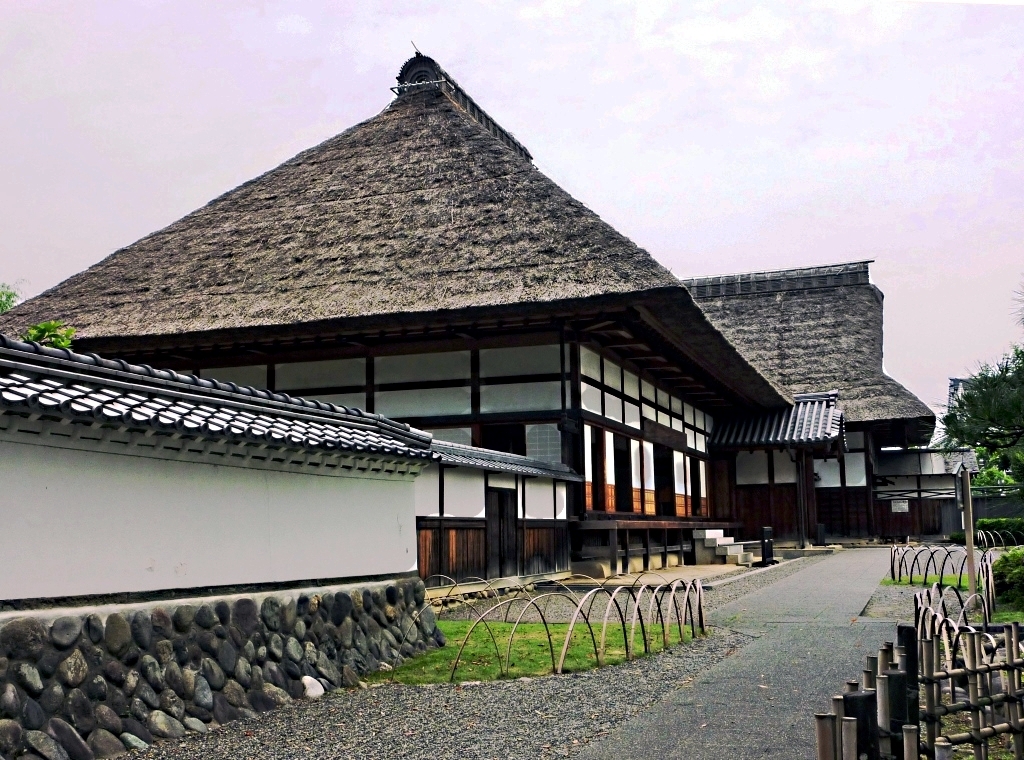
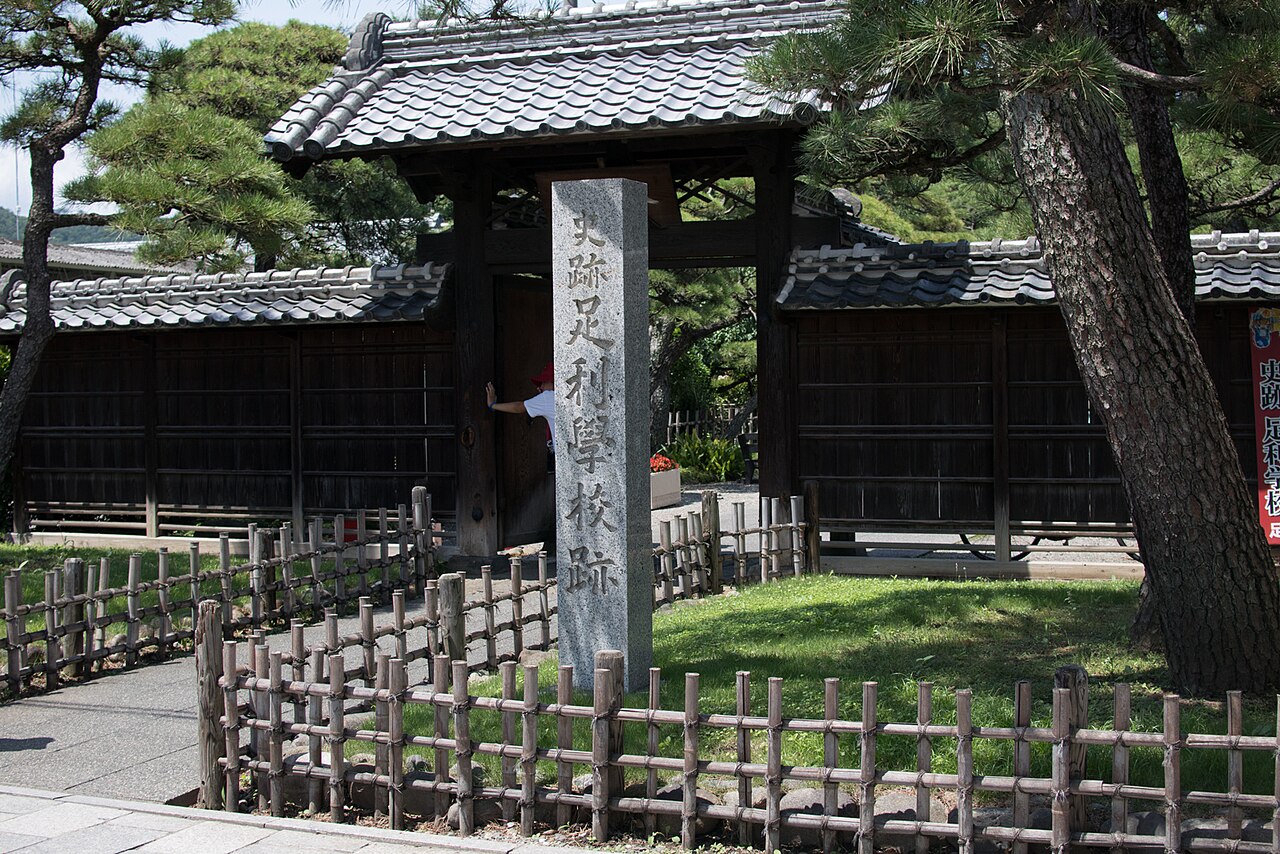
Today, the site covers approximately 8,000 square meters. Following a comprehensive 1990 restoration project—grounded in rigorous archaeological and textual research—the complex now stands as a precise reconstruction of its Edo-period layout (c. 1660–1680). Despite its immense historical significance, it remains a serene, under-visited gem, accessible in just 75 minutes from Tokyo.
Chronology: 1,200 Years of Intellectual Evolution
The history of Ashikaga Gakko is a narrative of resilience, characterized by cycles of decline and brilliant reinvention.
The Foundation and Medieval Turbulence
Traditional historical accounts attribute the school’s origins to either the scholar Ono no Takamura (802–853) or Prince Shimotsuke. By the 9th century, it was already established as a center of learning. However, as Japan moved through the late Heian and Kamakura periods, the school faced a long decline, mirroring the political instability of the era.
The 1432 Renaissance
The modern institutional identity of Ashikaga Gakko traces back to 1432. Uesugi Norizane, the influential lord of Shimotsuke Province, acted as the school’s great patron. He invited Zen scholar-monks from the prestigious Engaku-ji temple in Kamakura to reform the curriculum. Norizane donated his own extensive library, which included rare Song Dynasty Confucian texts, effectively pivoting the academy toward a rigorous focus on Chinese classics and philosophy. This pivotal moment solidified the school’s curriculum, distinguishing it from the Zen monastic training centers of the time.
The Golden Age and the Hojo Patronage
The 16th century saw the academy become a pillar of Japanese education under the patronage of the Hojo clan of Odawara. It was during this period that the school operated with a scale and academic depth that challenged the greatest academies in China. The curriculum was exhaustive, covering the "Four Books and Five Classics," the I Ching (Book of Changes), military strategy, and medicine.
The Meiji Transition and Modern Restoration
The Meiji Restoration of 1868 brought an abrupt end to the traditional Confucian academic system. The school closed, and its vast library was scattered, with many treasures finding their way to the Tokyo National Museum and the National Diet Library. It was not until 1928 that the site received formal protection as a National Historic Site. The current physical manifestation, finalized in 1990, serves as a bridge between the Edo period and the modern day, utilizing traditional joinery techniques to recreate the architectural spirit of the 17th century.
Supporting Data: The Architecture of Thought
The current layout is a carefully curated educational map. Visitors typically begin at the Nyutoku-mon Gate (Entering Virtue Gate), a symbolic threshold where students historically bowed to signify their commitment to learning.
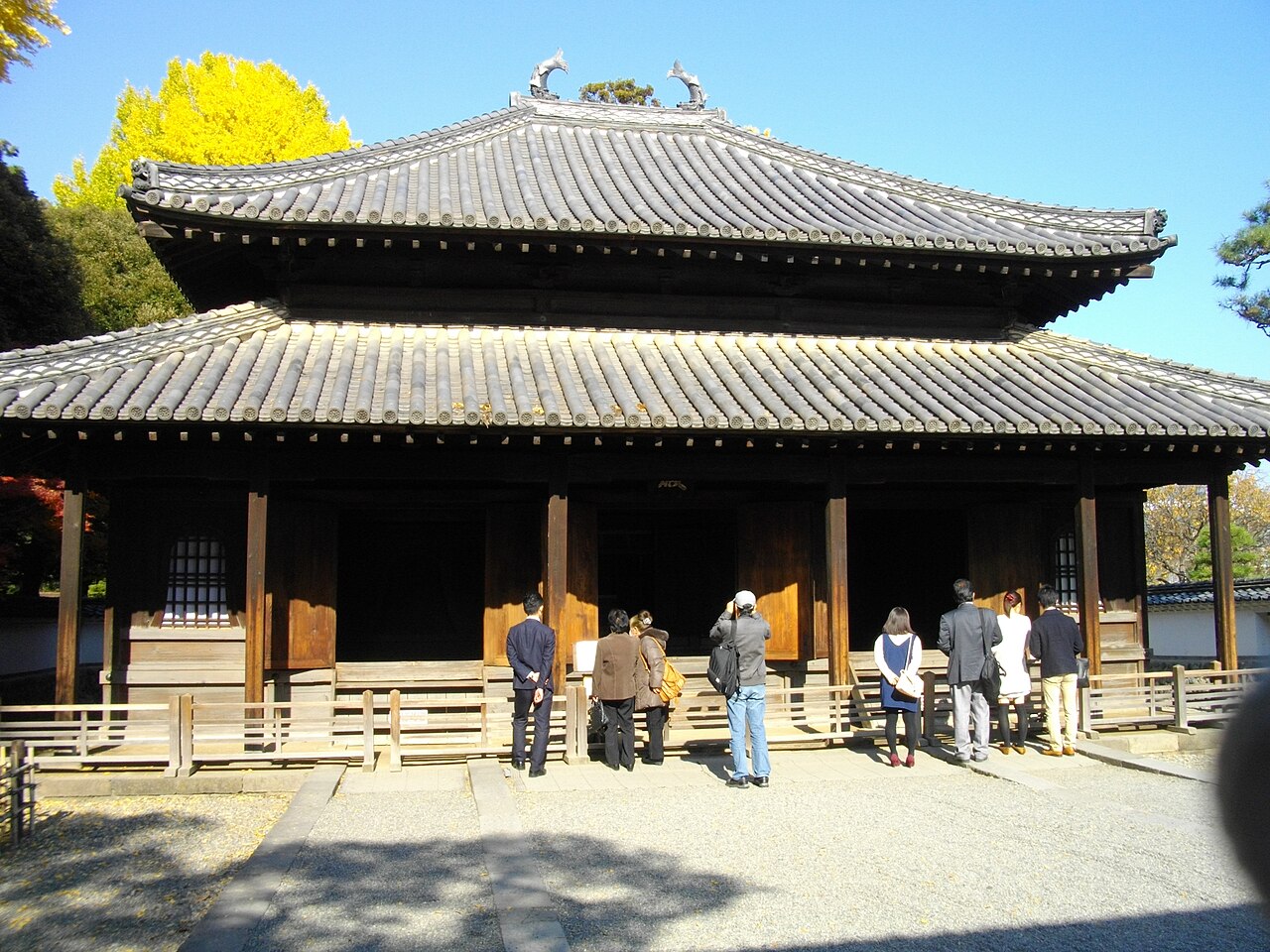
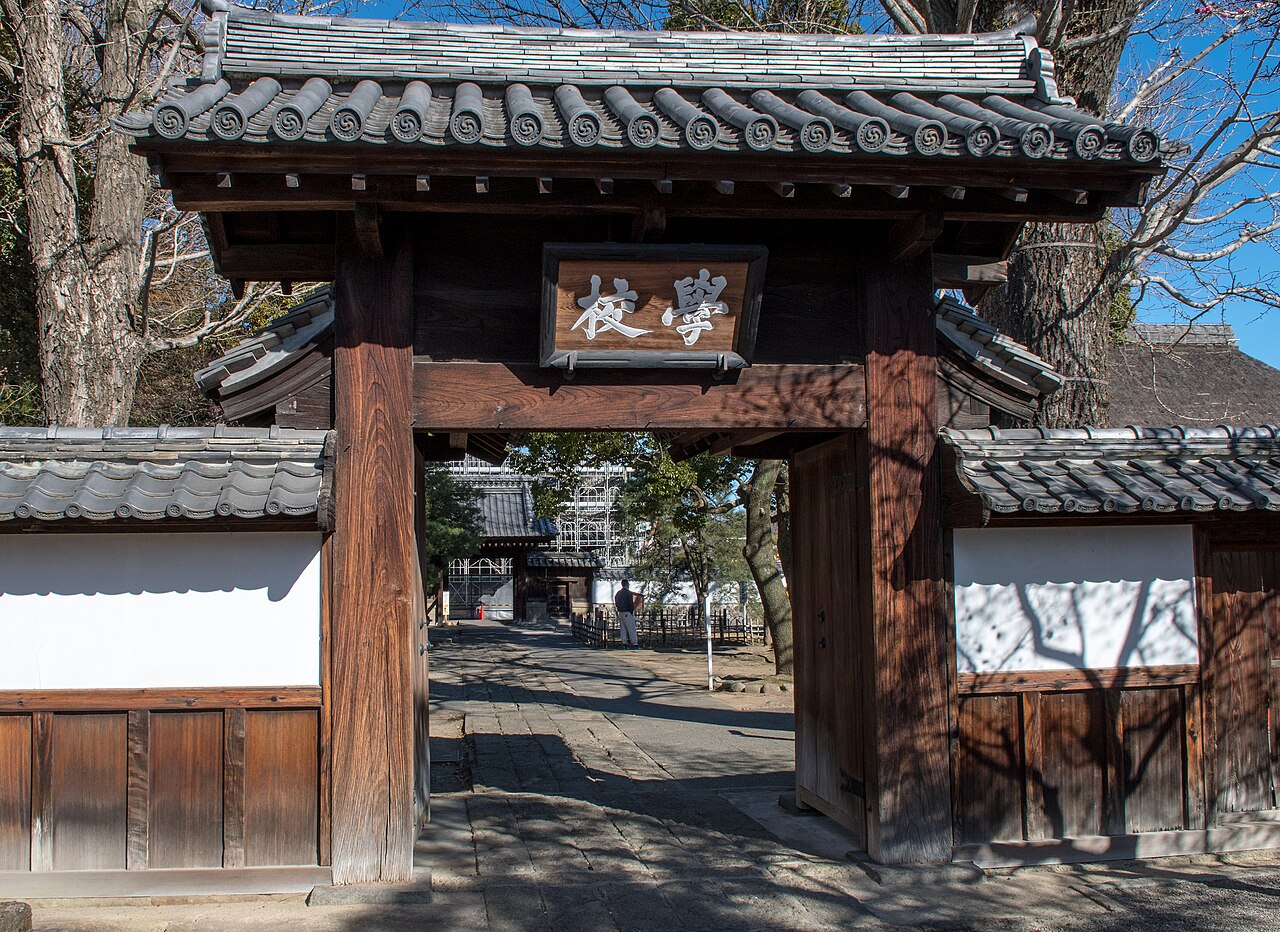
- The Gakko-mon Gate: The primary entrance, featuring a 1668 stone plinth and a 1990 reconstructed upper structure. The calligraphy above the gate, simply reading "School," remains one of the most recognizable cultural icons in the region.
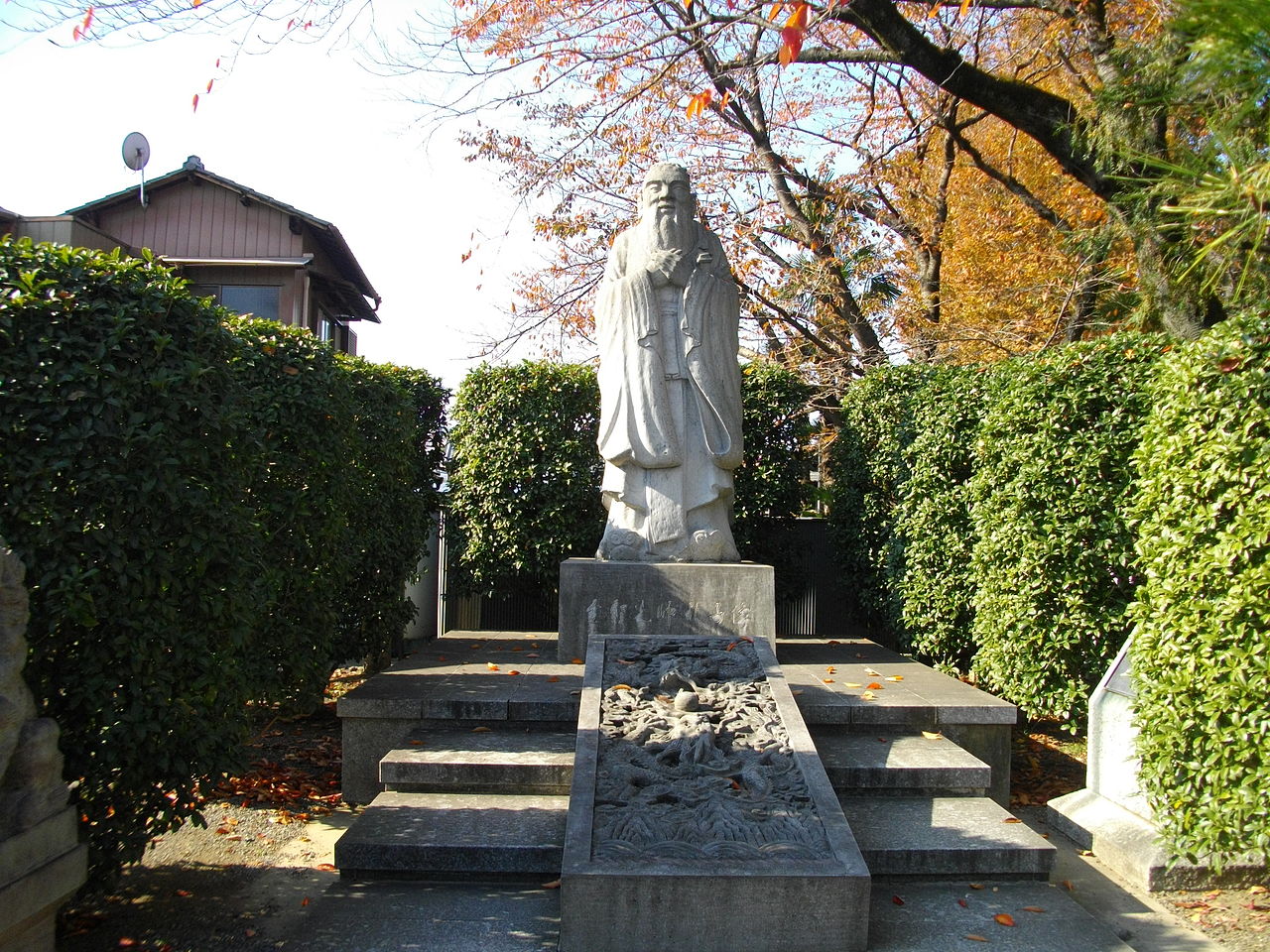
- The Koshibyo (Confucian Temple): This hall houses a 16th-century statue of Confucius. Unlike many "museumified" temples, the Koshibyo is a living space where the traditional sekiten rites are performed during the spring and autumn equinoxes.
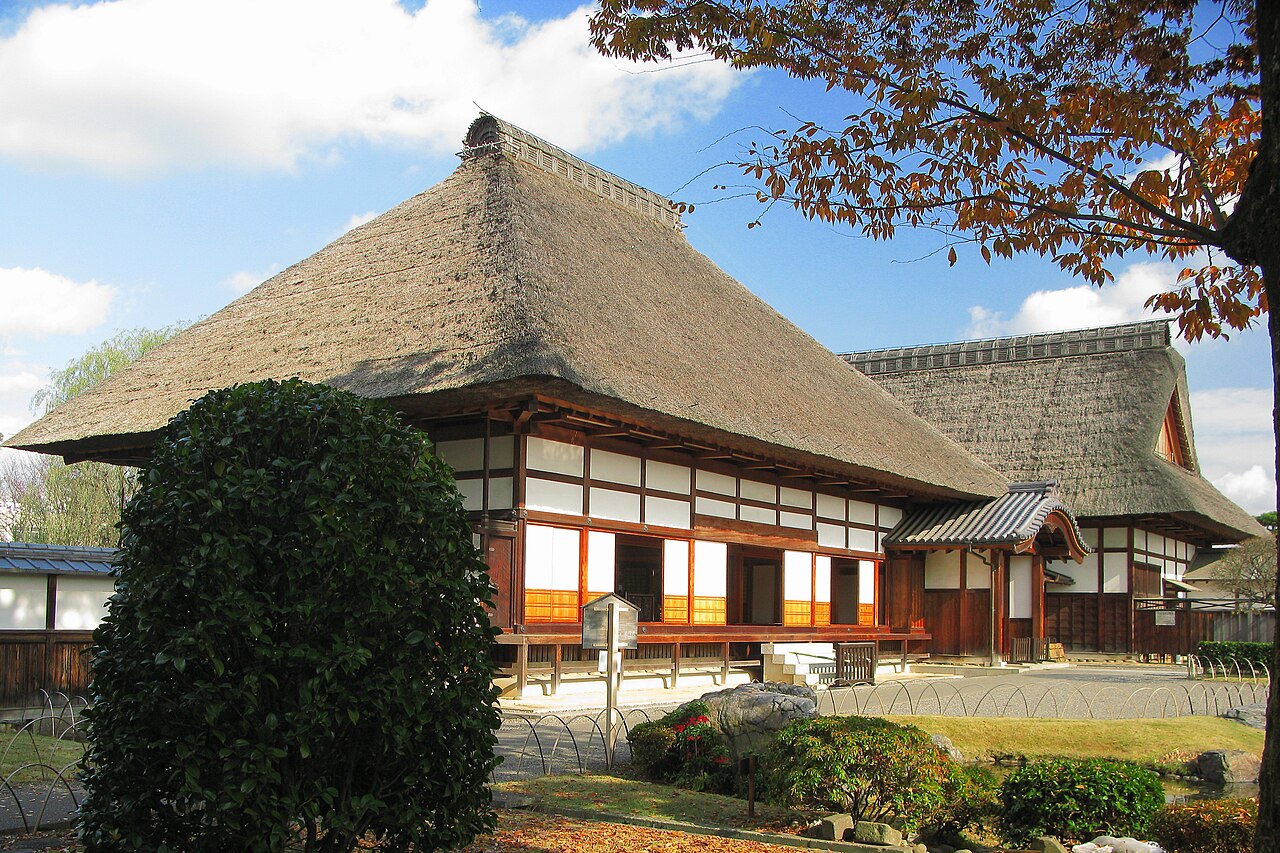
- The Hojo (Main Hall): This was the heart of the academy, housing both living quarters and teaching spaces. It provides a rare, tactile look at the Spartan lifestyle of early-modern Japanese scholars.
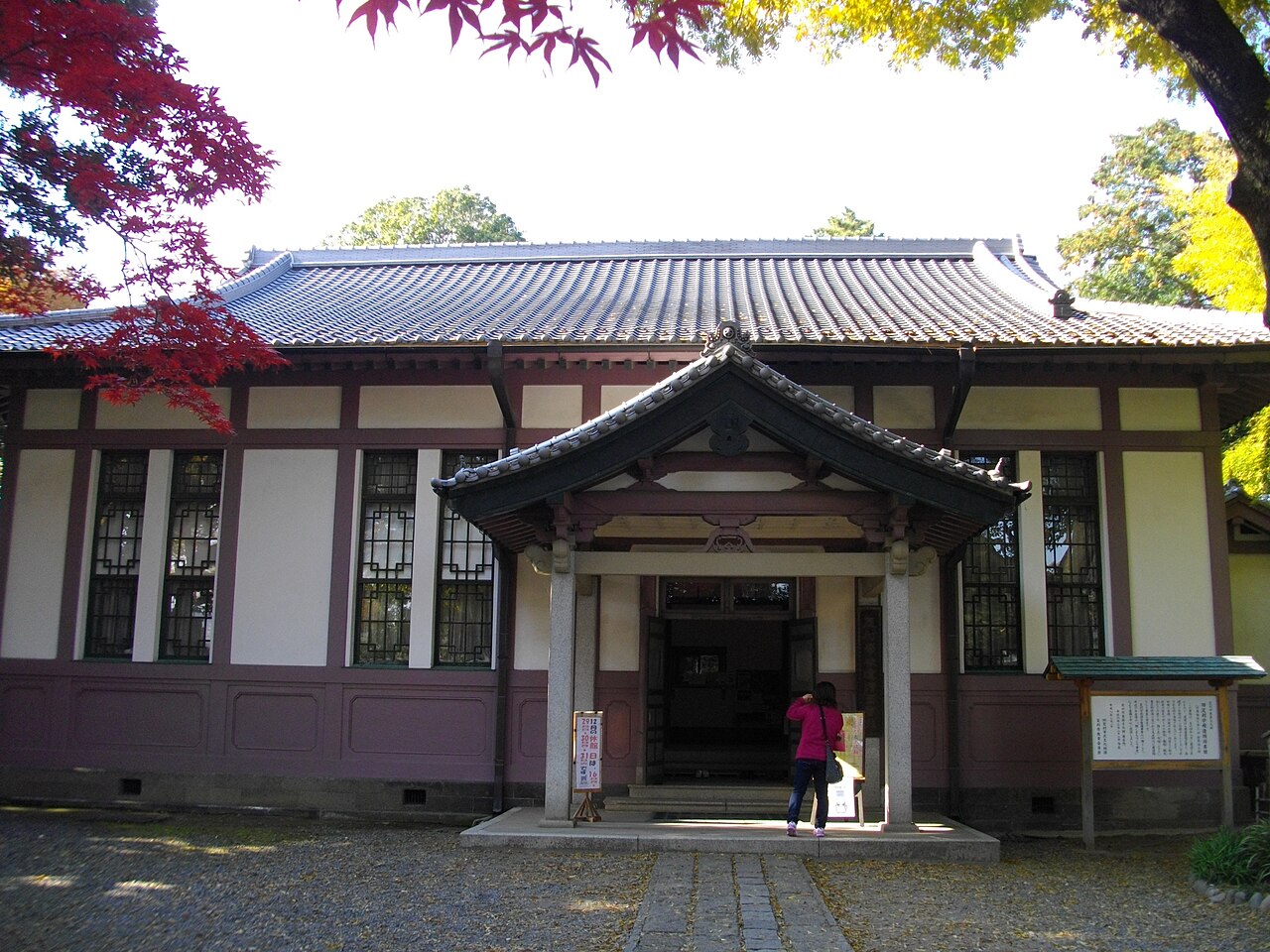
- The Library Wing: While the original volumes are now housed in national archives, the reconstructed library displays high-quality facsimiles, offering insight into the intellectual breadth of the 15th-century curriculum.
Official Responses and Preservation Ethics
The Japanese government’s treatment of Ashikaga Gakko reflects a broader national policy regarding the preservation of "intellectual monuments." Unlike sites that emphasize religious sanctity, Ashikaga Gakko is preserved as a site of scholarly heritage.
The Agency for Cultural Affairs has emphasized that the restoration was not merely aesthetic. The use of archaeological data from the 1990 excavations ensured that the "footprint" of the school is accurate to the Edo period. Furthermore, the decision to continue the sekiten rites—involving classical music, white robes, and specific offerings—is an official effort to maintain "intangible cultural heritage" alongside the physical structures. This dual approach ensures that the site remains a functional space for academic reflection rather than a stagnant relic.
Implications: A Global Perspective
What does the existence of Ashikaga Gakko mean for the global history of education?
A Challenge to Eurocentrism
The existence of an academy of 3,000 students in 1549 Japan challenges the outdated narrative that academic institutionalization was a uniquely European development. Ashikaga Gakko demonstrates that, while Europe was developing the university model in the high Middle Ages, Japan was simultaneously refining its own distinct, robust academic system that successfully balanced secular philosophy with the socio-political demands of the time.
The Continuity of Tradition
The Sunday "Analects Read-Aloud" sessions are perhaps the most significant indicator of the school’s enduring legacy. By allowing the public to participate in the recitation of classical Chinese texts, the school maintains a link to the past that is rarely found elsewhere. It provides a laboratory for scholars and students to witness how the Confucian canon—the bedrock of East Asian civilization—was transmitted across centuries.
A Site for the Future
For the modern traveler, Ashikaga Gakko offers a profound lesson in the value of silence and study. As a "quiet" attraction, it invites a deeper level of engagement than the crowded tourist hubs of Kyoto or Tokyo. Its potential for educational tourism—particularly for students of history, classics, and Asian philosophy—is significant. It serves as a reminder that the intellectual roots of modern Japan were not just in technology or trade, but in a deeply ingrained respect for classical learning and moral philosophy.
In conclusion, Ashikaga Gakko is more than just a historical footnote. It is a testament to the longevity of the human desire to learn. For those willing to venture off the well-trodden path between Tokyo and Nikko, it offers a rare, intimate look at the foundation of Japanese intellectual life—a site that has survived wars, political shifts, and the passage of over a millennium to remain, as it has always been, a place of virtue and study.



 Asro
Asro