Ali Ikhwan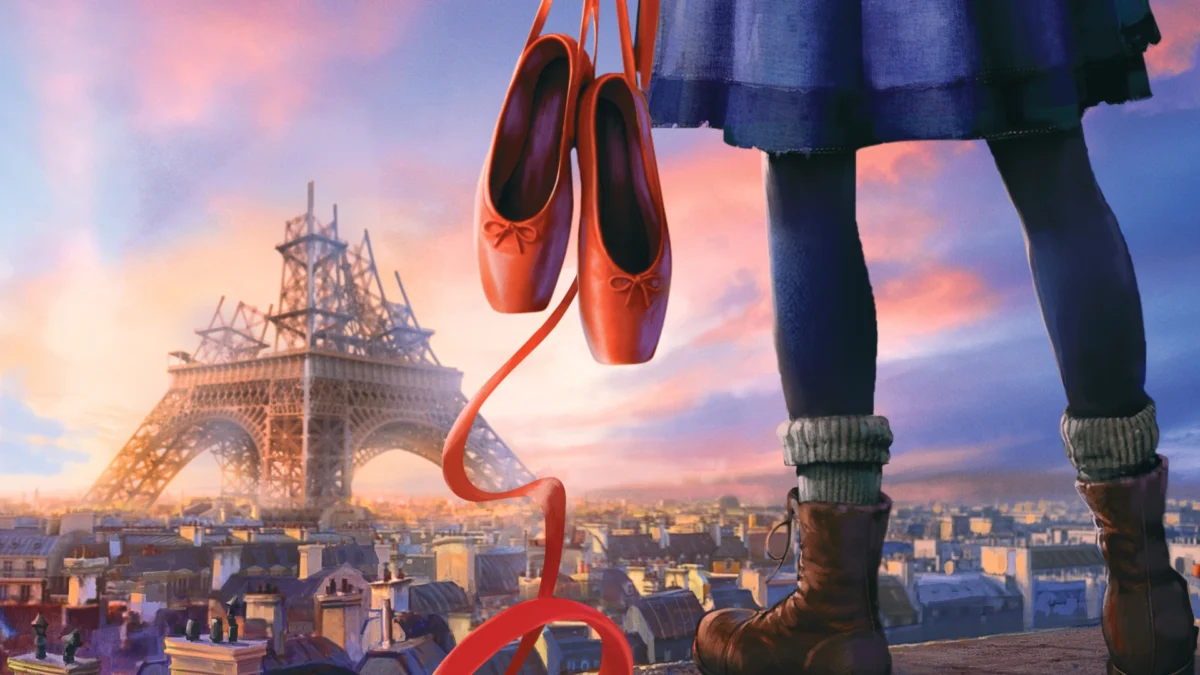
Main Facts: A Global Phenomenon Returns to the Stage
The world of 19th-century Parisian dance is set to welcome back its most determined dreamer. Paris-based production house Good Hero officially confirmed on Monday, during the prestigious Annecy International Animation Film Festival, that a sequel to its 2016 breakout animated hit Ballerina (released as Leap! in North American markets) has been greenlit.
The announcement serves as the cornerstone of a broader strategic initiative to transform Ballerina from a standalone success into a multi-platform global franchise. With production on the sequel officially commencing this month, the studio has set its sights on a late 2029 global theatrical release. The film will be directed by Laurent Zeitoun, who originally penned the screenplay for the 2016 installment, and will be produced by Zeitoun alongside Gregory Ouanhon, the co-founders of Good Hero. Veteran French film powerhouse Gaumont is set to reprise its role as the primary distributor for both domestic and international markets.
Chronology: From 1884 Paris to Global Box Office Success
To understand the significance of this sequel, one must look back at the origins of the project. Released in 2016, Ballerina introduced audiences to Félicie, an orphan girl in 1884 Paris whose singular ambition was to secure a spot at the prestigious Grand Opera House. The film was celebrated not only for its narrative heart but for its technical commitment to the art of dance.
The production team, in a bid for authentic movement, utilized motion-capture technology based on the choreography of Aurélie Dupont, the former Paris Opera star and artistic director, and her colleague Jérémie Bélingard. This marriage of high-level artistry and digital animation resonated deeply with international audiences.
The film’s trajectory was nothing short of a commercial triumph. It was sold to more than 100 countries, proving that a story rooted in French history and classical ballet had universal appeal. By the end of its theatrical run, the film had grossed over $120 million globally. This financial success cemented Good Hero’s reputation as a boutique studio capable of producing high-quality, family-friendly animation that could compete on the world stage.
Supporting Data: Building a Multimedia Empire
The decision to greenlight Ballerina 2 is not an isolated creative choice but a calculated expansion strategy. Alongside the feature-length sequel, Good Hero has confirmed the development of an animated television series set within the same universe.
The studio has tapped British writer Andrew Burrell to helm the writing room for the series. Burrell brings significant pedigree to the project, having previously served as a writer for Matt Groening’s Netflix hit Disenchantment and the long-running BBC staple EastEnders. His resume also includes extensive work in the animation space, specifically as a head writer and script editor on Sasha and Milo and as a contributor to the Danger Mouse reboot.
The inclusion of a television series suggests that Good Hero intends to deepen the lore of the Ballerina universe. While the films focus on the grand, cinematic arc of Félicie’s journey, the television format allows for episodic storytelling that can explore the supporting cast, the intricacies of 19th-century Parisian life, and the evolving world of ballet education, thereby keeping the brand in the public consciousness between film releases.
Official Responses and Creative Vision
The announcement at Annecy was met with enthusiasm from the animation community, signaling that the industry views Ballerina as a rare independent success story in a landscape dominated by the major US studios.
Laurent Zeitoun, who transitions from writer to director for the sequel, has previously emphasized the importance of grounding the Ballerina films in emotional reality despite their animated medium. By focusing on the "orphan’s journey," the original film tapped into classic archetypes that resonated with children and adults alike. The voice cast of the original—which included Elle Fanning as Félicie, Carly Rae Jepsen as the enigmatic mentor Odette, and supporting turns from Dane DeHaan, Nat Wolff, and Kate McKinnon—set a high bar for performance. While casting for the sequel is currently under wraps, the industry is watching closely to see if the studio will reunite the original ensemble or introduce new talent to drive the next chapter of the story.
Good Hero’s leadership has indicated that the Ballerina franchise is intended to be their flagship intellectual property. By maintaining creative control and keeping the production lean and focused, the studio aims to preserve the "hand-crafted" feel that distinguished the first film from more hyper-commercialized animated offerings.
Implications: The Future of European Animation
The expansion of the Ballerina franchise carries significant implications for the European animation sector. Historically, European studios have struggled to build long-term franchises that can rival the multi-billion-dollar IP empires of Hollywood. Good Hero’s model—starting with a high-quality, mid-budget film and slowly building a cross-platform ecosystem—is a template that other regional studios are increasingly adopting.
The Rise of the "Global-Local" Model
The Ballerina success story highlights the "global-local" model of animation. By rooting the film in specific, recognizable French heritage (the Paris Opera, 19th-century aesthetics, and authentic ballet technique) while adopting the pacing and narrative structure of international family entertainment, Good Hero successfully transcended the limitations of a foreign-language production. The sequel’s move toward a 2029 release date also reflects a shift in how studios view production timelines; rather than rushing out a follow-up to capitalize on immediate buzz, Good Hero is allowing for a multi-year development window, ensuring that the sequel maintains the visual fidelity that made the original a hit.
The Role of Gaumont in Market Penetration
The continued partnership with Gaumont is a critical pillar of this project. Gaumont, one of the world’s oldest and most respected film studios, provides the necessary infrastructure to handle the complexities of global distribution. In an era where streaming platforms are often the default for family animation, the commitment to a traditional theatrical window for Ballerina 2 is a bold statement about the endurance of the "event" cinema experience for children.
Strategic Diversification
The decision to integrate a television series into the brand strategy is perhaps the most significant implication of this announcement. In the current media landscape, an IP’s value is increasingly tied to its ubiquity across platforms. By developing a series alongside the feature, Good Hero ensures that the Ballerina brand remains active in the home—via streaming and television—while the feature film drives the theatrical box office. This dual-pronged approach is designed to mitigate the risks inherent in the film industry, creating a consistent revenue stream and maintaining brand loyalty among younger viewers who may not have seen the 2016 original.
Conclusion: A Dream Still in Motion
As production shifts into high gear this month, the stakes for Ballerina 2 are high. The original film proved that a story about persistence, art, and the pursuit of dreams could capture the hearts of global audiences. With the expertise of Laurent Zeitoun and the backing of Gaumont, the sequel has the potential to cement Félicie’s place alongside the most iconic characters in modern animation.
For the animation industry at large, the Ballerina franchise represents a triumph of independent storytelling. As the studio looks toward 2029, the industry will be monitoring not only the film’s financial performance but also the success of its multi-platform strategy. If Good Hero can successfully bridge the gap between cinema and television while maintaining the artistic integrity of the original, Ballerina may well become the definitive case study for how to build a lasting, beloved franchise from the ground up in the modern era.
For now, the stage is set. In the City of Light, the music is playing, the dancers are preparing, and a new chapter in the life of an orphan girl with big dreams is about to begin.

 Nana
Nana
 Jia Lissa