Azzam Bilal Chamdy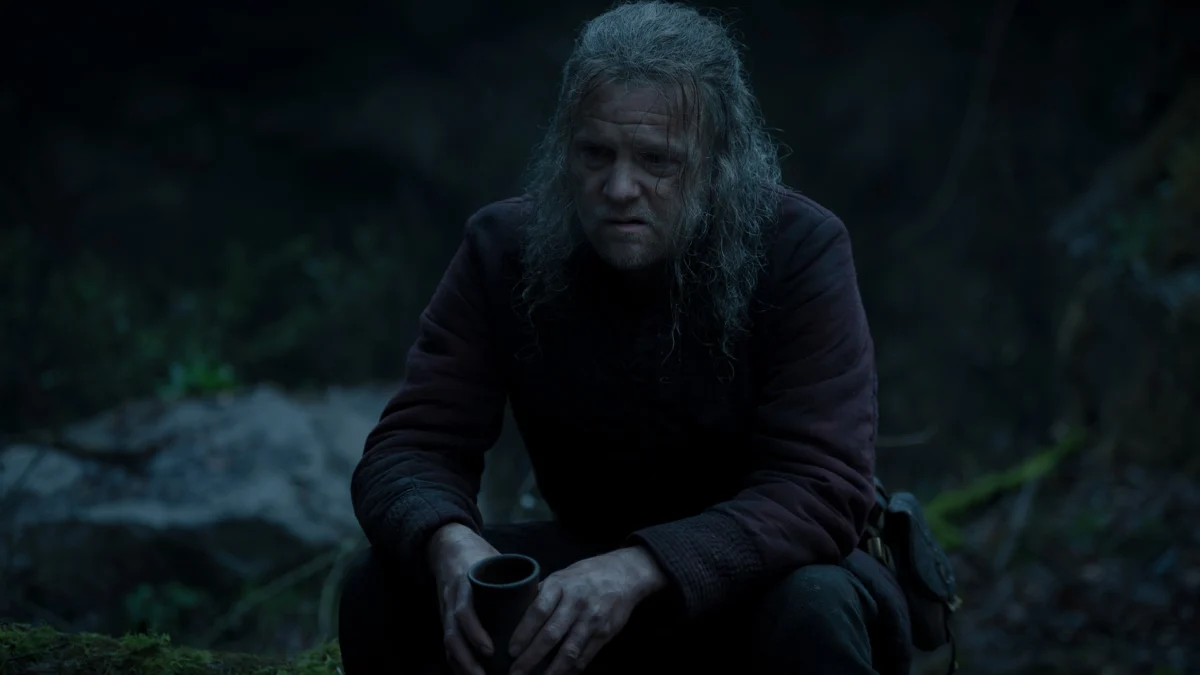
In the high-stakes, fire-drenched theater of House of the Dragon, character development often plays second fiddle to the sheer spectacle of dragon combat and the machinations of the Iron Throne. However, the season 3 premiere offered a rare, quiet pivot—a moment of profound human vulnerability that reshaped our understanding of one of the show’s most unpredictable players: Ulf the White.
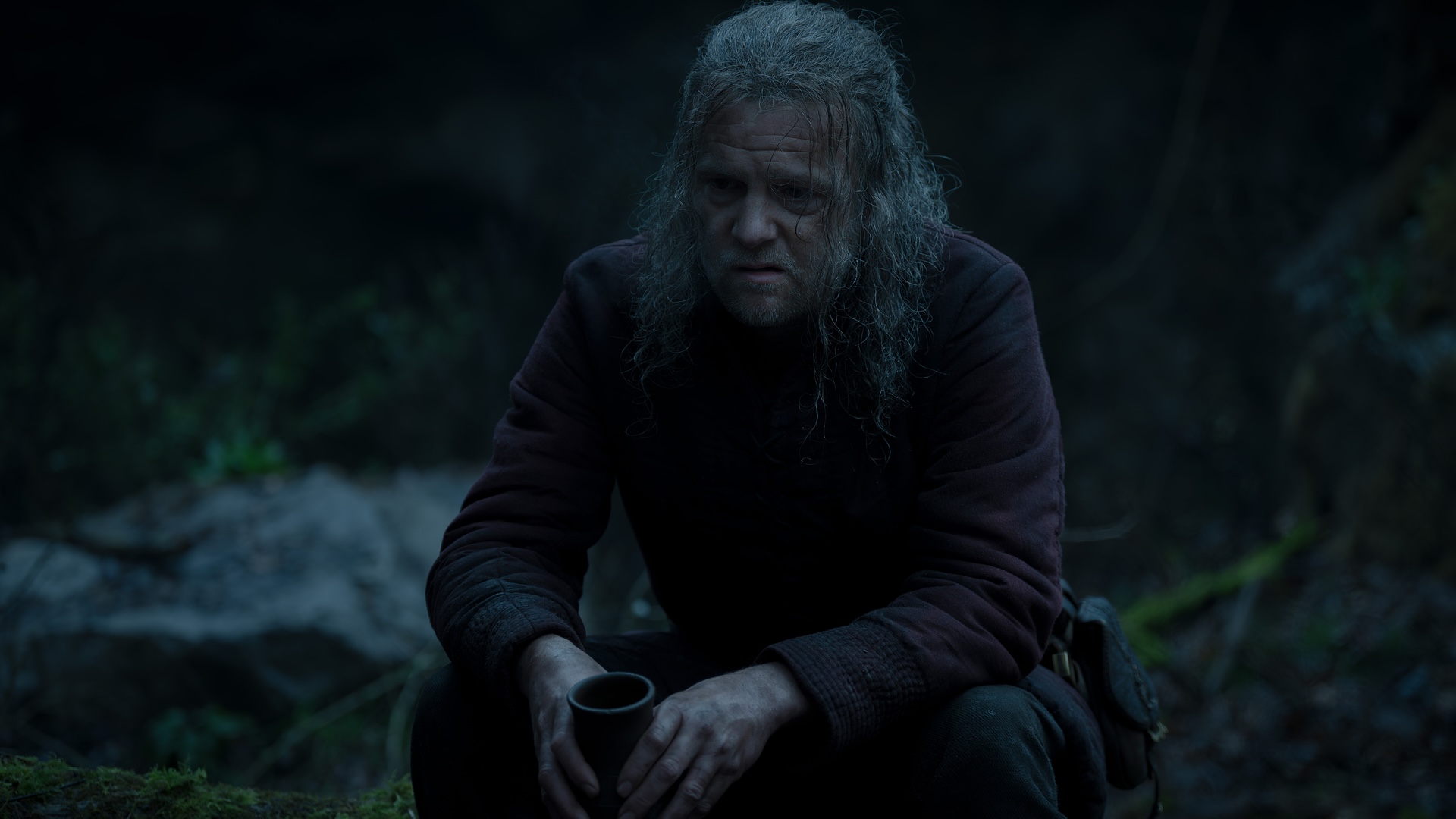
During a lull in the Riverlands, while the newly minted dragonriders—Addam of Hull, Hugh the Hammer, and Ulf—wait in vain for the arrival of Prince Aemond and his formidable dragon, Vhagar, the narrative shifts from the geopolitical to the deeply personal. In a searing, unprompted monologue, actor Tom Bennett transforms Ulf from a mere "boorish dragonseed" into a tragic, complex figure. This revelation does more than just flesh out a character; it anchors the series in the brutal reality of the common folk who find themselves caught in the gears of Targaryen dynastic conflict.
The Anatomy of an Origin Story: Breaking Down the Monologue
The scene in question acts as a narrative decompression chamber. As the tension of the war fades into the background, Ulf, the most loquacious of the trio, breaks the silence with a confession that cuts through the bravado typical of his character.
"Never knew my mother. Same as most of the gutter rats. Was kicked about more than a mongrel dog," Ulf confesses to his companions. "Wished for death more days than I wished to live. There was this priest from Essos—fancied me, paid me coin to do things. He said I had king’s blood. That I was born for a purpose. I liked that story. So I owned it. Ulf the dragonseed. That red cunt was right!"
This monologue is a masterclass in character economy. It serves three distinct functions: it establishes his traumatic upbringing, validates his entitlement through the lens of a prophecy, and provides a chilling, direct link to the broader mythology of George R.R. Martin’s world. By invoking a "priest from Essos," the show confirms that Ulf’s belief in his own "king’s blood" is not merely the delusion of a tavern drunk, but a narrative seeded by the same red priests who have shaped the fates of characters like Melisandre and Stannis Baratheon in Game of Thrones.
A Shift from Source Material: The Maester’s Bias
To understand the weight of this scene, one must look at the source material. In Fire & Blood, George R.R. Martin’s historical chronicle of the Targaryen dynasty, Ulf the White is portrayed primarily through the eyes of biased, aristocratic maesters. In that text, he is a figure of scorn—a opportunistic, self-serving brute whose motivations are rarely examined beyond his eventual treachery.
The House of the Dragon adaptation takes a deliberate, creative departure from this perspective. By giving the audience the "interior" life of the character, showrunner Ryan Condal effectively challenges the reliability of the "historical record." The series posits that while the maesters might record the history of kings and queens, the truth of the dragonseeds—those bastards plucked from the gutters to ride the gods—is often far more harrowing and rooted in systemic trauma.
The Director’s Blueprint: Behind the Scenes with Tom Bennett
The success of the monologue was not a matter of improvisation; it was the result of a meticulously planned character study. According to Tom Bennett, the depth of his performance was facilitated by a proactive approach from the show’s creative team.
In a recent press roundtable, Bennett revealed that before cameras even rolled on the "Cock Inn" tavern set during season 2, Ryan Condal provided him with a secret document. "Ryan took a sheet out of his folder and gave it to me," Bennett explained. "He said, ‘I’ve already written this, but I think it might be useful to you now. It’s kind of a monologue of yours.’ I read it and was like, ‘That’s so generous,’ because this really does inform everything. Like, this here is your origin story. Now I can hang everything else off that."
This "blueprint" approach allowed Bennett to play the character with a consistent psychological anchor. Every dismissive joke or moment of bravado Ulf exhibits is now colored by the knowledge of his past. He is a man who was abused, commodified, and told he was special, and he is now riding that prophecy toward a destiny he is both terrified of and deeply committed to.
The Impact on the Ensemble: Reactions from the Cast
The ripple effect of Bennett’s performance was felt throughout the production, particularly by his scene partners, Kieran Bew (Hugh the Hammer) and Clinton Liberty (Addam of Hull). The scene provided a stark contrast between the three men: while Ulf spills his history, his companions react in ways that define their own arcs.
Kieran Bew noted that the honesty of the moment created a unique dynamic on set. "It was useful for me as well because within that scene he’s revealing so much and being so honest, and then he asks Hugh about himself and Hugh chooses not to tell him anything," Bew observed. This creates a fascinating power dynamic—Ulf’s openness acts as a foil to the guarded nature of his peers.
Clinton Liberty, who portrays Addam of Hull, expressed genuine awe at the performance, noting that it forced him to drop his own character’s defenses during rehearsals. "I was in awe of Tom as he just disappeared as Ulf… I started to see the humanity in him and kind of understand his perspective and why he is the way he is," Liberty said. "It caught me off guard how good he was, genuinely."
Implications for the Dance of the Dragons
Why does this matter for the broader scope of the war? In the context of House of the Dragon, the dragonseeds are the wildcards. They are the tactical assets that Rhaenyra and the Blacks hope will turn the tide against Aemond and Vhagar. However, a weapon with a complex, traumatic history is far more difficult to control than a simple soldier.
By grounding Ulf’s motivations in his childhood, the show implies that his loyalty is not to a crown or a cause, but to the validation of his own existence. He is a man who was told he was a king, and in the chaos of war, he may seek to make that truth a reality. The "red priest" connection is particularly ominous; if the followers of the Lord of Light are involved in the path of the dragonseeds, the political landscape of Westeros may be shifting in ways that the major houses—both Black and Green—are entirely unprepared for.
Looking Ahead: The Season 3 Trajectory
As House of the Dragon season 3 continues, the focus will inevitably shift back to the primary conflict between Rhaenyra and the usurpers. However, the "Ulf moment" serves as a crucial reminder that the show is at its best when it explores the peripheries.
The inclusion of this backstory enriches the viewer’s experience, transforming a supporting character into a vessel for the show’s deeper themes: the corruption of power, the persistence of trauma, and the way in which the gods—or those who claim to speak for them—manipulate the desperate.
As the season builds toward its August 9 finale, the audience now views Ulf the White not as a background player, but as a man whose past is a ticking time bomb. The "gutter rat" who became a dragonrider has finally found his voice, and in the brutal world of Westeros, that is often the most dangerous thing a person can do.
New episodes of House of the Dragon season 3 premiere Sundays at 9 p.m. ET on HBO and Max.

 Reynand Wu
 Ammar Sabilarrohman