Siti Muinah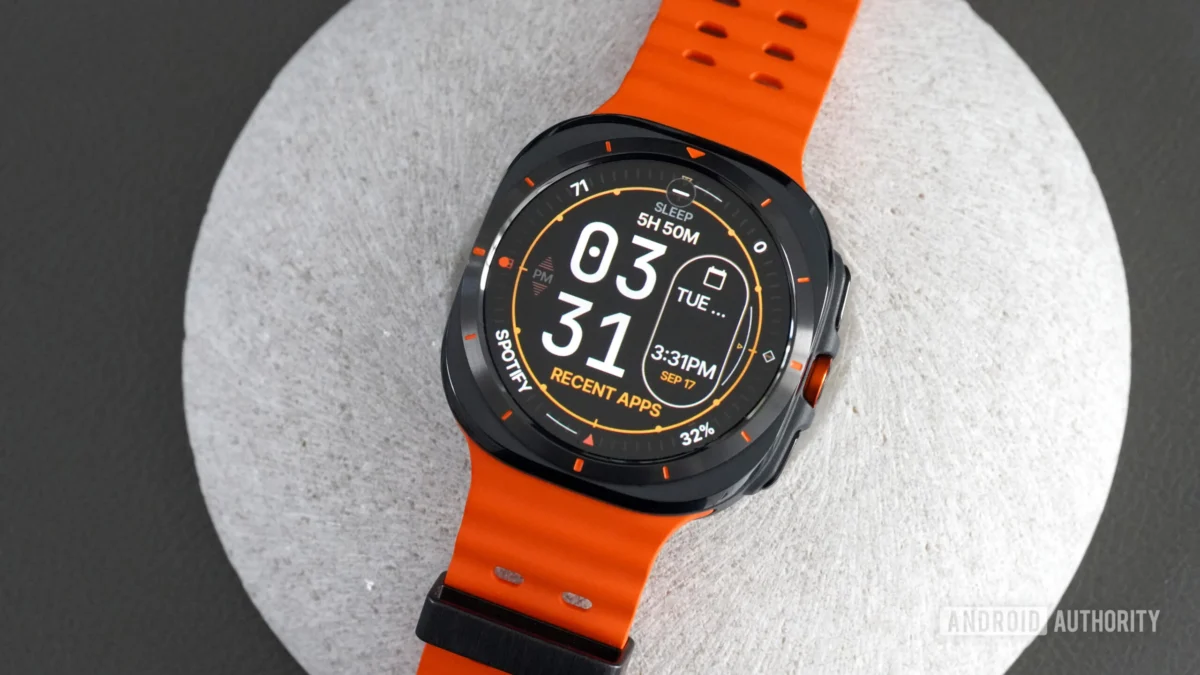
The wearable technology landscape is bracing for a significant shift as new details emerge regarding Samsung’s next generation of smartwatches. Recent leaks have provided a comprehensive, albeit unofficial, look at the upcoming Galaxy Watch 9 and the Galaxy Watch Ultra 2. As Samsung prepares to challenge the status quo in the fitness and productivity tracking market, these devices promise to blend aesthetic refinement with substantial performance upgrades.
Main Facts: What We Know About the Next Wave of Samsung Wearables
The most recent insights, attributed to well-known industry leaker "Galaxy Techie," suggest that Samsung is moving toward a design philosophy that balances the rugged durability of the Ultra series with the refined, classic styling that has defined the brand’s heritage.
Design and Aesthetic Shifts
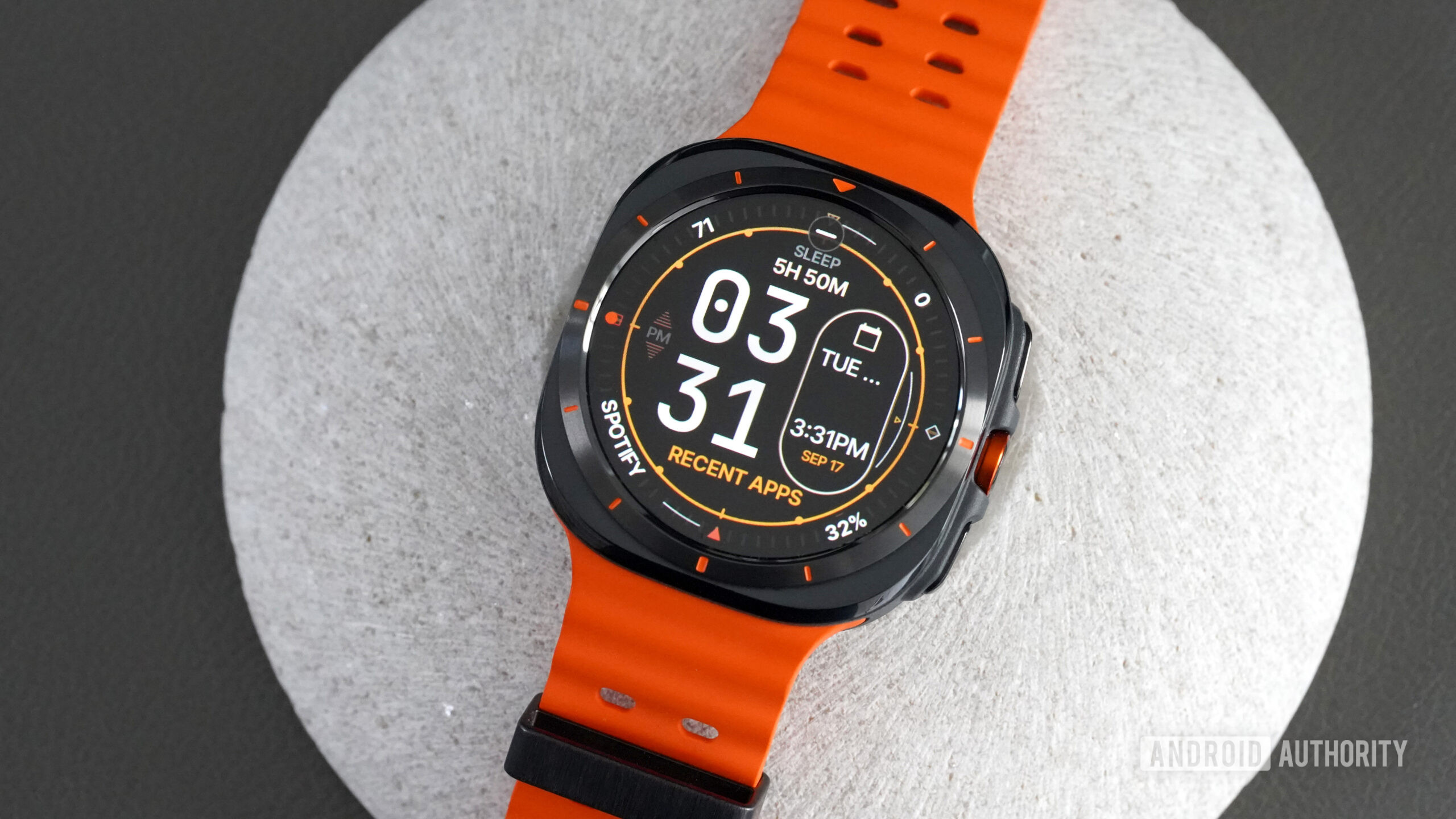
The Galaxy Watch Ultra 2 appears to be the center of attention. Reports indicate that the device will adopt a boxier aesthetic, moving away from the more rounded chassis of its predecessor. Perhaps most notably, the design seems to borrow heavily from the Galaxy Watch 8 Classic, specifically incorporating a numbered bezel. Whether this bezel functions as a physical rotating input—a fan-favorite feature—remains a point of intense speculation. However, the refinement of the side buttons and the addition of a distinct orange outline on the "Quick Button" suggest that Samsung is focusing on tactile feedback and functional flair.
Color Palettes and Customization
Samsung is expected to introduce a fresh suite of colorways to appeal to both professional and athletic demographics. Current leaks point toward:
- Black: Paired with a sophisticated bluish band.
- Silver: Paired with a crisp green band.
- Beige: A potential exclusive for the base Galaxy Watch 9 model.
These choices reflect a broader trend in the tech industry: moving away from monochromatic designs toward more expressive, lifestyle-oriented color schemes.
A Chronology of the Leak Cycle
The path to the anticipated July 22 Galaxy Unpacked event in London has been marked by a steady drip of information. Understanding the trajectory of these leaks provides context for the upcoming launch.
- Initial Regulatory Filings (Late Q2 2026): The first whispers of the Watch 9 and Ultra 2 appeared in global regulatory databases. These filings were instrumental in confirming that while battery capacities would see a boost, charging speeds would likely remain consistent with previous generations.
- The Snapdragon Announcement: Samsung’s official confirmation that their next-generation wearables will be powered by the Snapdragon Wear Elite SoC marked a major shift in their hardware strategy, moving away from their traditional in-house Exynos architecture to prioritize efficiency and performance.
- The "Galaxy Techie" Revelations (Mid-June 2026): A series of posts on X (formerly Twitter) provided the first concrete look at the software interface. The renders showcased a revamped app drawer, a new compass application, and a redesigned watch face selection interface, confirming that the hardware changes would be met with significant One UI Watch updates.
- The Current Status: With the July 22 date looming, the supply chain and leaker community have reached a fever pitch, with current focus shifting toward the final pricing structures and regional availability.
Supporting Data: The Technical Underpinnings
For power users, the most significant news lies in the internal specifications. Samsung is clearly listening to user complaints regarding battery anxiety, a common pain point for wearers of feature-rich smartwatches.
Battery Capacity Upgrades
The Galaxy Watch Ultra 2 is rumored to feature a substantial 784mAh battery. In the context of modern smartwatches, this is a massive capacity, potentially pushing the device toward a multi-day endurance profile even with heavy GPS and health tracking usage. The base Galaxy Watch 9 is expected to house a 382mAh battery, providing a healthy bump over previous iterations.
The Snapdragon Wear Elite Advantage
The shift to the Snapdragon Wear Elite SoC is perhaps the most important technical development. This chipset is designed specifically for high-performance wearables, promising better thermal management and lower power draw during background tasks. For users, this means that the "always-on" features, complex health metrics (like heart rate variability and blood oxygen monitoring), and GPS navigation should run smoother without causing the device to overheat or drain the battery prematurely.
Charging Constraints
Despite the larger batteries, regulatory filings have indicated that the charging protocol remains largely unchanged. While this might disappoint those hoping for a "Super Fast Charge" capability, it suggests that Samsung is prioritizing battery longevity and heat management during the charging cycle over raw speed.
Official Responses and Strategic Positioning
While Samsung maintains a strict "no comment" policy regarding unreleased products, the company’s recent public statements during their developer conferences provide a roadmap for the Watch 9 and Ultra 2. Samsung has consistently emphasized the "Intelligent Health" aspect of their ecosystem.
By integrating AI-driven health insights, the new watches are expected to leverage the processing power of the Snapdragon Wear Elite to provide real-time recovery metrics. Furthermore, by moving the Ultra line toward a more "Classic" design, Samsung is signaling that they no longer view the "Ultra" moniker as strictly for extreme athletes, but as a premium tier for anyone desiring a robust, high-end timepiece.
Implications: What This Means for the Consumer
The implications of these leaks are profound for both the existing Samsung user base and those considering a switch from competitors like Apple or Garmin.
The Death of the "Classic"?
The most somber news for enthusiasts is the potential fading of the dedicated "Classic" branding. As the Ultra line absorbs the design cues (the numbered bezel, the premium build) of the Classic series, it suggests that Samsung is consolidating its product tiers. For those who loved the rotating bezel and the classic aesthetic, the Ultra 2 may be the only path forward, likely at a higher price point.
The Ecosystem Play
The new watch faces and software renders suggest a tighter integration with the Galaxy phone ecosystem. With the new app drawer design, Samsung is clearly trying to reduce the friction of navigating a small screen. The "Complicationist" watch face—already teased in promotional imagery—highlights a commitment to dense, information-rich interfaces that cater to power users who want their health data, weather, and calendar events at a single glance.
Market Competition
By pushing the battery capacity to 784mAh, Samsung is directly challenging the long-battery-life leaders in the market. If the Watch Ultra 2 can deliver on its promise of sustained performance without compromising on the vivid, high-resolution AMOLED displays that Samsung is famous for, it could effectively bridge the gap between "smartwatch" and "adventure watch."
Conclusion: The Road to July 22
As the industry turns its eyes toward London, the picture of the Galaxy Watch 9 and Watch Ultra 2 is becoming increasingly clear. These are not merely iterative updates; they are a calculated pivot toward a more premium, high-performance future. By combining the power of the Snapdragon Wear Elite with a design language that honors the past while embracing the rugged needs of the present, Samsung is positioning itself to dominate the wearable conversation for the remainder of the year.
While we wait for the final word from the Unpacked stage, one thing is certain: the competition is on notice. Samsung is not just building a watch; they are refining the very concept of what a companion device on our wrist should be. Whether the rotation of the bezel makes a full return or the battery life finally hits the "multi-day" threshold that users have long demanded, the Galaxy Watch 9 and Ultra 2 are poised to be the most discussed wearables of 2026.

 Suro Senen
 Raul Delapena Setiawan