Dwi Wanna
By Maddie Fisher
Published: June 21, 2026, 4:30 PM EDT
Hideo Kojima’s Metal Gear series is renowned for its intricate narratives, philosophical depth, and unforgettable characters. While the stoic heroism of Solid Snake and his brethren forms the backbone of these acclaimed stealth-action titles, it’s the antagonists who truly elevate the franchise, transforming compelling espionage thrillers into epic sagas of conflict, ideology, and personal tragedy. From the grotesquely theatrical to the subtly manipulative, the villains of Metal Gear are not mere obstacles; they are complex, often deeply flawed individuals whose motivations and actions drive the narrative and challenge the very notion of heroism.
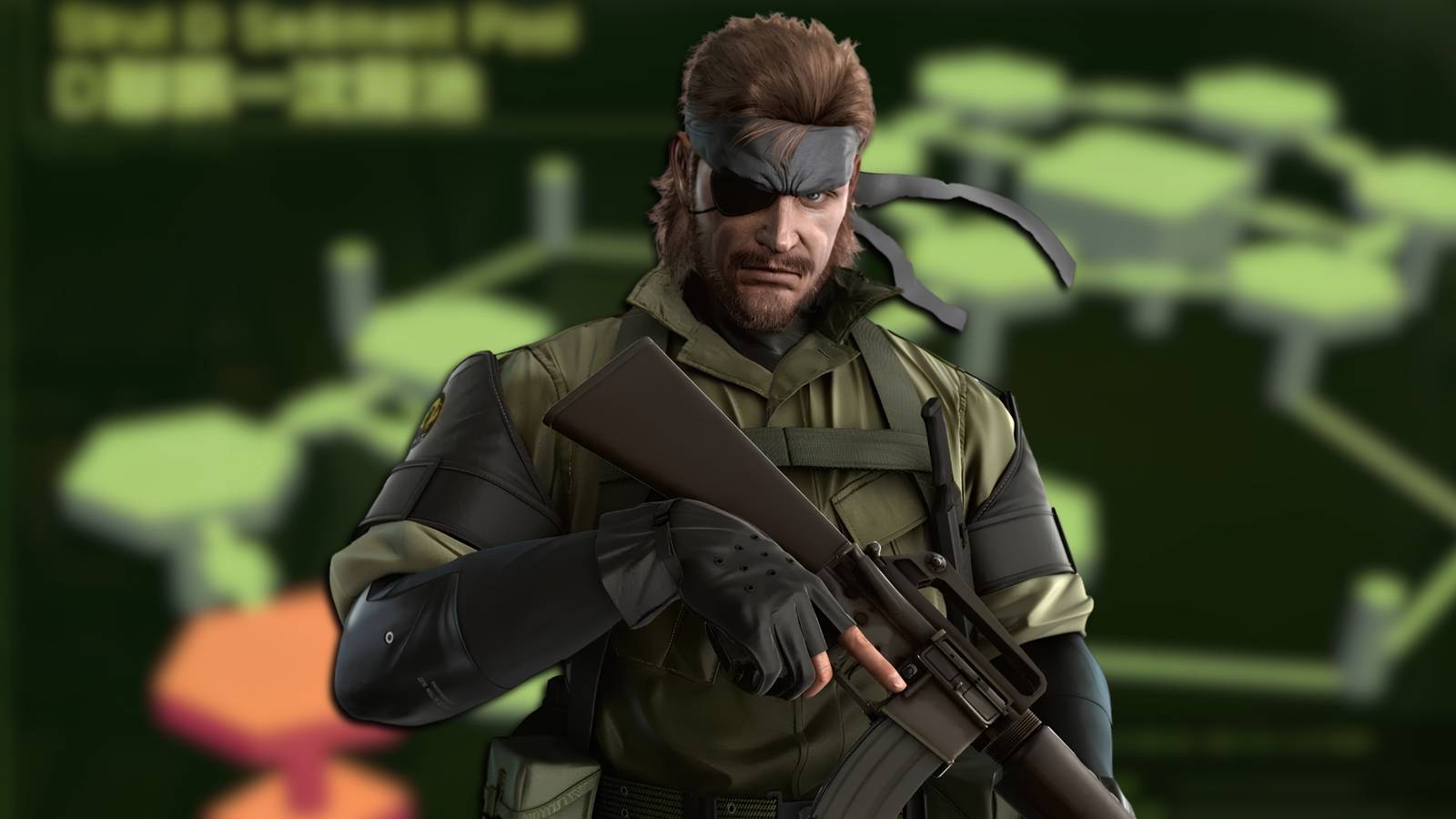
This rich tapestry of adversaries has been a hallmark of the Metal Gear franchise since its inception. Each installment, from the NES original to the sprawling open worlds of later entries, has introduced a fresh cohort of formidable and often theatrical villains. What truly sets them apart is their remarkable diversity. No two Metal Gear villains feel alike. Some are morally ambiguous figures wrestling with their own demons, while others are unrepentant monsters. Much like their heroic counterparts, these antagonists thrive on a potent blend of tragic backstories and an undeniable flair for the dramatic.
This article delves into the pantheon of Metal Gear’s most memorable villains, ranking them based on their impact, complexity, and sheer iconic status within the gaming landscape.
Colonel Volgin: The Tormented Tyrant
Kuwabara, Kuwabara

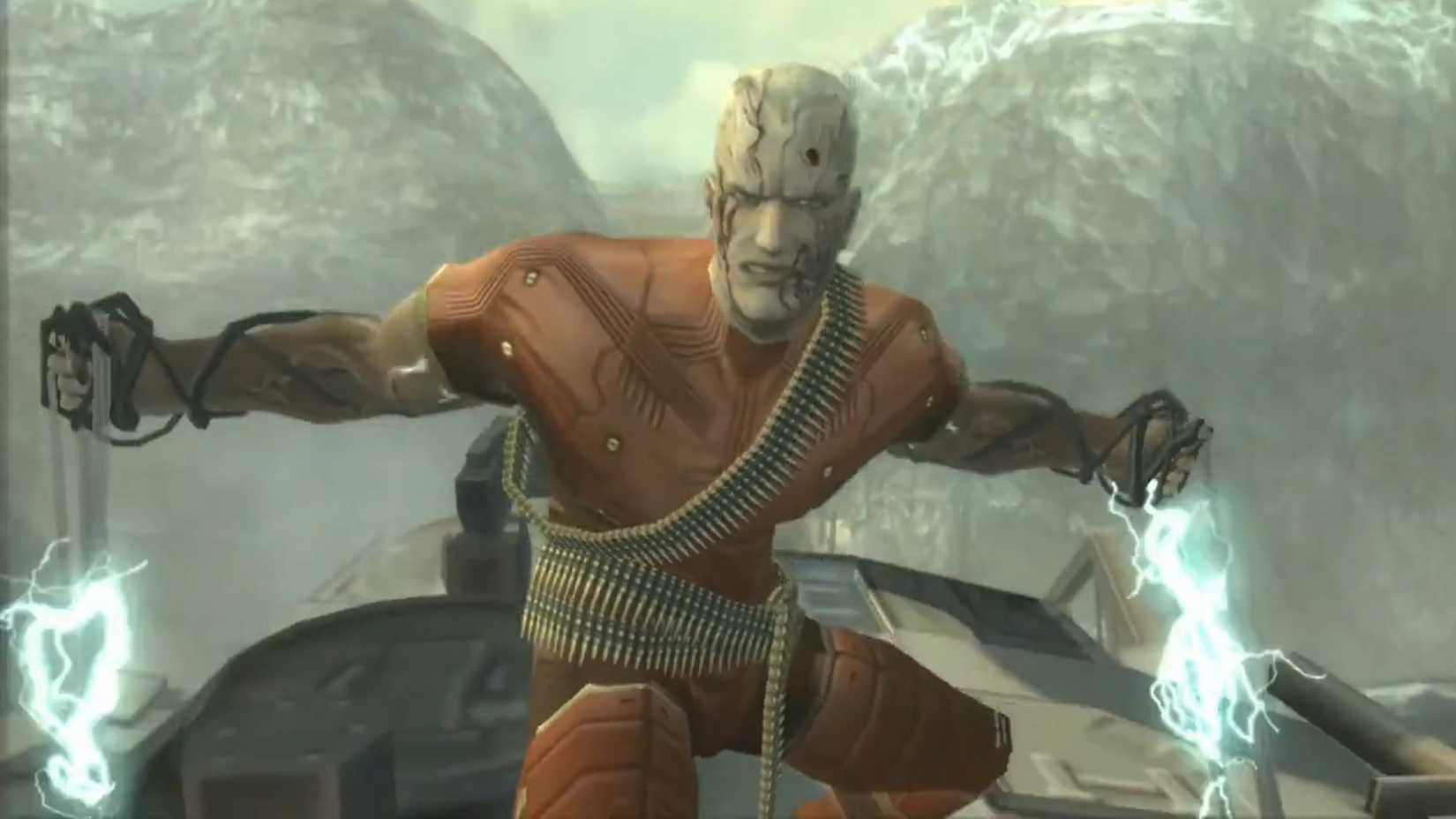
Kicking off our list is Colonel Volgin, a pivotal antagonist from Metal Gear Solid 3: Snake Eater. Volgin’s introduction is a masterclass in establishing immediate menace and a sense of otherworldly nastiness. His presence in the game is immediately palpable, a testament to Kojima’s direct storytelling approach in MGS3 and the powerful vocal performance that imbues him with a chilling aura.
Volgin is more than just a brute; he is a sadist who revels in his power, fueled by an almost pathological rage and a complete lack of empathy. His actions, driven by unfiltered hatred, escalate throughout the game, showcasing a disturbing capacity for cruelty. Yet, it’s his unpredictable, almost perverse charm that makes him one of MGS3’s most engaging figures. Players find themselves simultaneously disgusted by his violent exploits and morbidly fascinated by his dark machinations. Volgin’s character embodies the "straight-ahead" narrative style of MGS3, creating a fantastic debut moment for a villain who continues to embody malice and depravity with every subsequent appearance.
Vamp: The Enigmatic Antagonist
Part Villain, Part Diva
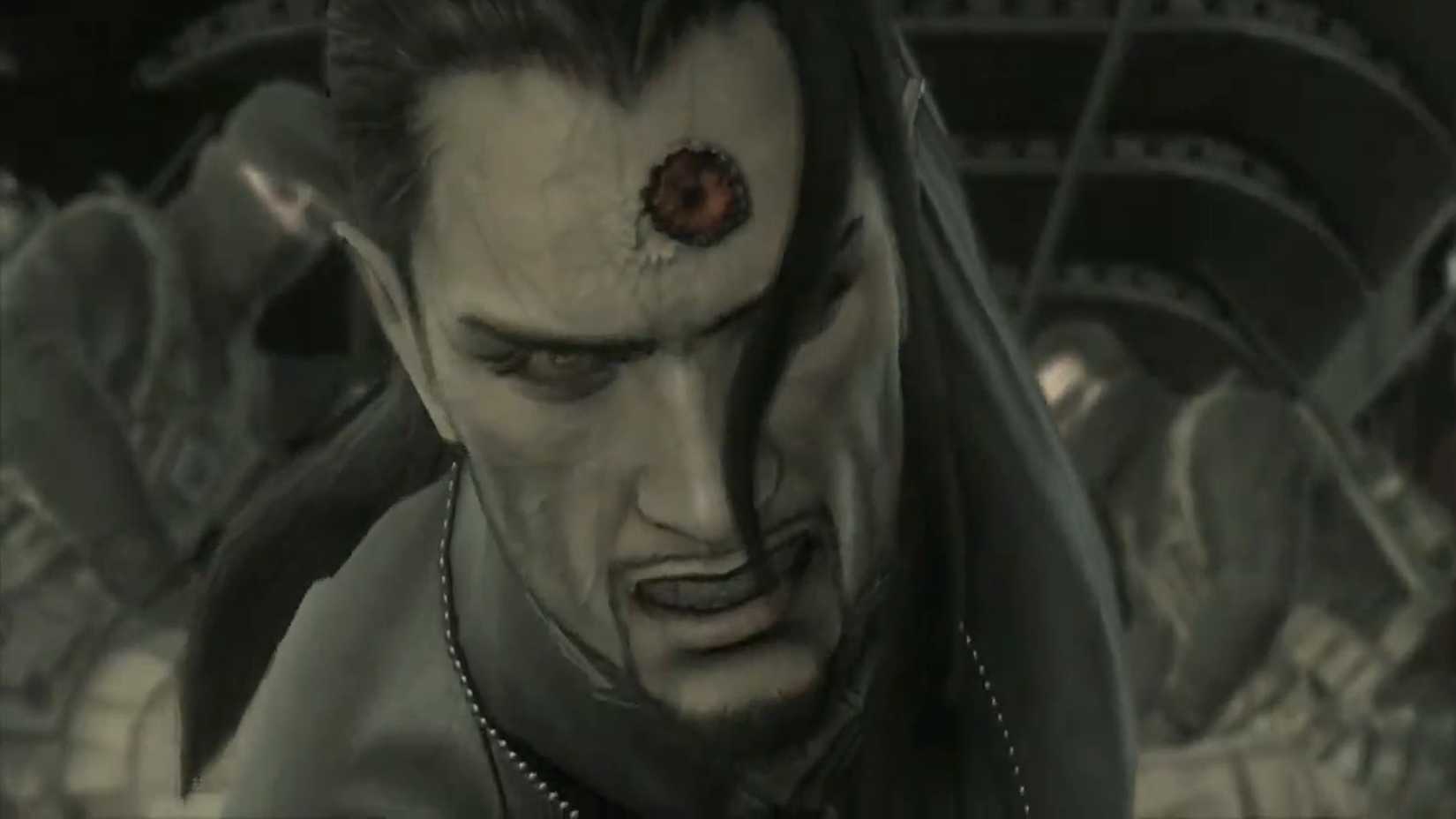
Few characters in the Metal Gear universe embody Hideo Kojima’s distinctive writing style as effectively as Vamp. First introduced in Metal Gear Solid 2: Sons of Liberty, Vamp is a fascinating amalgam of horror, philosophical musings, and an icy, captivating vocal performance. He feels like a classic Kojima archetype: a flashy fusion of gothic horror tropes with advanced, science-fiction weaponry.
His role in Metal Gear Solid 4: Guns of the Patriots is particularly outstanding, cementing him as one of that game’s most memorable characters. Vamp’s ongoing, intense rivalry with Raiden is one of the most compelling conflicts in the franchise. He possesses an almost otherworldly presence, feeling as though he was transplanted from another dimension into the Metal Gear universe, yet his integration is handled with a surreal authenticity that is the hallmark of this unique series. Vamp’s apparent immortality and his almost theatrical approach to combat make him a formidable and unforgettable foe.
Jim Houseman: The Shadowy Architect
Evil Grandpa
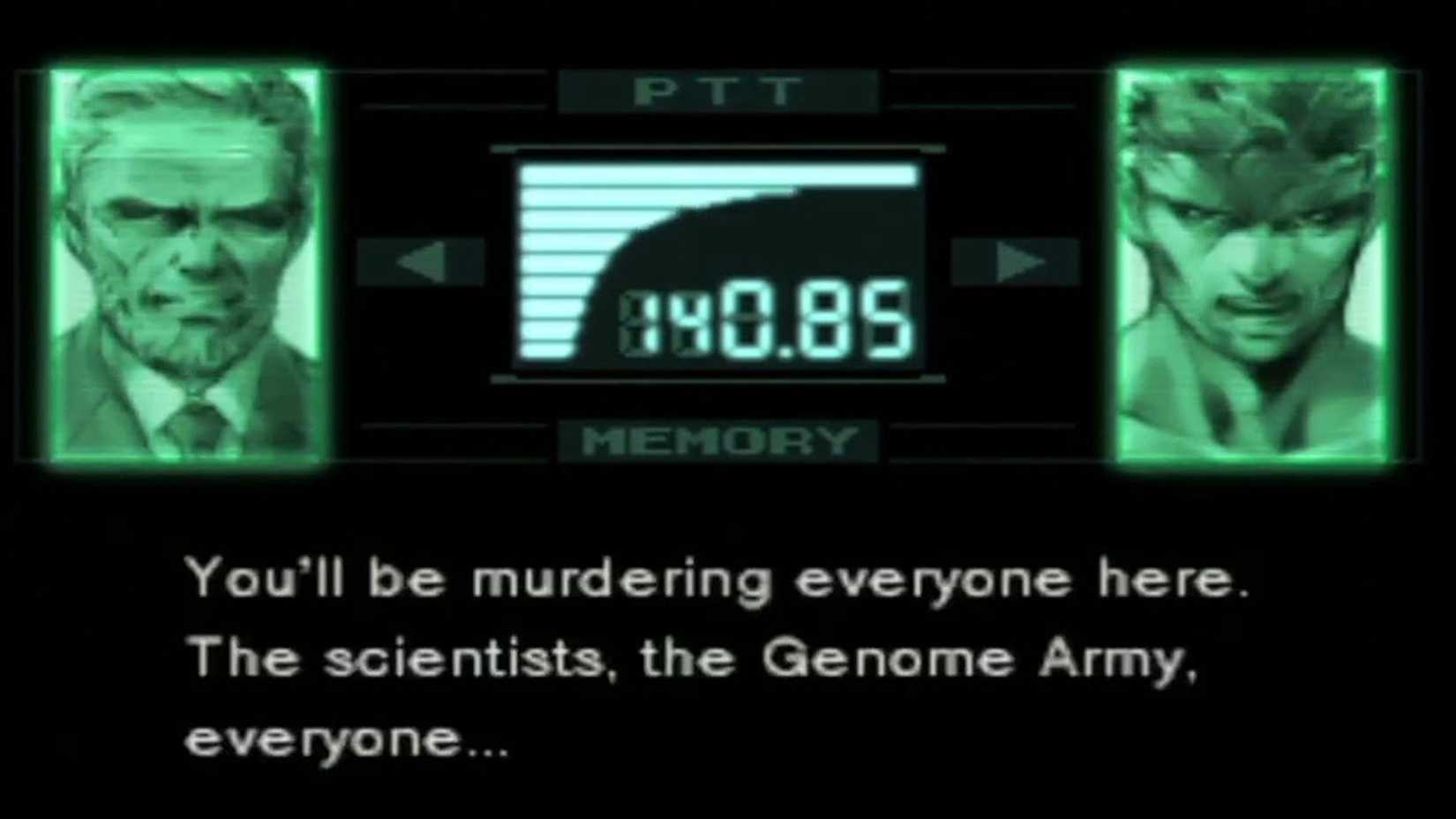
While not a direct combatant in the traditional sense, Jim Houseman holds a unique place among Metal Gear villains for his subtle yet significant influence. His role in the original Metal Gear Solid is a prime example of Metal Gear’s penchant for the absurdly dramatic, culminating in a rather anticlimactic conclusion involving aging soldiers arguing over a codec. Houseman appears briefly at the end of MGS1, delivering crucial information before being arrested and blamed for the Shadow Moses incident.
However, his true impact lies in the seeds he plants for the overarching narrative of the series, particularly regarding the enigmatic Patriots. Houseman’s character feels like an understated harbinger of the clandestine group’s future machinations. His disdain for both Solid Snake and Liquid Snake is palpable and entertaining, making him a standout figure despite his limited screen time. A potential remake of MGS1 could greatly benefit from expanding Houseman’s presence, further fleshing out his darker, more influential side and solidifying his role as an early architect of the series’ complex political landscape.
Psycho Mantis: The Mind Reader
The Most Powerful Practitioner of Telepathy in the World
Metal Gear villains are often born from tragedy and manipulated by more powerful forces. While purely evil antagonists exist, the franchise frequently explores fallen figures whose paths intersect with the hero’s by fate. Psycho Mantis is a prime example of such an antagonist, originating from Metal Gear Solid. His haunting past, as the sole survivor of a village he himself incinerated due to adult rejection, paints him as a deeply sympathetic figure.
Mantis’s turn to violence is a direct reaction to the profound trauma he endured. He stands out among the bosses of MGS1 for his complex emotional arc. Initially intent on killing Snake, he later expresses gratitude for being freed, only to ultimately revile him. This internal conflict, coupled with his reality-bending telepathic abilities, makes him one of Metal Gear’s most unique and psychologically impactful villains. His boss fight itself is legendary for its meta-textual elements, forcing players to engage with the game on a level beyond typical gameplay mechanics.
Fortune: The Lady Luck of Tragedy
Today is Another Bad Day
The rogues’ gallery of Metal Gear Solid 2: Sons of Liberty is a collection of exceptionally dramatic figures. Amidst a cast featuring a sadistically suave pseudo-vampire and an explosives-obsessed killer, Fortune emerges as arguably the most compelling. Secretly equipped with an electromagnetic device that deflects bullets and explosives, she initially appears as another pawn manipulated by the enigmatic Patriots.
However, in her climactic moments, betrayed by those she trusted, Fortune discovers her true strength and agency. This pivotal twist transforms her into one of the game’s most enjoyable characters. The entire ending sequence, with Fortune atop Metal Gear RAY, is a breathtaking display of her newfound power and resilience. She undeniably earns her place as one of the franchise’s most complex and memorable antagonists, a testament to the narrative depth that Kojima consistently brings to his villains.
Sniper Wolf: The Tragic Mercenary
No One Gets Between a Wolf and Her Prey
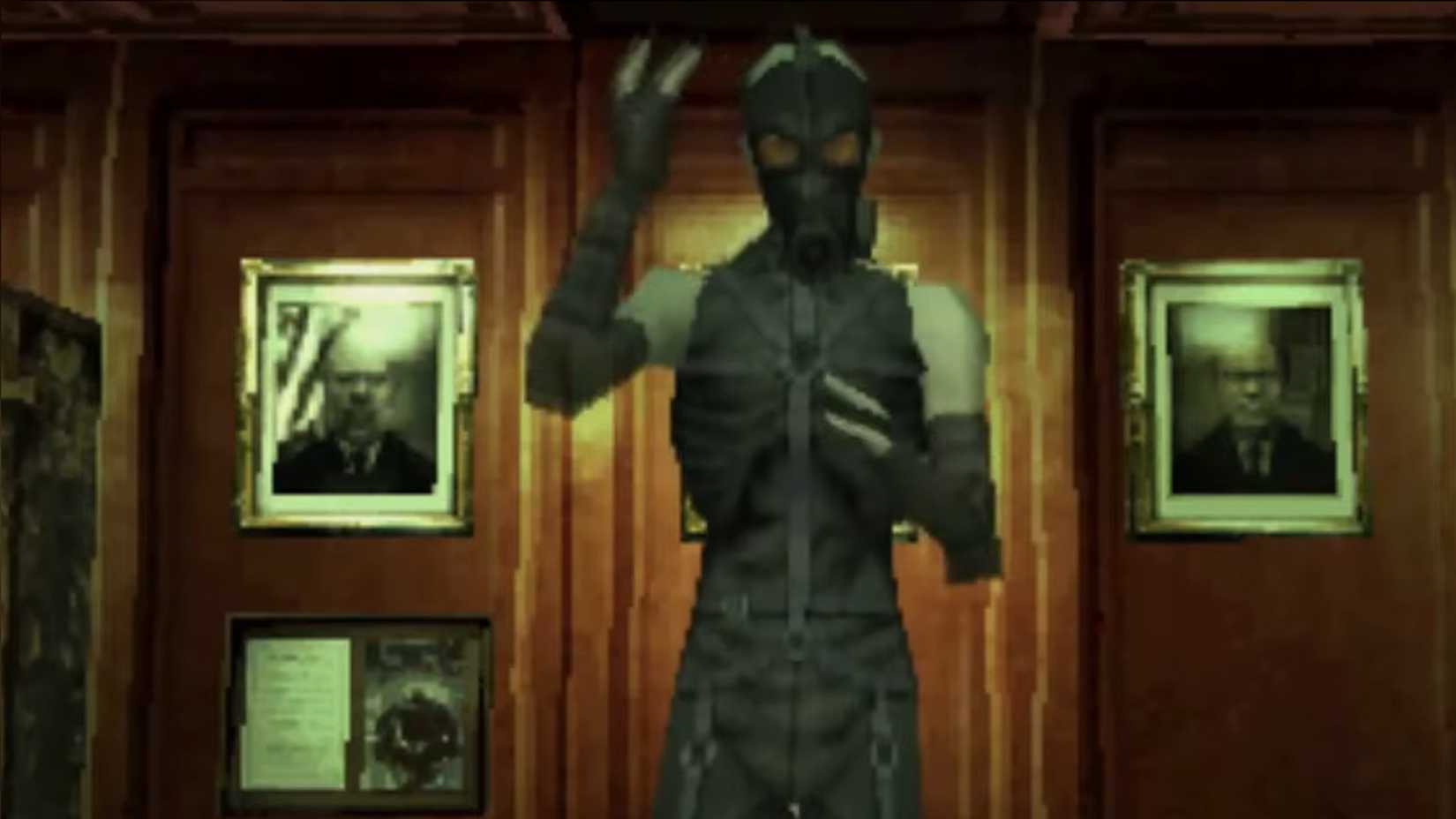
Sniper Wolf’s impact on Metal Gear Solid is astonishingly potent, despite her limited overall screen time. Her presence is felt throughout the entire game, beginning with her initial appearance as a faceless sniper, delivering a brutal shot to Meryl that significantly alters Snake’s objective and journey. The prospect of engaging in a sniper battle within a 3D game world was revolutionary for its time, and Sniper Wolf was the embodiment of that thrilling challenge.
Beyond her formidable combat prowess, Sniper Wolf is a contender for one of the best characters in the entire Metal Gear franchise. Her transformation from a ruthless mercenary into a tragic figure, merely following orders, is masterfully executed. The poignant scene where she reveals her horrific past to Snake is one of the most emotionally resonant moments in the series, showcasing a depth of character that elevates her beyond a simple boss encounter. She represents the often-unseen human cost of warfare, a theme that resonates deeply throughout Metal Gear.
Revolver Ocelot: The Ever-Shifting Agent
He’s Pretty Good
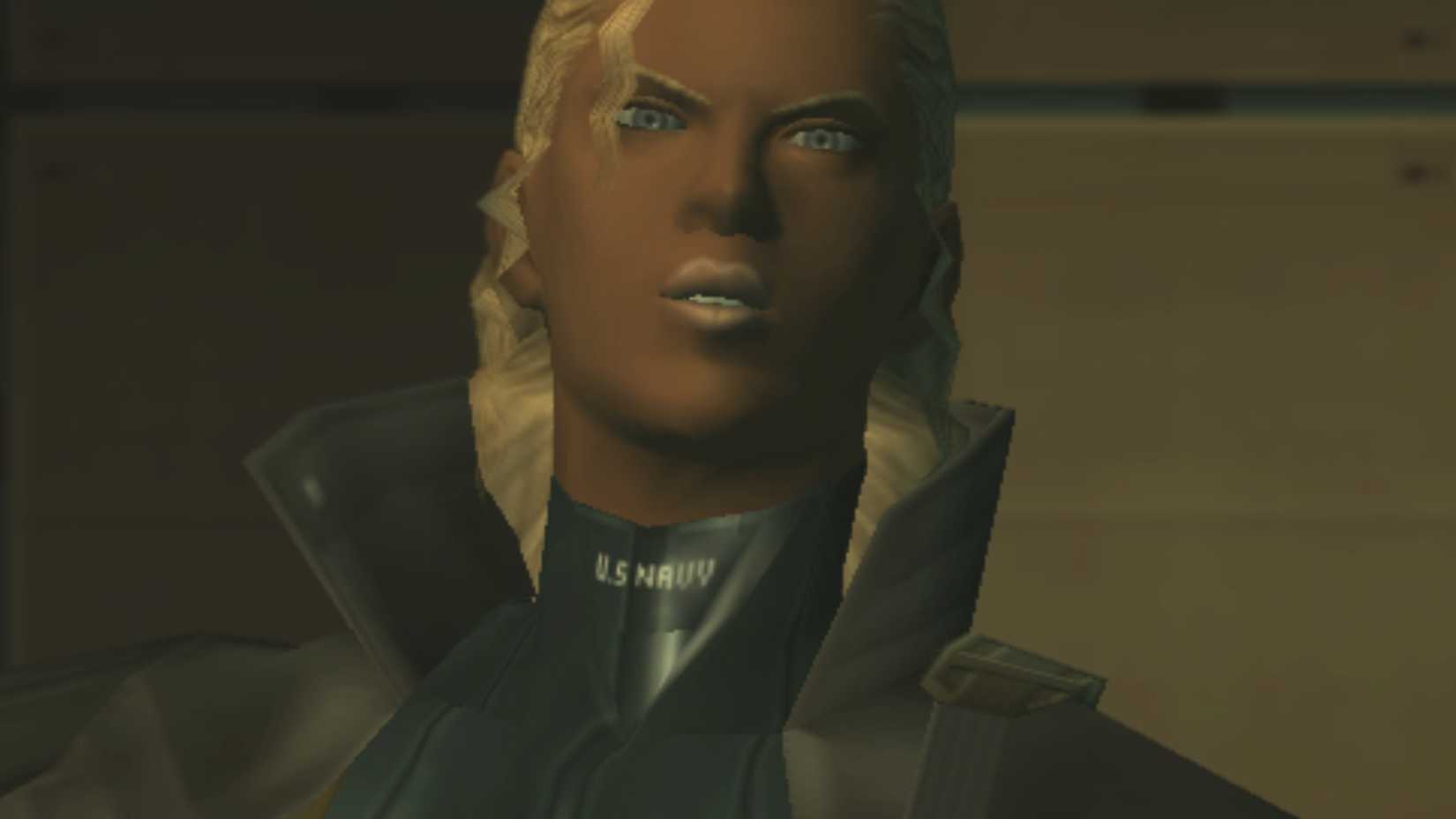
Revolver Ocelot stands as one of the most dynamic and duplicitous characters in video game history. This slippery operative, often a double or even triple agent, is an indelible part of the Metal Gear villain lineup. His initial appearance in Metal Gear Solid would have been enough to cement his legacy, but his evolution across subsequent titles—from Metal Gear Solid 2 through to The Phantom Pain—has solidified his iconic status.
While initially presented as a straightforward antagonist playing both sides, games like Metal Gear Solid 3: Snake Eater and The Phantom Pain added significant layers to his character. His youthful iteration in Snake Eater is particularly fascinating, showcasing him as a brash upstart whose journey to becoming a figure with immense influence on global events is one of the most entertaining villain arcs ever conceived. Ocelot’s blend of cunning, charm, and unwavering loyalty to his own complex agenda makes him a perpetual wildcard and a fan favorite.
Big Boss: The Fallen Hero
The Greatest Warrior of the 20th Century
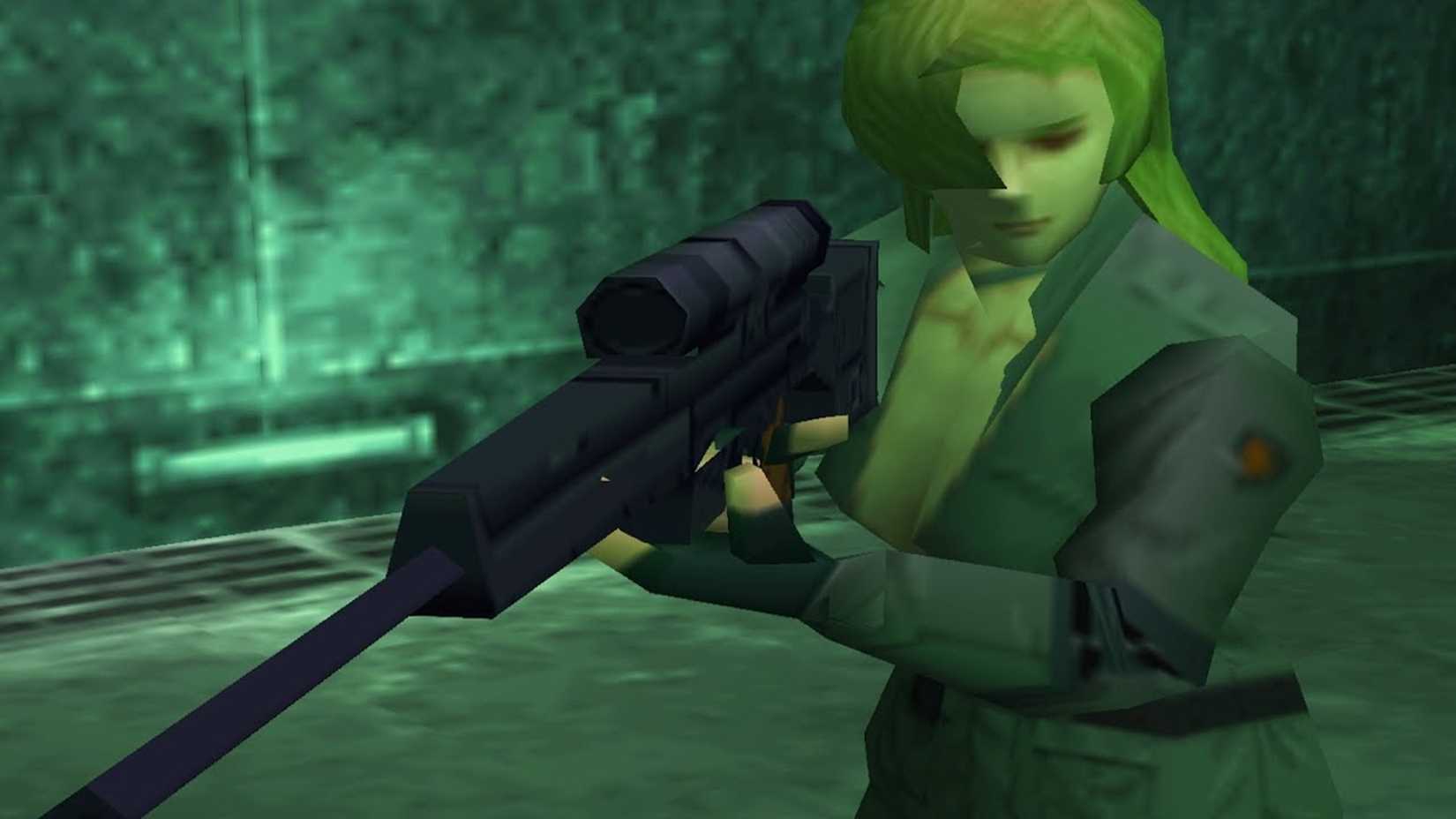
For some villains, their descent into villainy is a consequence of external forces or tragedy. For others, it’s a conscious choice, a belief that their moral compromise is justified. Big Boss embodies the latter, his descent into darkness forming a significant portion of the Metal Gear saga across multiple console generations. The downfall of a celebrated war hero into one of the most nefarious figures in the game’s fictional history is a narrative of epic proportions.
Despite his initially noble intentions, witnessing Big Boss’s gradual transformation from a proud soldier into an irredeemable monster was a profoundly impactful experience for many players. This slow, painful unraveling was precisely Kojima’s intention, creating moments that were difficult to watch but undeniably compelling. His story explores the corrupting influence of war, the burden of leadership, and the blurred lines between heroism and villainy, making him one of the most complex and tragic figures in gaming.
Liquid Snake: The Jealous Twin
Never Be Game Over
Liquid Snake, the twin brother of Solid Snake, occupies a special place in the hearts of many Metal Gear fans, particularly those who experienced Metal Gear Solid 1 during their formative years. The shared experience of playing through the game, passing the controller back and forth, forged a deep fascination with Liquid’s character. His outlandish personality, coupled with his delightfully evil supervillain monologues, made him an instant classic.
Liquid’s motivations stem from deep-seated insecurities and a burning jealousy of his twin brother, Solid Snake. This petty rivalry, set against a backdrop of bipedal nuclear tanks and psychic powers, paradoxically made him feel remarkably real. While his direct role diminished in later games, Liquid’s influence and memorable presence continue to resonate. Whether it’s his distinctive accent, his sharp fashion sense, or his sheer megalomania, Liquid Snake remains one of the franchise’s most enjoyable and impactful antagonists.
The Boss: The Ultimate Sacrifice
Loyalty to the End
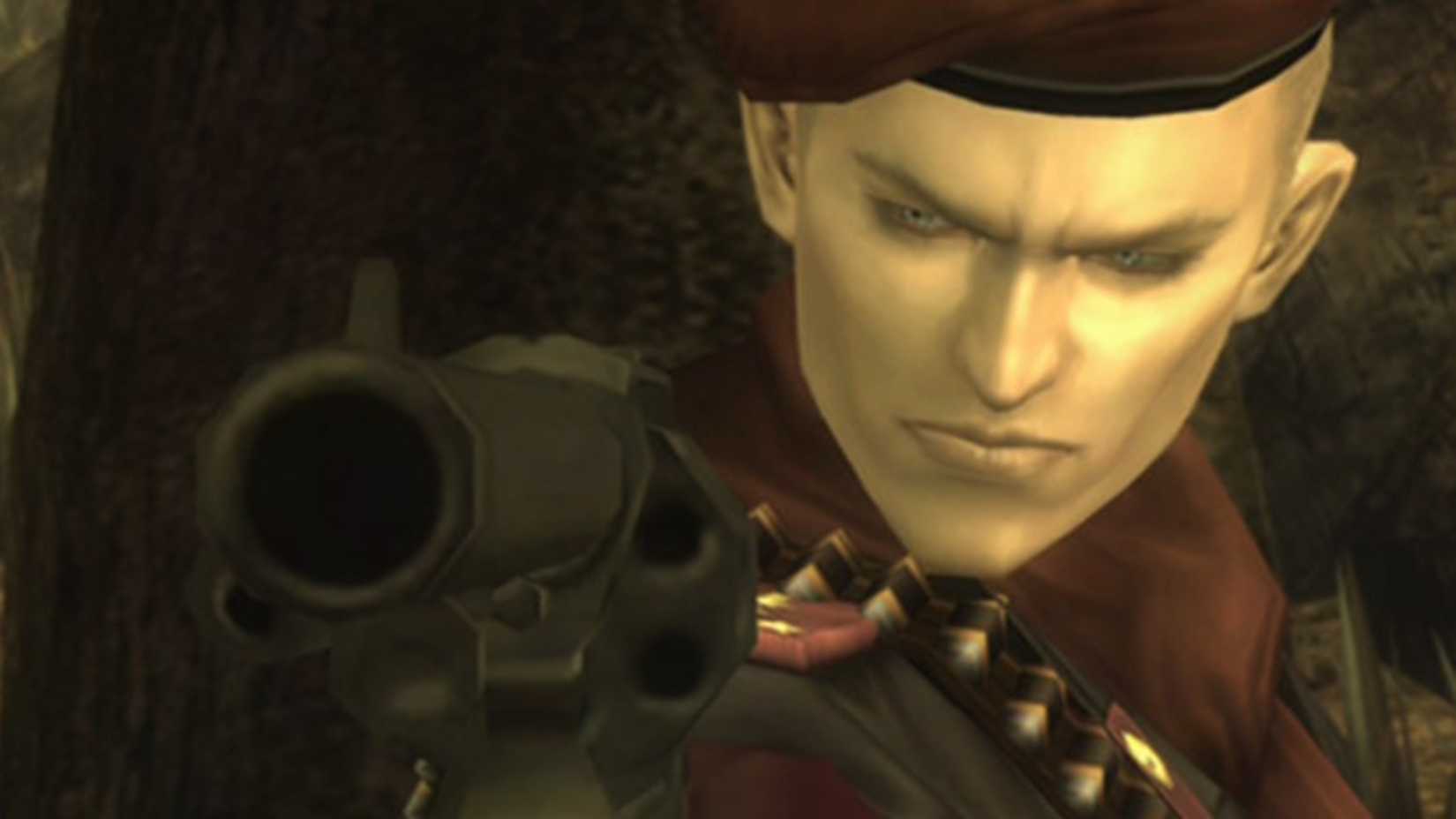
The anticipation surrounding Metal Gear Solid 3: Snake Eater was immense, and Hideo Kojima’s vision for this prequel exceeded all expectations. The Boss, a legendary figure and mentor to Naked Snake, is arguably the most heartbreakingly sad villain—or rather, tragic antagonist—ever conceived in any medium. Her character, brought to life by Lori Alan’s impeccable performance, is a masterclass in moral complexity and profound sacrifice.
The best villains are those who believe they are the hero of their own story, acting abhorrently for what they perceive as a greater good. The Boss embodies this perfectly. Her fall from grace, from a wise and trusted mentor to a perceived diabolical schemer, is a legendary narrative arc. Her story is a poignant exploration of loyalty, patriotism, and the true meaning of sacrifice in the face of overwhelming political pressure. She represents the ultimate paradox: a figure forced into the role of an antagonist for the sake of peace, making her the most impactful and thematically rich character in the entire Metal Gear saga.


 Lina Irawan
 Sagoh
Sagoh