Asep Darmawan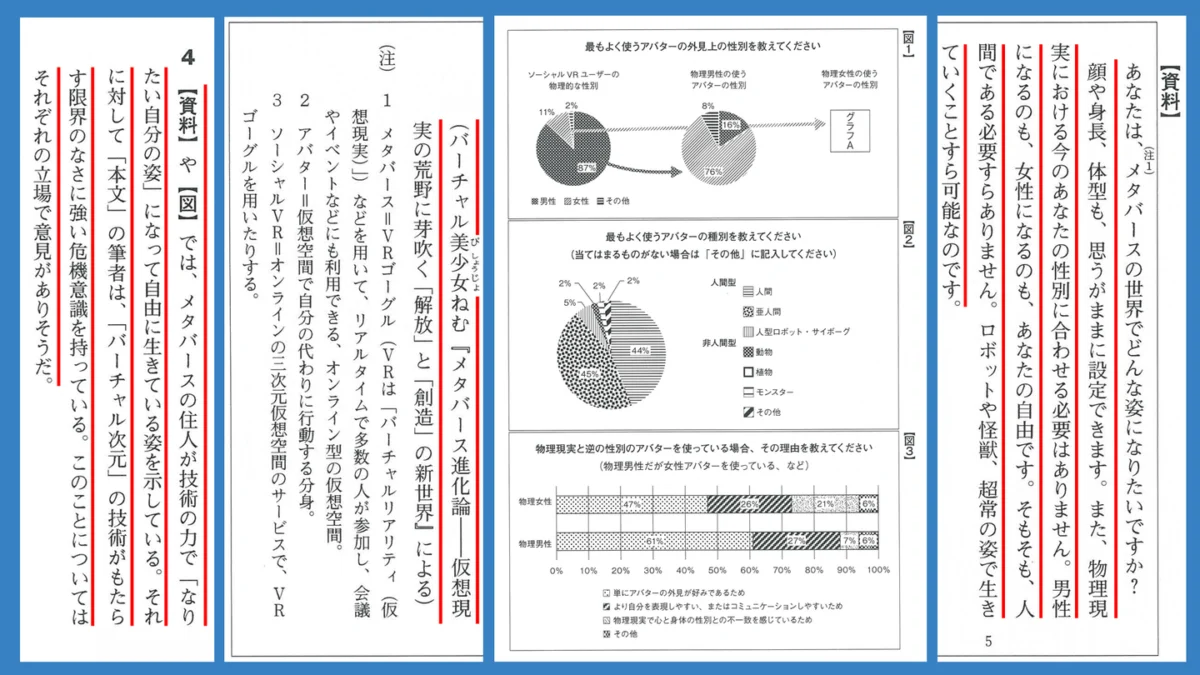
The landscape of digital entertainment has undergone a seismic shift over the past several years, driven by the meteoric rise of Virtual YouTubers (VTubers). What began as a niche subculture centered in Japan has evolved into a global phenomenon, commanding millions of viewers and generating significant revenue through sponsorships, merchandise, and digital events. Central to this transformation is the professionalization of the industry, where virtual avatars are no longer just hobbyist projects but sophisticated, high-production media properties.
The Evolution of the VTuber Industry: From Niche to Mainstream
The concept of the VTuber—a content creator who uses a digital, motion-captured avatar instead of their physical likeness—has shattered traditional barriers in the streaming world. By leveraging advanced motion-capture technology and high-fidelity 3D modeling (such as the industry-standard VRM format), creators can inhabit fantastical personas that transcend physical limitations.
As of 2024, the industry has reached a critical juncture. The "Virtual Talent" model has moved beyond simple gaming streams to encompass music production, live concert performances, and high-level corporate brand partnerships. This growth is evidenced by the influx of capital from major entertainment conglomerates and the establishment of dedicated talent management agencies that treat virtual streamers with the same rigor as traditional pop idols or celebrities.
Chronology of Development: A Timeline of Virtual Integration
The journey of the virtual performer is marked by key milestones that highlight the rapid adoption of this medium:
- 2022: The Standardization of Technology: The widespread adoption of VRM (Virtual Reality Modeling) file formats allowed for greater interoperability across platforms, making it easier for creators to move their avatars between different streaming software and VR environments.
- 2023: Corporate Convergence: Major tech and entertainment firms officially began integrating VTubers into their marketing strategies. This year saw the "Virtual Talent" model recognized as a legitimate advertising vehicle for national brands in Japan and beyond.
- 2024: Cross-Platform Expansion: The industry has moved from platforms like YouTube and Twitch to include integrated metaverse experiences, interactive digital concerts, and localized regional broadcasting.
This progression suggests that the VTuber model is not a passing trend but a structural change in how media is consumed and produced. The ability to maintain an "always-on" persona, combined with the anonymity and creative freedom provided by an avatar, offers a unique value proposition that traditional influencers cannot replicate.

Supporting Data: The Economics of Virtual Influence
The economic impact of the VTuber industry is profound. Current market analysis indicates that top-tier VTuber agencies now manage talent rosters that generate substantial revenue streams, often rivaling traditional entertainment agencies.
- Revenue Diversification: Modern VTuber success is built on a multi-pronged revenue model. This includes "Super Chats" (direct audience donations), lucrative corporate sponsorship deals, physical merchandise, and digital asset sales (such as voice packs and custom avatar skins).
- Audience Engagement: Statistical data shows that VTuber fans are among the most dedicated demographics in the entertainment industry. Their propensity for direct financial support via platform-native tipping systems creates a more stable, albeit smaller, revenue base compared to the volatile ad-revenue models of traditional media.
- Scalability: Because a VTuber’s "brand" is tied to a digital asset, the potential for intellectual property (IP) licensing is immense. Agencies can license avatars for mobile games, television appearances, and commercial spots without the logistical constraints of hiring a physical actor.
Official Perspectives and Professional Standards
The professionalization of the industry has brought with it a necessary focus on ethics and labor standards. Leading agencies, such as those discussed in recent industry reports, are now prioritizing the mental and physical well-being of their performers. This includes providing high-end production support, legal guidance, and clear contractual frameworks that protect the performer’s creative rights.
Industry experts emphasize that the future of the VTuber industry lies in the balance between the "fantasy" of the character and the "reality" of the human behind the screen. When agencies respect this boundary, they create a sustainable career path for talent. Conversely, the market has shown that fans are quick to reject brands that treat virtual talent as mere disposable assets. Transparency in operations, as highlighted in recent corporate white papers, is now viewed as a competitive advantage.
Implications for the Future of Digital Media
The rise of the VTuber poses significant questions for the future of the entertainment industry at large.
The Democratization of Performance
Virtual avatars allow for the democratization of celebrity. A performer’s success is no longer tied to their physical appearance, age, or location, but to their charisma, voice, and ability to entertain. This shift is likely to disrupt traditional talent scouting methods and open the door for a more diverse array of voices to reach global audiences.

The Integration of AI and Real-time Rendering
As AI technologies advance, the "Virtual Talent" model will likely incorporate real-time, AI-driven facial and body expressions, reducing the burden on human performers. This could lead to a hybrid model where a performer provides the voice and personality, while AI assists in the physical animation, allowing for even more complex performances in real-time.
Global Cultural Export
Just as anime and manga exported Japanese culture to the world, the VTuber industry is serving as a new vehicle for cultural exchange. The ability to perform in multiple languages simultaneously through real-time translation tools makes virtual talent uniquely positioned to become the first truly "borderless" celebrities.
Conclusion
The evolution of the VTuber from a niche creative experiment to a pillar of modern digital media is a testament to the power of technological innovation. By blending the emotional connection of human performance with the limitless creative potential of digital avatars, the industry has unlocked a new dimension of storytelling.
As we look toward the remainder of 2024 and beyond, the focus will undoubtedly shift toward sustainability, technological refinement, and the integration of these virtual entities into the broader global media ecosystem. Whether as corporate spokespeople, musical artists, or interactive streamers, VTubers have firmly cemented their place in the future of entertainment. For investors, creators, and fans alike, the message is clear: the virtual age is no longer on the horizon—it is here, and it is here to stay.

 Reynand Wu