Dwi Wanna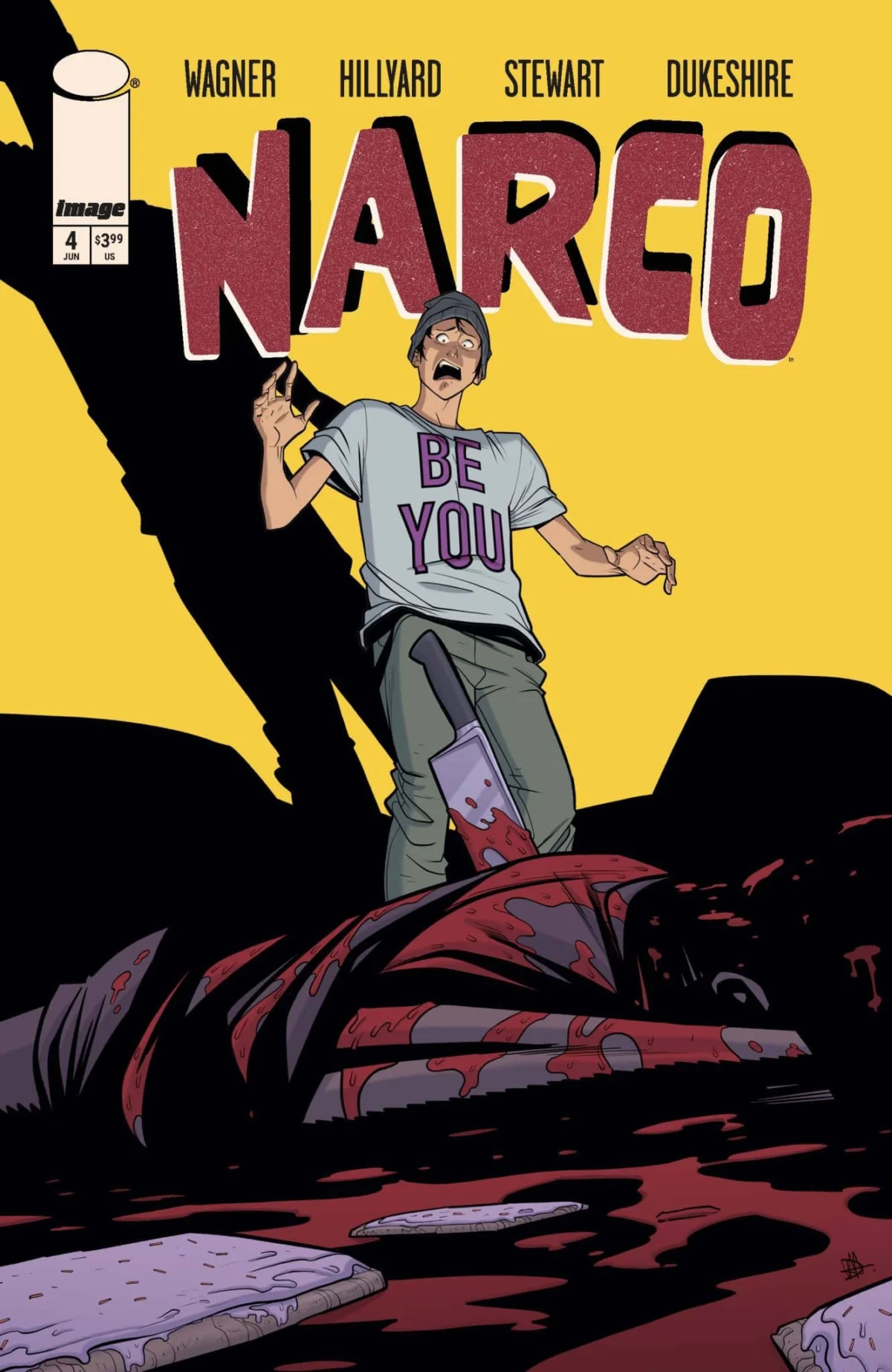
By the Graphic Policy Editorial Team
June 22, 2026
The landscape of modern noir storytelling is a crowded field, but few titles have managed to capture the frantic, claustrophobic anxiety of being falsely accused quite like Narco. As the series reaches its fourth installment, the narrative tension—masterfully orchestrated by writer Doug Wagner and brought to visceral life by artist Daniel Hillyard—has reached a fever pitch. In Narco #4, protagonist Marcus finds himself not only physically hunted but psychologically isolated, navigating a labyrinth of betrayal where the primary question is no longer "who did it," but "who will believe me?"
Main Facts: The Anatomy of a Breakdown
In the latest issue of Narco, the plot shifts from a standard investigative mystery into a harrowing study of social and institutional isolation. Marcus, the series’ central figure, has systematically pushed away his allies and support network, leaving him untethered in a world that is actively conspiring against him.
The central conflict of this issue revolves around the mounting pressure of a murder investigation in which Marcus has become the primary suspect. The evidence, while circumstantial, is damning enough to turn his community—and potentially the law—against him. However, the narrative beats suggest that Marcus has identified the true perpetrator. The challenge, therefore, is existential: How does a man, already labeled a pariah, convince a hostile world that the actual killer is still at large?
Wagner’s script excels here by focusing on the "us versus them" dynamic. By forcing Marcus into a corner, the creative team explores the fragility of reputation and the ease with which an individual can be erased by a false narrative.
A Chronology of Chaos: The Path to Issue #4
To understand the stakes of the fourth issue, one must look back at the trajectory of the series thus far.

- Issues #1-2: The inciting incident. Marcus is introduced as a character operating on the fringes of societal norms. The mystery is established through a series of rapid-fire events that leave Marcus vulnerable to exploitation.
- Issue #3: The "Point of No Return." Marcus suffers a series of personal losses that cause him to lash out at those trying to help him. His paranoia, while arguably justified, becomes his greatest weakness.
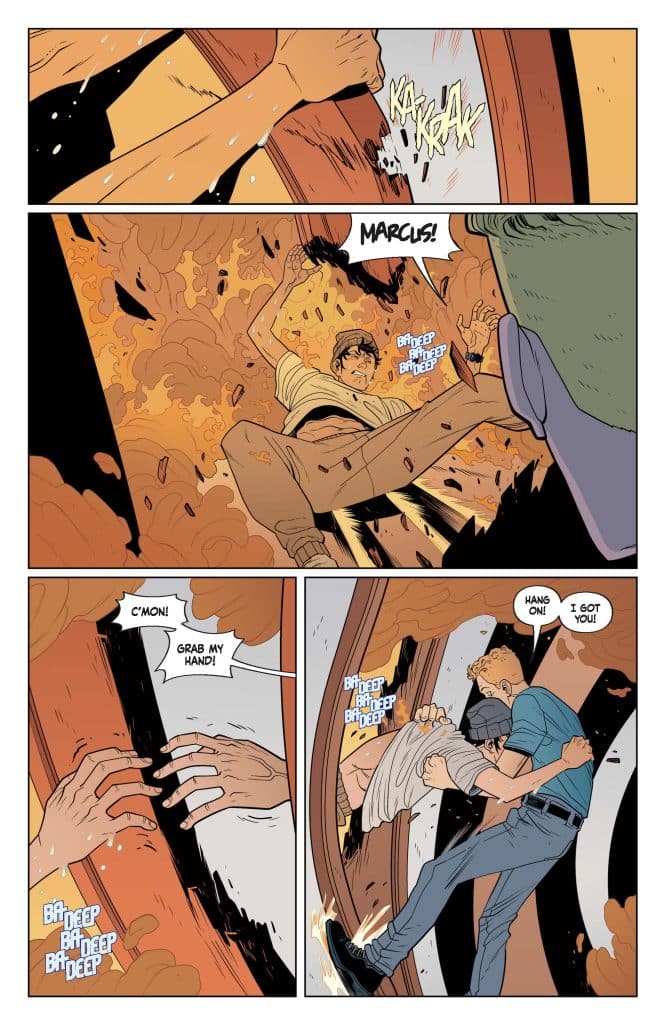
- Issue #4 (The Current State): The narrative shifts from reactive to proactive. The preview pages released by the publisher reveal a series of high-stakes sequences—explosions, narrow escapes, and frantic dialogues—that indicate a shift in tone. The calm, brooding mystery of the first three issues has given way to an action-heavy, survival-oriented thriller.
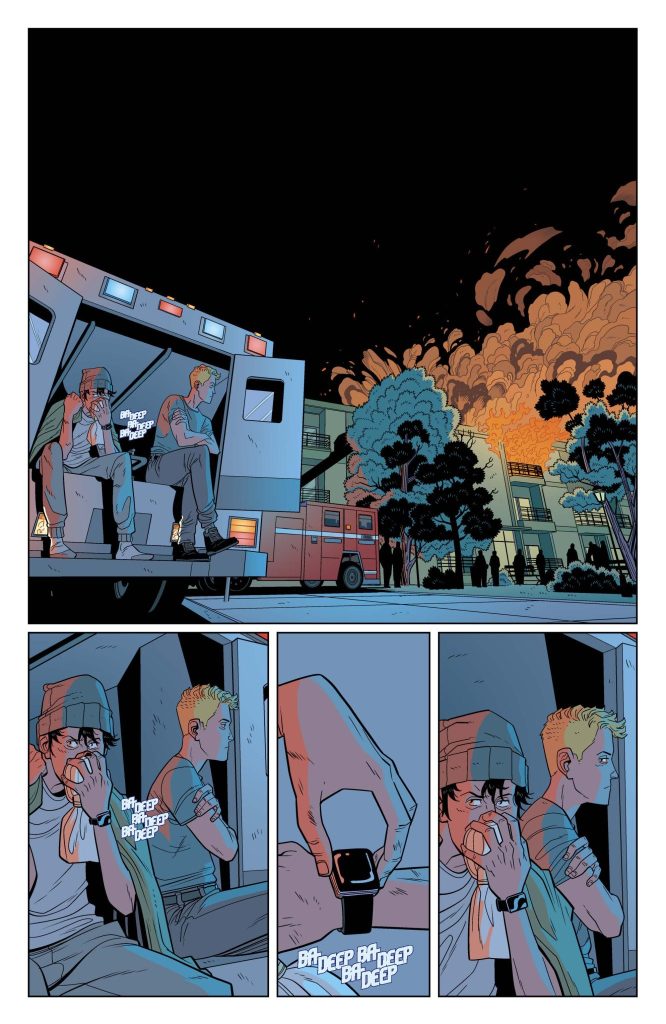
The pacing of this issue, as evidenced by the provided artwork, suggests a "ticking clock" scenario. The visual cues—a beeping watch, smoke billowing from a nearby structure, and the desperate expressions of the characters—all point toward a narrative that is no longer concerned with the slow burn of investigation, but the immediate necessity of survival.
Supporting Data: Artistic Intent and Visual Language
Daniel Hillyard’s contribution to the series cannot be overstated. In Narco #4, his use of lighting and perspective is instrumental in conveying Marcus’s mental state. The panels depicting the fire and the subsequent chaos are rendered with a frenetic energy that mirrors the protagonist’s internal turmoil.
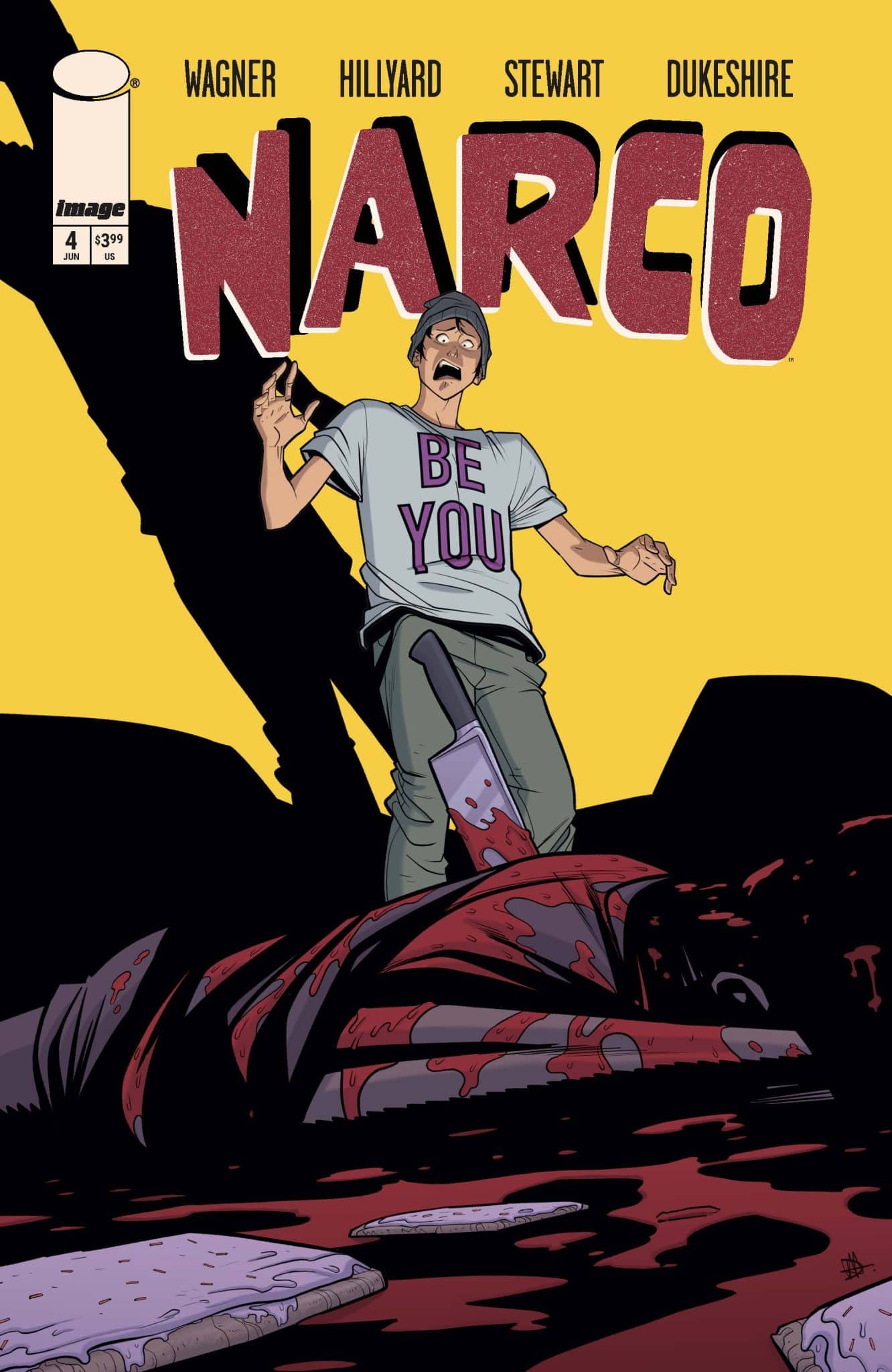
The color palette, shifting from the bold, saturated yellow of the cover to the dark, oppressive blues and grays of the interior scenes, reinforces the theme of a man caught between the light of truth and the shadows of his circumstances. The "BE YOU" shirt featured on the cover serves as a poignant, ironic centerpiece; while the text encourages individuality, the character behind the shirt is being forced to shed his identity and become the criminal the world expects him to be.
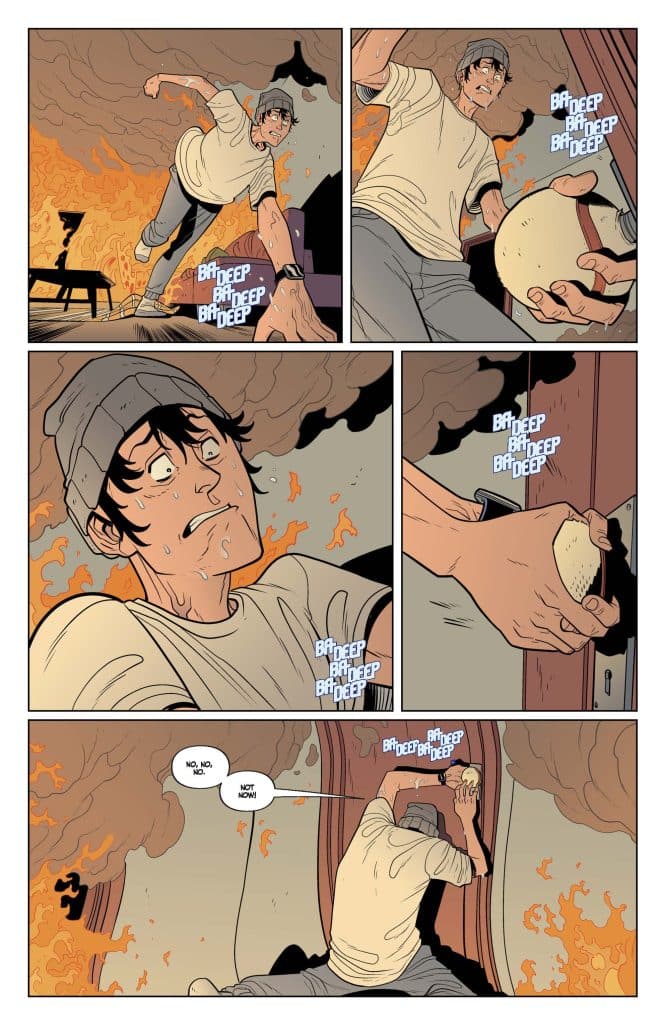
The collaboration between Wagner and Hillyard follows the tradition of classic pulp noir, where the environment is as much a character as the human cast. By utilizing tight, claustrophobic framing in the interior scenes, Hillyard ensures that the reader feels the same sense of entrapment that Marcus experiences.
Official Responses and Creative Vision
While the publisher, Image Comics, has kept specific plot spoilers under tight wraps, the creative team has been vocal about the thematic direction of this chapter.
"With Narco #4, we wanted to see how much pressure a single individual could take before they either break or become something else entirely," writer Doug Wagner remarked in a recent promotional brief. "Marcus has spent the first three issues trying to play by the rules of a game that is rigged against him. Now, he’s realizing that the only way to win is to change the rules, even if that makes him look even more guilty to the outside world."
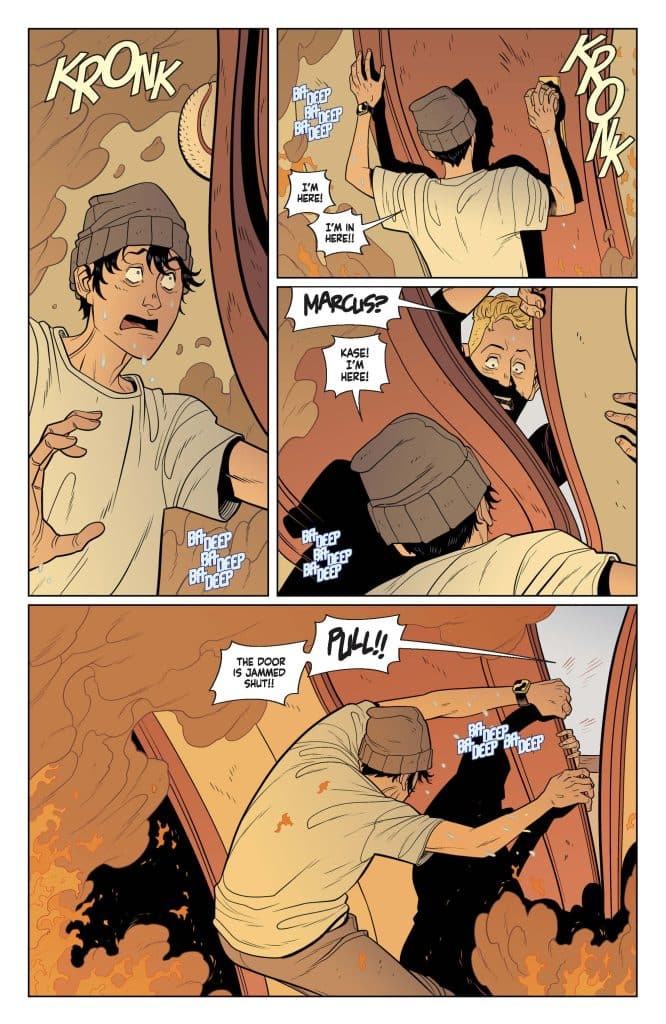
This acknowledgment from the writer confirms that the series is pivoting toward a more aggressive, morally ambiguous arc. The "support" mentioned in the preview dialogue—where characters discuss feelings of anger—hints that Marcus may find unlikely allies, or perhaps realize that his isolation is a self-imposed prison he must break out of to survive.
Implications: The Future of the ‘Narco’ Universe
The release of Narco #4 carries significant implications for the series’ long-term narrative arc. If Marcus successfully navigates this current crisis, he will have transitioned from a victim of circumstance to an active agent of his own fate. However, if he fails, the series risks a dark, nihilistic conclusion that would be a bold departure from traditional comic book tropes.
Furthermore, the social commentary embedded in Narco—regarding how quickly society forms a lynch mob based on appearances and fragmented information—is particularly resonant in the current cultural climate. By framing the story through a crime thriller lens, Wagner and Hillyard are providing a critique of modern digital surveillance and the "court of public opinion."
As we look toward the subsequent issues, the following questions remain:
- Can Marcus restore his reputation, or is he destined to live as a fugitive?
- Will the "true killer" be revealed to be someone close to Marcus, or an outside antagonist?
- How will the trauma of these events redefine the relationships Marcus has severed?
Narco #4 is not merely a middle chapter in a comic book series; it is the turning point where the protagonist stops running and starts fighting. It is a masterclass in tension, proving that the most compelling conflicts are those that occur within the human psyche.
For readers who have followed Marcus’s journey since the first page, this issue is essential reading. It promises to dismantle everything the audience thought they knew about the characters and set the stage for a volatile second half of the series. Whether or not Marcus can clear his name, one thing is certain: he will never be the same person he was when this nightmare began.
For more information on the release of Narco #4 and other titles from the creative team, stay tuned to Graphic Policy. Subscribe to our newsletter to receive the latest updates, previews, and in-depth analytical pieces directly to your inbox.

 Sagoh
Sagoh
 Ammar Sabilarrohman