Lina Hope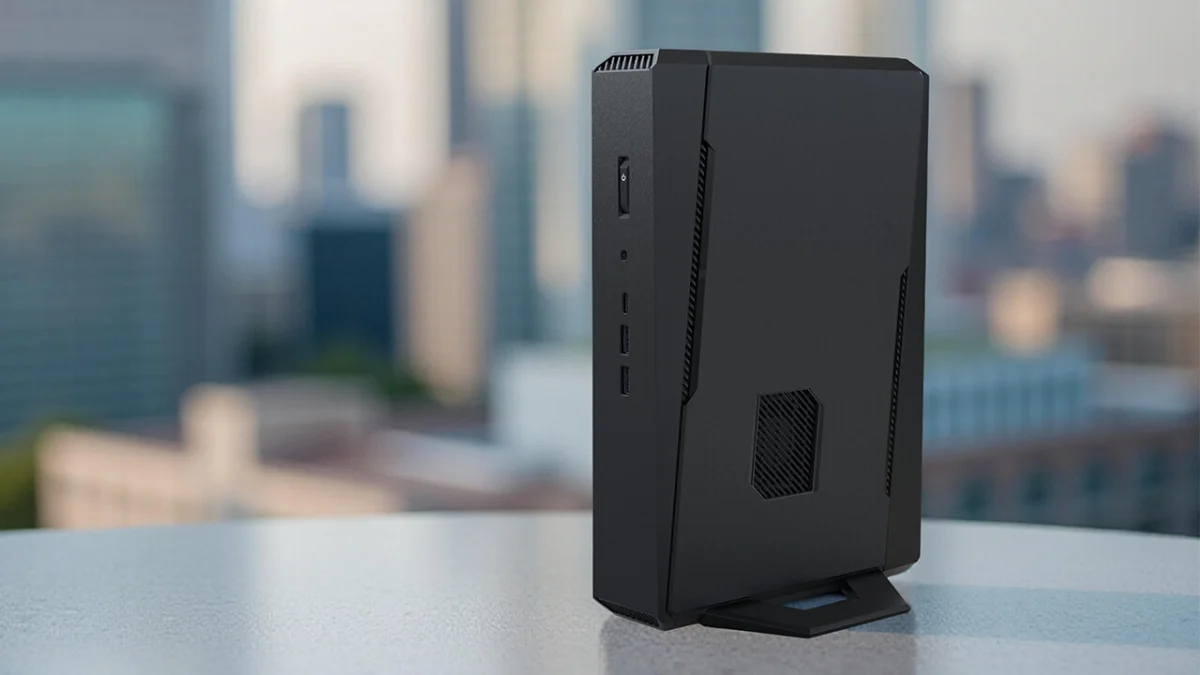
After more than four months of legal paralysis, the German consumer electronics market is returning to normalcy for two major industry players. Acer and Asus, both global leaders in the PC sector, have officially resumed the sale and marketing of their products in Germany. This development follows a high-stakes, protracted patent dispute with Finnish telecommunications giant Nokia regarding the licensing of video codec technologies.
The resolution brings an end to a turbulent period that saw these manufacturers effectively barred from the German market, causing significant disruption to their supply chains and frustrating local consumers who were unable to access basic support services for their existing devices.
The Core Conflict: H.265 and Patent Sovereignty
At the heart of the dispute lay the H.265 video compression standard, also known as High Efficiency Video Coding (HEVC). This technology is essential for modern high-definition video streaming, gaming, and multimedia playback, as it allows for high-quality video to be transmitted with significantly lower data requirements.
Nokia, which holds a vast portfolio of patents related to multimedia standards, had argued that Acer and Asus were utilizing their proprietary H.265 technologies without providing adequate compensation. Specifically, the dispute centered on the unauthorized use of patented methods for hardware-accelerated video decoding.
For months, the legal battle hinged on the principle of FRAND licensing—an acronym for "Fair, Reasonable, and Non-Discriminatory." Under international standards, holders of essential patents are obligated to license their technology to manufacturers under FRAND terms. This ensures that essential innovations do not become barriers to competition, while simultaneously guaranteeing that patent holders receive fair remuneration.
However, the definition of "fair" and "reasonable" is frequently the subject of intense litigation. Nokia, having found a favorable venue in the Munich Regional Court, successfully argued that the manufacturers were not meeting these obligations, leading to an injunction that effectively froze the companies’ operations within Germany.
A Chronology of the Legal Siege
February 2024: The Injunction
The crisis began in earnest in February, when the Munich Regional Court ruled in favor of Nokia. The court granted an urgent application for an injunction, citing patent EP 2 661 892. This ruling prohibited Acer and Asus from advertising or selling any products in Germany that utilized Nokia’s patented H.265 acceleration technology without a valid license.
March – May 2024: Market Withdrawal and Technical Blackouts
The impact of the ruling was immediate and profound. Acer and Asus were forced to halt the import and distribution of new notebooks, mini-PCs, and other multimedia-capable devices. While existing stock already in retail channels could be sold off, the manufacturers were prohibited from replenishing their inventory.
Perhaps more damaging to the brand image was the collateral damage to customer support. To ensure compliance with the court’s advertising and communication bans, Asus, in particular, implemented strict geoblocking measures on its German web presence. This resulted in a scenario where German users were unable to access local support pages, driver downloads, or manual documentation, as the company’s website redirected traffic to international portals that were often unreachable or incompatible with local regulatory requirements.
June 2024: The Breakthrough
The deadlock finally broke this week. Reports from a partner event in Hamburg, confirmed by industry sources at ChannelPartner, signaled that a settlement had been reached. Shortly thereafter, both manufacturers confirmed that they were moving to settle all ongoing litigation.
Official Statements and the Road to Resolution
The resolution was reached through an arbitration agreement, the specifics of which remain confidential. However, industry analysts suggest that the parties have agreed upon a licensing fee structure that aligns with the FRAND criteria, ensuring that Nokia is compensated for its intellectual property while allowing Acer and Asus to resume their operations.
In a formal statement provided to ComputerBase, an Asus spokesperson outlined the spirit of the agreement:
"ASUS and Nokia have entered into an arbitration agreement to resolve their patent disputes. In this context, the ongoing legal proceedings between the two companies, including those in Germany, are being suspended or withdrawn. We are pleased to have found a consensual framework for resolving these matters and to continue our cooperation with a mutual understanding of innovation and the protection of intellectual property."
This statement marks a significant pivot from the confrontational stance that characterized the early months of 2024. By opting for arbitration, both parties have managed to bypass the unpredictable nature of courtroom rulings in favor of a private, negotiated settlement that provides long-term stability for their respective businesses.
Implications for the Industry and Consumers
The "Silent" Strategy of Competitors
The struggle faced by Acer and Asus serves as a cautionary tale for the PC industry. During the height of the dispute, other manufacturers, including Dell and HP, proactively altered their product strategies to avoid similar pitfalls. These companies began shipping notebooks with HEVC decoding capabilities disabled at the firmware level, effectively stripping away functionality to avoid the legal crosshairs of patent trolls and standard-essential patent (SEP) holders.
The return of Acer and Asus to the German market suggests that, in the long run, the industry prefers paying licensing fees over degrading the user experience by disabling hardware features.
The Role of German Courts
The dispute has further solidified the reputation of the Munich Regional Court as a critical theater for international patent litigation. Germany’s legal system has become a preferred destination for patent holders due to the efficiency and rigor of its specialized patent chambers. For companies like Nokia, the ability to obtain an injunction in a major market like Germany provides significant leverage in global negotiations.
Impact on the German Consumer
For the average German consumer, the end of this dispute is a relief. Beyond the return of new hardware to store shelves, the restoration of full functionality to the manufacturers’ regional websites is a vital step toward restoring trust. Customers who were left in a digital "no-man’s-land" regarding technical support for their existing hardware can now access necessary software patches and drivers once again.
Looking Ahead: The Future of Patent Licensing
As technology becomes increasingly integrated, the importance of codecs like H.265 (and its successors like H.266/VVC) will only grow. The resolution between Nokia, Acer, and Asus serves as a blueprint for how future disputes may be settled.
The industry is moving toward a model of early mediation rather than protracted litigation. The costs of being barred from a major market—not just in lost sales, but in reputational damage and the loss of consumer access to support—are simply too high to sustain.
Furthermore, the focus on FRAND compliance will remain a cornerstone of tech law. As the Internet of Things (IoT) and artificial intelligence continue to drive the demand for standardized technologies, patent holders and implementers will need to establish clearer, more transparent licensing frameworks. If they fail to do so, the "German model" of patent injunctions will likely see continued use, forcing companies to reach the negotiating table sooner rather than later.
Ultimately, the return of Acer and Asus to the German market is a victory for market stability. It underscores the necessity of a balanced ecosystem where the intellectual property of inventors is respected, and the access of consumers to state-of-the-art technology is maintained without unnecessary friction. With the legal shadow lifted, both companies are expected to ramp up their German operations immediately, aiming to recover lost market share in the second half of the year.

 Nana Muazin