Iffa Jayyana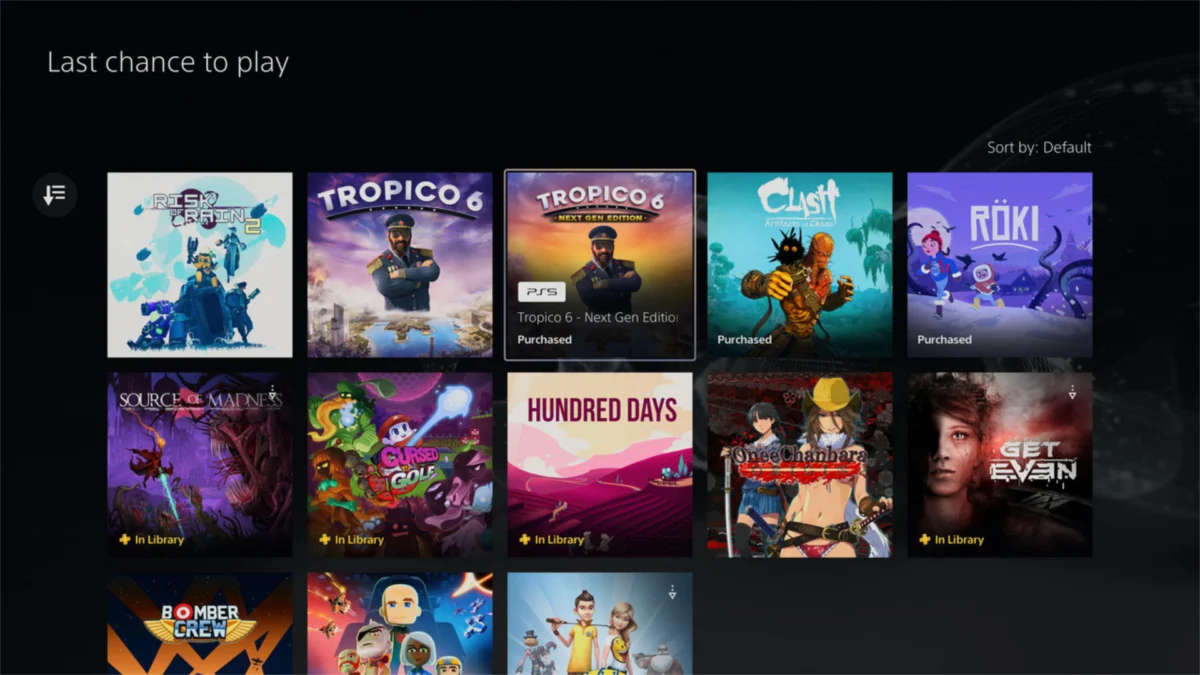
By Mustafa Mahmoud
The revolving door of the PlayStation Plus Extra and Premium subscription services continues its rhythmic cycle. While Sony consistently bolsters its catalog with high-profile additions—such as the recent arrivals of Final Fantasy XVI and Sonic x Shadow Generations—the service remains subject to the inevitable reality of licensing agreements. As we move into the mid-year point of 2026, Sony has officially updated the "Last Chance to Play" section on the PlayStation 5 interface, signaling that a fresh batch of titles is set to rotate out of the service in the coming weeks.
For subscribers, this serves as a critical window of opportunity to dive into games that may have been sitting in their digital backlog. This July, twelve titles are slated for removal, ranging from deep-dive strategy simulations to high-octane rogue-likes.
Main Facts: The July Departure List
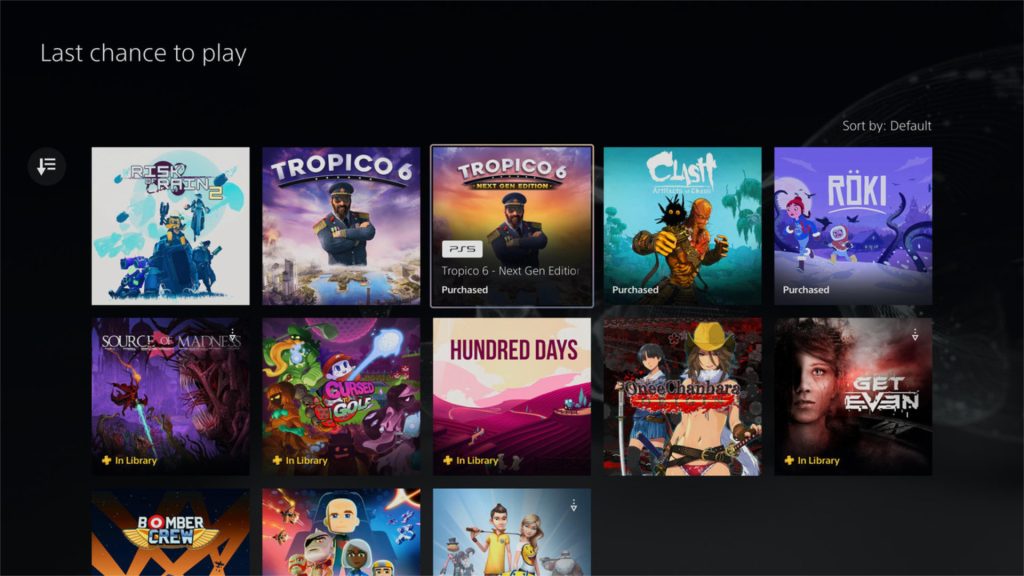
The "Last Chance to Play" tab on the PlayStation 5 console dashboard has confirmed that twelve games will be departing from the PlayStation Plus Extra and Premium tiers. Historically, these removals take place during the third week of the month, coinciding with the monthly catalog update.
While the current list is diverse, it notably includes a mix of cult-classic indie darlings and established simulation franchises. Subscribers are encouraged to prioritize their playtime, as once these titles leave the service, they will no longer be accessible via the subscription unless purchased individually or added back in a future rotation.
Key departures include:
- Risk of Rain 2: A seminal entry in the rogue-like genre, renowned for its chaotic combat and deep build-crafting systems.
- Tropico 5/6 (Series Entries): The long-standing island management simulation series.
- Roki: An atmospheric adventure game rooted in Scandinavian folklore.
- Source of Madness: A side-scrolling action rogue-lite featuring procedurally generated monsters.
- Cursed to Golf: A unique genre-bending title that combines precision platforming with golf mechanics.
Chronology of Service Rotations
To understand the current landscape of PlayStation Plus, one must look at the service’s evolution since its 2022 rebranding. Sony opted for a tiered structure—Essential, Extra, and Premium—modeled somewhat after competing services like Xbox Game Pass. However, a defining feature of the PlayStation Plus Extra/Premium model is its "Netflix-style" rotation.
2022–2024: The Early Years
During the initial launch phase, Sony focused on building a library of "greatest hits" from the PlayStation 4 and PlayStation 5 eras. This included heavy hitters like God of War, Spider-Man, and Returnal. During this time, the rate of removal was relatively slow, as Sony prioritized building brand loyalty through a high-value catalog.
2025–2026: The Stabilization Phase
By 2026, the service has hit a state of equilibrium. Sony now rotates approximately 10 to 15 games out of the catalog each month. This churn is necessary to offset the costs of licensing third-party titles, which often arrive on the service for limited windows ranging from six months to two years. July 2026 is emblematic of this standard operation—a mixture of titles that have reached the end of their contractual cycle.
Supporting Data: The Value of the Departing Titles
The impact of these removals depends heavily on the type of gamer you are. For those who prioritize "endless" games, the loss of Risk of Rain 2 is the most significant blow.
Risk of Rain 2: The Rogue-like Benchmark
Risk of Rain 2 is widely considered one of the best cooperative rogue-like experiences on the market. With its frantic pace, massive array of unlockable characters, and deep meta-progression, it represents hundreds of hours of potential gameplay. The loss of this title from the service is a notable gap, particularly for subscribers who rely on the service for multiplayer titles that they might not otherwise purchase at full price.
Simulation and Narrative Experiences
Titles like Tropico offer a different kind of value. These are "time-sink" games. Managing an island state requires significant investment in terms of hours to understand economic systems, political maneuvering, and infrastructure development. For a player who hasn’t started a campaign yet, starting now might be a race against time.
Conversely, shorter experiences like Roki or Cursed to Golf represent the "curated indie" value of the service. These games are perfect for subscribers who want to experience high-quality, focused narratives or mechanics-heavy puzzles without the long-term commitment of a 100-hour RPG.
Official Responses and Strategic Shifts
Sony Interactive Entertainment (SIE) rarely provides specific commentary on why individual games leave the service. However, public statements from executives regarding the PlayStation Plus model have consistently emphasized a "curated experience."
The company’s broader strategy remains focused on maintaining a balance between "Day One" indie releases—which often provide the "experimental" value for subscribers—and "Legacy" titles from the back catalog. The "Last Chance to Play" tab was a direct response to community feedback. In the early days of the rebrand, subscribers complained that games would vanish without warning. By implementing this dedicated tab, Sony has improved user experience, allowing for at least two to four weeks of lead time before a game is pulled from the library.
Implications: What This Means for Subscribers
The departure of these games highlights a recurring tension in the digital subscription era: Ownership vs. Access.
The "Shelf-Life" of Digital Subscriptions
As we progress through 2026, the industry is increasingly moving toward a model where the service is the product, not the individual game. For the consumer, this requires a change in mindset. Relying on a subscription service means accepting that your library is in a state of flux. While this provides access to hundreds of games for a relatively low monthly fee, it necessitates a "play-it-now" mentality for anything on the "Last Chance" list.
The Opportunity Cost
For the savvy subscriber, these departures are an opportunity. When a game like Risk of Rain 2 is announced for removal, it often triggers a sale on the PlayStation Store. Sony frequently discounts games shortly after they leave the service, providing an avenue for players who discovered the game via PS Plus to "convert" to ownership at a lower price point.
Future Outlook
Looking ahead to the remainder of 2026, the departure of these twelve titles is likely a precursor to a major mid-summer content drop. Sony typically uses the void left by departing games to introduce new, high-demand titles. As one door closes on titles like Tropico and Risk of Rain 2, it is almost certain that Sony will leverage the marketing hype of the next monthly update to draw users back in with new, high-value inclusions.
Conclusion
July 2026 marks another routine transition for PlayStation Plus. While the loss of titles like Risk of Rain 2 will be felt by the dedicated community, the cyclical nature of the service remains its most defining characteristic. Subscribers should treat the "Last Chance to Play" section as a roadmap for their upcoming gaming sessions.
Whether you are a fan of sprawling simulation strategy or tight, rewarding indie action, the coming weeks represent a final opportunity to engage with these titles before they rotate out. For those who find themselves lamenting the departure of a favorite, it is worth remembering that the service’s strength lies in its constant evolution. In the world of subscription gaming, the end of one journey is almost always the beginning of another.
What are your thoughts on this month’s list? Are you more inclined to tackle the long-form strategy of Tropico, or will you spend your remaining time in the chaotic worlds of Risk of Rain 2? Let us know in the comments below.


 Ali Ikhwan
 Nana
Nana