Dwi Wanna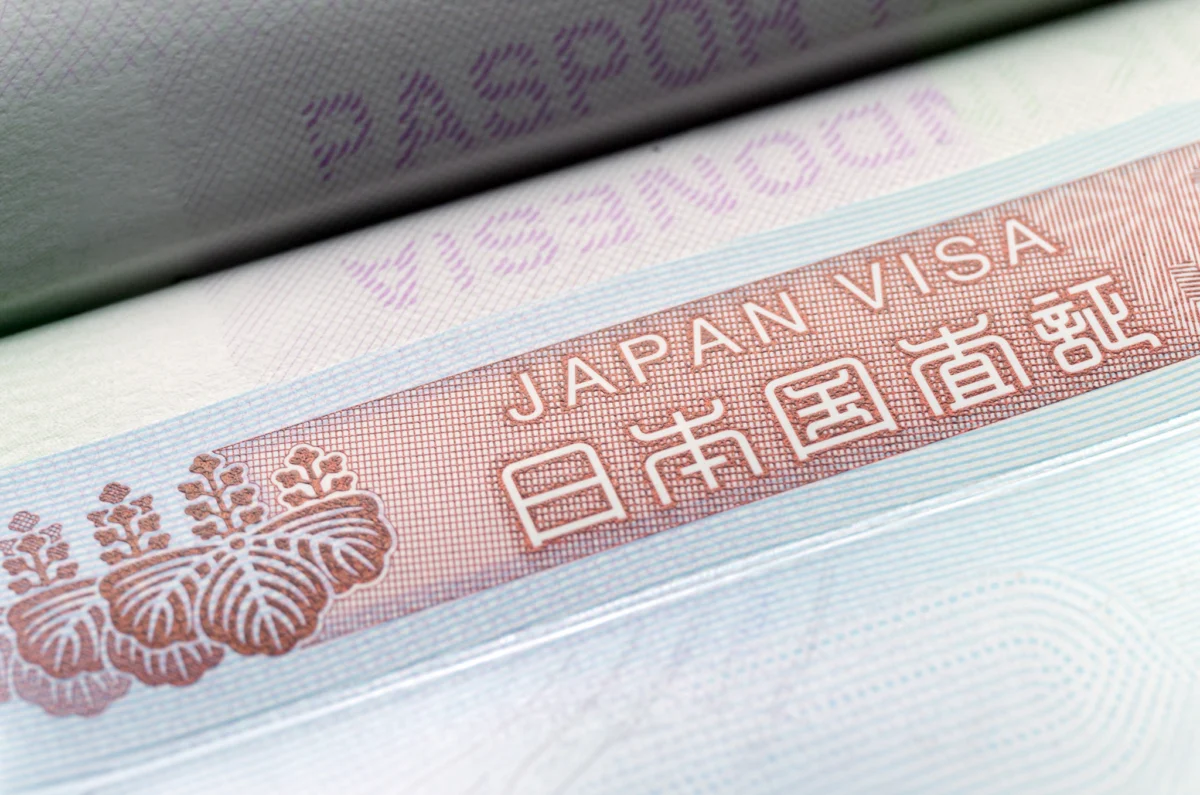
Updated June 22, 2026
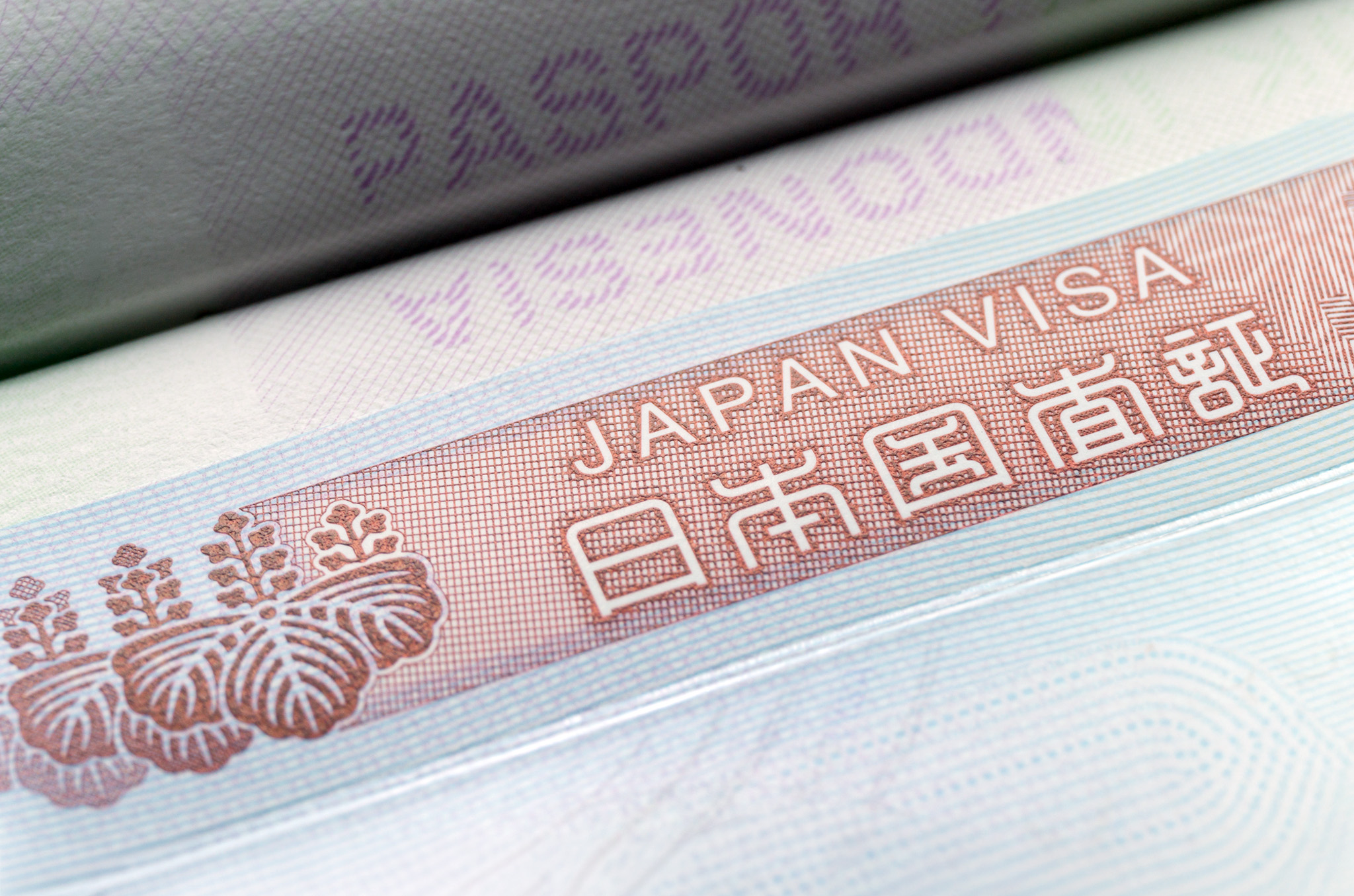
In a move signaling a significant shift in Japan’s approach to border management and administrative fiscal policy, the Japanese government has announced a sweeping overhaul of visa and residency processing fees. Effective July 1, 2026, the cost of obtaining a Japanese visa for those required to secure one prior to entry will increase fivefold. This decision, while framed by officials as a long-overdue correction to account for decades of inflation, represents a broader tightening of administrative protocols and a modernization of Japan’s entry screening infrastructure.
The Core Adjustments: A Fivefold Increase
The most immediate impact of the government’s announcement concerns international travelers who do not qualify for short-stay visa exemptions. For these individuals, the financial burden of entering Japan is set to rise sharply.
Under the new fee structure, a single-entry visa will jump from the current rate of ¥3,000 to ¥15,000. For those requiring multiple-entry visas, the cost will climb from ¥6,000 to ¥30,000. These figures represent a stark departure from the status quo that has remained largely untouched for nearly half a century.
It is crucial to note that this policy is targeted. Citizens from more than 70 countries and regions—including major tourism partners such as the United States, the United Kingdom, Australia, and much of the European Union—remain covered by Japan’s visa-waiver agreements. These travelers will not see a direct change in their entry costs, a strategic decision intended to keep Japan’s massive tourism industry competitive while simultaneously recouping administrative costs from visa-required applicants.
Historical Context: Ending the 1978 Standard
The rationale behind these increases is rooted in a desire for fiscal normalization. During a Cabinet meeting held on Friday, June 19, 2026, the government finalized the proposal following months of internal debate.
Foreign Minister Toshimitsu Motegi addressed the press shortly after the meeting, clarifying the government’s position. "The current visa fee was set in 1978, and we have revised it to reflect inflation and exchange-rate fluctuations since then," Motegi stated. He emphasized that the adjustment was not a whim, but a result of "carefully considering various factors."
The mention of 1978 provides essential context. For 48 years, Japan’s visa processing fees remained stagnant. In an era where global economic conditions, the cost of labor, and the complexity of digital document verification have shifted dramatically, the 1978 fee structure had become fiscally unsustainable for the Ministry of Foreign Affairs. Officials have stated they do not anticipate this move to have an immediate negative impact on inbound tourism, as the bulk of Japan’s visitors fall under the visa-exempt category.
Escalating Costs for Foreign Residents
The increase in visa fees is only one facet of a wider restructuring of immigration-related charges in Japan. The government’s recent legislative approvals suggest a comprehensive strategy to increase the revenue generated by the Immigration Services Agency (ISA).
Last month, the government passed a significant fee hike for foreign residents already living in the country. These changes are substantial:
- Renewal of Residence Status: Currently set at ¥6,000, the fee for a one-year renewal will increase to approximately ¥30,000. A three-year renewal will climb to roughly ¥60,000.
- Permanent Residency: Perhaps the most dramatic change is the fee for permanent residency permission, which will jump from its current ¥10,000 to approximately ¥200,000.
For the expatriate community in Japan, these figures are significant. The increase in permanent residency fees, in particular, has sparked conversation regarding the cost of long-term integration in Japan. The government contends that these fees are necessary to fund the enhanced infrastructure and human resources required to manage an increasingly internationalized population and a more complex visa-processing environment.
The Future of Border Security: The JESTA System
Beyond the adjustment of fees, the Japanese government is moving toward a more technologically advanced screening process. The Ministry of Justice has confirmed plans to implement a new electronic travel authorization system, dubbed "JESTA" (Japan Electronic System for Travel Authorization), by March 2029.
JESTA will mirror systems currently employed by major global powers, most notably the United States’ ESTA (Electronic System for Travel Authorization) and the upcoming European ETIAS. The system is designed to provide Japanese authorities with a clear overview of who is entering the country before they arrive at the border.
Under the JESTA framework, visitors from countries that are currently exempt from short-term visa requirements will be required to submit their details online prior to departure. Authorities will then screen these applicants against security databases. Individuals identified as potential risks could be denied travel authorization, significantly tightening Japan’s border security profile.
This shift marks a departure from Japan’s traditional, relatively frictionless entry process for visa-exempt travelers. By 2029, even those coming from "trusted" countries will be required to undergo a pre-screening process, reflecting a global trend toward heightened border surveillance in the post-pandemic era.
Implications for Tourism and Migration
The dual strategy of raising fees and implementing advanced pre-screening reflects a dual goal: fiscal sustainability and enhanced national security.
1. Fiscal Implications
The government has long faced pressure to ensure that the immigration system pays for itself. By aligning fees with modern economic realities, the administration aims to modernize the IT infrastructure necessary for visa processing and digital residence cards. The revenue generated from these higher fees is expected to be earmarked for upgrading the digital systems of the Ministry of Justice and the Ministry of Foreign Affairs.
2. Economic Impact on Tourism
While officials downplay the impact on tourism, the travel industry remains watchful. Japan’s tourism sector has been a primary engine of economic growth in recent years. By maintaining the visa-waiver program for major tourism markets, the government has mitigated the risk of a mass downturn. However, for developing nations or countries that require visas, the fivefold increase in costs could act as a deterrent for students, researchers, and tourists alike.
3. Impact on Foreign Talent
The sharp rise in permanent residency fees has already raised concerns among business groups and chambers of commerce. Japan is actively trying to attract global talent to combat its aging workforce. Critics argue that making permanent residency significantly more expensive could inadvertently signal that Japan is becoming less hospitable to long-term foreign residents. Balancing the need for revenue with the need to remain an attractive destination for global professionals will be a primary challenge for the government in the coming years.
Looking Ahead: The 2027 Deadline
The transition period will be marked by several critical dates. July 1, 2026, serves as the starting point for the new visa fee schedule. Following that, the government aims to complete the rollout of the broader immigration fee revisions by March 31, 2027.
As the nation approaches these milestones, the debate over the cost of living and the cost of entry in Japan is likely to continue. The government remains committed to its trajectory, viewing these changes as essential components of a robust, modern state. For the international traveler and the resident alike, the message is clear: Japan’s entry and residency protocols are undergoing their most significant evolution in nearly half a century.
Whether these changes will achieve their goal of modernizing the system without dampening the appeal of the "Land of the Rising Sun" remains to be seen. As Japan moves closer to 2029 and the full implementation of the JESTA system, the world will be watching to see how these administrative shifts alter the face of Japanese immigration.


 Neng Nana
 Asro
Asro