Layla Zulfa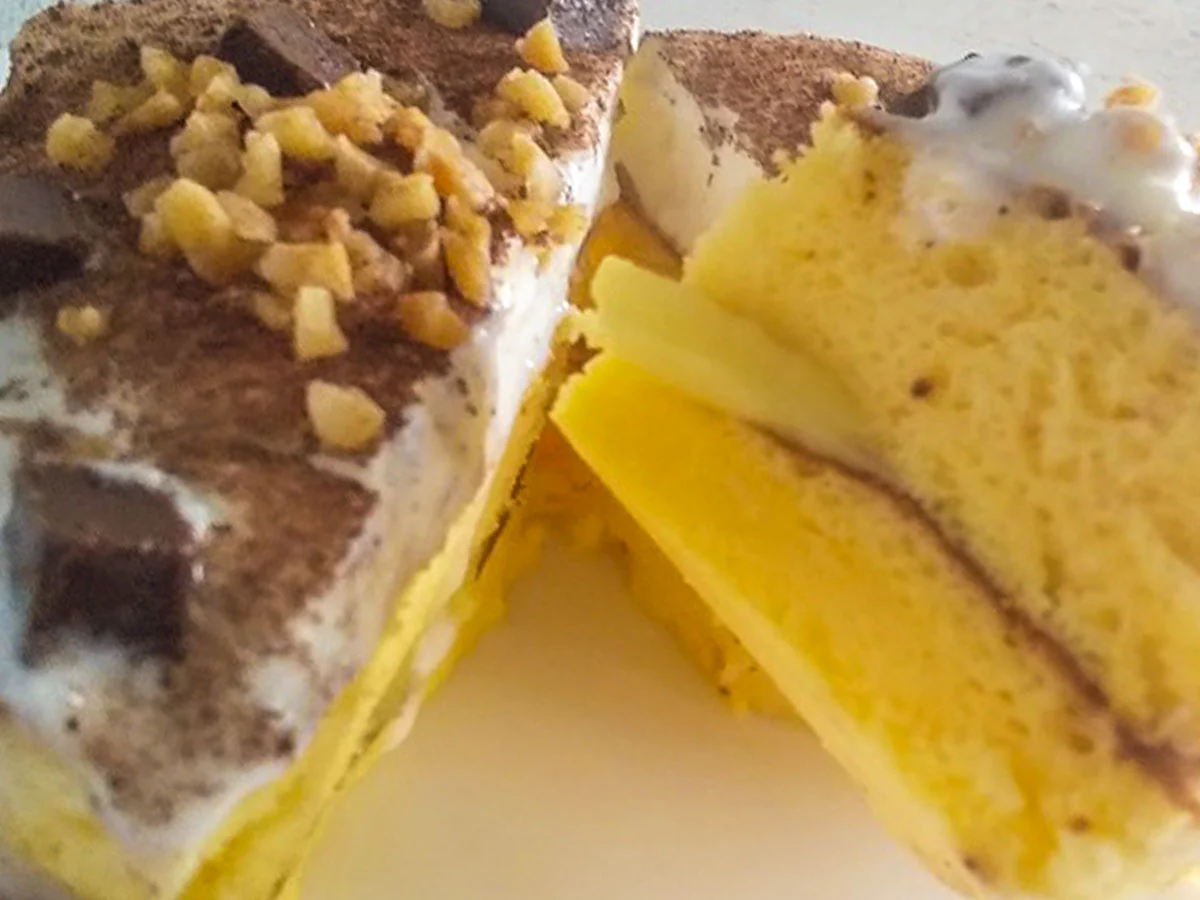
In the bustling landscape of Japanese retail, the konbini (convenience store) has long been a sanctuary for quick meals and late-night cravings. However, the post-pandemic era has triggered a subtle but significant shift in consumer behavior. As remote work and home-centric lifestyles became the norm, the humble frozen food aisle—once relegated to simple fried rice and gyoza—has undergone a culinary metamorphosis. Leading this revolution is 7-Eleven, which has successfully bridged the gap between mass-market convenience and café-grade indulgence.
At the heart of this trend is the 7-Eleven "Pancake with Cream & Chocolate Chunks." This frozen dessert has transcended its modest origins to become a viral sensation, lauded by food critics and casual shoppers alike for its surprising technical complexity and premium presentation.
The Evolution of the Convenience Store Dessert
For decades, convenience store sweets in Japan were categorized as grab-and-go treats, typically found in the refrigerated display cases near the registers. The pandemic, however, altered the logistical requirements for the modern shopper. With more consumers opting to stock their home freezers, the demand for high-quality, long-shelf-life desserts that retain their integrity upon preparation skyrocketed.
7-Eleven, ever the pioneer in the Japanese market, recognized that "frozen" no longer had to mean "compromised." By leveraging advanced freezing technologies that preserve the structure of delicate whipped creams and moist batters, they have brought the experience of a specialty pancake house directly into the residential kitchen.
A Chronicle of a Culinary Discovery: The Testing Process
Finding the "Pancake with Cream & Chocolate Chunks" is often described by enthusiasts as a "treasure hunt." Due to high demand and limited shelf space in the frozen section, availability fluctuates significantly by location.
The Initial Encounter
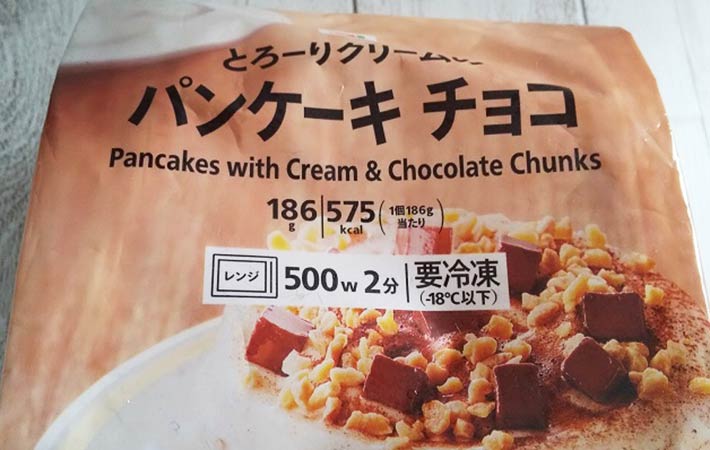
The packaging immediately sets a high expectation. Unlike many frozen goods that utilize generic, unappealing photography, the labeling on this dessert promises a decadent, layered masterpiece. Upon locating it—tucked away in the freezer case rather than the standard refrigerated dessert aisle—the weight and density of the package hint at a substantial serving size.
The Preparation Ritual
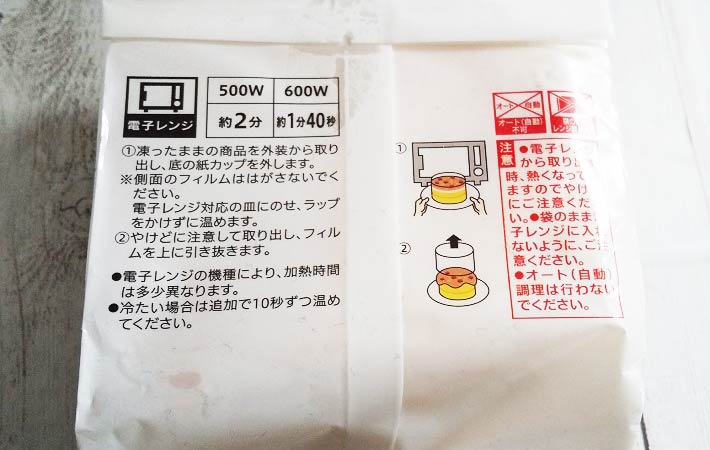
The preparation process is a masterclass in controlled reheating. Unlike microwave meals that often turn soggy or rubbery, this dessert requires a specific, guided approach:
- Unboxing: The product is removed from its freezer-safe container.
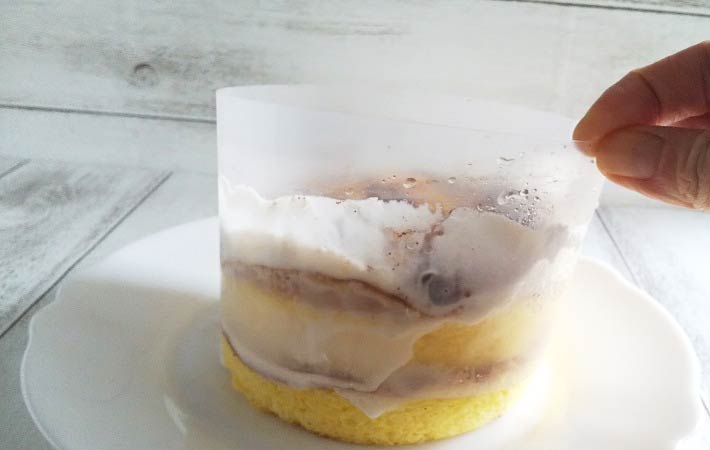
- The Crucial Step: One must peel away the bottom paper cup while ensuring the protective side film remains intact. This film acts as a structural scaffold, maintaining the integrity of the cream layers during the heating phase.
- Thermal Application: Following the instructions for a 500W microwave, the pancake is heated for approximately two minutes.
The Transformation
As the microwave cycles, the transformation is subtle. There is no chaotic bubbling or loss of structural form. When removed, the product emits a gentle, sweet fragrance—a hallmark of fresh-baked goods. The chocolate chunks on the surface soften into a delicate glaze, and the steam rising from the plate signals that the internal temperature has reached the optimal point of warmth.
Structural Anatomy and Sensory Experience
The brilliance of this dessert lies in its engineering. While the aesthetic is clearly the primary draw, the flavor profile is balanced with architectural precision.
The Layered Complexity
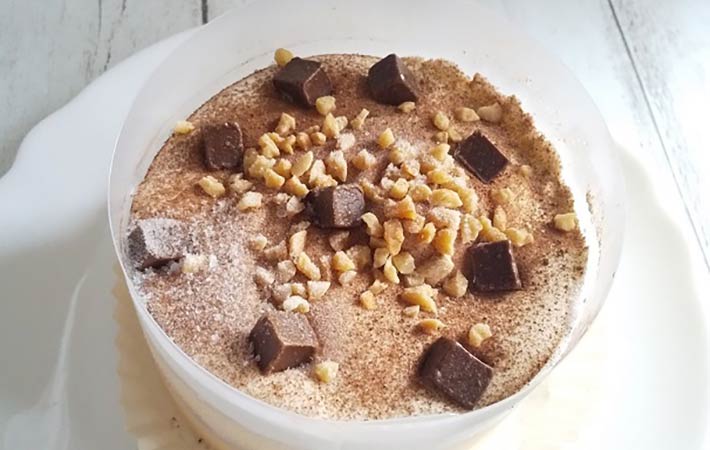
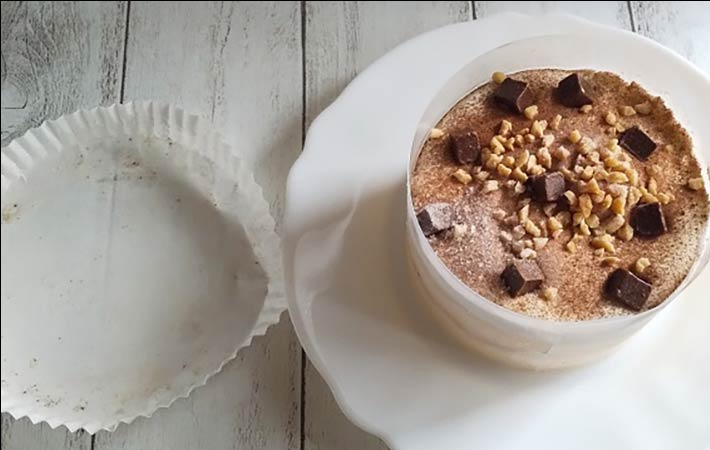
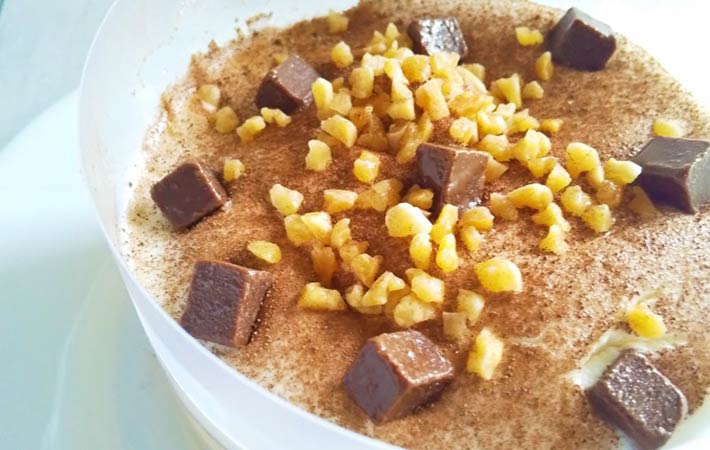
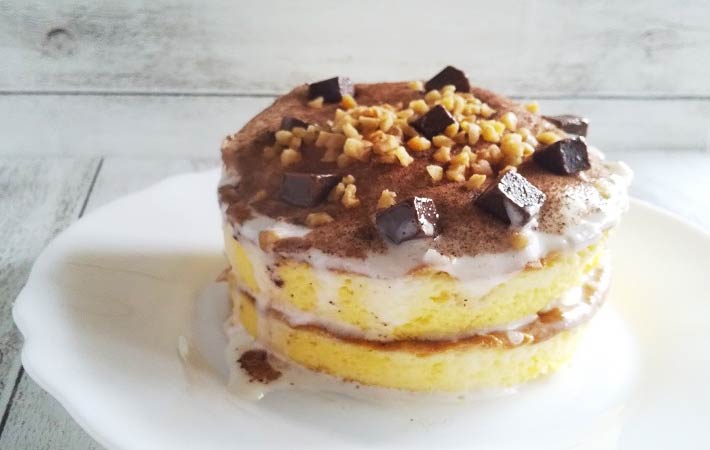
When peeled of its side film, the dessert reveals a pristine, restaurant-quality presentation. The toppings—a harmonious blend of milk cream, chocolate chunks, almond bits, and a dusting of cocoa powder—look as though they were applied seconds ago by a pastry chef.
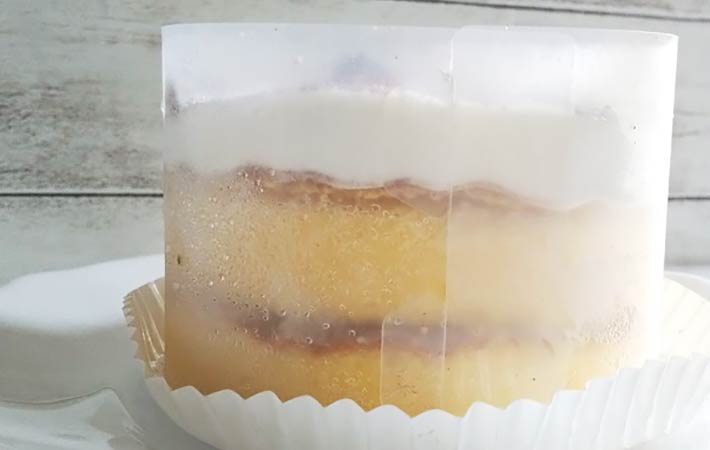
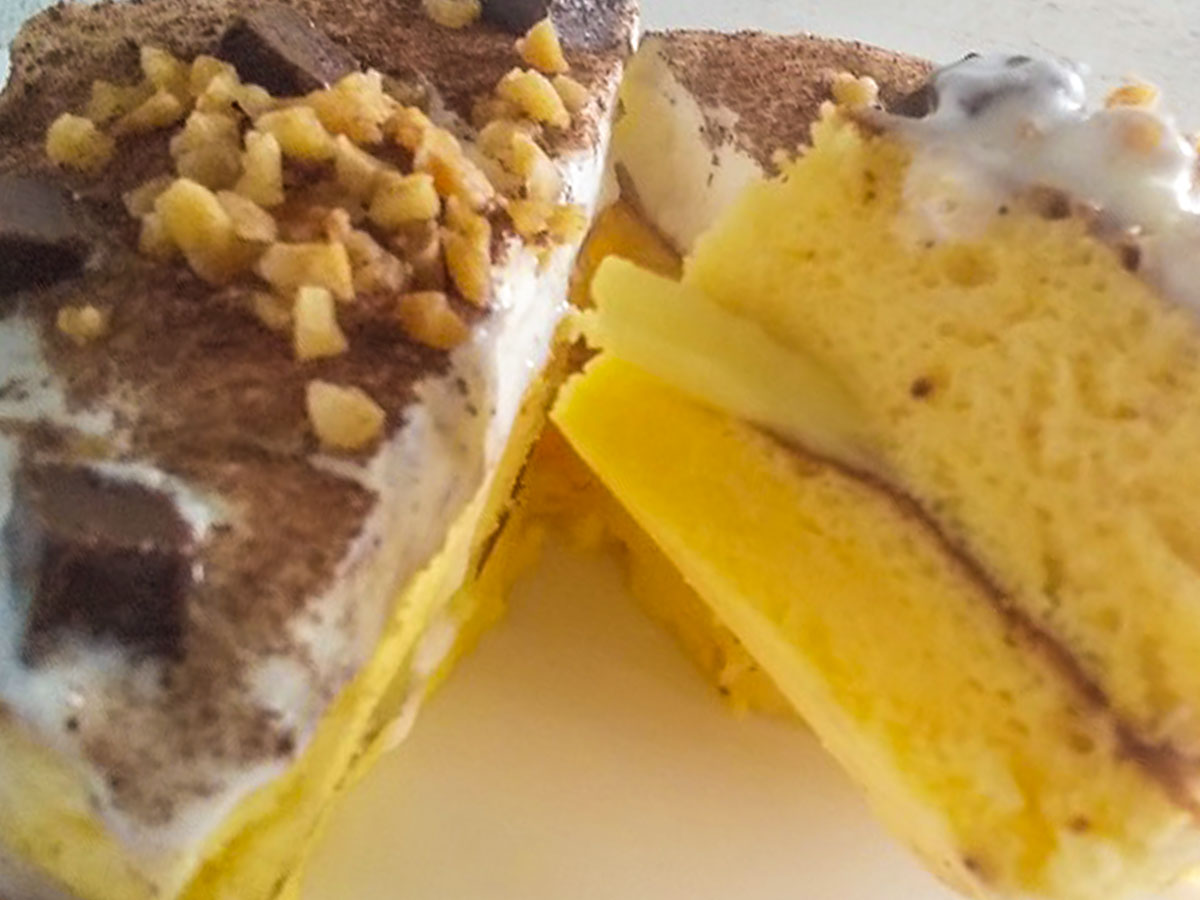
Upon slicing, the cross-section reveals an unexpected bonus: a hidden layer of custard cream sandwiched between the pancakes. This dual-cream approach serves a functional purpose, adding a rich, velvety texture that prevents the pancake batter from feeling monotonous.
Texture and Taste
The first bite confirms the product’s premium status:
- The Pancake: The batter is light and fluffy, yet it possesses a "gooey," melt-in-the-mouth quality reminiscent of traditional Castella sponge cake.
- Thermal Contrast: One of the most impressive technical feats is the temperature management. While the pancake itself warms through, the whipped cream maintains a cool, refreshing temperature. This thermal contrast is a sophisticated touch usually reserved for high-end patisseries.
- The Finishing Notes: As the dessert sits, the pancake begins to soak up the melting whipped cream, turning into a "juicy" bite that is both satisfying and indulgent.
Supporting Data: By the Numbers
For the discerning consumer, the statistics of this dessert are as clear as its ingredient list:
- Caloric Density: At approximately 575 kcal, this is a substantial dessert, designed to be a complete treat rather than a light snack.
- Price Point: Priced at 494 yen (including tax), it sits in the "premium" bracket for convenience store items, yet it remains significantly more affordable than a similar order at a specialized pancake café.
- Market Position: Sales data indicates that this item has become a consistent top-performer in the frozen category, signaling a long-term consumer shift toward "home-luxury" items.
Implications: The Future of Frozen Convenience
The success of the "Pancake with Cream & Chocolate Chunks" has broader implications for the Japanese retail industry. It suggests that consumers are no longer satisfied with the "fast and cheap" model. Instead, there is a growing appetite for "fast and refined."
A Shift in Culinary Expectations
This trend forces other retailers to innovate. If 7-Eleven can produce a multi-layered, texture-perfect pancake in a frozen format, the barrier to entry for "gourmet convenience" has been lowered for the entire industry. We can expect to see an influx of similar products—frozen lava cakes, soufflés, and multi-layered parfaits—entering the market in the coming years.
The "Experience" Economy
The act of heating the dessert, waiting for the film to be removed, and witnessing the "reveal" adds a ritualistic element to the consumption. It is not just about hunger; it is about the experience of preparation. By requiring the consumer to engage with the product for a few minutes, 7-Eleven has successfully gamified the act of eating, turning a simple convenience store purchase into a small, daily luxury.
Conclusion: A Must-Try Culinary Phenomenon
The 7-Eleven "Pancake with Cream & Chocolate Chunks" is more than just a sweet treat; it is a testament to the sophistication of modern food science and retail strategy. It manages to balance the logistical constraints of frozen shipping with the sensory requirements of fine dining.
For travelers and residents in Japan, stumbling upon this item is an event worth celebrating. It serves as a reminder that the convenience store is not merely a place for utility, but a hub of innovation where culinary boundaries are constantly being pushed. If you find yourself in the frozen aisle of a Japanese 7-Eleven, do not hesitate to pick up one of these units. It is, quite simply, one of the most remarkable dessert experiences available for under 500 yen today.
As the lines between restaurant-quality food and retail goods continue to blur, one thing is certain: the future of dessert is looking colder, fresher, and increasingly more delicious.


 Neng Nana
 Asro
Asro