

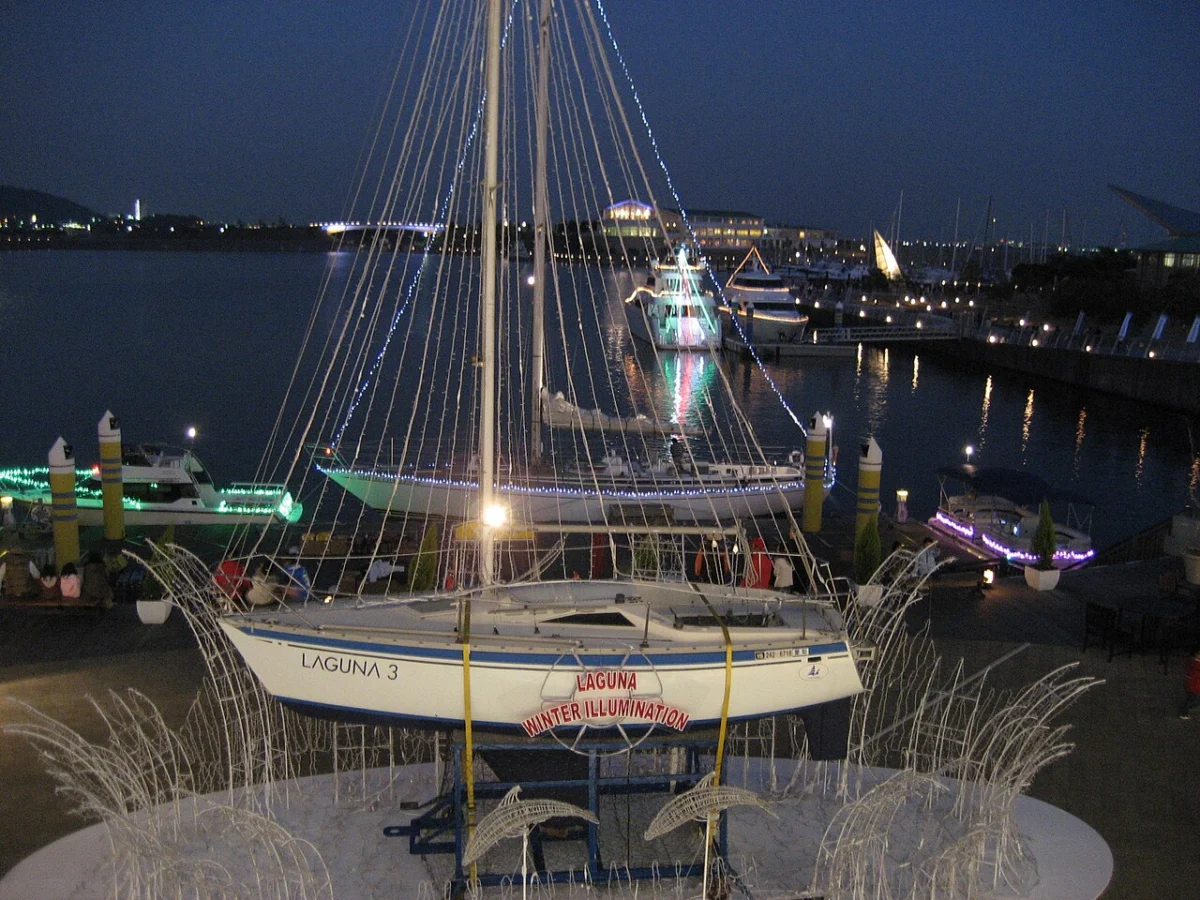
Nestled on the tranquil coast of Aichi Prefecture, roughly 30 kilometers southeast of the industrial powerhouse of Nagoya, lies a destination that defies the typical expectations of a Japanese theme park. Laguna Ten Bosch—formerly known as Laguna Gamagori—is a multifaceted marine resort complex that blends the charm of a Dutch-inspired harbor town with the high-energy pulse of a family amusement park. While it may not possess the global brand recognition of Universal Studios Japan or the sheer adrenaline capacity of Nagashima Spa Land, Laguna Ten Bosch offers a distinct, low-stress alternative for travelers seeking a balance between coastal relaxation and recreational entertainment.
The resort functions as an integrated leisure ecosystem. It encompasses an ocean-themed amusement park, a sprawling summer-only water park, a vibrant Mediterranean-styled shopping and dining promenade, and a working marina that anchors the site to the local maritime economy. For families, couples, and those with an interest in the evolution of Japanese resort design, Laguna Ten Bosch provides a compelling, if modest, retreat from the concrete density of the nearby Nagoya metropolis.
Main Facts: The Anatomy of the Resort
At its heart, the facility is designed for accessibility and moderate-intensity leisure. The resort is divided into four distinct operational zones:
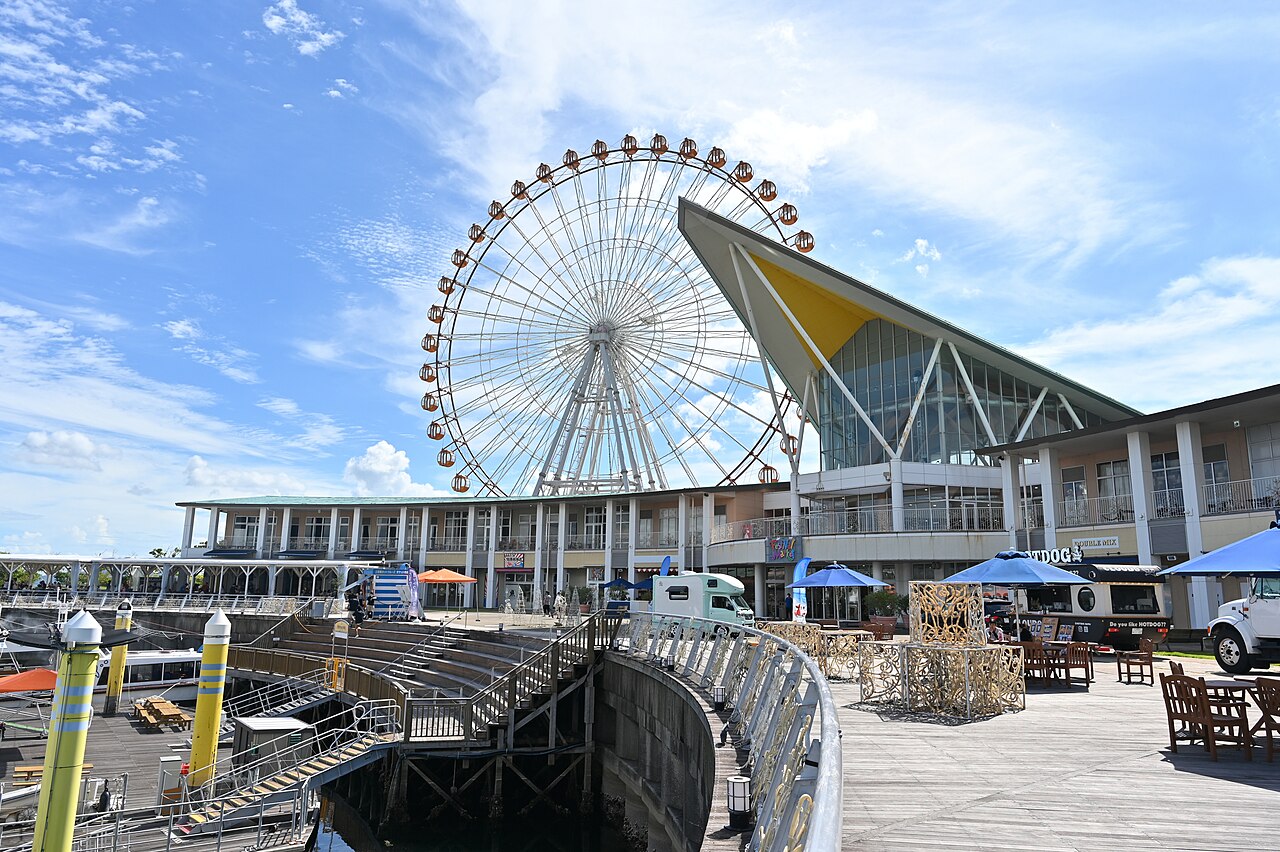
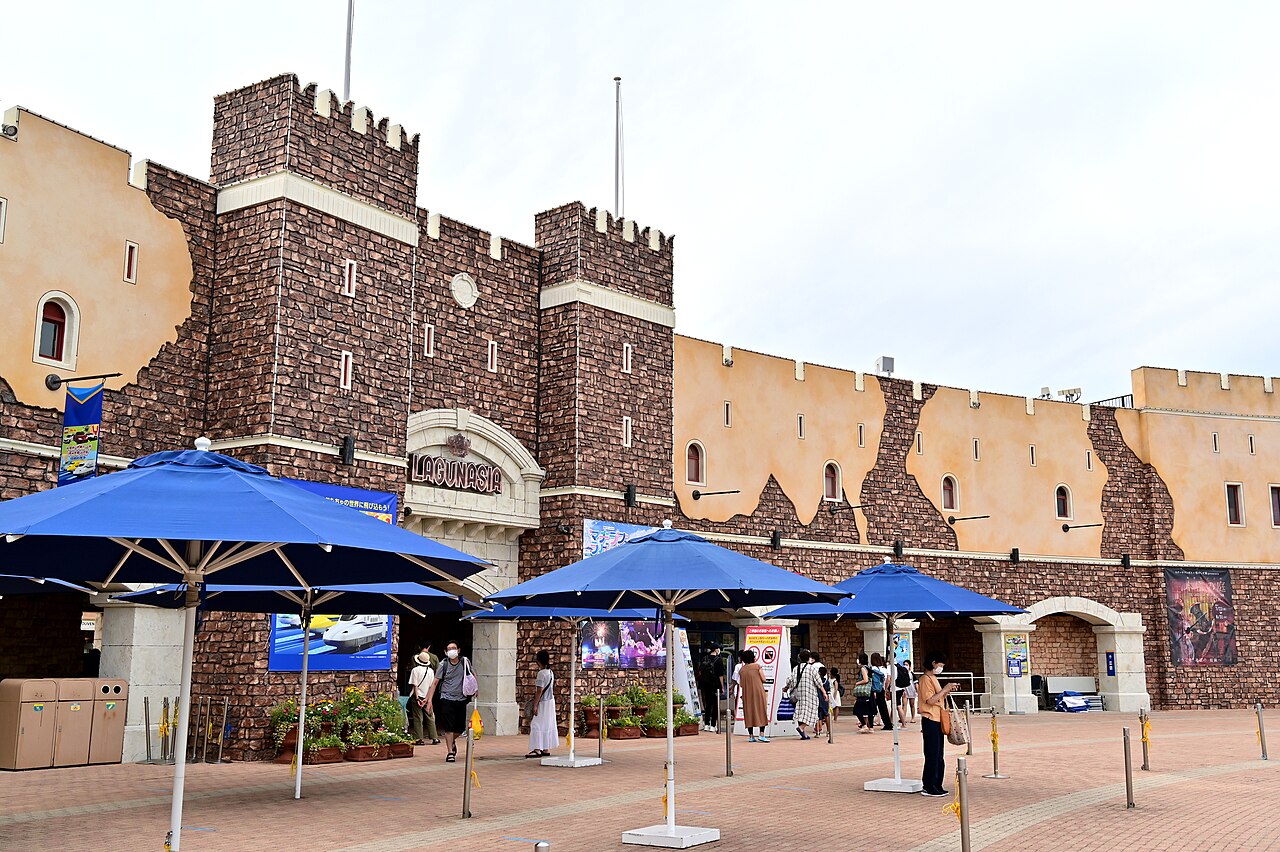
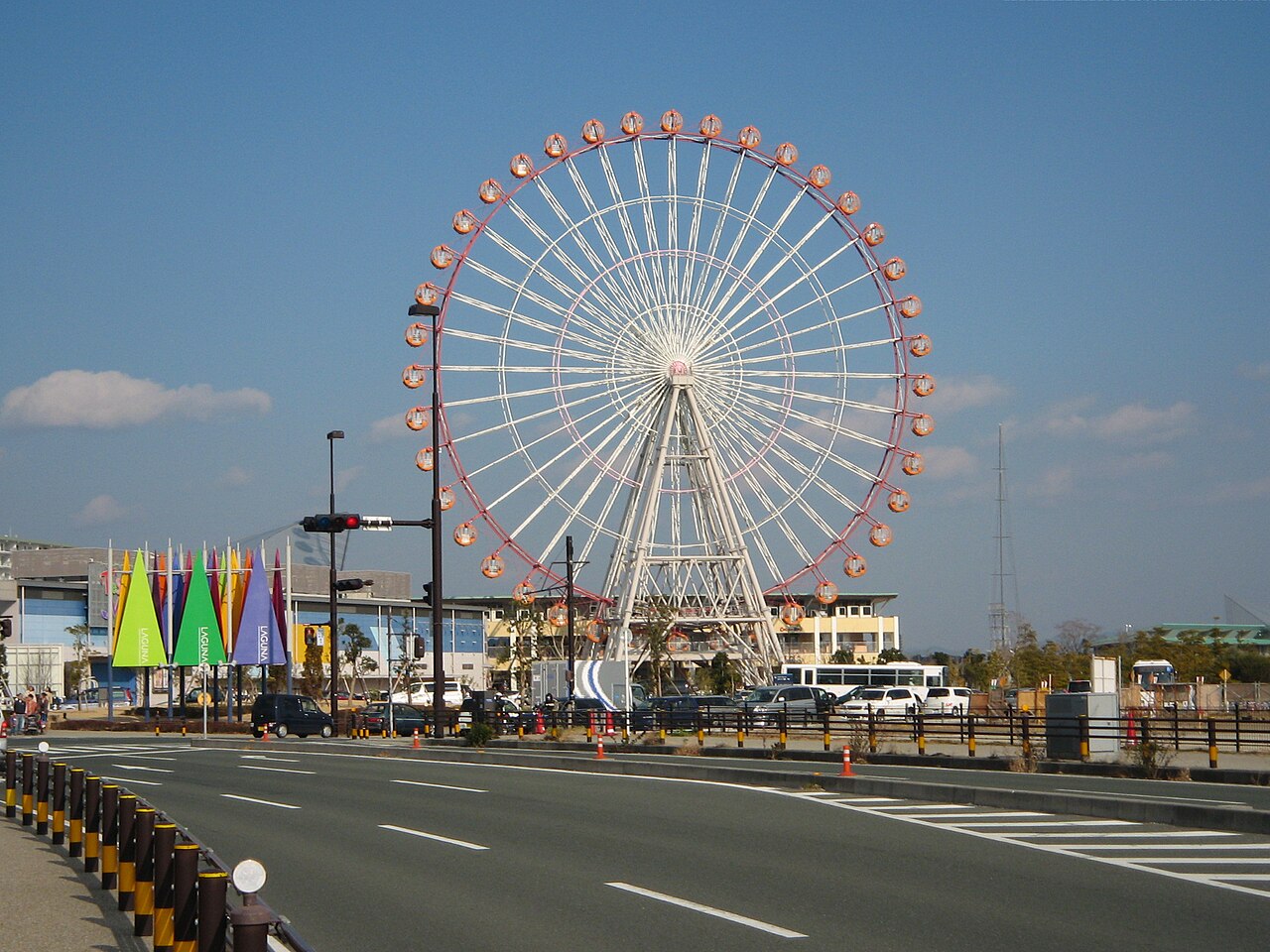
- Lagunasia: The core theme park, themed around the "Silk Road of the Sea." It features 23 attractions, including the "Aqua Wind" steel coaster, a 65-meter Ferris wheel, and a variety of family-oriented dark rides.
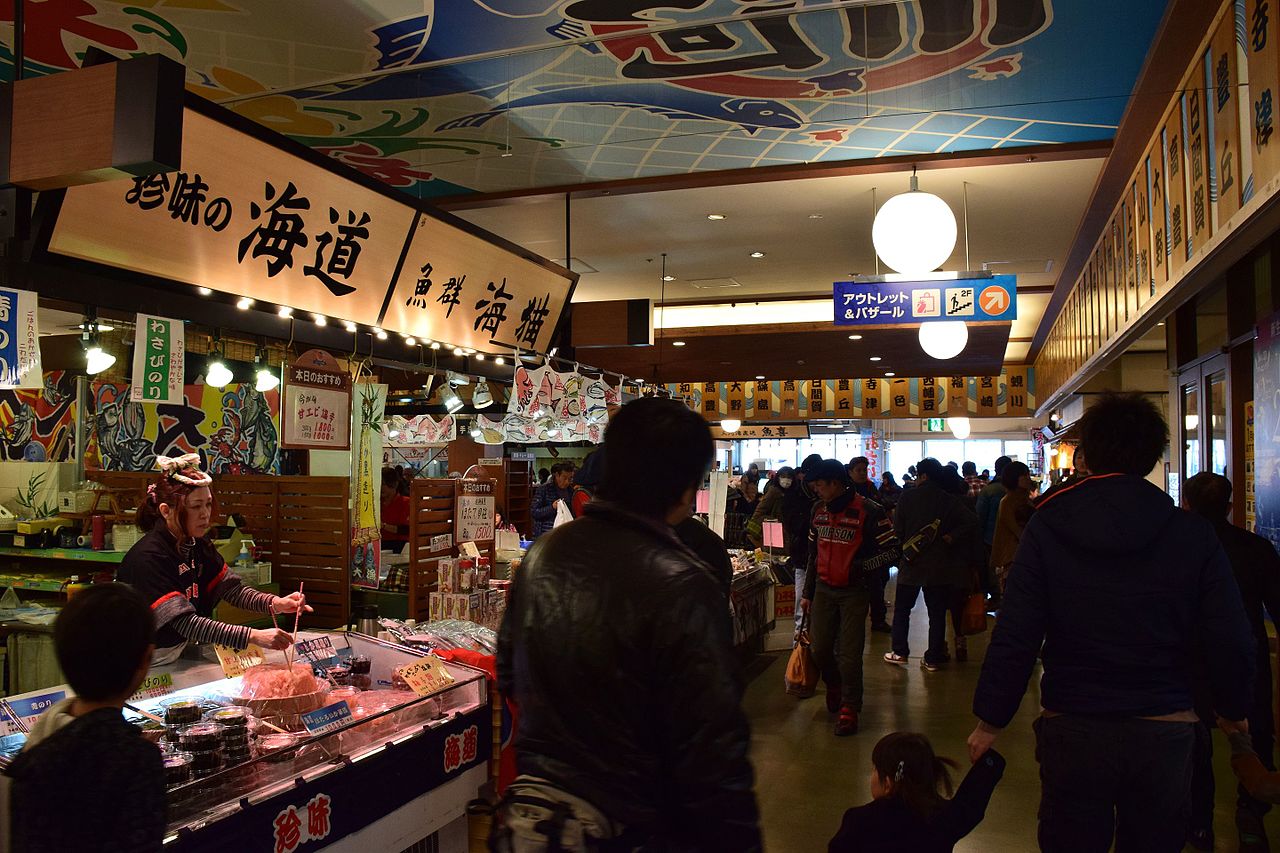
- The Festival Market: An expansive, open-access shopping and dining complex. This area houses approximately 40 retail outlets and, most notably, a fresh-fish market where the local Gamagori fleet lands its daily catch.
- The Water Park: A seasonal aquatic facility that operates from early July through early September. It features a 230-meter lazy river and various wave pools, making it a primary draw for summer tourism in Aichi.
- Laguna Resort Spa Thalassa: An on-site hotel that specializes in balneotherapy, utilizing heated seawater and marine-based wellness treatments to offer a luxury counterpoint to the high-energy activities of the park.
A Chronological Evolution: From Toyota Roots to H.I.S. Ownership
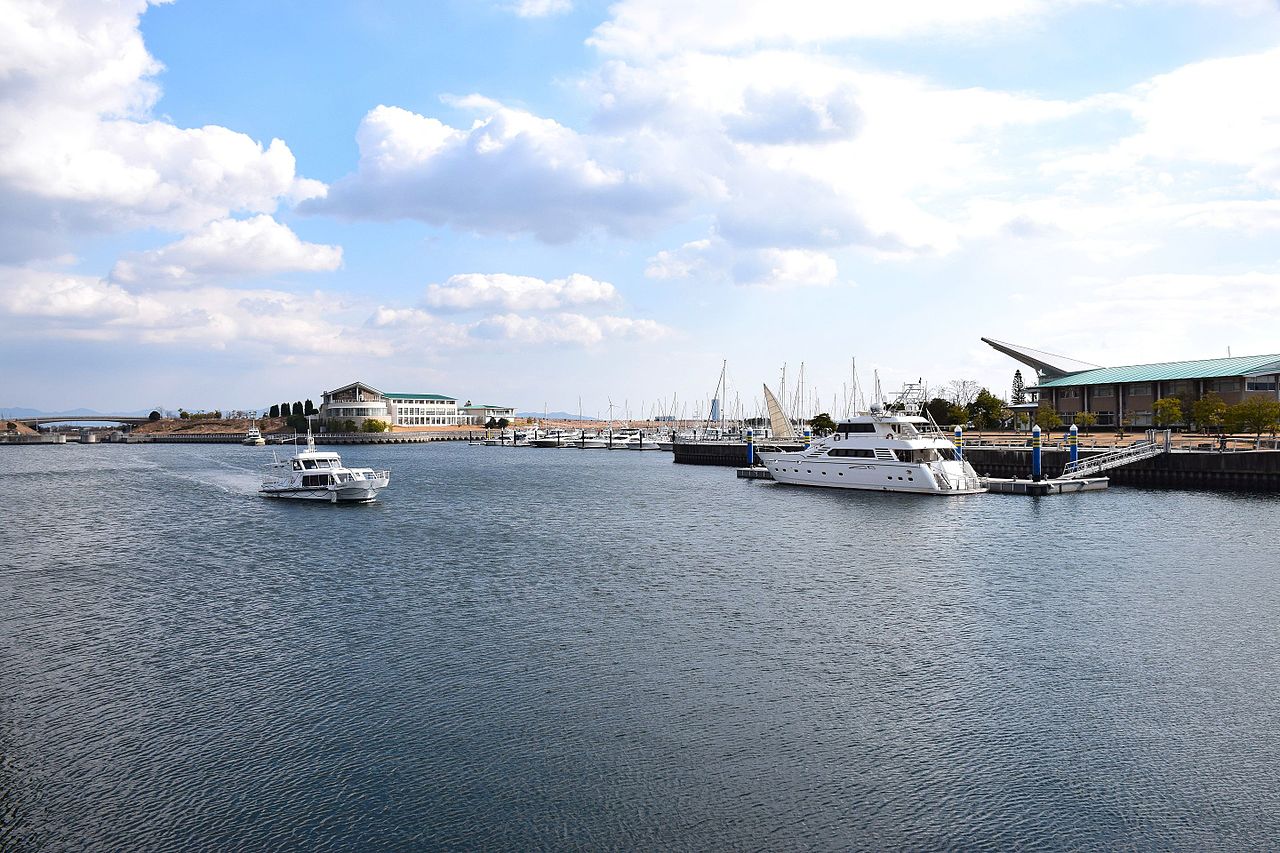
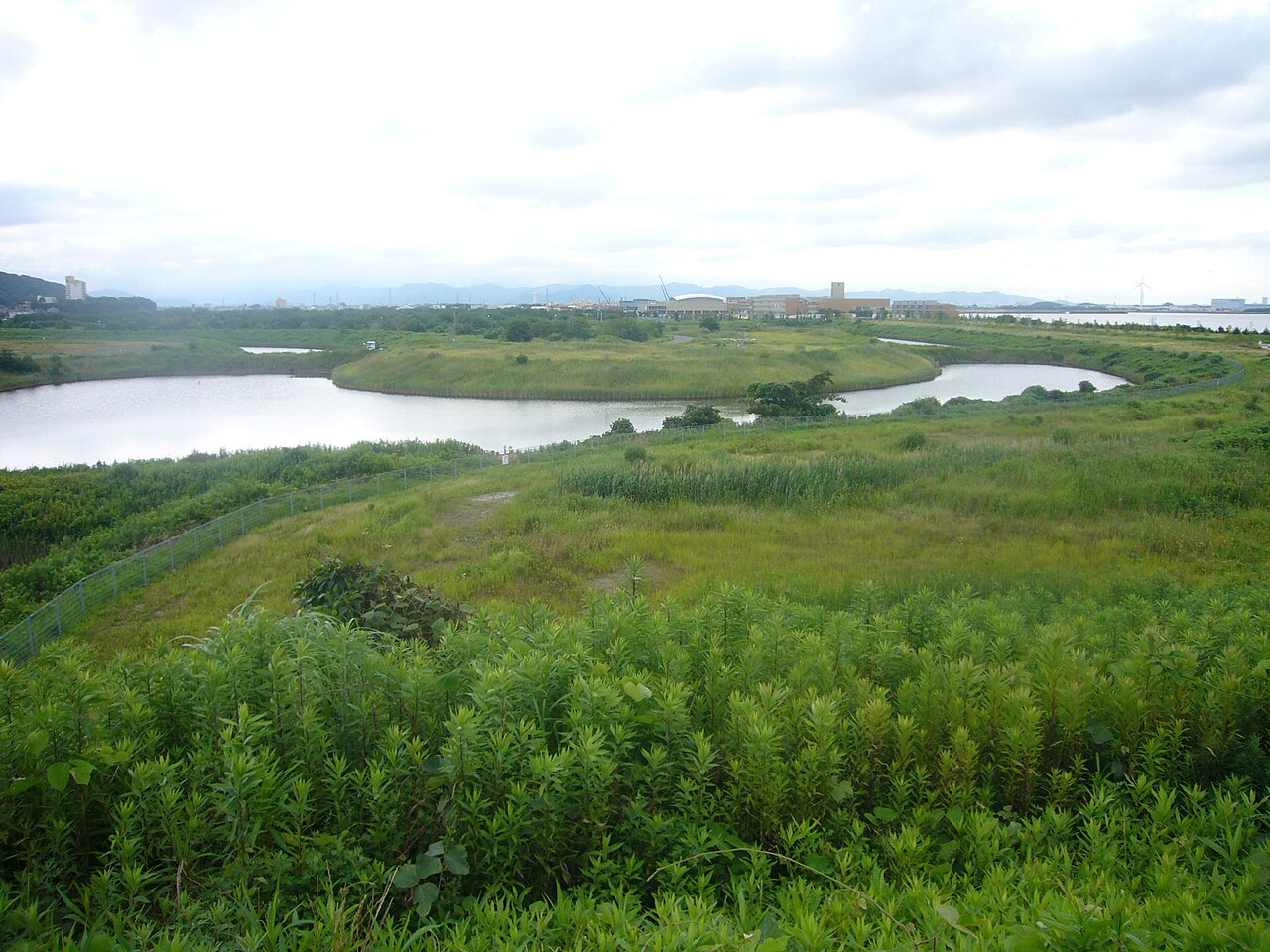
To understand the aesthetic of Laguna Ten Bosch, one must look back to its inception. The project broke ground in 2002 under the stewardship of a Toyota-affiliated arm of Mitsubishi Real Estate. The original mandate was ambitious: to create an all-inclusive "ocean resort" that would serve as a model for Japanese leisure, combining a theme park, marina, outlet mall, and hotel on reclaimed land in Mikawa Bay.
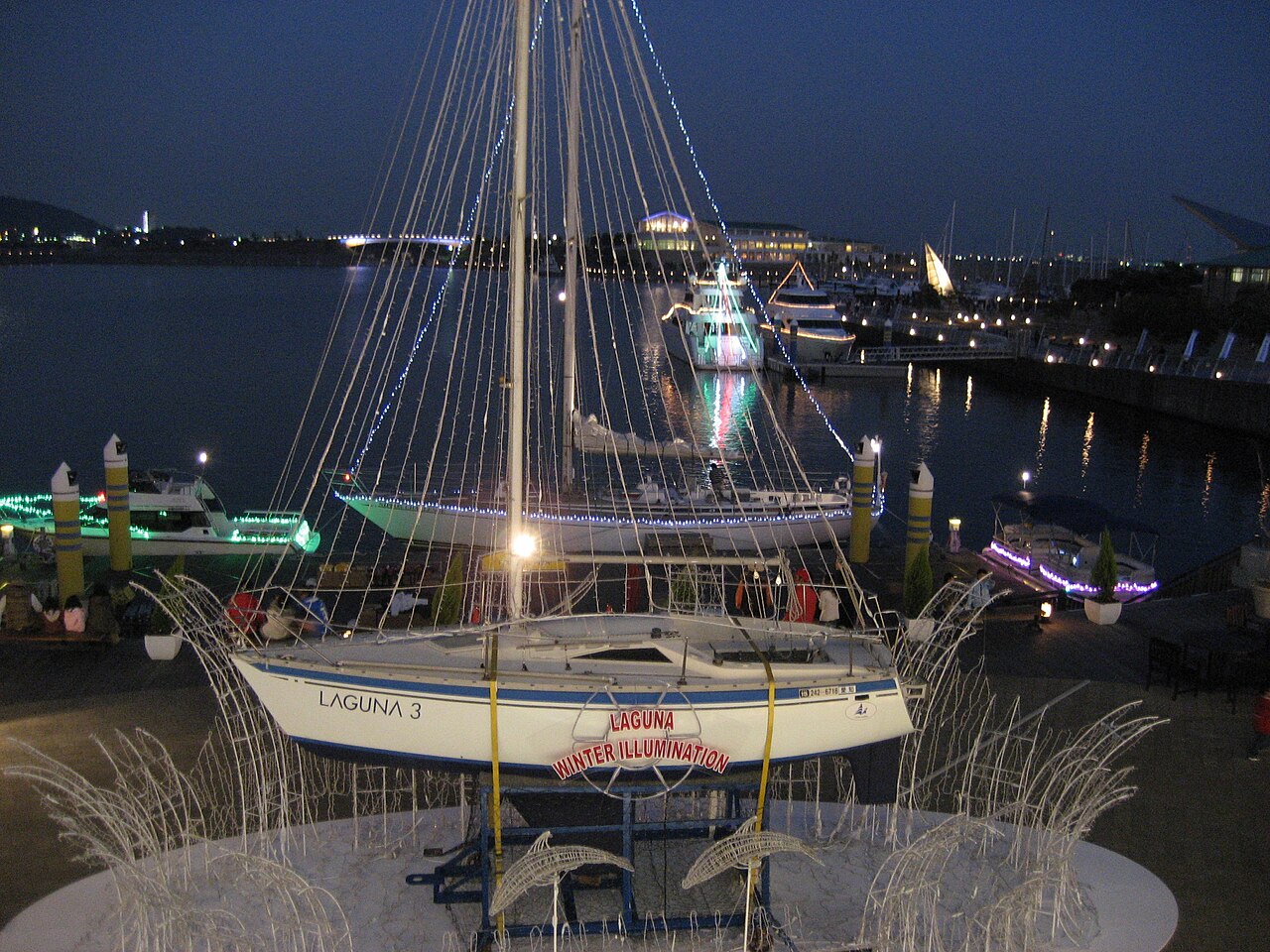
Throughout the 2000s, the park operated under the name Laguna Gamagori, serving as a regional hub for weekend travelers. However, the business model faced significant headwinds as shifting consumer tastes and the economic stagnation of the post-bubble era forced a re-evaluation of the property. By 2014, the original investors divested, paving the way for H.I.S. Holdings—a travel-agency-and-leisure conglomerate already renowned for its management of the expansive Huis Ten Bosch theme park in Nagasaki—to acquire the property.
In 2015, the rebranding to "Laguna Ten Bosch" signaled a pivot toward the aesthetic identity of its Nagasaki sibling. The infusion of Dutch-harbor architectural motifs—windmills, canal-style brickwork, and European-inspired plazas—gave the park a cohesive visual language that it previously lacked. This move was not merely cosmetic; it allowed H.I.S. to leverage brand synergy, even introducing shared mascot characters like "Hapira-chan" to foster a sense of continuity for repeat visitors.
Supporting Data: Infrastructure and Guest Experience
The Park Experience
Lagunasia, the flagship attraction, avoids the "licensed intellectual property" trap that defines Disney or Universal. Instead, it leans into the "Silk Road of the Sea" concept. While it lacks the immersive, high-budget theatrics of a major theme park, its visual consistency is superior to many regional Japanese competitors.
Key attractions include:
- Aqua Wind: A 590-meter compact steel coaster that reaches speeds of 54km/h. It is perfectly suited for families, offering a thrill that is significant but not intimidating.
- Legend of Labyrinth: An interactive shooting dark ride that represents the park’s modern shift toward gamified, high-engagement attractions.
- The 65-meter Ferris Wheel: A staple of the skyline, providing panoramic views of the Atsumi Peninsula. During the golden hour, it offers some of the best photographic vantage points in the region.
The Culinary and Commercial Edge
The Festival Market is perhaps the most unique component of the complex. Unlike standard park food courts, the Seaside Market operates in tandem with the local fishing industry. Visitors can purchase sashimi-grade sea bream, mantis shrimp, and clams directly from the source. The ability to have one’s market-purchased haul prepared by onsite chefs for a nominal fee provides an authentic local experience that is rare in the sanitized world of theme parks.
Official Responses and Strategic Positioning
Management at H.I.S. Holdings has been clear regarding their target demographic. Through recent marketing campaigns, the resort has positioned itself as an "entry-level" theme park. They acknowledge that they are not competing with the "Big Two" (Disney/Universal) or even the "Coaster Capital" of the region, Nagashima Spa Land.
"We are not trying to be the most thrilling park in Japan," a representative noted in a 2023 briefing. "We are trying to be the most accessible, comfortable, and reliable destination for families based in the Chubu region."
This strategy of "low-intensity, high-comfort" leisure has paid dividends. By keeping prices reasonable—with an all-inclusive passport at ¥3,990—and maintaining shorter queue times, the resort secures a steady stream of local repeat visitors, particularly those who find the chaos of Tokyo or Osaka parks too overwhelming for small children.
Implications for the Future of Regional Tourism
The success of Laguna Ten Bosch has implications for the broader Japanese tourism landscape. As Japan continues to deal with an aging population and a shift toward domestic "staycations," the model of the medium-sized, multi-use resort becomes increasingly viable.
1. The "Nagoya Gateway" Benefit
Laguna Ten Bosch serves as a perfect satellite destination for travelers visiting Nagoya. With the city’s robust rail infrastructure—specifically the JR Tokaido Line—the park is reachable in less than an hour. This connectivity allows the resort to thrive as part of a larger, two-day itinerary that might include the Toyota Commemorative Museum in Nagoya or the Toyokawa Inari Shrine.
2. The Shift toward Experiential Dining
The integration of the fresh-fish market into the theme park experience represents a sophisticated understanding of the modern tourist. Travelers, both domestic and international, are increasingly prioritizing culinary authenticity. By connecting the "theme park" to the "local industry," Laguna Ten Bosch effectively anchors itself in the culture of Aichi Prefecture rather than existing as a detached, artificial island of entertainment.
3. Sustainability and Maintenance
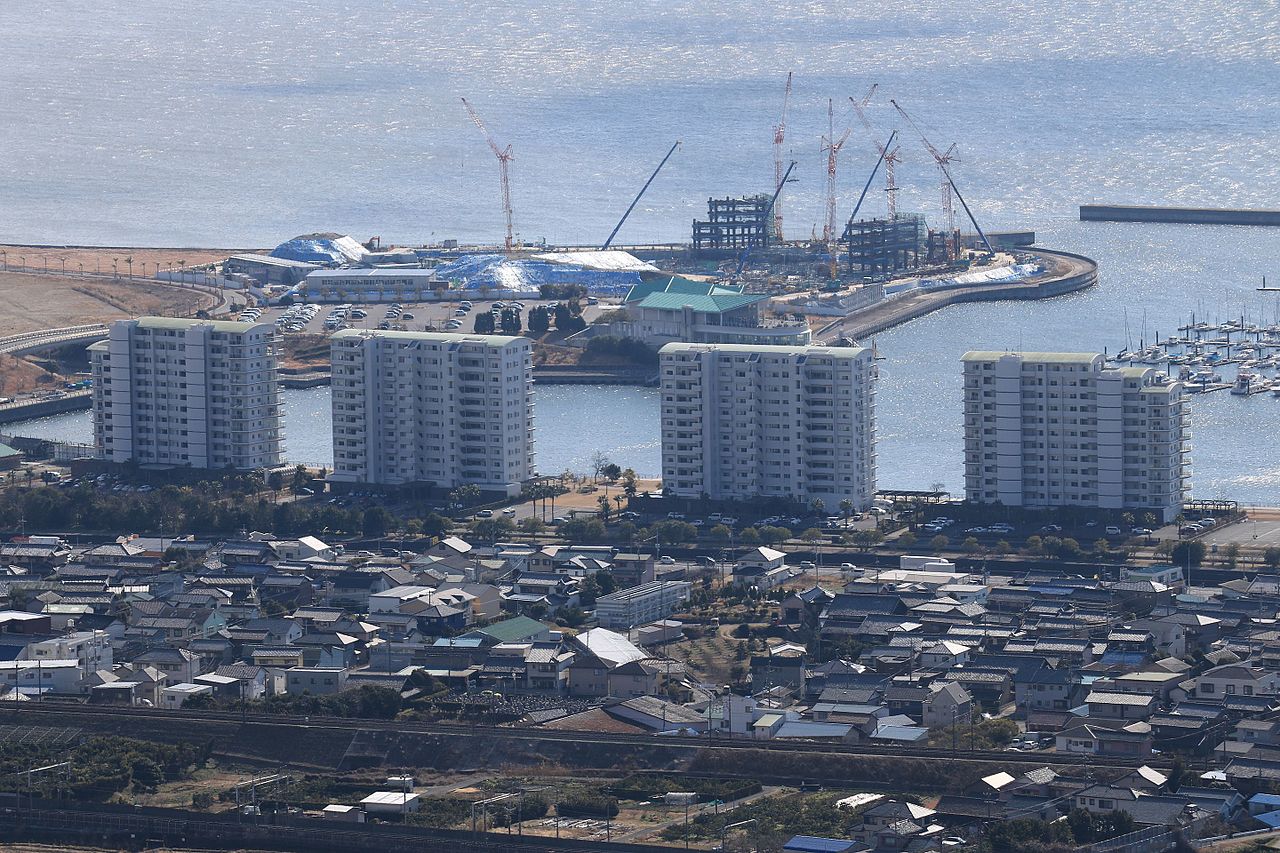
The resort’s commitment to its "Mediterranean" aesthetic is a long-term investment. Unlike parks that rely on temporary, branded pop-up events, the Dutch-harbor design creates a timeless atmosphere that is easier to maintain and market to multigenerational families.
Conclusion: Is it Worth the Trip?
The utility of a visit to Laguna Ten Bosch is entirely dependent on the traveler’s intent. For the "thrill-seeker" looking for world-class coasters, the answer is a firm "no"; Nagashima Spa Land remains the superior choice for that specific demographic.
However, for the family with children aged 4 to 10, or for the couple looking to escape the concrete of Nagoya for a sunset view over the water, the resort is a gem. It is a rare example of a Japanese theme park that doesn’t demand 12 hours of grueling, standing-room-only effort. It is manageable, it is affordable, and it is uniquely connected to the maritime soul of the Mikawa Bay.
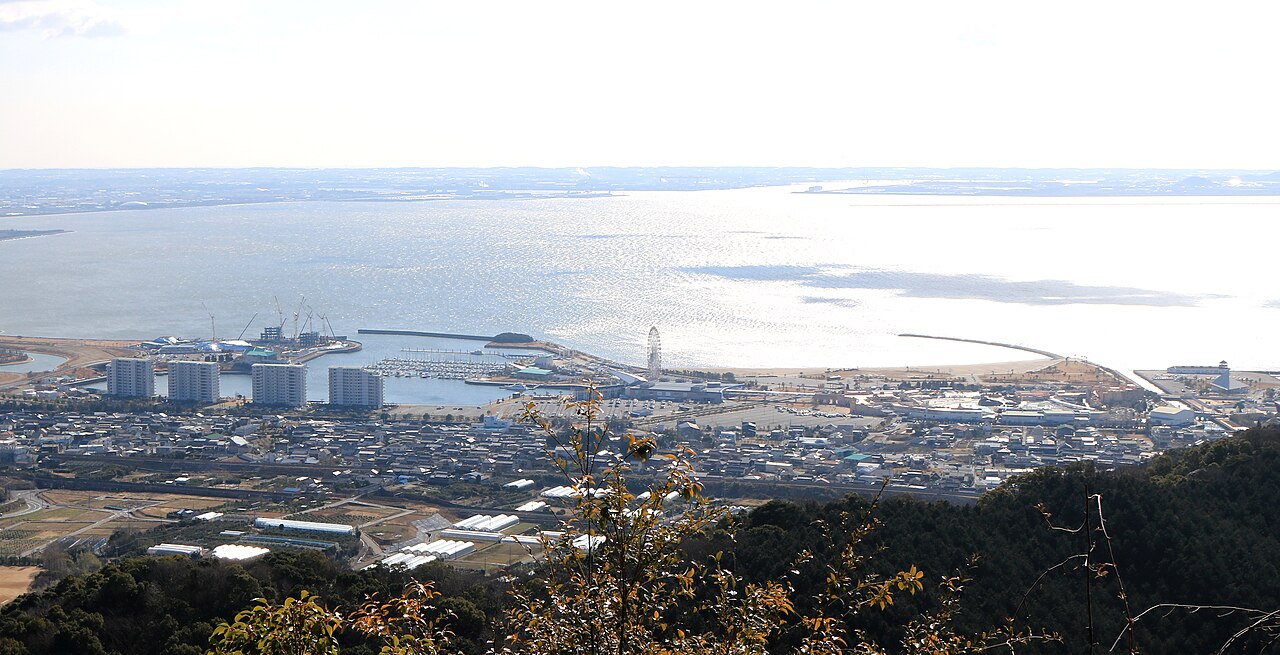
As the industry moves away from the unsustainable "bigger is better" model, Laguna Ten Bosch offers a blueprint for the future: a place where the rides are fun, the fish is fresh, and the experience is, above all, human-scale. Whether one is visiting for a summer splash in the pool or a quiet winter walk along the marina, the resort serves as a refreshing reminder that sometimes, the best destination is the one that knows exactly what it is.











