Jia Lissa
After a period of relative silence from Battlefield Studios, the developer has finally pulled back the curtain on the future of Battlefield 6. In a comprehensive presentation titled "The Year Ahead," the studio outlined a bold, ambitious, and content-rich roadmap for 2026. This plan addresses long-standing community requests, introduces significant mechanical overhauls, and doubles down on the franchise’s storied history to revitalize the multiplayer experience.
For a title that has been navigating a complex landscape of player expectations and technical evolution, 2026 marks a pivotal year. The roadmap confirms three distinct seasons—Seasons 3, 4, and 5—each designed to inject fresh life into the game’s meta through new theaters of war, gameplay modes, and highly anticipated quality-of-life improvements.
The Strategic Roadmap: A Chronological Breakdown
The roadmap is categorized into three distinct seasonal updates, each expanding the game’s scope in a different direction.
Season 3: The Return to Classics (Starting May 2026)
Kicking off in May, Season 3 focuses on grounding the Battlefield 6 experience in fan-favorite locales. The centerpiece is the return of the legendary Golmud Railway from Battlefield 4, reimagined as Railway to Golmud. Accompanying this is the transformation of Battlefield 3’s "Grand Bazaar" into the modern-day Cairo Bazaar.
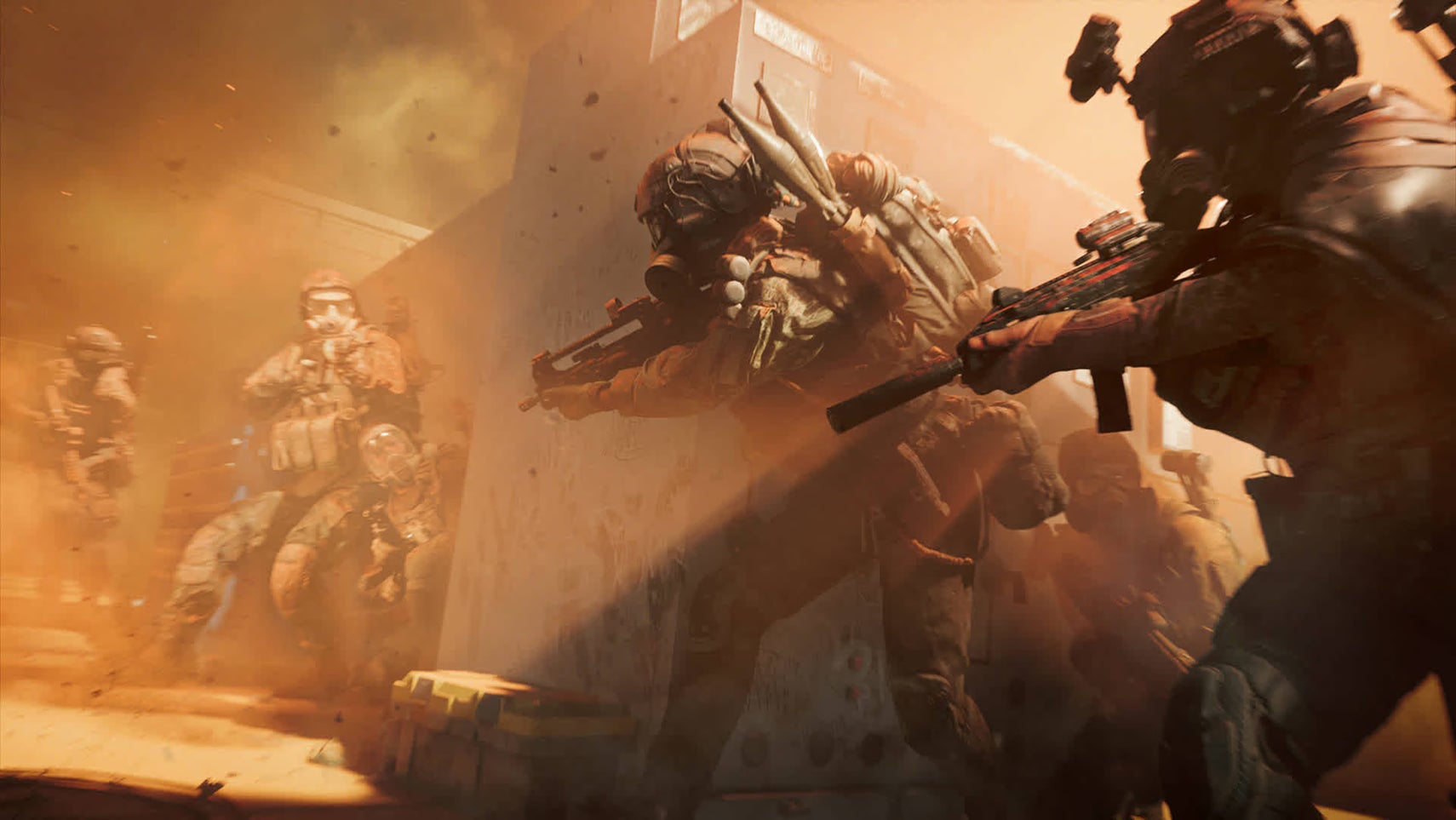
Beyond map re-designs, Season 3 is set to broaden the game’s competitive landscape. The studio has confirmed the implementation of a long-requested "Battle Royale Solos" mode, catering to players who prefer a high-stakes, individual experience. Additionally, the Redsec mode, which has seen moderate engagement, will receive a dedicated ranked progression system, signaling the developer’s intent to push Battlefield 6 further into the competitive esports space.
Season 4: The Naval Expansion (July 2026)
If Season 3 is about nostalgia, Season 4 is about technical scale. Launching in July, this update marks the official introduction of dedicated naval combat. This is a significant mechanical pivot for Battlefield 6, requiring the integration of a complex dynamic wave system and the introduction of massive aircraft carriers that serve as operational, moving flight decks.
Two maps will launch with this season: Tsuru Reef and a reimagined Wake Island. Tsuru Reef is being touted as the largest map ever developed for the Battlefield 6 engine, dwarfing the original Golmud Railway. The logistical challenge of balancing infantry, aerial, and naval combat on a map of this scale is substantial, but it represents the type of "sandbox chaos" that the franchise is famous for.
Season 5: The Mystery Expansion (Late 2026)
While details remain scarce, Season 5 is confirmed to be the most content-dense of the year, promising the addition of three new maps. By keeping these under wraps, the studio is likely attempting to build anticipation and allow for mid-year adjustments based on player feedback from the previous two seasons.

Supporting Data and Technical Innovations
The shift in Battlefield 6’s trajectory is underpinned by significant technical upgrades. The introduction of the dynamic wave system for Season 4 is more than just an aesthetic choice; it forces players to adapt their vehicles and positioning to the environment. Coupled with the return of "Custom Lobbies" and "Spectator Mode," the studio is clearly prioritizing community-driven content and content creation.
Perhaps most significantly, the 2026 roadmap heralds the return of the "Server Browser" and "Persistent Servers." In an era where automated matchmaking has become the industry standard, the ability for players to manually select servers—and host their own—is a monumental win for the community. While the exact implementation details regarding private server hosting remain ambiguous, the confirmation alone has been met with widespread approval from the veteran player base.
Official Responses and the "Remake" Controversy
One of the most nuanced aspects of this reveal is the heavy reliance on remakes. In the video presentation, developers acknowledged the trend, noting that they are aware of the community’s desire for new environments. However, they defended the strategy by pointing to the "mechanical reimagining" of these classic maps.
"When we bring back a map like Wake Island or Cairo Bazaar," one lead developer noted, "we aren’t just copy-pasting geometry. We are adjusting the flow, the sightlines, and the destructibility to fit the modern movement mechanics and vehicle balance of Battlefield 6. These aren’t just ghosts of the past; they are fresh experiences built on familiar foundations."

Critics argue that the reliance on legacy content suggests a lack of original creative direction, but the gameplay data—which shows high player retention on existing remade maps—tells a different story. For many, the familiarity of these maps provides a baseline that allows them to better appreciate the underlying mechanical improvements of the engine.
Implications for the Future of the Franchise
The implications of this roadmap are profound for the longevity of the game. By moving away from purely "live service" seasonal tropes and leaning into community-requested features like custom servers and spectating, Battlefield Studios is attempting to stabilize the title’s reputation.
1. Competitive Integrity
The introduction of ranked play for Redsec is a clear indicator that EA and Battlefield Studios are looking to cultivate a more serious competitive scene. If successful, this could bridge the gap between casual "sandbox" play and the tactical depth required for professional-level engagement.
2. The Sandbox Evolution
The move toward large-scale naval combat with dynamic environments suggests that the studio is not afraid to push the engine to its limits. This level of technical ambition is what originally set the franchise apart from competitors like Call of Duty. By leaning into the spectacle, they are playing to their strengths.

3. Community Trust
The delay of four months to announce this roadmap was a source of frustration, but the transparency provided in "The Year Ahead" video goes a long way toward repairing the bridge between developer and player. By validating the "good ol’ days" of server browsers and community-managed lobbies, the studio is effectively signaling that they have heard the criticism regarding the game’s initial lack of community agency.
Final Thoughts: A Year of Calibration
2026 is poised to be a defining year for Battlefield 6. The roadmap is not merely a list of updates; it is a calculated response to the feedback loop that has defined the game’s life cycle thus far. Whether it is the return of the server browser, the expansion of the map pool, or the ambitious introduction of naval warfare, the focus is clearly on delivering the "classic" Battlefield experience through a modern lens.
As we look toward May and the launch of Season 3, the community’s eyes will be glued to the upcoming, more granular reveals. If the developers can execute these changes with the same level of care that they have applied to the map remakes, Battlefield 6 might just achieve the resurgence that many fans have been hoping for since the game’s inception. The roadmap is set, the theaters of war are defined, and for the first time in a long time, the future of the franchise feels like it is moving in a direction that respects both its past and its potential.


 Asro
Asro
 Muslim