Asro
Asro
For the modern traveler, the vibrant neon-soaked streets of Shibuya, Tokyo, represent a sensory overload of culture, fashion, and—most importantly—gastronomy. However, while the area is world-renowned for its high-end sushi counters and bustling izakayas, there is an often-overlooked secret to mastering a Tokyo trip: the humble microwave.
Choosing a hotel room equipped with a microwave in a city as fast-paced as Tokyo is not merely a convenience; it is a strategic decision that offers financial freedom, dietary autonomy, and the ultimate comfort of late-night dining. Whether you are a solo traveler on a strict budget, a parent navigating the needs of an infant, or a gourmand looking to bring the city’s culinary wonders back to your bedside, this guide examines why the “microwave-equipped stay” is the new gold standard for Shibuya accommodation.
Main Facts: The Strategic Advantage of In-Room Appliances
The Japanese conbini (convenience store) culture—led by titans like 7-Eleven, Lawson, and FamilyMart—is arguably the most sophisticated in the world. Yet, much of the high-quality fare found on these shelves is designed to be reheated. When you purchase a steaming pack of Japanese curry, a box of teishoku (set meal), or a hearty bowl of tonkotsu ramen, the store clerk will often offer to heat it for you. But what happens if your plans change? What if you want to save that meal for a midnight snack after a long night of exploring the Shibuya Sky or the scramble crossing?
Without a microwave, your options are limited to cold, lackluster meals. With one, your hotel room effectively becomes a private dining room. This capability extends beyond convenience stores; it allows travelers to navigate Japan’s complex food landscape with ease. From specialized frozen food retailers to leftovers from upscale restaurants that serve portions too large to finish in one sitting, a microwave transforms your hotel room into a flexible culinary hub.
Chronology: The Evolution of the "Stay-In" Traveler
The rise of the "microwave-equipped" hotel room is a relatively recent phenomenon in Japan’s hospitality sector, driven by a shift in traveler demographics.
- Pre-2010: Japanese hotels were primarily focused on the "business traveler" model—small rooms, limited amenities, and an expectation that guests would eat out for every meal.
- 2010–2018: The boom in international tourism highlighted a gap. Visitors from overseas, particularly families and long-term travelers, expressed frustration at the lack of basic kitchen infrastructure.
- 2019–Present: Post-pandemic, there has been a massive surge in demand for "serviced apartments" and hotels that offer more home-like amenities. Chains like Tokyu Stay have gained massive market share by pivoting toward long-term residents who require more than just a bed—they require a kitchen.
This shift mirrors a broader change in the global tourism industry: the "live like a local" movement. Today, travelers are less interested in eating every meal at a tourist-trap restaurant and more interested in exploring local supermarkets, buying seasonal ingredients, and enjoying them in a private, quiet setting.
Supporting Data: Why "Conbini" Cuisine is a Culinary Destination
The misconception that convenience store food is "low quality" is quickly dispelled by anyone who has spent a week in Japan.
The Frozen Food Renaissance
Japan has perfected the art of the frozen meal. Brands like Gindaco (famous for takoyaki octopus balls) and various regional specialty shops offer frozen versions of their signature dishes that are virtually indistinguishable from their street-stall counterparts.
- Okonomiyaki: Savory cabbage pancakes that retain their texture perfectly in a microwave.
- Red Azuki Sweets: Frozen desserts that can be tempered in seconds.
- Specialty Broths: Frozen ramen kits that require only a microwave-safe bowl and water.
The "Daikanyama" Factor
For those with more refined tastes, the frozen food specialty shop Picard—a French institution—maintains a significant presence in the fashionable Daikanyama district, just a 15-minute walk from Shibuya Station. Picard offers everything from high-end appetizers to gourmet desserts, all of which are designed to be finished in a microwave or oven. Staying in a hotel with a microwave allows you to curate a high-end French dinner in the middle of Tokyo.
Official Responses and Industry Standards
Major hospitality groups in Shibuya have acknowledged this demand. According to a representative from the Tokyu Group, "Our guests are no longer just here for 48 hours. They are here for weeks. When you stay for a week, you don’t want to eat out every single meal. You want the comfort of a home-cooked atmosphere."
This sentiment is echoed by the management at various "lifestyle hotels" like all day place Shibuya and Mustard Hotel, which have begun installing microwaves in common areas to facilitate guest interaction and convenience. While they may not have the space to put a unit in every single room, they recognize that the access to a microwave is a "must-have" feature in the modern traveler’s checklist.
Implications: A More Comfortable and Inclusive Stay
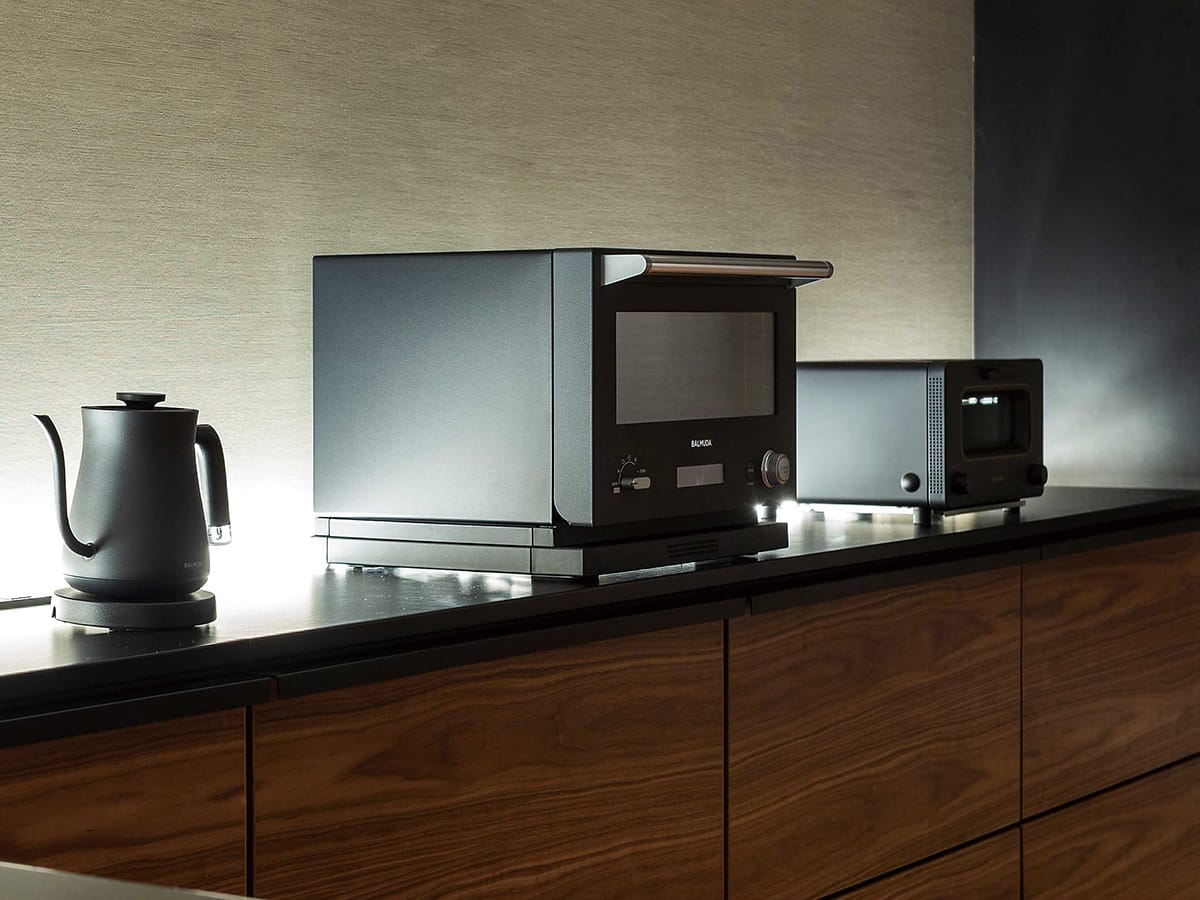
The implications of having a microwave extend far beyond food. For travelers with infants, the ability to sterilize bottles in a microwave-safe steamer is not just a convenience—it is a necessity. For those with specific dietary restrictions, the ability to read labels at a grocery store and prepare one’s own food is the only way to guarantee a safe meal in a foreign language environment.
Furthermore, the economic impact is significant. A typical restaurant dinner in Shibuya can cost upwards of ¥3,000 to ¥5,000 per person. A high-quality meal from a conbini or a local supermarket often costs less than ¥1,000. For a family of four, the savings over a week-long trip can amount to tens of thousands of yen, which can then be reallocated to shopping, museum entries, or other experiences.
Recommended Accommodations in Shibuya
To ensure your next trip to Shibuya is as seamless as possible, we have categorized the top hotels by their microwave accessibility.
Category A: In-Room Microwave Ovens
For those who prioritize total privacy and independence, these hotels are the gold standard.
- Tokyu Stay Shibuya Shin-Minamiguchi: A leader in the long-stay market. Every room is designed for the modern traveler, featuring a kitchenette, washer/dryer, and a dedicated microwave.
- Tokyu Stay Shibuya: Consistent with the chain’s reputation, this location offers the same high-standard amenities, allowing you to treat your hotel room like a studio apartment.
Category B: Common Area Microwave Ovens
If you don’t mind a short walk down the hall, these properties offer excellent access to heating facilities.
- APA Hotel Shibuya Dogenzakaue: Located in the heart of the action, this hotel provides communal microwave facilities for guests.
- Shibuya Stream Excel Hotel Tokyu: A high-end property that blends luxury with practicality. Their common area facilities are meticulously maintained.
- JR-East Hotel Mets Shibuya: Highly recommended for those arriving by train, as it is situated conveniently near the tracks and offers easy access to communal appliances.
- Hotel Wing International Premium: A reliable choice for travelers looking for a balance between price and facility accessibility.
- all day place Shibuya: A stylish, modern hotel that understands the needs of the millennial traveler, providing communal access to microwaves.
- Mustard Hotel Shibuya: Known for its creative atmosphere, this hotel is a favorite among younger travelers who appreciate the communal kitchen vibe.
Conclusion: Planning Your Stay
As you prepare for your upcoming visit to Shibuya, do not overlook the importance of your accommodation’s infrastructure. A microwave may seem like a minor detail, but it is the key to unlocking a more flexible, affordable, and authentic Tokyo experience. Whether you are reheating a decadent tonkatsu leftover or preparing a quick bottle for your baby, having access to a microwave is the difference between a standard hotel stay and a truly comfortable home-away-from-home.
When booking, use the maps provided by your hotel or the links on our site to verify the proximity of these properties to the major transit hubs. By making an informed decision today, you are setting the stage for a much more relaxed and enjoyable Shibuya adventure. Happy travels—and even happier dining!


 Neng Nana