Azzam Bilal Chamdy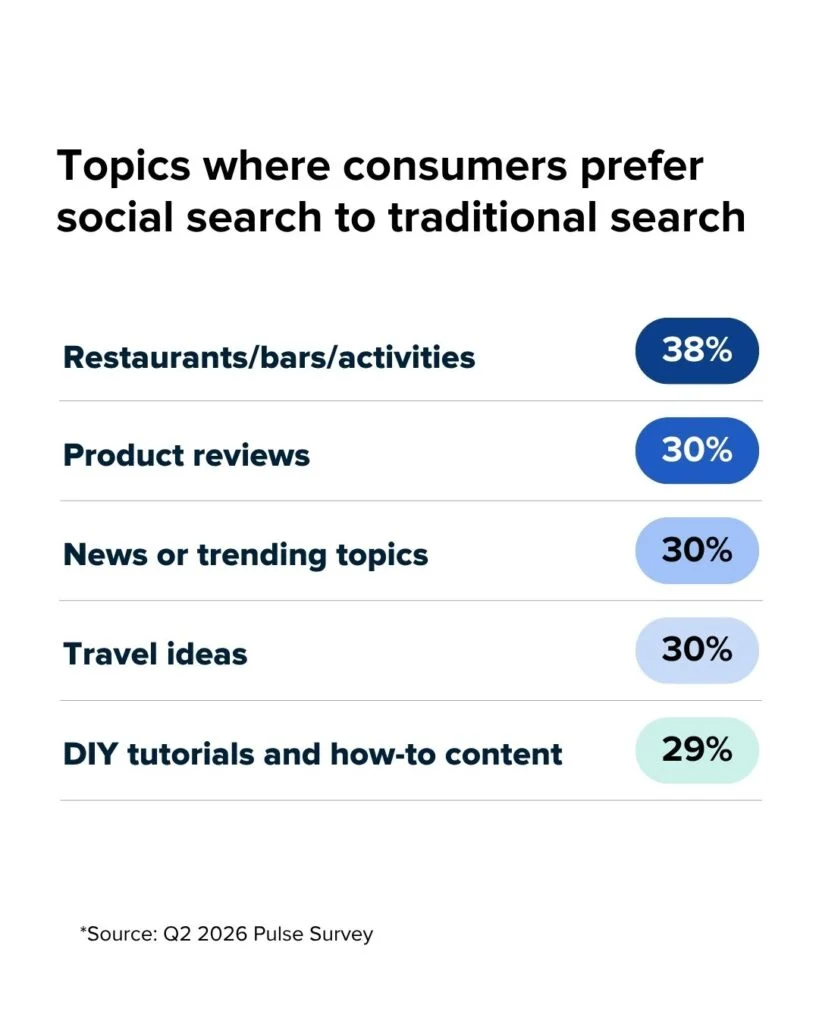
The traditional paradigm of brand management—a top-down, curated monologue delivered through polished advertising—is effectively dead. In its place has emerged a decentralized, high-velocity digital ecosystem where brands possess less control over their own narratives than ever before. With the rise of influencer culture, the prevalence of real-time brand crises, and the transformation of social media platforms into primary discovery engines, the modern consumer is now the primary architect of a brand’s reputation.
This shift is not merely anecdotal; it is a fundamental restructuring of how trust and information flow in the digital age. According to the Q2 2026 Pulse Survey, which captured the sentiment of over 2,000 social media users across the US, UK, and Australia, the power dynamic has shifted decisively toward the user. Brands are no longer the primary speakers; they are subjects of a sprawling, continuous conversation they can influence, but rarely dictate.

The Democratization of Search: Beyond the Search Engine
For years, the industry anticipated that AI-driven search would fundamentally alter user behavior. While AI is gaining traction, the Q2 2026 data suggests a more nuanced reality: users are bypassing traditional search engines in favor of social platforms to satisfy specific, intent-driven queries.
Generational Shifts in Discovery
While 50% of the total survey population still identifies traditional search engines as their first "port of call," the demographic divide is stark. For Gen Z, the preference is essentially split between traditional search and social platforms. Millennials follow a similar trend, leaning 45:24 toward traditional engines, but demonstrating a clear willingness to use social platforms for discovery.
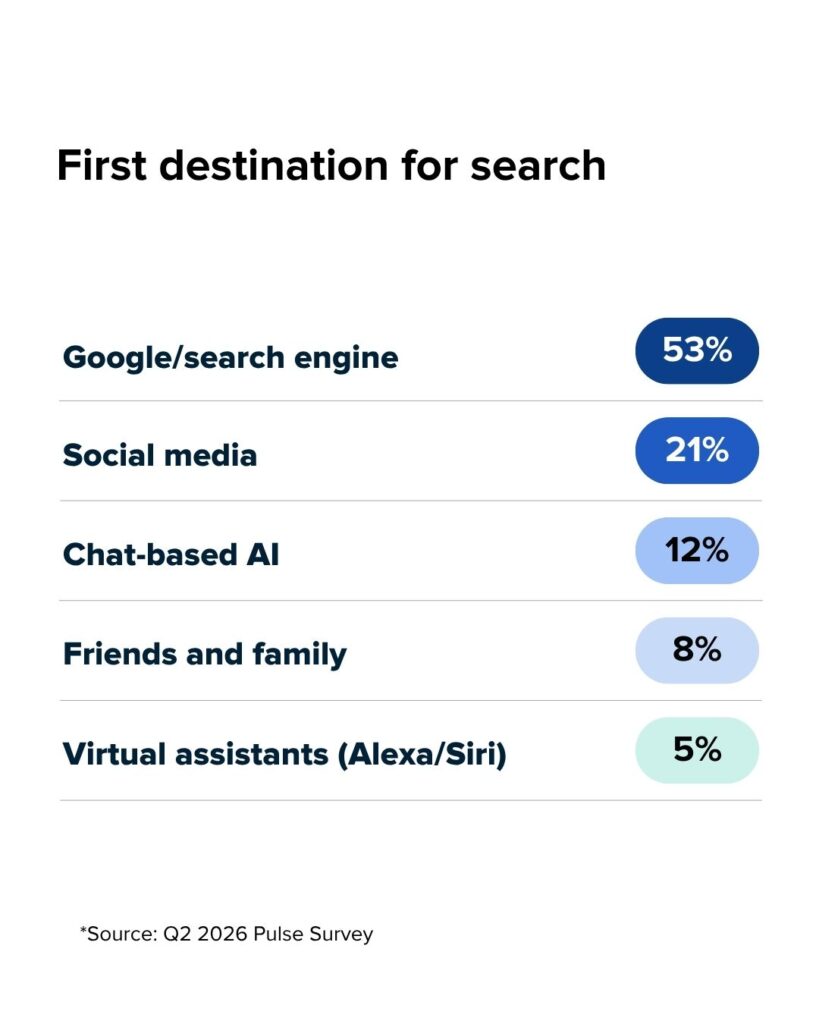
This evolution is driven by a desire for "human-validated" information. When consumers search for restaurants, bars, travel itineraries, or product reviews, they are not looking for SEO-optimized landing pages; they are looking for "social proof." The data indicates that 38% of consumers prefer social search for dining and nightlife, while approximately one-third utilize these platforms to find news, product reviews, and DIY tutorials.
Essentially, when consumers seek personal experience, honest reviews, or visual evidence, they migrate to Facebook, YouTube, TikTok, and Instagram. In a "zero-click" search environment, brands that fail to populate these social channels with authentic, searchable content risk becoming invisible to the next generation of consumers.
The Influencer Evolution: From AI Skepticism to Employee Advocacy
The influencer landscape is currently navigating two significant, often conflicting, trends: the rise of artificial intelligence and the emergence of the "employee-influencer."
The AI Paradox
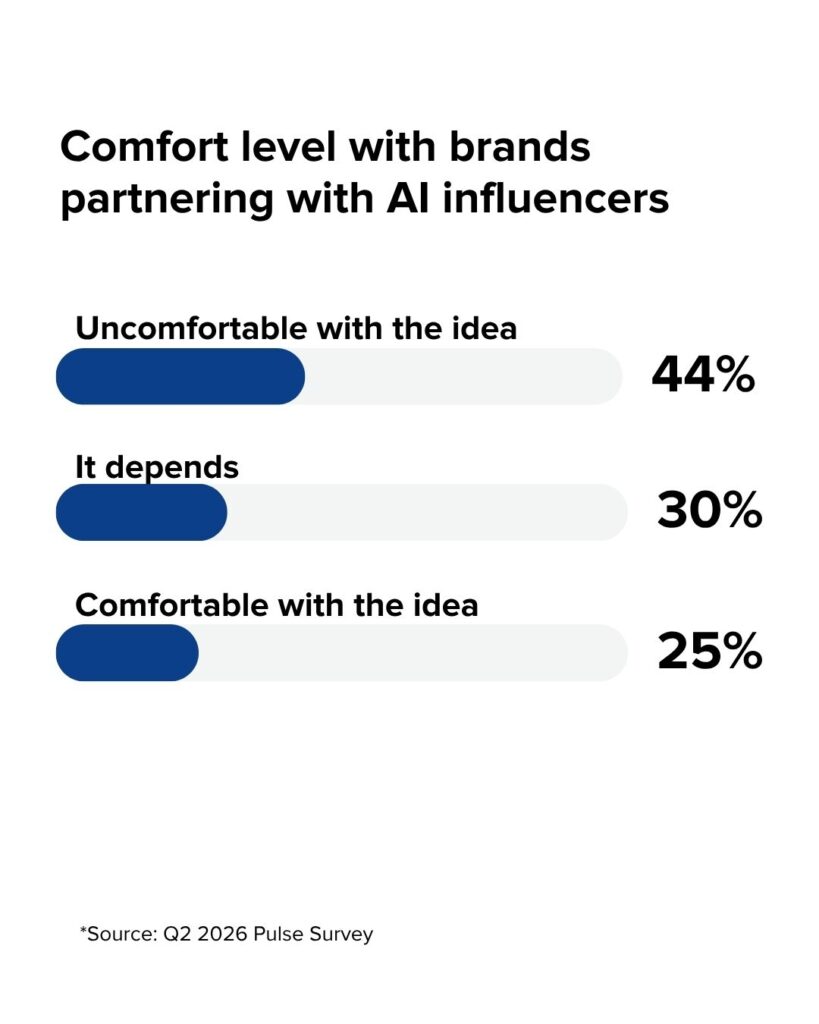
2026 has been a watershed year for the AI influencer, characterized by high-profile appearances at events like Coachella and the emergence of hyper-realistic digital personas. Despite the technical prowess of these creators, public sentiment remains deeply skeptical. 44% of consumers expressed discomfort with brands partnering with AI influencers, while only 25% deemed such partnerships acceptable.
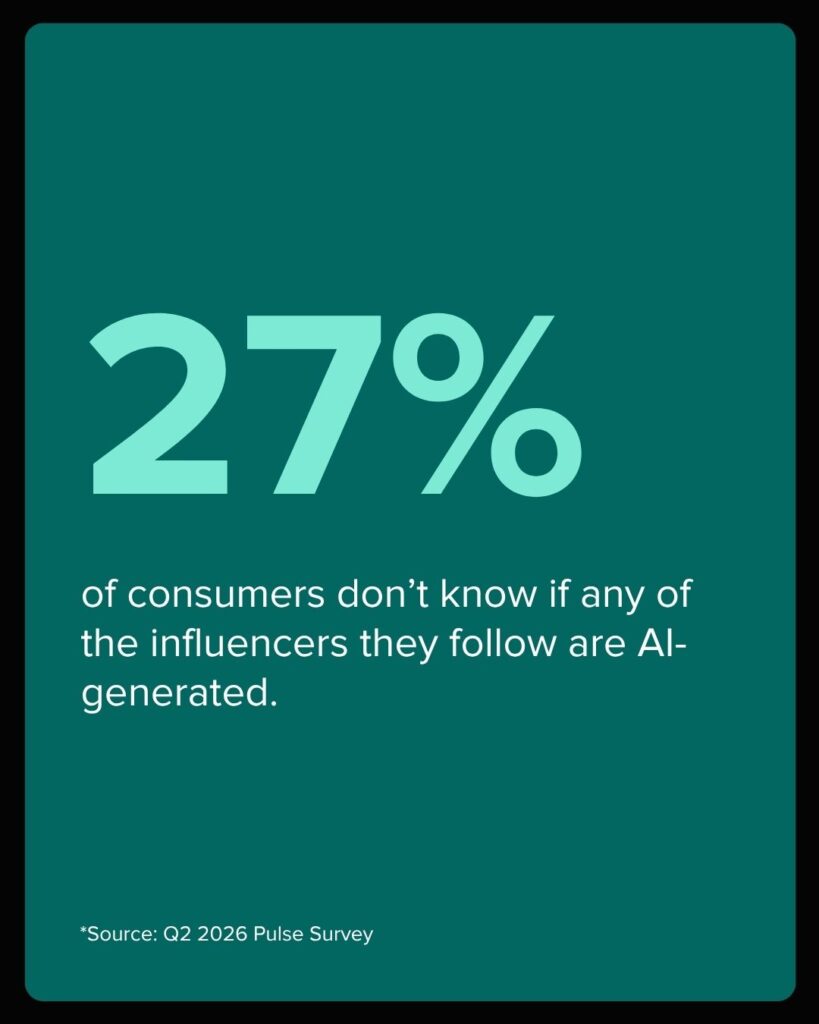
The issue is compounded by a lack of transparency. The survey revealed that over 27% of users are unsure if the influencers they follow are human or machine-generated. While 60% of respondents claim to be certain they follow no AI creators, this confidence wanes significantly among younger cohorts. This suggests a growing "trust gap" that brands must navigate; utilizing AI creators for scale may come at the cost of the authenticity that audiences currently crave.
The Rise of the Employee-Influencer
Conversely, the "employee-influencer"—real people sharing their authentic experiences working within a company—is gaining significant momentum. Brands like Notion and the viral "Staples Baddie" have showcased the power of internal talent to humanize a corporate entity.
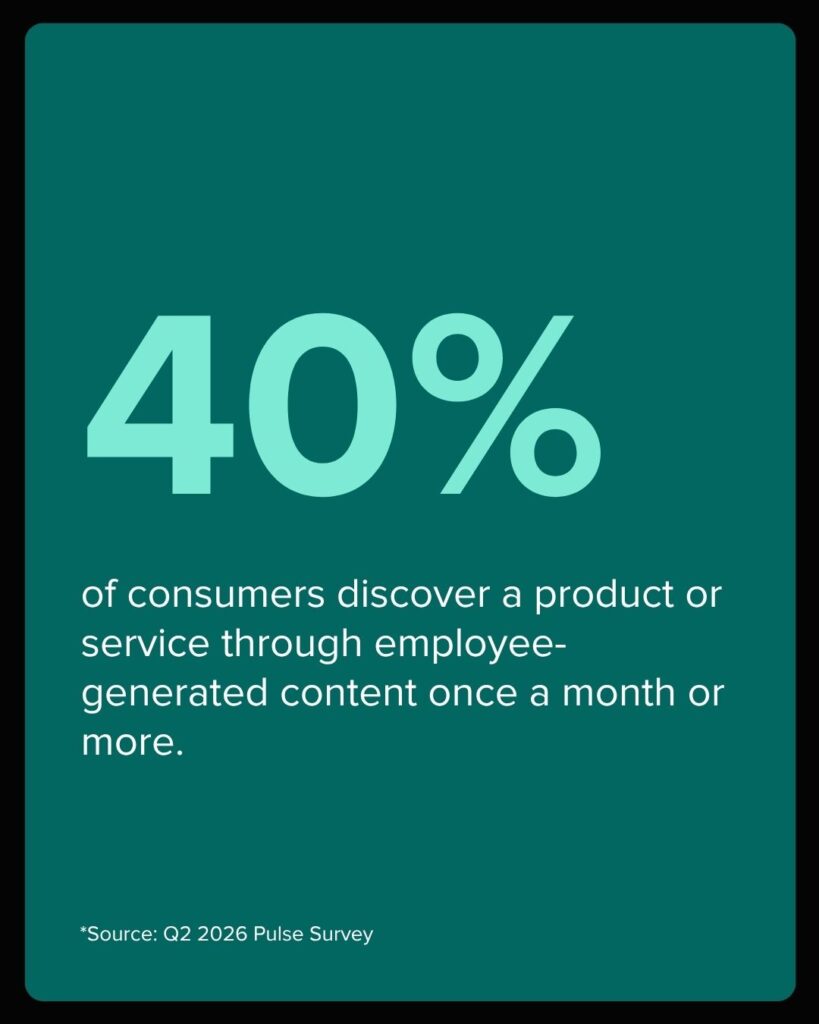
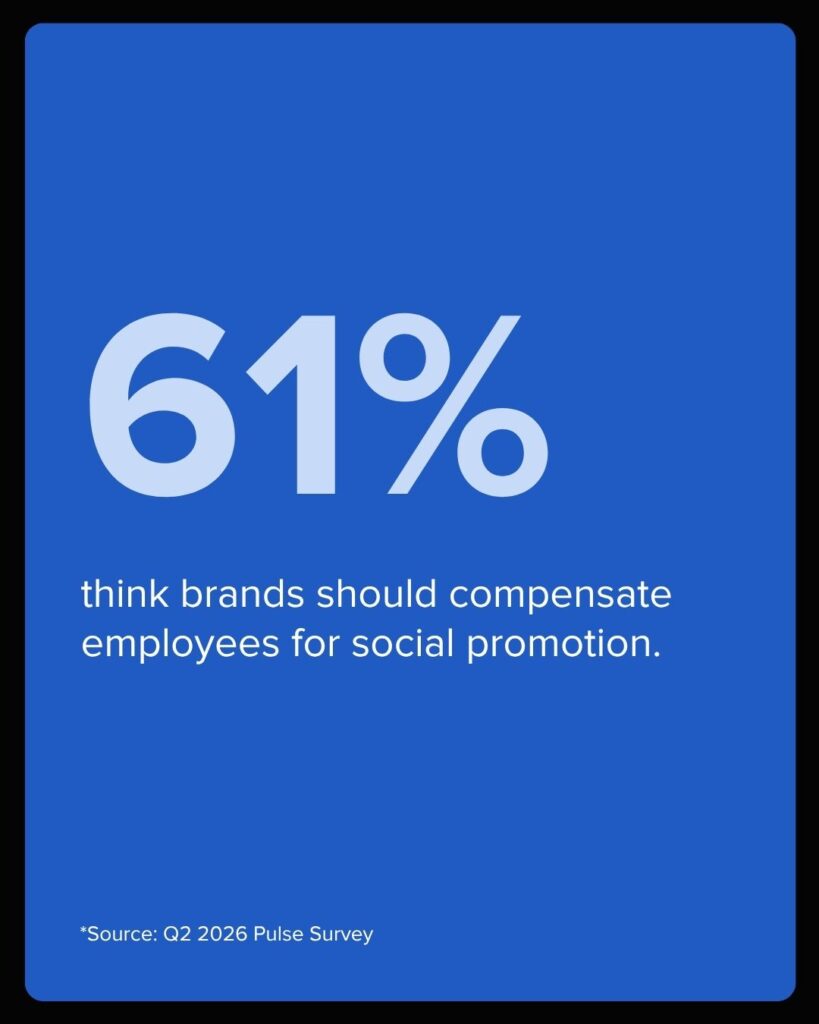
The metrics support this shift: 40% of consumers report discovering products through employee-generated content, with that figure jumping to 61% among Gen Z. However, this is not a "free" marketing channel. 61% of consumers believe that employees who promote their workplace should receive additional compensation for their efforts. Brands ignoring this expectation risk both labor relations issues and potential backlash from a consumer base that values fair labor practices as much as product quality.
The New Playbook for Crisis Management
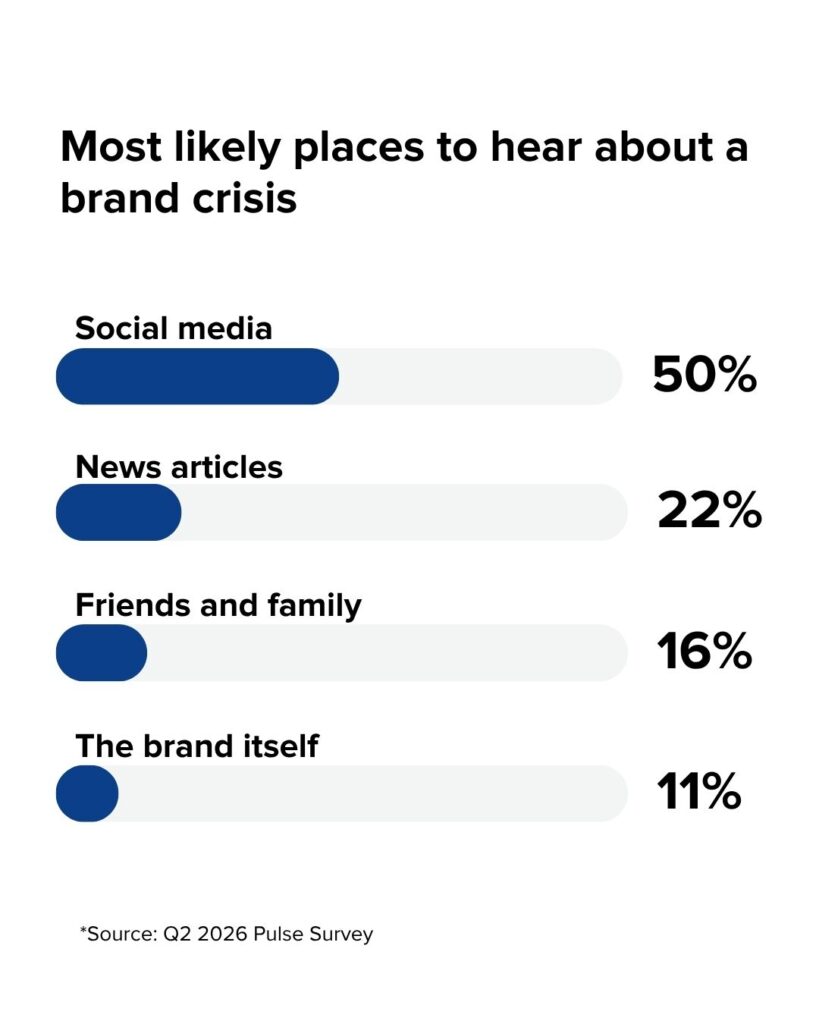
Perhaps the most disruptive change in brand management is the speed and location of modern brand crises. The survey data is unequivocal: social media is the definitive epicenter of reputational risk. 50% of consumers report that they first encounter news of a brand crisis on social media—a figure double that of traditional news outlets.
The Mandate for Real-Time Communication
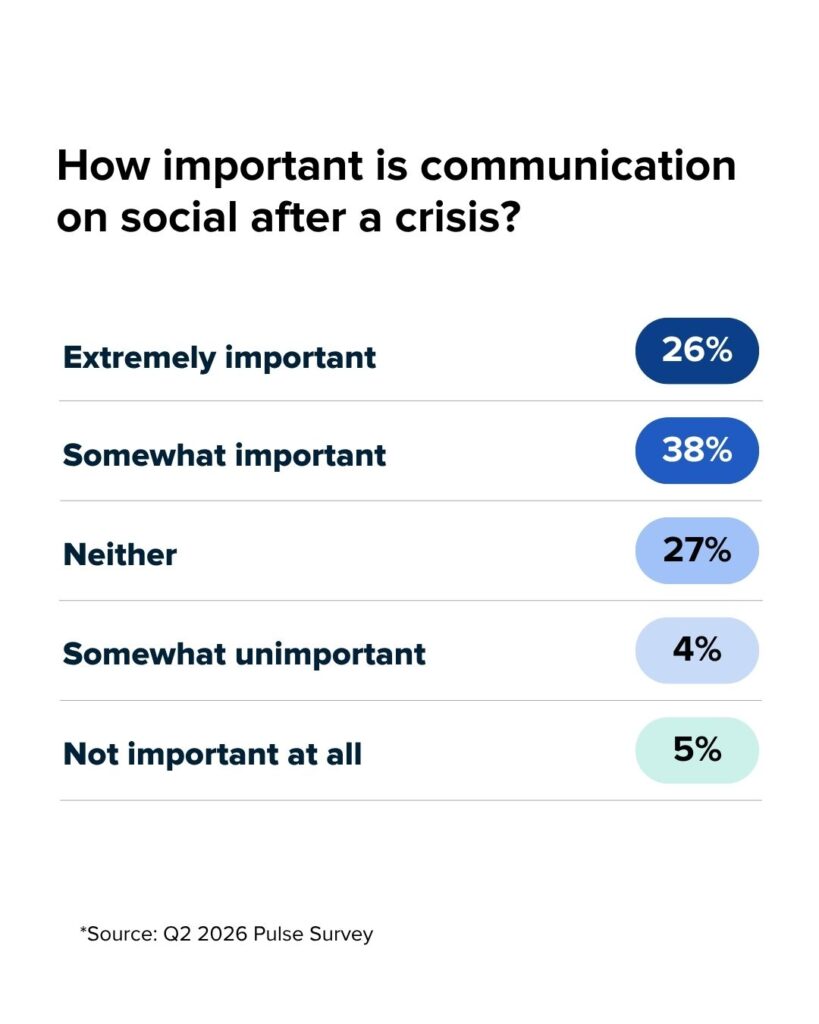
The era of the "three-day press release" is over. Because consumers discover crises on social media, they expect resolutions to unfold on those same platforms. 64% of consumers stated that it is important for a brand to communicate on social media during a crisis, preferring it over traditional corporate website statements.
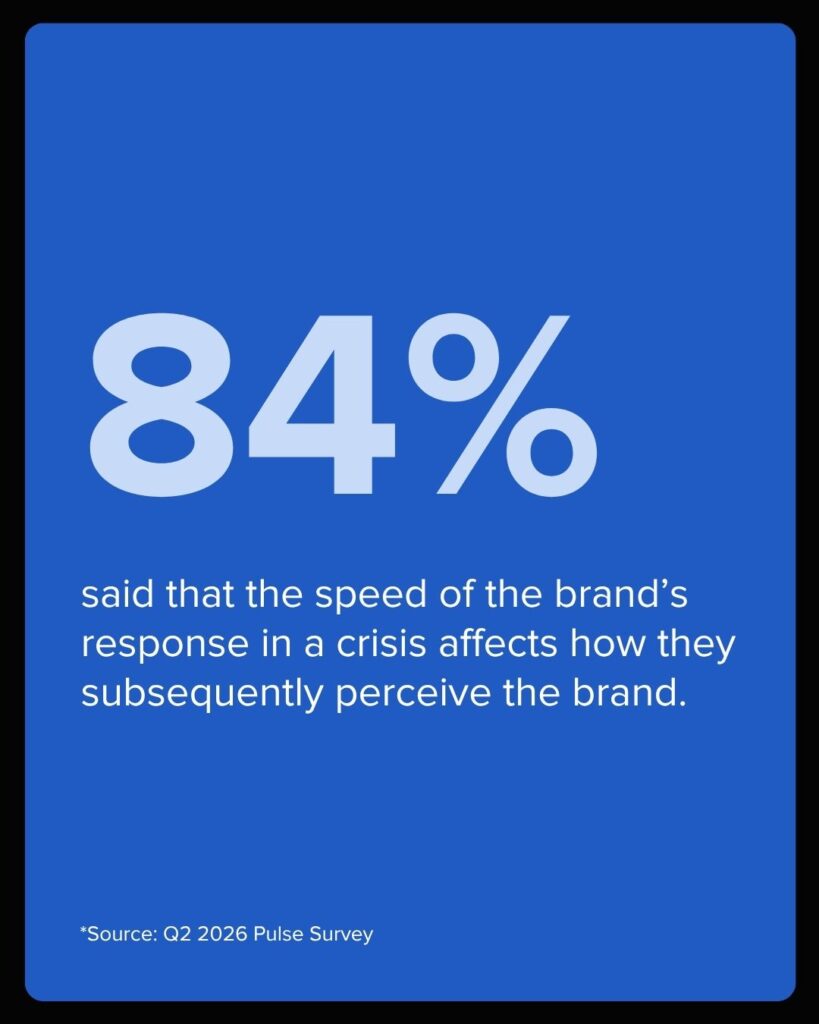
The stakes are high. 84% of consumers indicated that the speed of a brand’s response directly influences their long-term perception of that brand. Silence or delayed responses are no longer interpreted as "measured" or "prudent"; they are increasingly perceived as indifference or guilt.
Effective crisis management today requires a proactive, decentralized approach. Brands must possess a strategy that allows for rapid, human-centric responses that address the community’s concerns directly. The risk of misstep in a live, public forum is high, but the risk of total abandonment of the conversation is fatal to brand equity.
Live Events as the Second Screen
As we approach major global events like the World Cup, the way consumers experience live moments has irrevocably changed. Live television remains the preferred primary medium for viewing, but it is no longer a solitary experience.
Social media has evolved into the definitive "second screen." When combined, influencers, attendee-led content, and official social channels account for 80% of how consumers participate in live events. This presents a massive opportunity for brands, provided they shift their strategy from "prestige association" to "value-driven participation."
Consumers do not want brands to simply pay for a logo placement on a stadium wall. They want brands to contribute to the discourse, offer unique perspectives, or provide utility that enhances the event experience. Whether it is through exclusive creator access or real-time commentary, the brand that adds value to the "second screen" experience is the one that captures audience loyalty.
Conclusion: The Reign of Authenticity
The common thread running through every data point in the Q2 2026 Pulse Survey is the overwhelming demand for authenticity. In a world saturated with AI-generated content and carefully managed corporate messaging, audiences are actively seeking the "real."
Whether a brand is navigating a crisis, vetting an influencer partnership, or participating in a global sporting event, the guiding principle remains the same: honesty and transparency are no longer optional. Consumers are tired of the "slop" of inauthentic digital noise. They want to hear from peers, they want to see the human faces behind the corporate logo, and they want communications that are as flawed and honest as they are.
For modern brands, the path forward is clear: relinquish the illusion of total control. Embrace the decentralized, messy, and high-speed reality of social media. By pivoting toward genuine community engagement and empowering real people—whether they are employees or authentic creators—brands can survive the erosion of the traditional narrative and thrive in the era of social-first influence.

 Rifan Muazin
 Suro Senen