Nana Muazin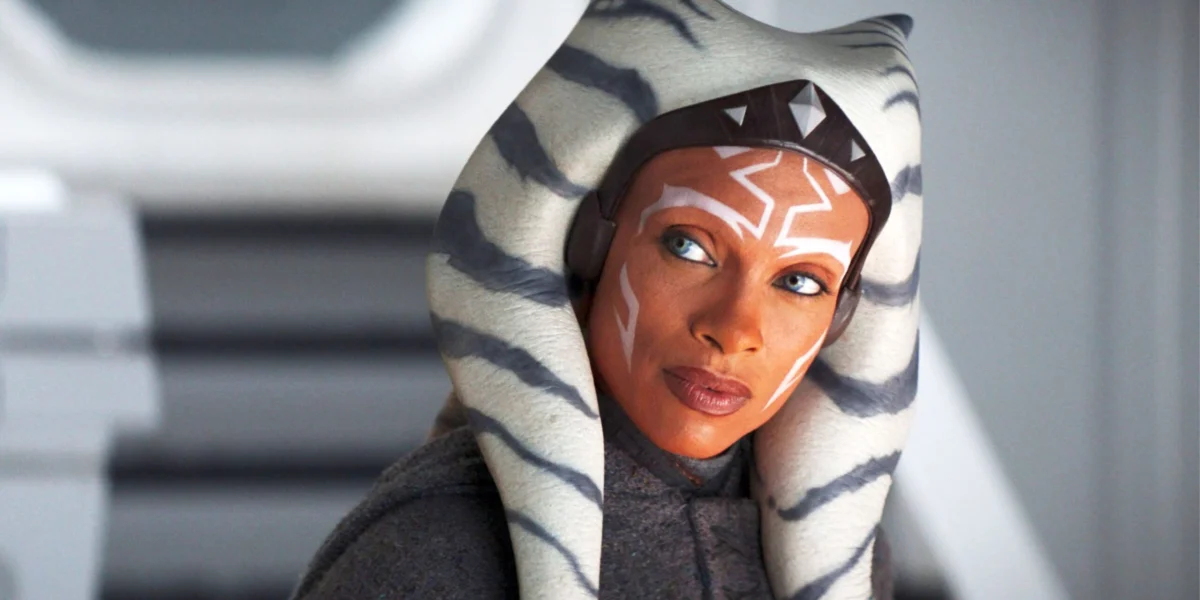
The Walt Disney Company has fundamentally reshaped the landscape of modern entertainment. Since acquiring Marvel Entertainment in 2009 and Lucasfilm in 2012, the conglomerate has consolidated the two most significant pillars of pop culture into a single, interconnected ecosystem. For fans, this synergy offers the tantalizing prospect of shared talent, where iconic performers navigate the sprawling corridors of both the Marvel Cinematic Universe (MCU) and the galaxy far, far away.
While the "Disney pipeline" is often discussed in terms of corporate strategy, the human element—the actors themselves—reveals a fascinating trend. Being cast in either franchise is a career-defining milestone; securing a role in both is a rare feat of artistic versatility. From the gritty, street-level vigilantes of Hell’s Kitchen to the Force-wielding warriors of the Outer Rim, these actors have proven their mettle across disparate creative visions.
A Dual-Franchise Legacy: Why It Matters
The crossover of talent between Marvel and Star Wars serves as a testament to the sheer scale of Disney’s production capabilities. When an actor steps into both worlds, they aren’t just taking on a role; they are becoming part of a generational mythos. For the audience, seeing a familiar face transition from the vibranium-infused battles of Earth to the starship dogfights of the Resistance provides a sense of continuity that underscores the vastness of the Disney-owned cinematic universe.
This list explores ten prominent actors who have successfully navigated the transition between the MCU and the Star Wars galaxy, examining their roles, the impact of their performances, and how they define the "prestige" associated with being a Disney-franchise veteran.
1. Richard Armitage: From Hydra Assassin to Naboo Pilot
Richard Armitage’s inclusion is a masterclass in the "blink-and-you’ll-miss-it" cameo. Long before he became a household name, Armitage made his film debut as an uncredited Naboo fighter pilot in Star Wars: Episode I – The Phantom Menace (1999). Though his lines were cut in the final edit, his presence remains a piece of Star Wars history.
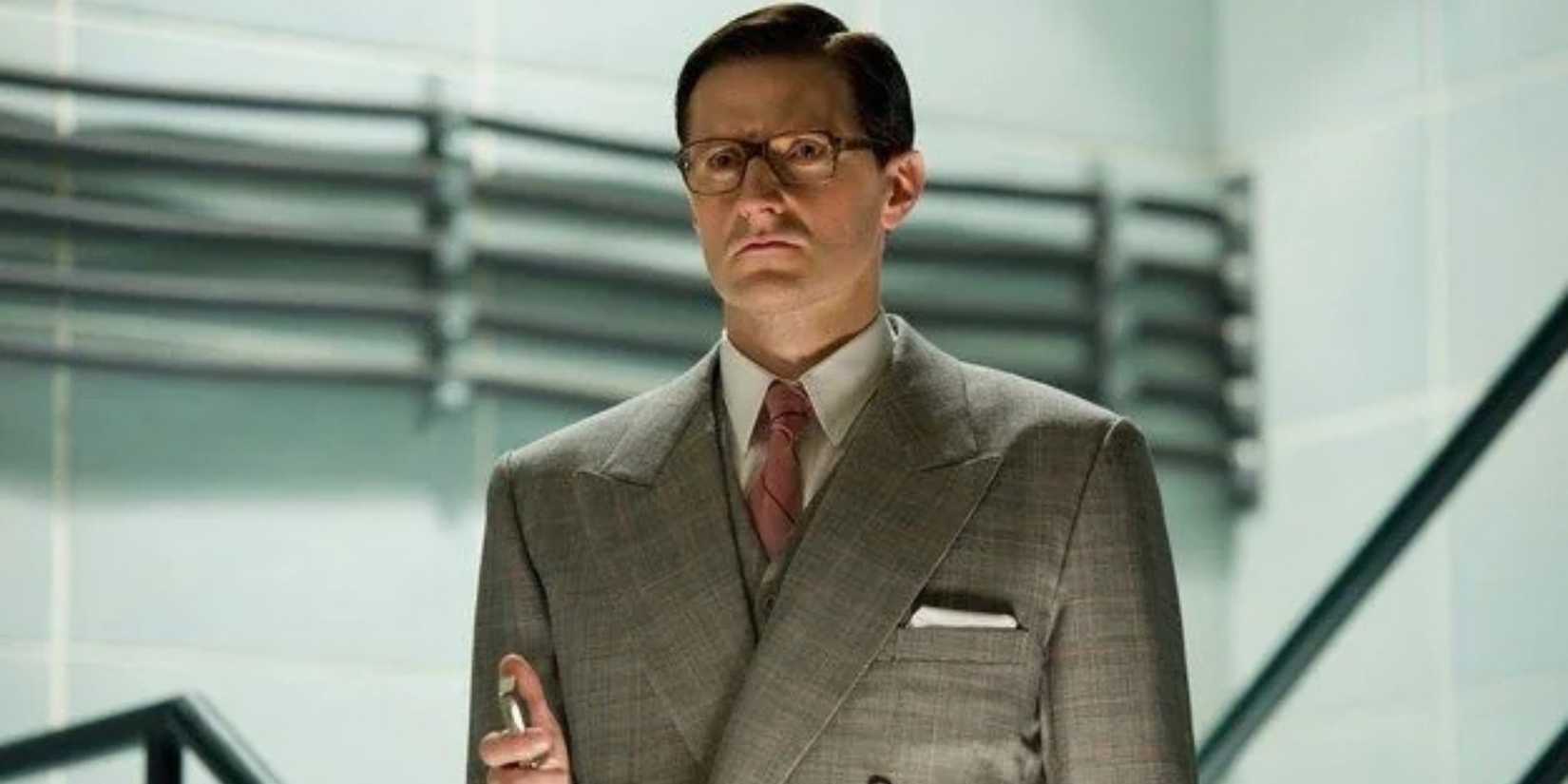
Years later, Armitage brought a terrifying intensity to the MCU as Heinz Kruger in Captain America: The First Avenger (2011). As the Hydra operative responsible for the destruction of the Super Soldier program facility, Armitage provided the perfect foil for Steve Rogers’ origin story, demonstrating a chilling commitment to the villainous cause that set the tone for the entire phase.

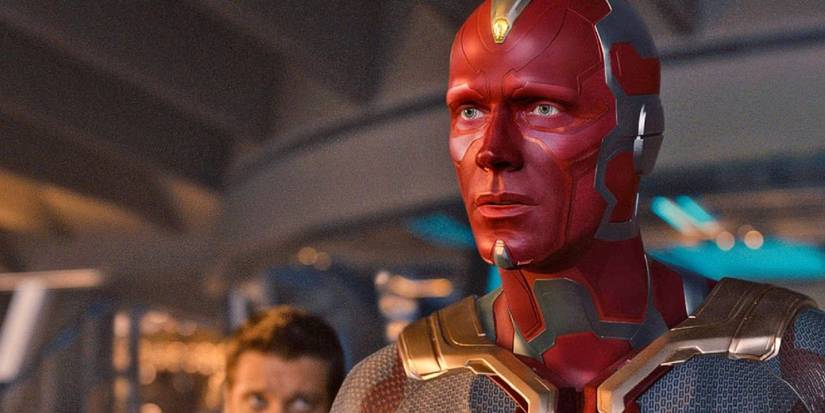
2. Paul Bettany: The Evolution of Synthetic Life
Paul Bettany holds the unique distinction of having his voice and presence serve as a foundational element of the MCU. Starting as the A.I. J.A.R.V.I.S. in Iron Man (2008), he evolved into the sentient Vision in Avengers: Age of Ultron. His performance in WandaVision further solidified Vision as one of the most emotionally complex characters in the franchise.
Bettany transitioned to the Star Wars universe in Solo: A Star Wars Story (2018), playing the brutal crime lord Dryden Vos. As the leader of the Crimson Dawn, Bettany shifted from the benevolent, analytical nature of a synthetic hero to the visceral, unpredictable menace of a galactic gangster, proving his range as a performer who can command a screen regardless of the genre.
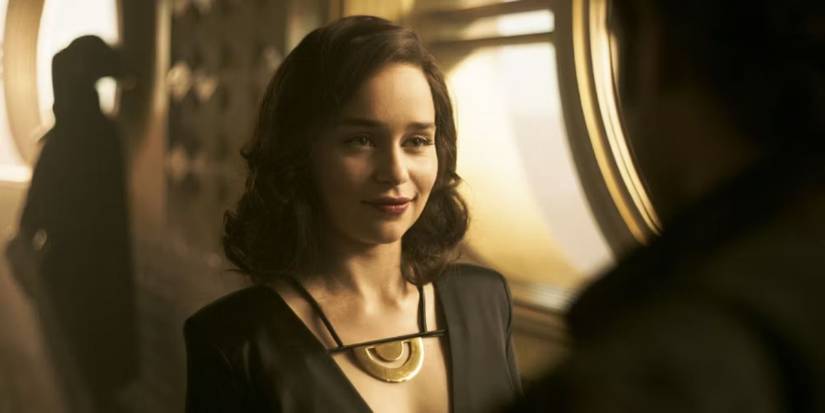
3. Emilia Clarke: Galactic Smuggler and Super-Skrull
After becoming a global icon via Game of Thrones, Emilia Clarke joined the Star Wars universe as Qi’ra in Solo. Her portrayal of Han Solo’s childhood love added layers of moral ambiguity to the smuggler’s backstory. She later brought her star power to the MCU as G’iah in the series Secret Invasion.
By the conclusion of the series, G’iah had been transformed into perhaps the most powerful entity in the MCU, armed with the genetic code of multiple Avengers. While Clarke has openly expressed complex feelings regarding the reception of these massive franchises, her ability to anchor large-scale ensemble pieces remains undisputed.
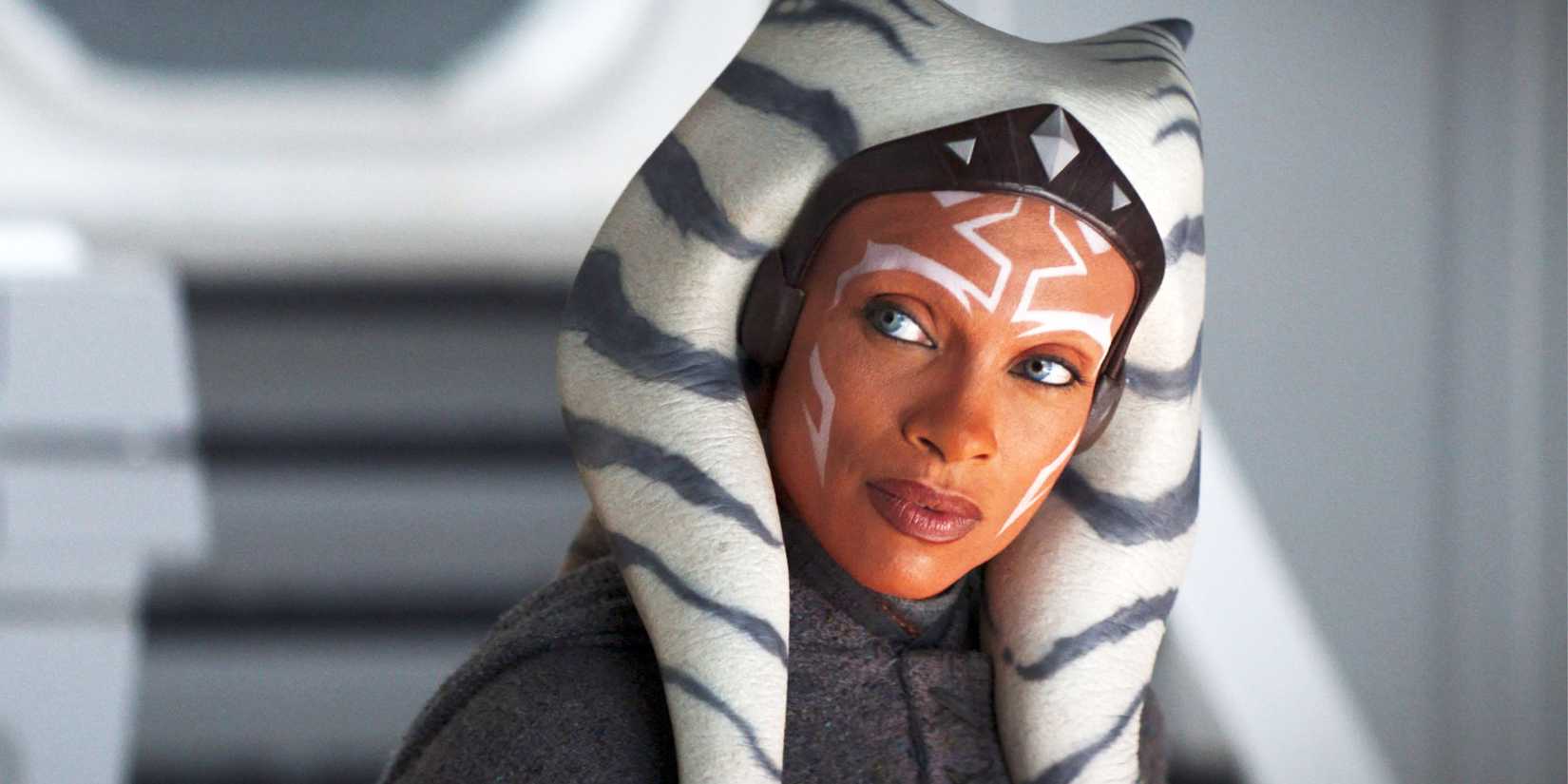
4. Rosario Dawson: The Weaver of Worlds
Rosario Dawson’s contribution to the MCU was subtle but integral. As Claire Temple, the "Night Nurse" of the Netflix-Marvel series, she served as the moral anchor for characters like Daredevil, Luke Cage, and Jessica Jones.
Her transition to Star Wars was nothing short of legendary. By bringing the animated fan-favorite Ahsoka Tano to live-action in The Mandalorian, and subsequently leading her own series, Dawson has carved out a permanent place in the Star Wars pantheon. Her portrayal of a weathered, wise, and battle-hardened Jedi is arguably the definitive version of the character for a new generation of fans.
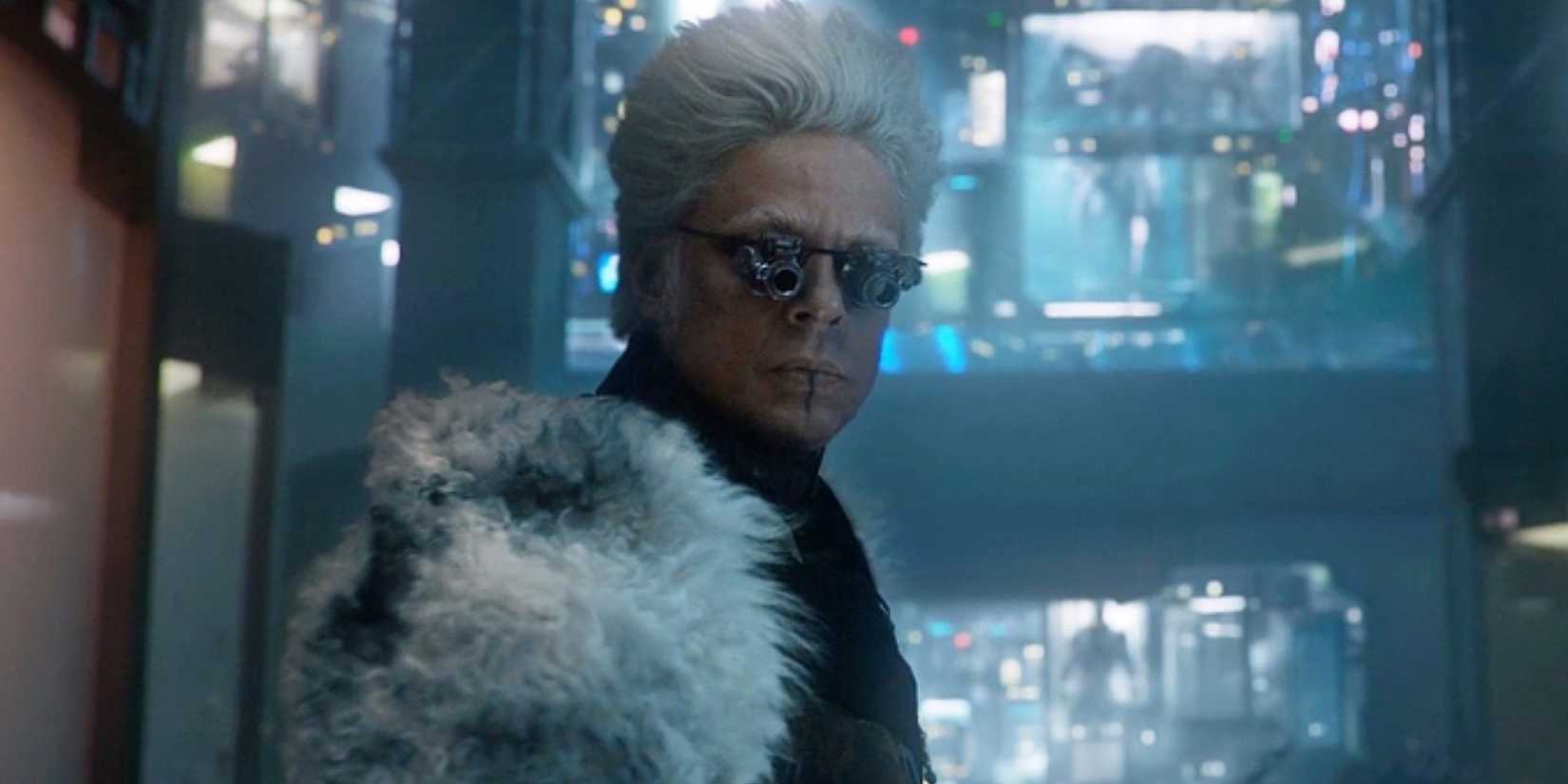
5. Benicio del Toro: Curating the Cosmos
Benicio del Toro’s MCU performance as The Collector in Guardians of the Galaxy remains one of the most eccentric and memorable characterizations in the franchise. His obsession with hoarding the rarest artifacts in the universe provided a perfect narrative bridge for the Infinity Stones.
In Star Wars: Episode VIII – The Last Jedi, he played the enigmatic codebreaker DJ. His cynical outlook—"Don’t join"—offered a grounded, morally grey perspective in a series often dominated by the binary struggle of light versus dark. Del Toro’s ability to inject quirkiness into his MCU role and weary pragmatism into his Star Wars role highlights his status as a premiere character actor.
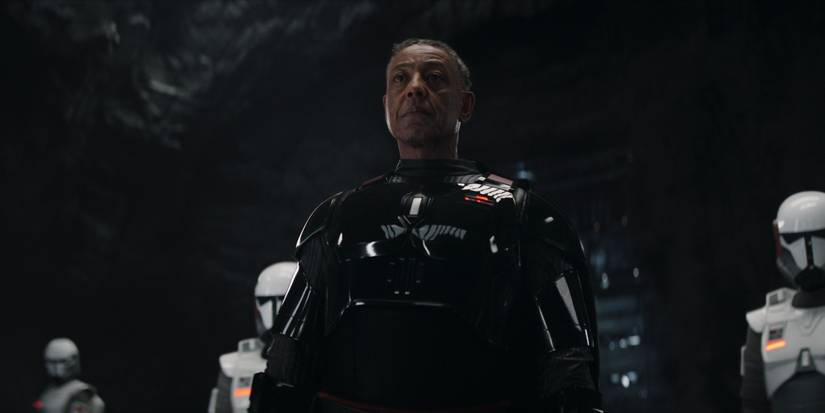
6. Giancarlo Esposito: The Architect of Villainy
Giancarlo Esposito is widely regarded as the gold standard for television villainy. In The Mandalorian, his portrayal of Moff Gideon—a ruthless Imperial warlord obsessed with biological supremacy—became a highlight of the Star Wars streaming era.
His introduction to the MCU as Seth Voelker (Sidewinder) in Captain America: Brave New World was brief, but it signaled a shift for the MCU’s future. As the leader of the Serpent Society, Esposito’s presence promises a larger, more calculated threat for the Avengers in upcoming installments, proving that even a short screen appearance from him can command an entire film’s narrative weight.
7. Jon Favreau: The Architect of Modern Myth
It is difficult to overstate the impact of Jon Favreau. As the director of Iron Man (2008), he effectively launched the entire MCU. Simultaneously, his role as Happy Hogan has become the comedic and emotional heart of the Spider-Man trilogy.
On the Star Wars side, Favreau essentially revitalized the franchise’s television presence through The Mandalorian. Beyond the camera, his acting credits in Star Wars—ranging from voicing Pre Vizsla in The Clone Wars to playing Paz Vizsla in The Mandalorian—make him one of the most influential figures in both studios. He is, in every sense, the architect of the current Disney entertainment landscape.
8. Cailey Fleming: A Rising Star Across the Stars
Cailey Fleming has the rare honor of portraying the younger versions of two of modern fiction’s most significant female characters. She played Young Rey in Star Wars: The Force Awakens and, more recently, Young Sylvie in the Disney+ series Loki.
Her ability to inhabit the trauma and determination of these characters during their formative years has been crucial to the emotional payoff of both franchises. Fleming’s performance as the young Loki variant provided the essential backstory needed to understand the character’s path of vengeance, cementing her status as a crucial piece of the Disney casting puzzle.
9. Donald Glover: The Prowler and the Pilot
Donald Glover’s career is a testament to multifaceted talent. In Spider-Man: Homecoming, he played Aaron Davis, a character whose potential as the Prowler was later realized in the animated Spider-Verse films.
His portrayal of Lando Calrissian in Solo: A Star Wars Story was widely acclaimed, successfully capturing the swagger and charm of Billy Dee Williams’ original performance. With rumors of a dedicated Lando project still swirling, Glover remains a pivotal figure in the Star Wars future, balancing his musical and directorial career with his commitment to the galaxy far, far away.
10. Richard E. Grant: The Chameleon of Character
Richard E. Grant brings an unmatched gravity to his roles. As Allegiant General Pryde in The Rise of Skywalker, he served as the chilling voice of order within the First Order. His transition to the MCU in Loki as the "Classic Loki" variant was a masterclass in nostalgia and pathos.
His performance in Loki, where he sacrifices himself to distract Alioth, remains one of the most poignant moments in the series. Grant’s career is defined by his ability to make even the most fantastical characters feel deeply human, a trait he has brought to both the halls of the First Order and the void at the end of time.
Implications for the Future of Disney Franchises
The trend of cross-pollinating talent between Marvel and Star Wars is likely to continue as the lines between "film" and "streaming content" blur. As these franchises grow, the demand for actors who can handle the physical and emotional demands of such massive projects will only increase.
These ten actors prove that the secret to success in these universes isn’t just about the special effects or the budget—it’s about the performance. Whether they are playing a villain, a mentor, or a hero, these performers have ensured that the stories within the MCU and Star Wars remain tethered to the human experience. As we look toward the future of these sagas, one thing is certain: the next generation of Disney stars will be standing on the shoulders of these multi-franchise giants.

 Jia Lissa
 Iffa Jayyana