Dwi Wanna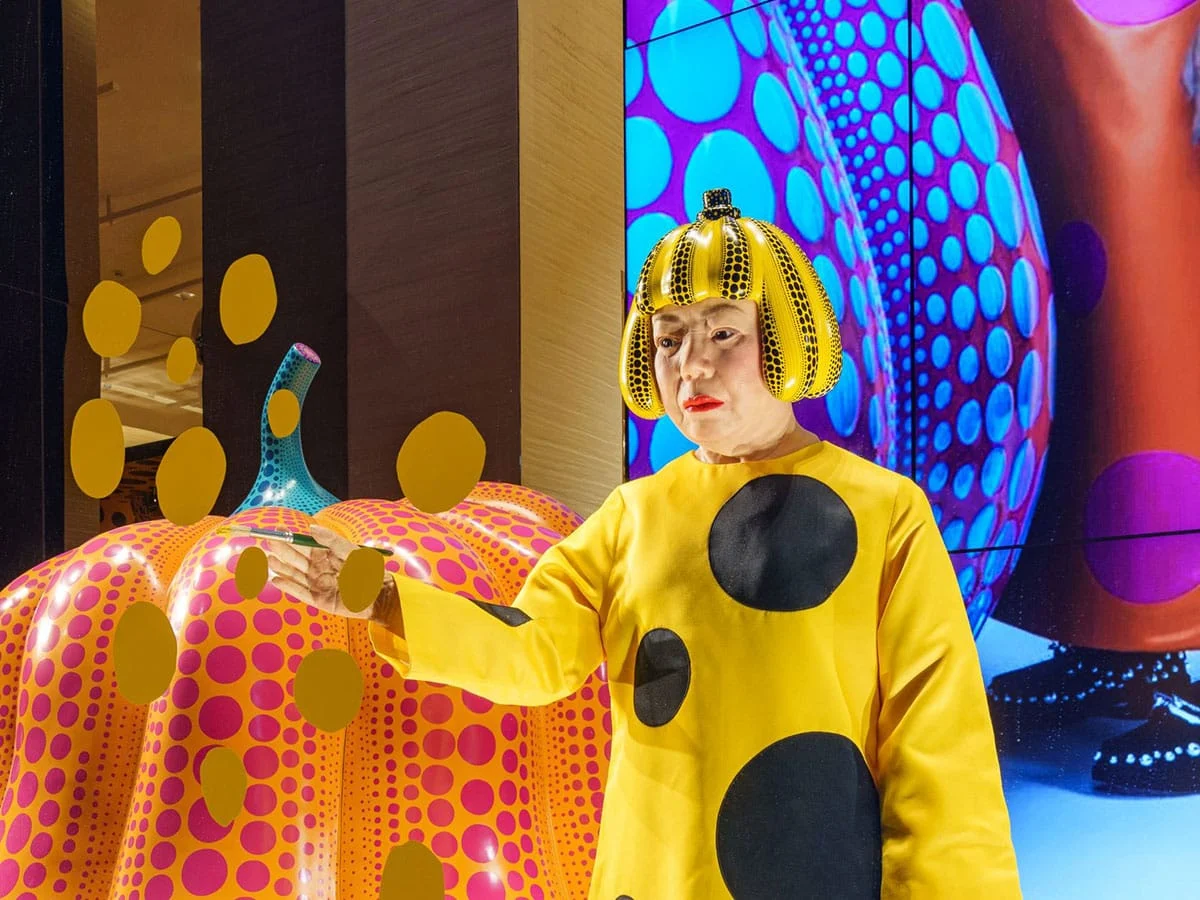
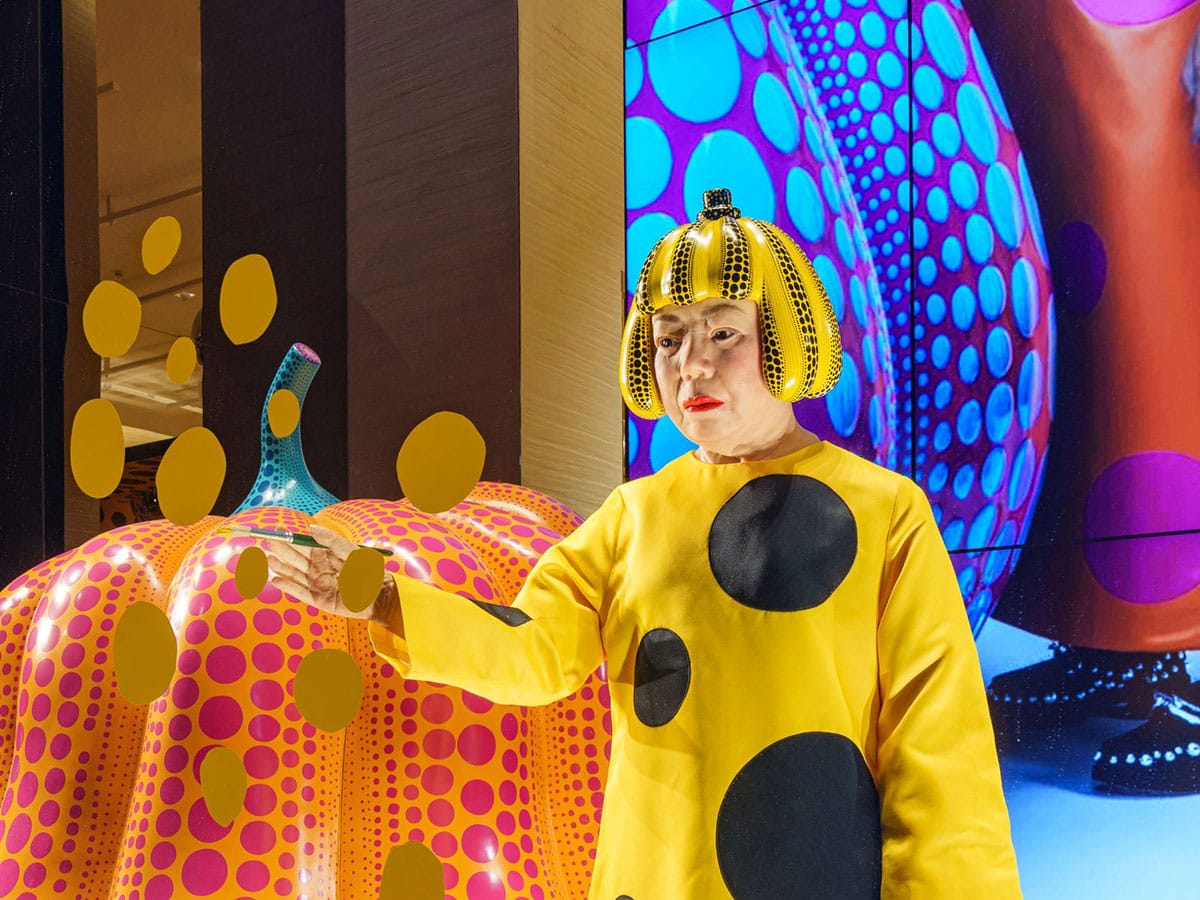
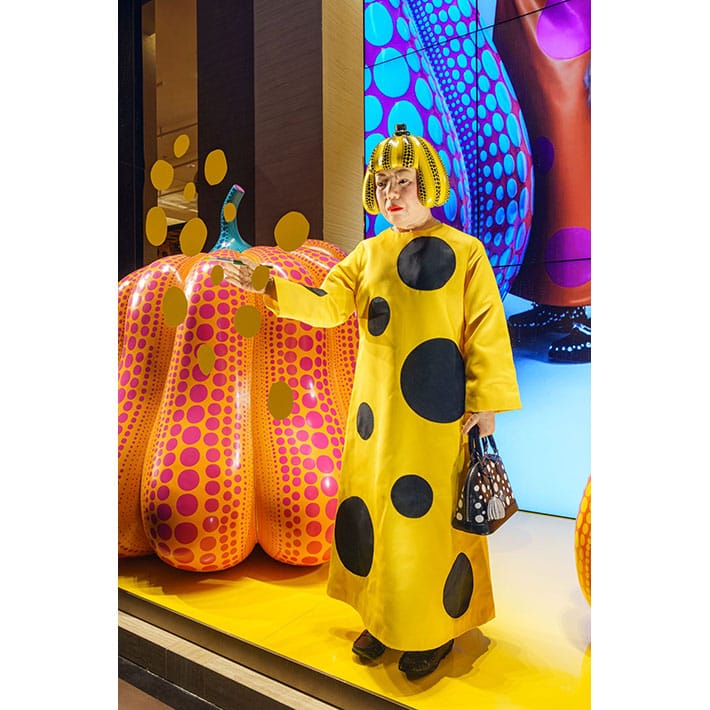
In the heart of Tokyo’s prestigious Shibuya Ward, the storefront of Louis Vuitton’s Omotesando location has become more than just a retail space—it has transformed into a site of pilgrimage. Passersby are stopping in their tracks, pulled into a hypnotic gaze by a figure that is at once intimately familiar and jarringly surreal. This is the latest iteration of the Louis Vuitton x Yayoi Kusama collaboration, a multi-sensory spectacle anchored by a hyper-realistic, life-sized humanoid robot modeled after the avant-garde icon herself.
As the centerpiece of a global campaign celebrating the tenth anniversary of the brand’s original partnership with the Japanese artist, the robot represents a convergence of high fashion, cutting-edge robotics, and the deeply personal artistic obsession that has defined Kusama’s career for over seven decades.
Main Facts: A Robotic Visionary in the Window Display
Standing over six feet tall, the robot is a triumph of mechanical engineering and artistic mimicry. It holds a paintbrush in its right hand, meticulously "painting" the iconic polka dots that have become synonymous with Kusama’s body of work. The movement is fluid, bordering on the uncanny; as the robot works, its eyes track onlookers, its lips shift in subtle, lifelike expressions, and it occasionally offers a gentle, enigmatic smile.
The display is powered by advanced sensors that detect the proximity of pedestrians. This interactivity ensures that the robot is never static, creating an immersive experience that feels as though the artist is actively creating her world within the confines of the glass window. The choice of the Omotesando store—a pillar of Tokyo’s luxury architecture—serves as a homecoming for the Osaka-born artist, grounding the global campaign in the cultural soil from which her vision originally bloomed.
Inside the store, the spectacle continues. The full "Louis Vuitton x Yayoi Kusama" collection is currently on display, featuring an expansive range of ready-to-wear clothing, luxury footwear, fine accessories, and signature leather goods. Each piece acts as a canvas for Kusama’s signature motifs: the dots, the pumpkins, and the infinity nets.
Chronology: A Decade of Dots
The current collaboration is not a sudden emergence but the culmination of a decade-long creative dialogue between one of the world’s most powerful luxury houses and one of the world’s most influential living artists.
2012: The Genesis of the Partnership
The relationship began in 2012 under the creative direction of Marc Jacobs. At the time, it was a groundbreaking move. While collaborations between luxury brands and artists were becoming more frequent, the depth of the Kusama x Louis Vuitton partnership was unprecedented. It wasn’t merely a capsule collection; it was a total immersion of the brand into Kusama’s universe.
2013–2022: The Silent Growth
Following the 2012 collection, Kusama’s global influence continued to skyrocket. Her infinity mirror rooms became the gold standard for "Instagrammable" art, and her retrospectives at institutions like the Tate Modern and the Hirshhorn Museum drew record-breaking crowds. During this period, the bond between the artist and the brand remained strong, though public collaborative projects were sparse.
2023: The Global Revival
To mark the 10th anniversary, Louis Vuitton launched an ambitious, worldwide campaign. The robotic Kusama began her journey in the brand’s flagship stores in Paris, New York, and London. Social media platforms—particularly TikTok and Instagram—were flooded with footage of the robot, fueling a viral sensation that brought luxury retail to the forefront of digital culture. The arrival in Tokyo in early 2023 served as the campaign’s final, emotional homecoming.
Supporting Data: The Science of the "Uncanny Valley"
The fascination surrounding the robot is rooted in the concept of the "uncanny valley," a hypothesis in the field of robotics and aesthetics. The term suggests that as a robot becomes more human-like, it eventually reaches a point where it becomes "creepy" or unnerving to the human observer because it is almost perfect, yet slightly off.
The Louis Vuitton robot sits squarely within this valley. Its skin texture, the deliberate pacing of its brushstrokes, and the calculated movement of its ocular sensors are designed to evoke a sense of life.
Technical Specifications and Artistic Intent
- Dimensions: Approximately 185cm (over 6 feet) in height.
- Interface: Sensory-linked motor controls to track pedestrian movement.
- Media: Oil-based paint simulation for the "dot" application process.
- Logistics: The robot was designed to be modular, allowing for global shipping between the brand’s flagship windows.
The precision of the robot’s mimicry is not meant to replace the artist, but to serve as a surrogate. By animating the artist, Louis Vuitton is effectively turning the retail window into a performance art piece. This aligns with Kusama’s own philosophy: she has long spoken of "self-obliteration," the idea that the individual should dissolve into the environment. By becoming a robot, she is the ultimate embodiment of her own artistic theory.
Official Responses and Strategic Perspectives
Louis Vuitton has remained tight-lipped regarding the specific engineering firm behind the robot, maintaining an air of mystery that enhances the allure. However, the company’s creative team has noted that the project was a collaborative effort involving engineers, animatronics experts, and long-time curators of Kusama’s work.
In a press release issued during the launch, representatives for the brand stated: "This project is a testament to the enduring power of Yayoi Kusama’s vision. By bringing her into the physical space through this innovative technology, we are inviting the public to participate in a living art installation that transcends the traditional boundaries of retail."
Critics and industry analysts have praised the move as a masterclass in experiential marketing. "Louis Vuitton isn’t just selling bags," says luxury retail analyst Marcus Thorne. "They are selling proximity to genius. By putting a robotic Kusama in the window, they are effectively turning their store into an extension of a museum exhibit, which inherently raises the perceived value of every item on the shelves inside."
Implications: The Future of Luxury Retail
The success of the Kusama robot highlights a shifting landscape in luxury fashion. As e-commerce continues to dominate, physical stores are under immense pressure to justify their existence. The "robotic window" is a clear response to this challenge: it transforms the storefront into a destination rather than a point of transaction.
1. The Death of the Static Window
Traditional window displays are becoming obsolete. The future of luxury retail lies in "phygital" (physical + digital) experiences. We can expect to see more brands investing in robotics, AI-driven displays, and interactive installations that prioritize engagement over simple product showcase.
2. The Celebrity of the Artist
We are witnessing a new era where the artist is as much a brand as the label they work with. Kusama’s identity is now intrinsically linked to the commercial success of Louis Vuitton’s product lines. This synergy ensures that the collection appeals to both fashion enthusiasts and art collectors—a dual-market strategy that is highly lucrative.
3. Ethical and Aesthetic Considerations
The use of lifelike robotics does raise questions about the future of human labor in retail. If a robot can effectively "model" or "interact" with customers, what does that mean for the role of the sales associate? While the robot is currently an art installation, the technology behind it—capable of real-time sensory feedback—could eventually be used for more functional retail applications, such as personalized greetings or inventory demonstrations.
4. Cultural Preservation vs. Commercialization
There remains an ongoing debate regarding the commercialization of Kusama’s work. Critics argue that her mental health and her history of self-obliteration are being leveraged for profit. Conversely, supporters point out that Kusama has been a willing participant in these collaborations for over a decade, and that the reach of Louis Vuitton provides her art with a global platform that a traditional gallery simply cannot match.
Conclusion: A Living Legacy
The sight of the robotic Yayoi Kusama in the Omotesando window is a jarring, beautiful, and profoundly effective piece of storytelling. It captures the essence of a woman who has spent her life turning her internal anxieties into external patterns, and it places that vision in the context of modern technological advancement.
Whether one views the display as a pinnacle of marketing or a profound artistic statement, its impact is undeniable. The robot has successfully bridged the gap between the high-brow world of fine art and the high-speed world of global retail. As the "Louis Vuitton x Yayoi Kusama" collection continues to draw crowds in Tokyo, the legacy of this collaboration seems secure. It is a reminder that in the world of luxury, the most valuable commodity is not just the product itself, but the story, the mystery, and the wonder that surrounds it.
For those in Tokyo, the Omotesando window is a must-see. It is a rare moment where the line between a store and a dreamscape blurs, leaving viewers to wonder if they are watching a machine paint dots, or witnessing a legend manifest in the heart of the city.


 Neng Nana
 Asro
Asro