Nana Wu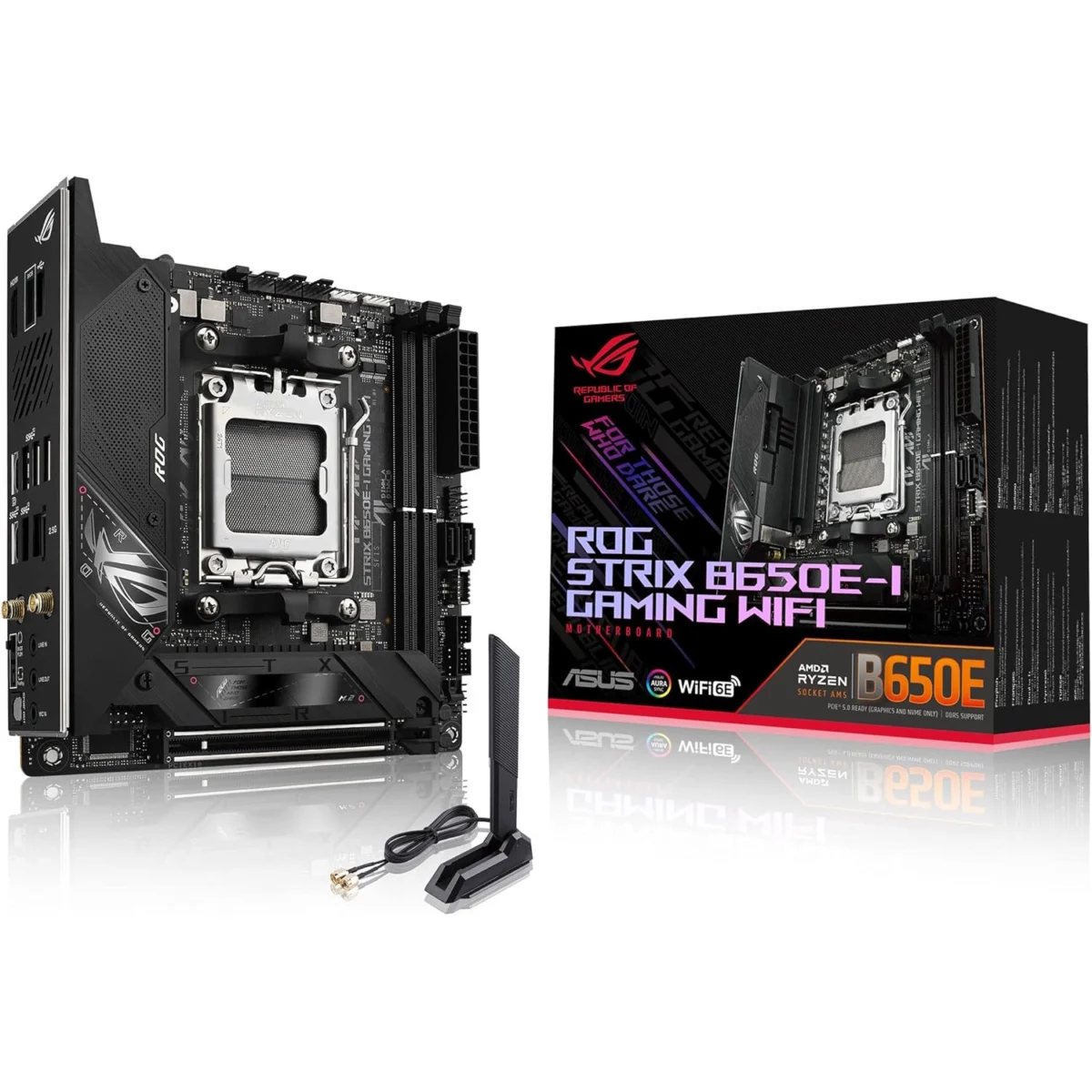
The PC hardware landscape is currently experiencing a profound and somewhat unsettling shift. As Amazon Prime Day 2026 kicks off, tech enthusiasts and system builders are encountering price tags on high-end motherboards that seem almost too good to be true. From flagship boards seeing their prices slashed by over 50% to mid-range workhorses hitting historic price floors, the market is signaling a significant departure from the pricing stability seen in recent years. While consumers are currently enjoying these aggressive discounts, industry analysts suggest that this "fire sale" environment is a symptom of a much deeper, more systemic issue within the component supply chain.
The State of the Market: A Collapse in Consumer Demand
The root of these unprecedented discounts lies in a perfect storm of macroeconomic pressures and a pivot in manufacturing priorities. The primary culprit is the rising cost of complementary components, specifically RAM and Solid State Drives (SSDs). As the price of memory and storage continues to climb, the total cost of ownership for a new PC build has skyrocketed, forcing many casual builders and enthusiasts to defer their upgrade plans.
Consequently, motherboard sales have cratered. Reports indicate that motherboard shipments have collapsed by as much as 37% compared to previous cycles. This downward trend is not merely a localized issue; it is a global phenomenon affecting the industry’s biggest players. Major manufacturers including ASUS, Gigabyte, MSI, and ASRock are facing significant inventory backlogs. With warehouses filled to the brim with unsold units, these companies have been forced to adopt aggressive pricing strategies to stimulate demand, clear out aging stock, and maintain cash flow during a period of market stagnation.
Chronology of the Component Crisis
To understand how we arrived at this moment, one must look at the shifting priorities of the semiconductor industry over the last 18 months.
- Early 2025: Chipmakers began aggressively reallocating production capacity from consumer-grade PC components to high-margin AI-focused chips. This created a supply bottleneck for standard silicon, driving up the price of peripheral components.
- Mid-2025: As AI hardware demand remained insatiable, the "enthusiast" PC market found itself sidelined. Manufacturers of RAM and NAND flash prioritised enterprise contracts, leaving the consumer DIY market to face severe supply shortages and subsequent price hikes.
- Late 2025: Motherboard vendors, initially expecting a rebound in consumer interest, found themselves over-leveraged. Projections for companies like ASUS suggested a shortfall of 5 million units sold, a figure that sent shockwaves through the supply chain.
- Current Day (Prime Day 2026): We are now witnessing the inevitable resolution to this inventory glut. Retailers and manufacturers are cutting margins to the bone to move product before the release of next-generation platforms, which would render current inventory even harder to sell.
Supporting Data: By the Numbers
The depth of this price suppression is best illustrated by the current deals surfacing on the market.
The ASRock Z890 Taichi: A Case Study in Aggressive Discounting
The ASRock Z890 Taichi, a cornerstone board for LGA 1851 testing, serves as the most prominent example of this market volatility. With a standard MSRP of $460, this board has historically hovered around the $300 mark during promotional periods. Today, it is available for $200—a 56% discount.
Beyond the price, the technical specifications remain elite:
- VRM Design: 20+1+2+1+1 power stages for stable extreme overclocking.
- Memory Support: Up to 9600 MT/s, catering to high-speed DDR5 requirements.
- Connectivity: Six M.2 slots (including one PCIe Gen5 x4), dual Thunderbolt 4 ports, and a dual LAN setup featuring 2.5Gb and 5Gb connectivity.
SFF Accessibility: The Asus ROG Strix B650E-I
Small Form Factor (SFF) builds have long carried a "convenience tax," with premium ITX boards commanding high prices. The current 40% discount on the Asus ROG Strix B650E-I, bringing it down from $300 to $180, is a rare move. For a board that provides PCIe 5.0 support, robust power delivery, and Wi-Fi 6E, this price point makes high-performance compact builds accessible to a wider demographic than ever before.
The Mid-Range Value Play: MSI Z790 Gaming Plus Wi-Fi
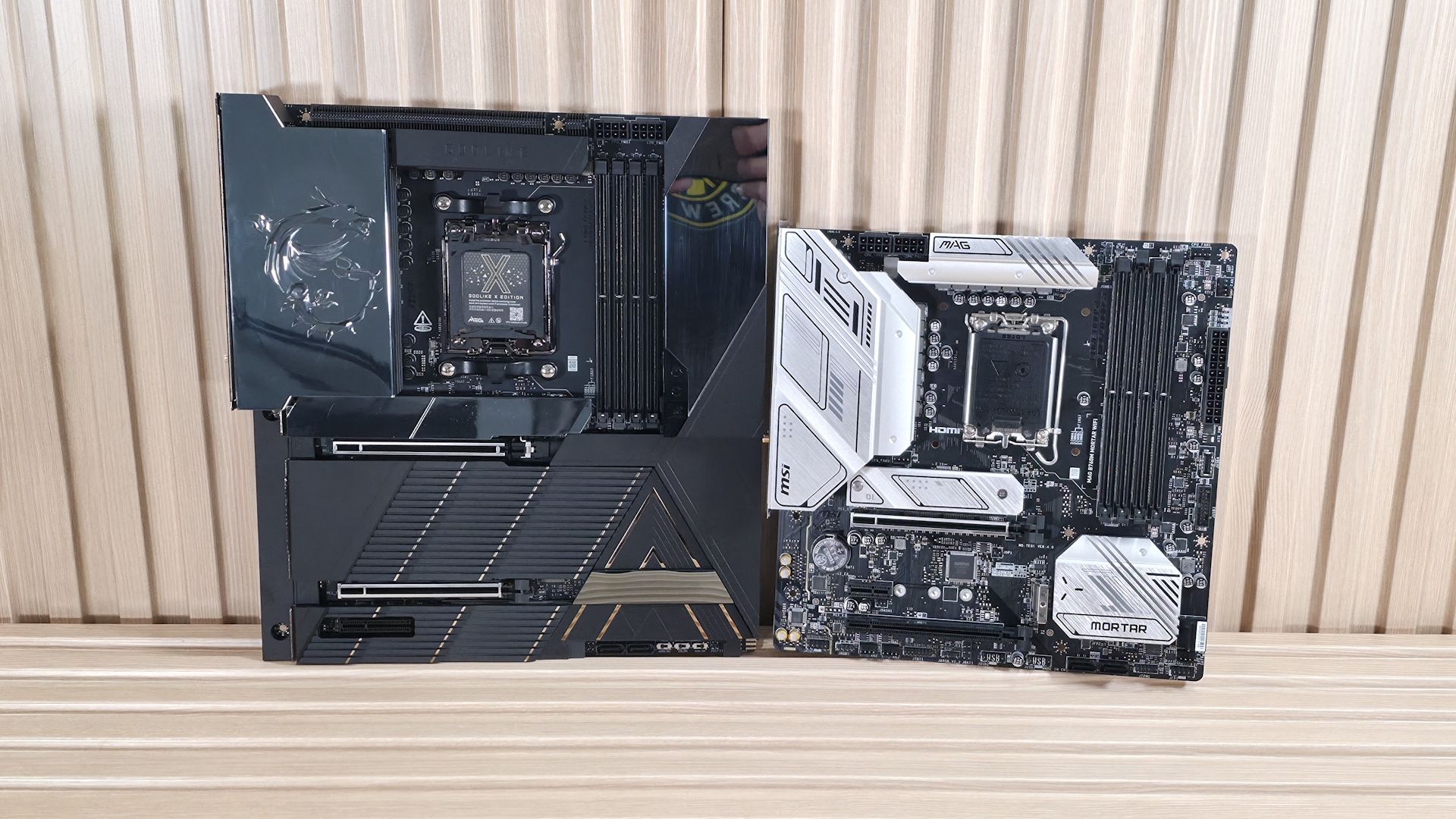
At the entry-level enthusiast tier, the MSI Z790 Gaming Plus Wi-Fi is currently priced at $130. While a 27% discount may seem modest compared to the Taichi, it represents an all-time low for a board that offers a full suite of modern connectivity, including 2.5Gb LAN and Wi-Fi 6E, effectively democratizing the Intel Z790 platform.
Official Responses and Industry Outlook
While individual manufacturers have remained tight-lipped regarding their specific inventory strategies, the broader consensus from industry analysts is that this is a temporary "clearing" phase. Behind the scenes, motherboard vendors are lobbying for a return to consumer-focused production. However, until the semiconductor shortage—exacerbated by the insatiable appetite of AI server farms—is addressed, the supply of high-end components will remain constrained.
"The industry is currently caught in a transition," says one hardware analyst. "Manufacturers are being squeezed between the high costs of production and the cooling interest of the DIY market. The current Prime Day deals are effectively a lifeline for these companies to recover capital from stagnant assets."
Implications for the Future of PC Building
For the consumer, the current situation presents a rare "buyer’s market" window. However, the long-term implications are more complex.
1. The Death of the "Standard" Upgrade Cycle
If consumers become accustomed to seeing flagship motherboards priced at $200, it may create a permanent downward pressure on MSRPs. This could force manufacturers to cut corners on build quality, power delivery, or feature sets in future generations to remain profitable at lower price points.
2. The AI-PC Divide
The shift in chip production toward AI-focused hardware means that the "consumer" grade of silicon is becoming a secondary priority. If this trend continues, we may see a bifurcation in the market: expensive, specialized boards for high-end workstations and AI-heavy tasks, and increasingly sparse, bare-bones options for the average gamer.
3. A Window of Opportunity
The most immediate takeaway for the reader is the current, fleeting nature of these prices. It is highly improbable that we will see these specific motherboard models—particularly those with robust PCIe Gen5 support—at these prices once current inventory levels normalize or as RAM prices eventually stabilize. For those looking to build a new system or perform a significant upgrade, the current period represents the most cost-effective moment in the last three years to acquire a high-end motherboard.
Conclusion: How to Navigate the Deals
As the Prime Day sales continue, consumers should approach these deals with a balanced perspective. While the temptation to upgrade is high, it is essential to consider the total system cost. A cheap motherboard does not offset the current inflated price of high-speed DDR5 memory or premium NVMe storage.
However, if your intent is to build a long-lasting platform, the current market dynamics are undeniably in your favor. By leveraging these discounts, you can allocate your remaining budget toward other critical components, potentially mitigating the high costs currently plaguing the memory and storage markets. Keep a close watch on our curated list of the best motherboard deals, and ensure that your chosen board aligns with your long-term goals for your build—whether that involves extreme overclocking, SFF compactness, or simply a reliable foundation for a mid-range gaming rig.
The "Motherboard Meltdown" may be a sign of distress for manufacturers, but for the discerning builder, it is an invitation to secure top-tier technology at a fraction of its intended cost. Tread carefully, buy wisely, and take advantage of the market while it remains in this state of flux.

 Reynand Wu
 Pevita Pearce