Pevita Pearce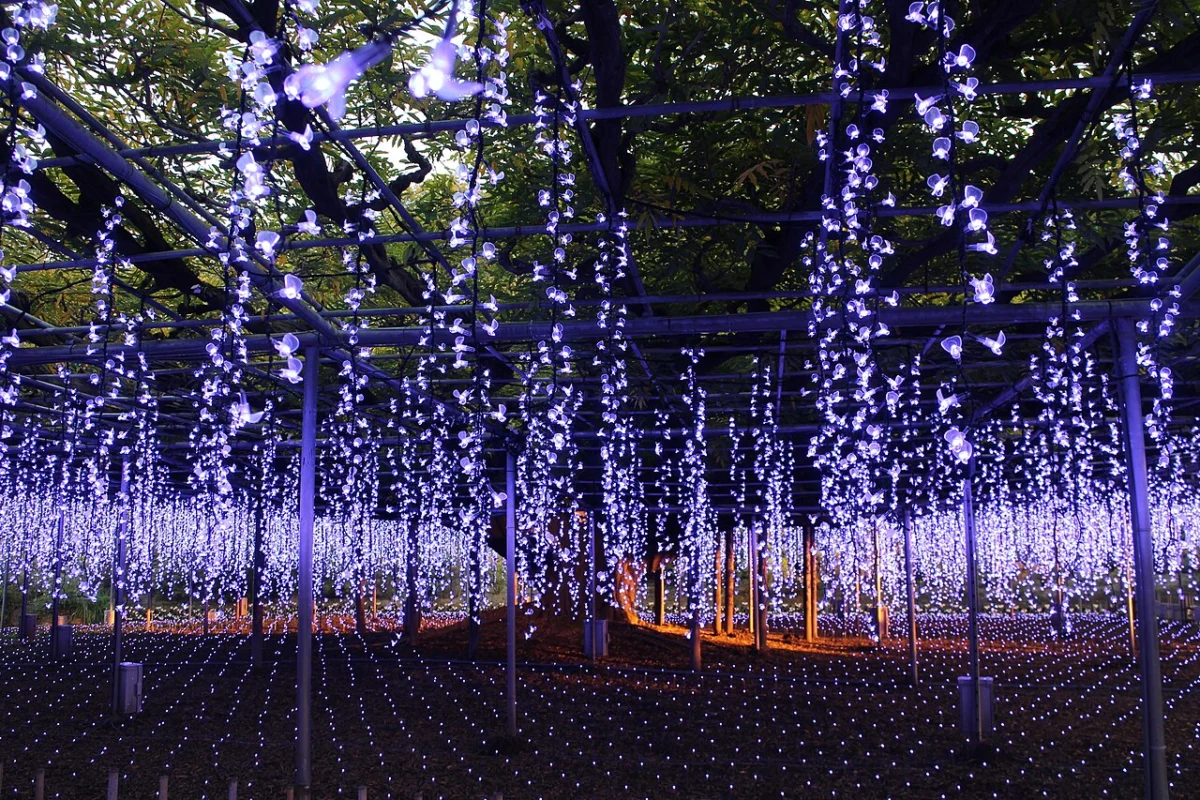
For the seasoned traveler in Japan, the standard itinerary often follows a well-worn loop: the neon intensity of Tokyo, the meditative temples of Kyoto, and the mountainous majesty of Hakone. Yet, for those who look closer at the map of southern Tochigi Prefecture, specifically within the historic city of Ashikaga, there lies a quieter, more intimate narrative. It is written in the current of the Sakasagawa, a stream that defies the geographic norms of its region, offering a serene, unfiltered glimpse into the "everyday" life of a Japanese suburban city.
The Sakasagawa, translated poetically as the "backward-flowing river," serves as more than just a waterway; it is a lens through which the visitor can view the authentic, unvarnished fabric of local life. While it lacks the monumental fame of the Banna-ji Temple or the Ashikaga Flower Park, its absence of notoriety is precisely its greatest charm.
Main Facts: The Geography of the Sakasagawa
The Sakasagawa is a modest tributary, spanning approximately four kilometers from its upper reaches in the Ishibashi-cho district to its confluence with the larger Watarase River system. Its nickname—"backward-flowing"—is derived from a simple, yet fascinating, hydrological quirk: while the main Watarase River flows southward, the Sakasagawa current moves north, cutting a unique path through the suburban landscape.
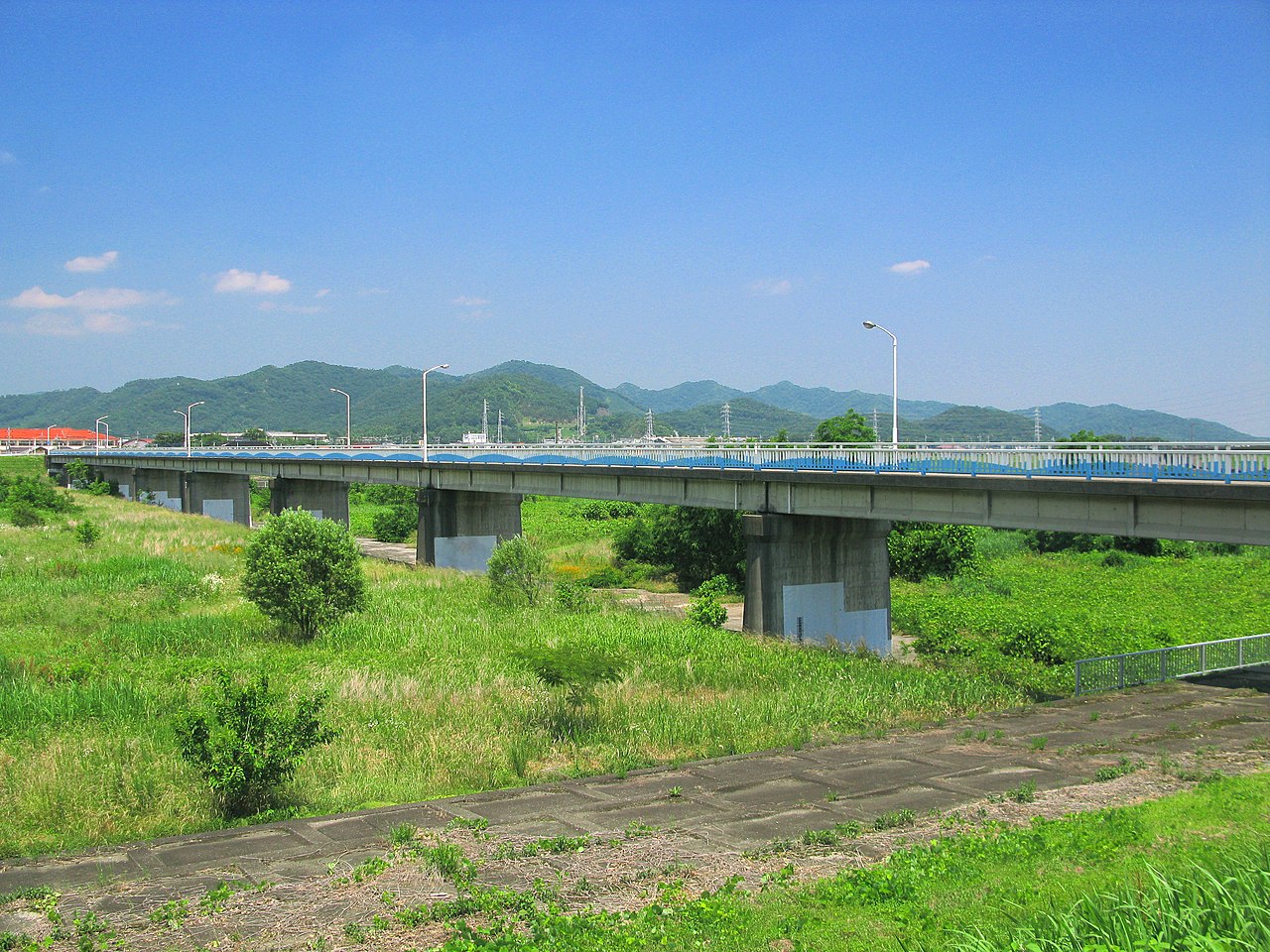
The walking course itself is not a manicured tourist attraction. It is a functional flood-control levee, maintained by the Ashikaga municipal works department, rising two to three meters above the stream bed. The path is characterized by a mix of compacted gravel and grass, providing an accessible, flat terrain that requires no specialized hiking gear. However, travelers should note that the route is essentially a blank canvas—there are no cafes, public restrooms, or vending machines lining the path. It is a walk for the introspective, the photographer, and the observer.
Chronology: A Path Through the Seasons
To walk the Sakasagawa is to experience the rhythmic heartbeat of the Japanese calendar. The path’s character is entirely dictated by the shifting seasons, offering a different experience depending on when a traveler chooses to visit.
Spring: The Canopy of Blossoms
From late March to early April, the Sakasagawa transforms. A municipal beautification project launched in the 1960s resulted in the planting of 200 somei-yoshino cherry trees along the levee. Today, these trees form a continuous, ethereal canopy that turns the path into a tunnel of pale pink. Unlike the chaotic, selfie-crowded parks of Tokyo, this route remains the domain of local families, offering a rare opportunity to enjoy hanami (flower viewing) in relative solitude.
Summer: Lush Greenery and Fireflies
As the temperature rises, the path becomes a corridor of vibrant, deep green. While the heat in Ashikaga can be intense—regularly topping 35°C—the mid-June period offers a magical reward: fireflies. In the upper, quieter reaches of the stream, these insects emerge for a brief two-week window, turning the twilight into a living constellation.
Autumn: A Quiet Palette
Mid-October through late November brings a transition to gold and crimson. While the spring is dominated by cherries, the autumn foliage here features zelkova and maple trees, casting long, dramatic shadows over the water. This is the quietest time to visit, perfect for solo walkers seeking silence.
Winter: The Stark Landscape
From December to February, the vegetation retreats, leaving a stark, minimalist landscape. While cold, the clarity of the winter air provides wide-open views and a profound sense of isolation. It is the ideal season for those looking to escape the sensory overload of Japan’s metropolitan hubs.
Supporting Data: The "Flower Walking Course" Context
The Sakasagawa is a vital component of the city’s informal "Flower Walking Course" (Hana no Walking Course). This broader 10-kilometer network of trails, temples, and small parks is a strategic municipal initiative designed to encourage movement and appreciation for local green spaces.
The full loop, which takes approximately 2.5 to 3 hours at a leisurely pace, connects significant nodes including the historic Ashikaga School and the serene Orihime Shrine. However, for most international visitors, the full loop may be excessive. The most recommended strategy is to dedicate 1.5 hours to the Sakasagawa section, leaving the remainder of the day to explore the cultural weight of central Ashikaga.
Essential Logistics for the Visitor
- Accessibility: The southern trailhead is located near the Watarase/Sakasagawa confluence, a 15–20 minute walk from JR Ashikaga Station.
- Navigation: While signage is limited and primarily in Japanese, the path is intuitive. The use of offline mapping tools like Organic Maps is highly recommended.
- Equipment: Sturdy, ankle-high shoes are advised, as the path can become muddy after rainfall.
- Facilities: There are no restrooms along the route. Utilize the facilities at Ashikaga Station before departing.
Official Responses and Municipal Planning
The Ashikaga City municipal tourism board views the Sakasagawa not as a primary draw, but as a "supplementary asset" to the city’s broader tourism strategy. By integrating the river into the "Flower Walking Course," the city aims to distribute foot traffic away from the heavily congested Banna-ji Temple and the Flower Park.

Local officials emphasize that the path is, first and foremost, a neighborhood utility. The maintenance of the levee is prioritized for flood prevention, and the planting of cherry trees was a long-term urban planning decision aimed at resident well-being rather than commercial tourism. This lack of "tourist-facing" infrastructure—the absence of signs in English, for instance—is an intentional byproduct of a path meant for locals. For the visitor, this is an invitation to engage with Japan as it is, rather than as a curated exhibit.
Implications: The Search for "Real Japan"
What are the implications of choosing a walk like the Sakasagawa over a world-famous attraction? For many, the "unglamorous" nature of the walk provides a deeper sense of discovery. When you walk along the Sakasagawa, you are not a spectator of a performance; you are a participant in a public space.
The "Real Japan" Experience
You will encounter retired neighbors conducting morning stretches, school children cycling home with backpacks bouncing, and residents walking their dogs. This is a specific register of Japanese life—the suburban, residential, and agricultural intersection—that is often hidden behind the high-gloss aesthetic of the country’s top-tier tourist destinations.
Balancing the Itinerary
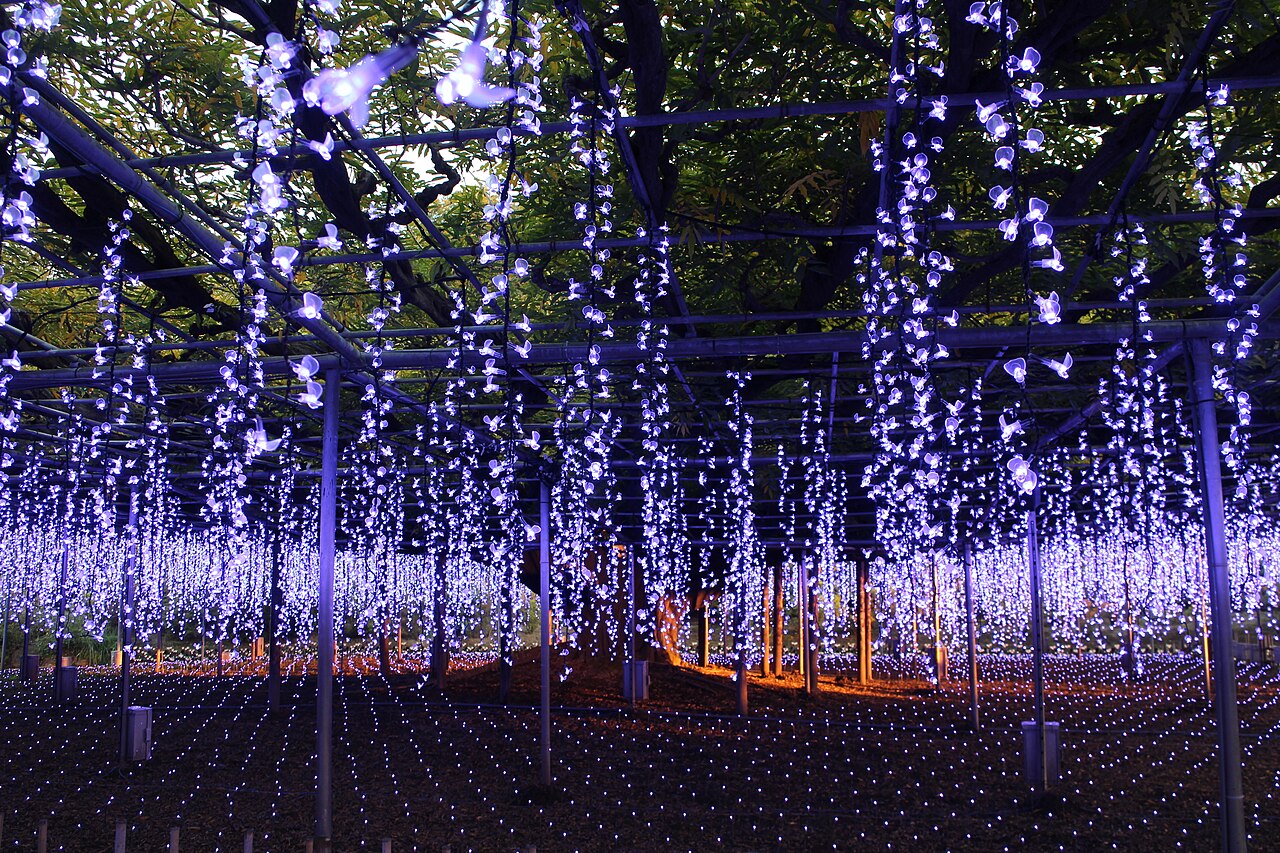
For the general Tochigi visitor, the Sakasagawa may seem like a "skip." If a traveler has only one day in Ashikaga, the Banna-ji Temple or the world-renowned Ashikaga Flower Park—with its 150-year-old wisteria tree—are objectively higher-priority sites. However, for the solo walker, the writer, or the photographer, the Sakasagawa offers a different value proposition. It provides the space to slow down.
In a country where time is often measured by the speed of the Shinkansen, the Sakasagawa asks you to measure it by the pace of your own stride. It is a reminder that the most rewarding travel experiences are not always found in the guidebooks, but in the quiet, backward-flowing currents that run alongside the busy roads of our lives.
Conclusion: Is it Worth It?
The answer depends on your goal. If you seek the "Greatest Hits" of Tochigi, look elsewhere. But if you seek the resonance of a place that exists for its people, not for the traveler, the Sakasagawa is an essential pilgrimage. It is a small, four-kilometer lesson in the beauty of the mundane, proving that even in a country as explored as Japan, there is still plenty of room to wander off the beaten path and find something entirely, wonderfully ordinary.


 Neng Nana
 Asro
Asro