Rifan Muazin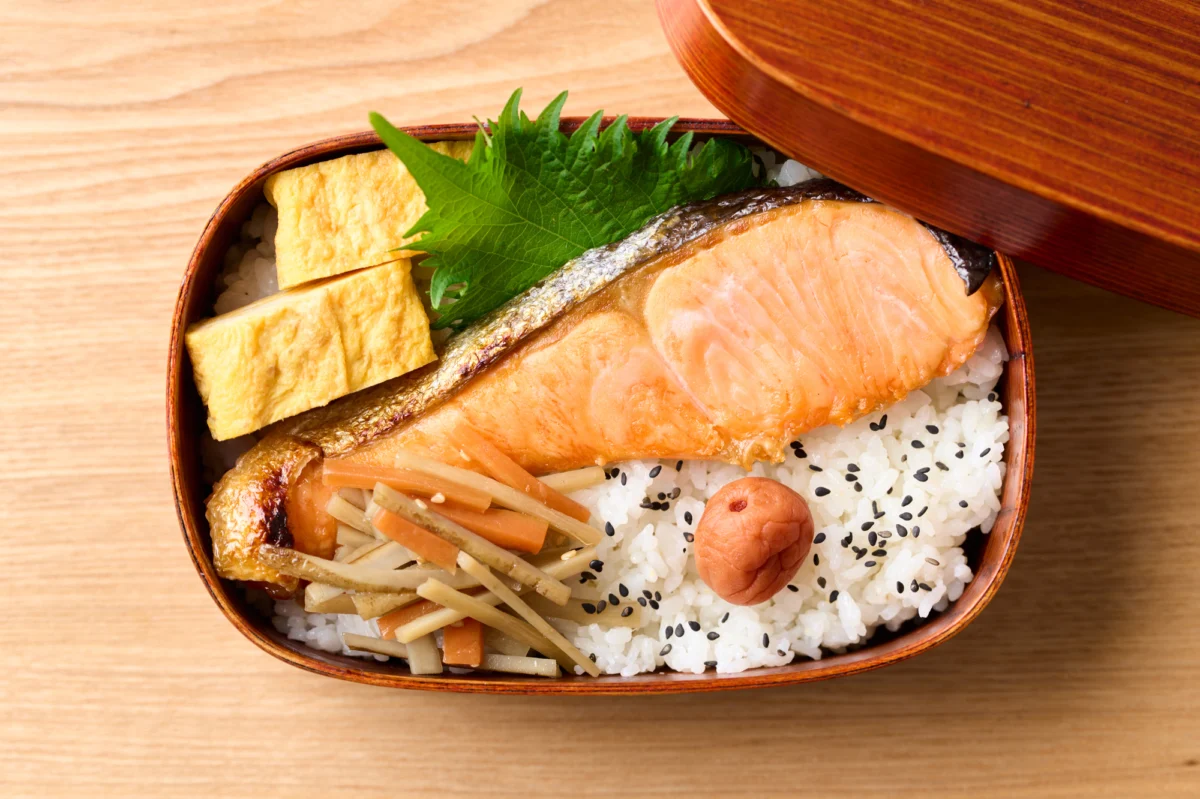
In the modern culinary landscape, the Japanese bento box is frequently romanticized. A quick scroll through Pinterest or a search on YouTube yields thousands of results: meticulously arranged, nutrient-dense, and aesthetically pleasing meals packed into elegant, compartmentalized containers. As Japanese cuisine—sushi, ramen, and izakaya fare—has transitioned from an exotic niche to a global staple, the bento has been rebranded as the ultimate tool for the health-conscious, eco-friendly, and organized diner.
Yet, for a Japanese mother currently residing in Canada, this narrative of widespread acceptance collided violently with the harsh reality of school-age social dynamics. When her eight-year-old daughter began returning home with her carefully prepared, traditional bento completely untouched, the mother discovered that her child was being targeted by classmates who labeled the lunch “weird” and “gross.”
The incident, shared on the social media platform X by the user @SACANA_family (known as Ebiko), sparked a firestorm of debate across Japan. It challenged the prevailing assumption that because Japanese food has become popular and familiar in the West, it has also become socially acceptable for children in the classroom. This is the story of the widening gap between the culinary trendiness of Japan and the lived experience of those trying to maintain their cultural identity abroad.
A Chronology of Cultural Friction
The incident involving Ebiko’s daughter serves as a modern touchstone for a phenomenon that has existed for generations. It is a striking reminder that the globalization of food does not necessarily equate to the integration of cultural practices.
For many living in Japan, the news of the bullying was met with profound confusion. How, in an era where sushi is available in nearly every North American supermarket and ramen shops anchor the culinary scenes of major global cities, could a child be mocked for a bento?
To understand this, one must look at the trajectory of Japanese food abroad. In the 1980s and 1990s, Japanese food was largely synonymous with "foreign" and "unapproachable." As the 21st century progressed, the democratization of Japanese cuisine began. Sushi rolls were "Americanized"—the California roll being the primary example—to suit local palates. The "bento aesthetic" became a social media commodity.
However, the specific incident in Canada reveals that the "familiarity" enjoyed by the general public is limited to a curated subset of Japanese cuisine. When an eight-year-old brings a traditional, authentic bento—perhaps containing items like pickled plums, simmered vegetables, or distinct proteins that don’t conform to the "sushi-roll" standard—the protective bubble of "popularity" bursts. The classmates were not reacting to the idea of a bento; they were reacting to the difference in the contents.
The Disconnect: Popularity vs. Familiarity
The fundamental misunderstanding in the public discourse surrounding this story is the conflation of "popularity" and "familiarity."
Japanese food has undoubtedly achieved immense popularity. It is a recognized category of high-quality dining. However, true familiarity—the kind that breeds comfort and acceptance—is nuanced. A person might happily pay for a Philadelphia roll at a trendy restaurant, yet simultaneously experience a visceral, culturally ingrained rejection of a traditional Japanese lunchbox.
This is not a new phenomenon. For many in the Japanese diaspora or those temporarily residing abroad, the lunchbox has long been a "site of struggle." In the 1990s and early 2000s, many Japanese-American children faced the same dilemma: the desire to eat the food prepared with love by their parents versus the overwhelming pressure to conform to the "Lunchables" or cafeteria-standard diet of their peers. The risk of being labeled "weird" was not just a minor annoyance; it was an existential threat to a child’s desire to belong.
This tension is mirrored in the way adults consume Japanese food today. The same individual who drinks a matcha latte as a health tonic might, if presented with traditional, unadulterated matcha, find it "bitter" or "grassy." The same person who loves a deep-fried tempura roll might find the sight of grilled eel (unagi) or fermented soybeans (natto) genuinely off-putting. The "popular" version of Japanese food has been sanitized for Western consumption. Anything that deviates from that sanitized version remains "other."
The Psychological Toll: Belonging vs. Difference
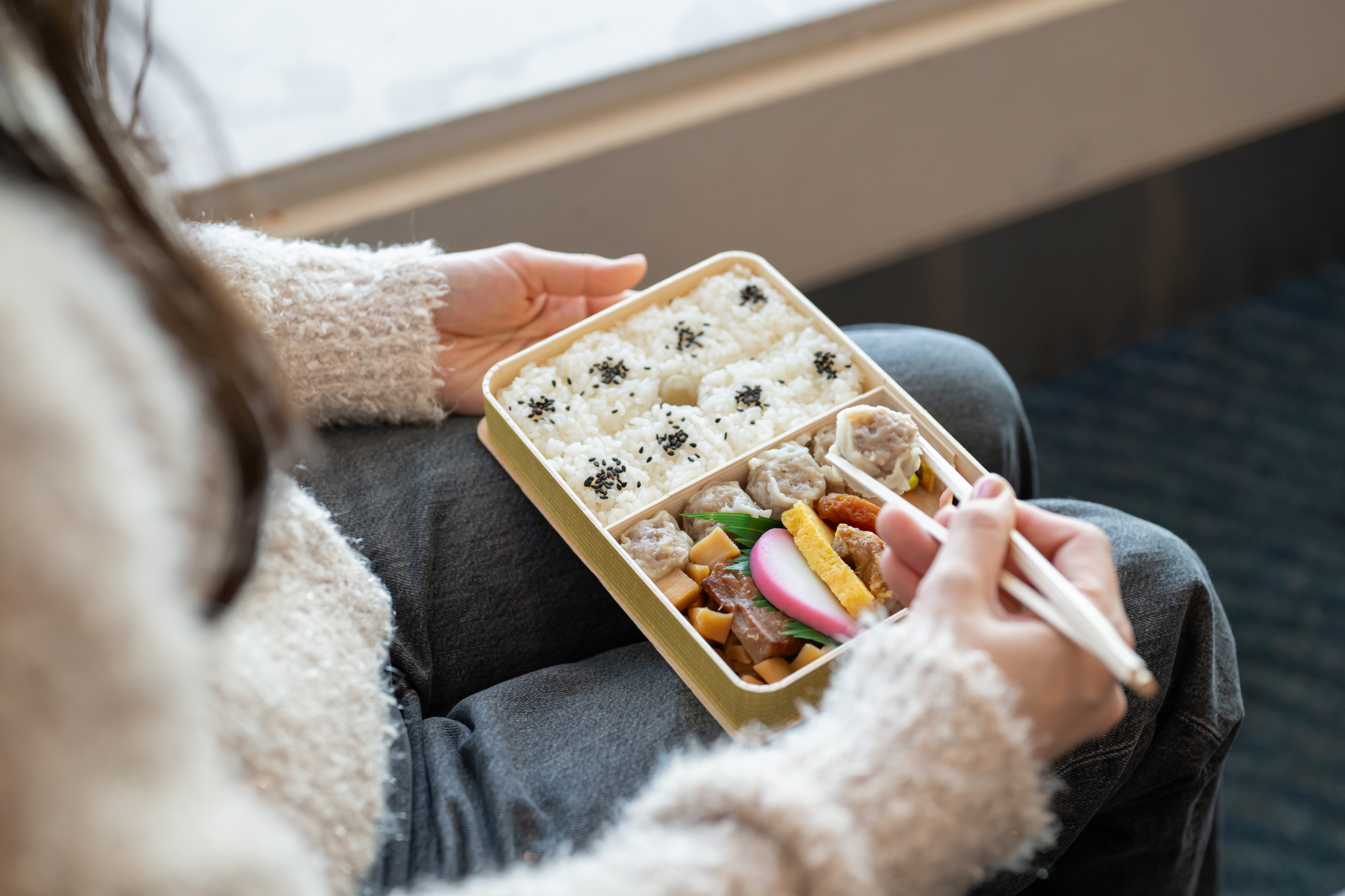
The psychological impact on children in this situation is profound. When a child’s lunch—a tangible manifestation of their home, their family, and their heritage—is rejected by their peer group, it is not merely a rejection of the food. It is a rejection of the child’s identity.
In the case of the eight-year-old in Canada, the refusal to eat her lunch was a survival mechanism. She was attempting to mitigate the social cost of her difference. For many observers, this evokes a deep sense of shared trauma. Those who have grown up as cultural minorities often carry these memories into adulthood: the shame of the smell of seaweed, the awkwardness of explaining what a rice ball (onigiri) is, and the subsequent "masking" that occurs when they choose to bring a "normal" lunch just to avoid the spotlight.
The irony is that the bento, which is praised for its organizational genius and health benefits in parenting blogs, becomes a liability the moment it crosses the threshold of a school cafeteria. The "compartmentalized design" that adults find so sophisticated is perceived by children as a display of the "unfamiliar."
Implications for a Globalized Society
The debate that erupted on social media highlighted a deep divide in perspectives.
For many in Japan, the response was one of bewilderment. They operate in a monocultural society where the bento is a standard of care and domestic normalcy. To see it treated as a target for bullying is to see a violation of a cultural norm. They often look for logical explanations, such as "the other children were jealous." While jealousy of a well-prepared meal is a possibility, it often ignores the darker reality of xenophobia or the simple, exclusionary nature of childhood cliques that thrive on ostracizing that which is "different."
For those in the diaspora, the conversation moved beyond the food itself. It became a broader discussion on the challenges of biculturalism. It raised the question: how do we teach our children to be proud of their heritage in an environment that only tolerates that heritage when it is profitable or "trendy"?
The implications are significant for educators and parents alike. If we are to truly foster inclusive environments, we must move beyond the superficial appreciation of cultural exports. We must reach a point where "different" is not synonymous with "gross."
Moving Toward Acceptance
The story of the eight-year-old girl is not just about a bento box; it is a microcosm of the global struggle for cultural integration. As the world continues to shrink, the visibility of Japanese culture will only increase. But visibility is a hollow victory if it does not lead to a deeper, more empathetic understanding.
The mother’s decision to share her daughter’s pain on social media was a brave act of vulnerability. It forced a conversation that many would prefer to avoid—a conversation about the limits of multiculturalism and the persistent, quiet sting of exclusion.
Ultimately, the goal is not to force children to love every type of food. It is to foster an environment where a child can eat a piece of their home without being made to feel as though they are an outsider. True progress will not be measured by how many sushi restaurants open in suburban malls, but by whether the child with the "different" lunch can eat it with the same confidence and comfort as the child with a standard sandwich.
The path forward requires us to acknowledge that while we have succeeded in exporting the product of Japanese culture, we have yet to fully cultivate the respect for the people and practices behind it. The bento box remains a symbol of love, care, and family, and it deserves to be treated as such—regardless of what’s inside.


 Neng Nana
 Asro
Asro