Asro
Asro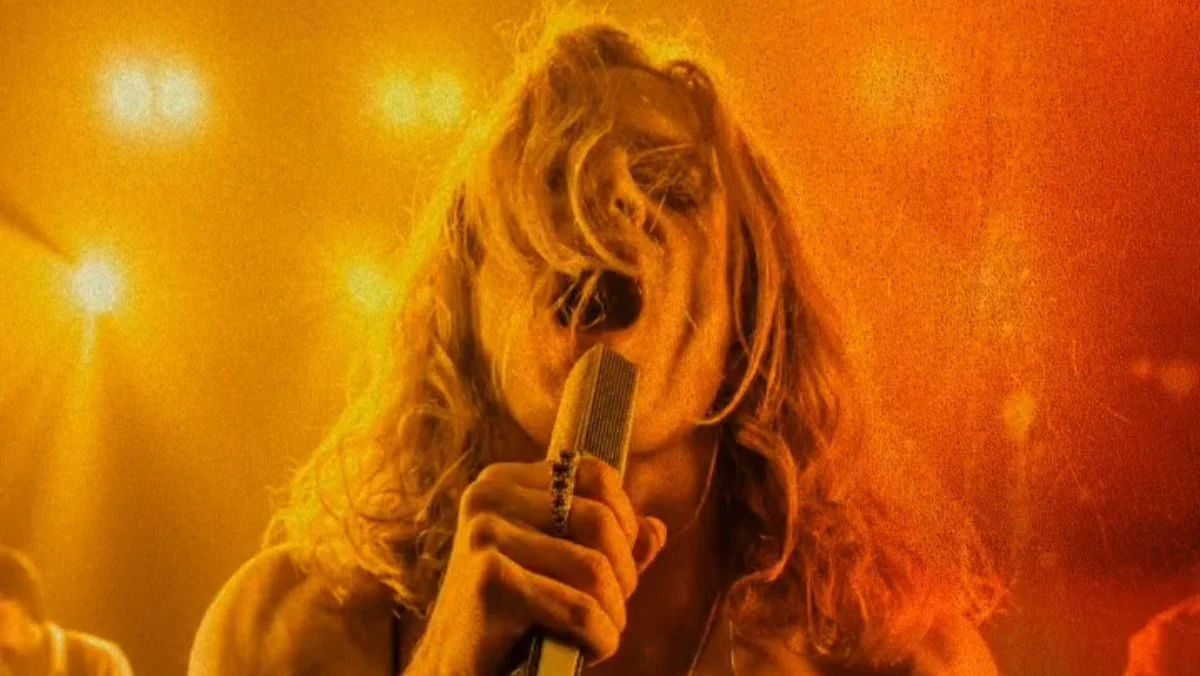
The landscape of gothic television has been irrevocably altered by AMC’s The Vampire Lestat, a bold, serialized reimagining of Anne Rice’s seminal Vampire Chronicles. While the show acts as a direct adaptation of the second book in Rice’s thirteen-volume literary saga, it functions as a palimpsest—layering new character dynamics and modern temporal shifts over the gothic foundations established in 1985. For long-time devotees of Rice’s prose, the series presents a fascinating study in creative adaptation, balancing fidelity to iconic character beats with radical structural departures.
As the series unfolds, the interplay between source material and television narrative creates a complex dialogue. By dissecting the show episode by episode, we can trace the precise points of convergence and the daring divergences that define this new era of the Vampire Chronicles.
The Narrative Foundation: Faithful Adaptations and Temporal Shifts
At the heart of the series lies a core tension between the written word and the visual medium. AMC’s show does not merely replicate the events of the novels; it recontextualizes them.

Episode 1: "Detroit" – Modernity and the Lure of the Rock Star
The premiere episode, "Detroit," masterfully captures the spirit of the novel’s opening chapter, "Downtown Saturday Night in the 20th Century: 1984." The show mirrors the book’s premise of a world-weary Lestat seeking solace in the human world through a garage band, "Satan’s Night Out." However, the location has been shifted from the humid, atmospheric streets of New Orleans to the gritty, industrial backdrop of Montreal.
This geographic move serves a narrative purpose, mirroring the displacement of the characters. Furthermore, the inciting incident for the drama—Lestat’s discovery of his own life story being published—is modernized. In the novel, the publication serves as an existential crisis; in the series, it is an digital, immediate catalyst that reignites the volatile relationship between Lestat and Louis de Pointe du Lac. This is a massive departure from the source material, where Louis is largely absent from the narrative of The Vampire Lestat, appearing only as a distant memory or a secondary concern.
Episode 2: "Toledo" – The Roots of the Brat Prince
"Toledo" dives deep into the 18th-century French origins of the titular character. The depiction of Lestat’s childhood, marked by the cruelty of his father and older brothers, remains largely faithful to the "Lelio Rising" section of the novel. The inclusion of his mother, Gabriella, and her pivotal role in his early existence is a cornerstone of the adaptation.

However, the series introduces a significant psychological layer: Lestat’s childhood stutter. This impediment, which becomes a focal point of his early trauma, is entirely an invention of the showrunners. It adds a layer of vulnerability and internal struggle that differentiates the television version of Lestat from the more overtly confident, flamboyant protagonist found in Rice’s pages.
Supporting Data: The Fang Gang and the Great Laws
A critical divergence occurs regarding the "Fang Gang," the group of Detroit vampires that confront Lestat. In The Queen of the Damned, the Fang Gang are devotees, eager to pledge fealty to the iconic rock-star vampire. In the AMC series, they are antagonists, driven by a rigid interpretation of "The Great Laws" of the undead.
This shift transforms the conflict from a social drama about celebrity to an ideological war about the survival of the species. By positioning the Fang Gang as enforcers of vampiric secrecy, the show creates higher stakes, turning the narrative into a thriller that interrogates the cost of exposure in a digital age.

Chronological Discrepancies and Character Fates
One of the most profound changes involves the death of Nicolas de Lenfant, Lestat’s mortal companion and eventual fledgling. In the novel, the tragedy of Nicolas is a slow burn, culminating in a suicide that occurs long after Lestat has moved on from Paris. The show, however, compresses this timeline, placing the audience at the scene of the tragedy.
Furthermore, the culpability of Armand in Nicki’s death is treated with ambiguity in the show. While the book presents a specific sequence of events involving the Paris coven, the series suggests that Lestat’s memory of the event—and his accusation of Armand—might be colored by his own guilt or perspective. This unreliable narration is a recurring theme, highlighting the disconnect between the truth of the events and the legends that follow.
Official Responses and Creative Intent
The production team behind The Vampire Lestat has been vocal about the necessity of change. Executive producer Rolin Jones has frequently addressed the decision to include characters like Daniel Molloy and the modern-day framing device as a way to "canonize" the unreliable nature of memory.

By framing the story as a meta-narrative—where characters are constantly debating what actually happened in the past—the series allows for the inclusion of conflicting accounts. This is not seen as an error in adaptation, but as a deliberate choice to honor the themes of Rice’s work: that history is written by the victors and that identity is a performance.
Implications for the Future of the Chronicles
The implications of these changes are substantial. By bringing Louis into the fold of the Vampire Lestat narrative, the series is setting the stage for a more interconnected universe. It suggests that future seasons will not follow the books in a linear, one-to-one fashion, but will instead weave the various threads of the thirteen-book series into a single, cohesive, albeit reinvented, tapestry.
The Impact of "Unreliable Truths"
The ongoing mystery regarding whether Lestat attacked the protagonists on a train—a claim explicitly denied by Lestat but detailed in Interview with the Vampire—serves as a cornerstone for the series’ philosophy. By refusing to confirm the objective truth of these events, the show maintains the mythic quality of the characters. It forces the audience to engage with the characters as people who curate their own legends.

The Transformation of Magnus
The inclusion of the ancient vampire Magnus remains a highlight of the series’ commitment to the source material’s aesthetic. While the show omits some of the more granular details of the inheritance of gold and jewels, it retains the core emotional weight of the "Legacy of Magnus." The transformation of the mortal actor into a creature of the night remains one of the most hauntingly realized sequences in the history of the franchise.
Conclusion: A New Testament for the Undead
AMC’s The Vampire Lestat succeeds because it understands that an adaptation must be a conversation with its predecessor. By keeping the soul of the 1985 novel intact while aggressively pruning and reshaping its body, the series honors the legacy of Anne Rice while ensuring the Vampire Chronicles remain relevant to a modern audience.
Whether one is a purist who prefers the dense, poetic prose of the original novels or a new viewer drawn to the high-stakes drama of the screen, the series provides a rich, multi-layered experience. As the show continues to evolve, one thing remains clear: the "Brat Prince" has found a new, compelling form, one that is as dangerous, seductive, and perpetually changing as the nature of the vampire itself.

The journey from the streets of 18th-century France to the modern-day concert stages is not just a change of scenery; it is a testament to the endurance of these characters. As we look toward future seasons, the only certainty is that the line between truth and myth will continue to blur, keeping us as enthralled as the victims who once sought the company of the undead.


 Siti Muinah
 Azzam Bilal Chamdy