Nana Wu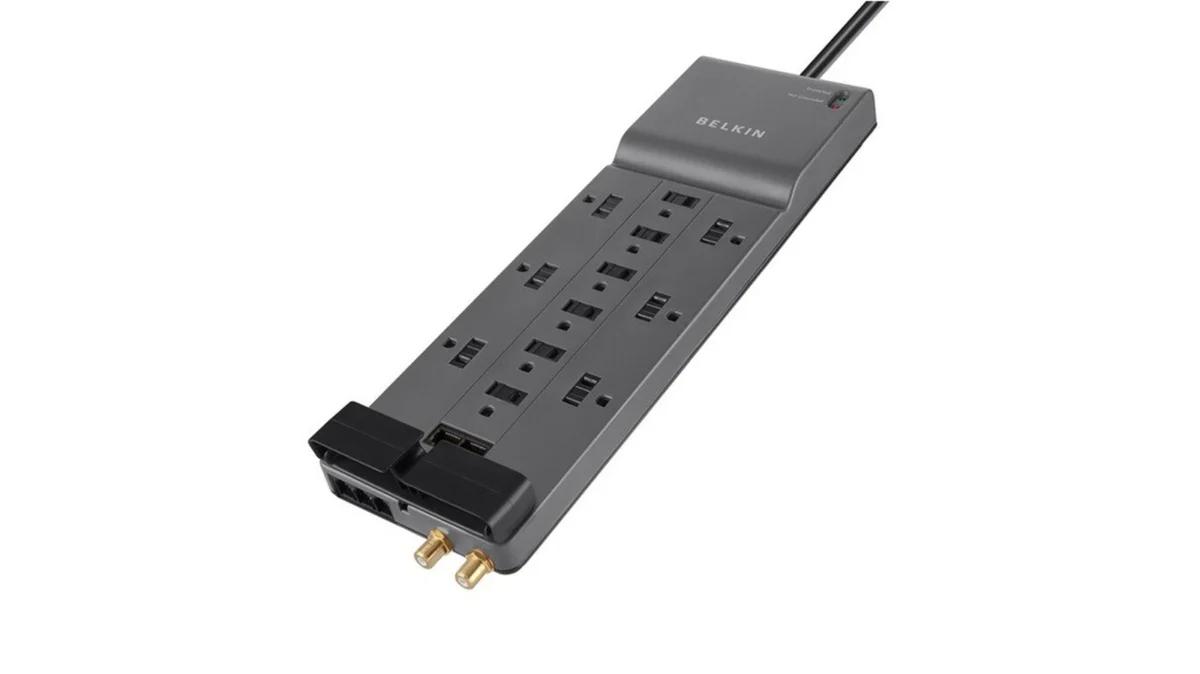
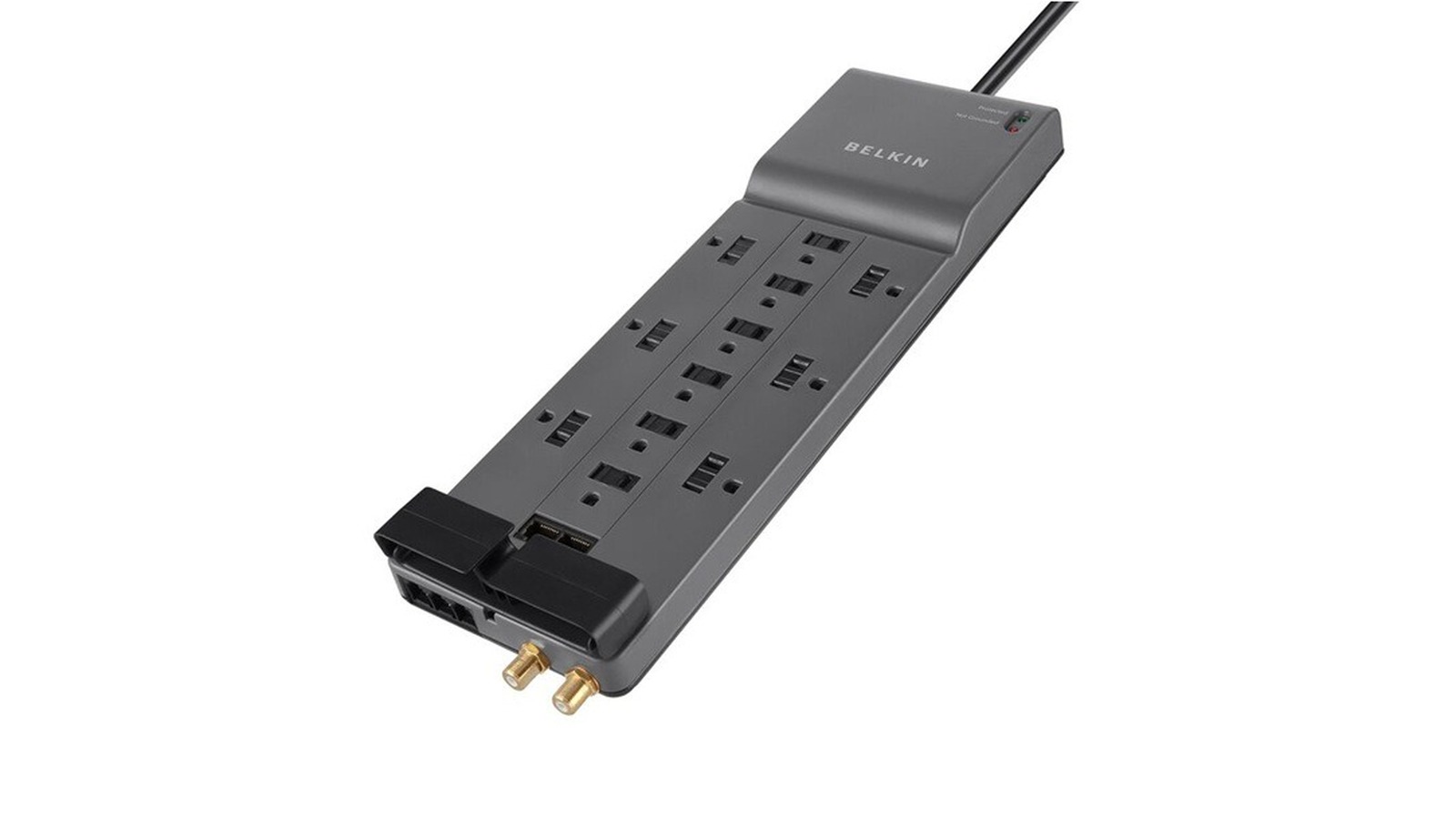
In the modern home, electronic infrastructure has become increasingly complex. While the average consumer understands the necessity of plugging high-value electronics like televisions and gaming consoles into surge protectors, many are left scratching their heads when they spot those odd, threaded metal ports on the side of their power strips. These are coaxial connectors—the same standard used for cable television, satellite internet, and over-the-air antennas.
While they appear to offer a "one-stop shop" for protecting your entire entertainment center, the reality is far more nuanced. Understanding whether you should route your coaxial lines through these ports requires a deep dive into electrical grounding, signal integrity, and the physical limitations of consumer-grade surge protection.
The Fundamentals: Surge Protection vs. Standard Power Strips
To grasp why coaxial ports exist on power strips, one must first distinguish between a simple power strip and a true surge protector. A standard power strip is essentially a glorified extension cord; it provides additional outlets but offers zero defense against the "dirty" electricity that can destroy sensitive circuitry.
Power surges are unpredictable events caused by internal factors—such as large appliances like HVAC systems or refrigerators cycling on and off—and external factors, including grid fluctuations and storm-related activity. A legitimate surge protector utilizes internal components to detect these voltage spikes and divert the excess energy away from your equipment.
However, the "surge" threat isn’t limited to your 120V wall outlet. Any copper wire entering your home—including the coaxial cables connected to your cable modem or satellite receiver—can act as a conductor for dangerous voltage spikes. This is the logic behind including coaxial "in/out" ports on power strips: to create a unified barrier against surges originating from the service provider’s line.
Chronology of Coaxial Surge Protection
The integration of low-voltage protection (coax, phone, and Ethernet) into power strips gained significant traction in the early 2000s, as home entertainment systems became more expensive and interconnected.
- The Rise of Integrated Protection: As manufacturers sought to differentiate their products in a crowded market, adding "all-in-one" protection became a selling point. Marketing campaigns emphasized that a surge could enter through the wall outlet or the cable line, suggesting that if you didn’t protect both, you weren’t fully protected.
- The Era of Analog to Digital: During the transition from analog to high-definition digital signals, the sensitivity of equipment increased. Consumers were encouraged to protect every entry point to their devices to prevent the destruction of tuners and network interface cards.
- The Current Standard: Today, while many mid-range and high-end surge protectors still include these ports, professional installers and electrical engineers have begun to move away from them in favor of dedicated, external grounding solutions, citing issues with signal attenuation and outdated protection technology.
Supporting Data: Signal Integrity vs. Safety
The central debate surrounding the use of built-in coaxial surge protectors involves a trade-off: protection versus signal quality.
The Case Against Integrated Ports
Coaxial cables are engineered to transport high-frequency signals with minimal loss. They achieve this through precision impedance (usually 75 ohms) and sophisticated shielding. When you route a cable through a cheap, plastic-housed power strip, you are adding an extra set of connections and potentially low-quality internal circuitry.
Data indicates that these integrated ports often act as a bottleneck. Because the signal must pass through the protector’s internal components, users frequently report:
- Increased Noise Floor: Introducing interference that results in pixelation on digital TV or "sync" errors on cable modems.
- Signal Attenuation: A reduction in signal strength that can lead to slower internet speeds or the loss of weaker over-the-air television channels.
- Ground Loops: By adding a redundant grounding point, you may inadvertently create a ground loop, which can manifest as hum or interference in audio equipment.
The Role of Grounding
It is important to note that most modern cable and satellite installations already include a "ground block" where the service enters the home. This is a NEC (National Electrical Code) requirement. This grounding block is designed to dissipate large electrical charges before they ever enter your living room. Because this primary defense is already in place, the secondary protection offered by a $30 power strip is often redundant and, in many cases, less effective than the dedicated ground already installed by your service provider.
Implications for Your Home Theater
If you have a high-value home theater, the decision to use these ports should be based on your specific setup.
When to Avoid Them
If you are experiencing intermittent signal drops, pixelation, or if your cable modem frequently reboots, the first step should be to remove any surge-protection devices from the coaxial line. Bypassing the power strip to connect the cable directly to your device is the most reliable way to troubleshoot signal issues. If the performance improves, the surge protector is likely the culprit, degrading your signal quality.
Scenarios Where Protection Matters
The only scenario where auxiliary protection is truly beneficial is for equipment connected to roof-mounted antennas. Unlike cable lines, which are managed by utility companies, personal antennas are often poorly grounded. If you are using a mast-mounted antenna, you are at a higher risk of picking up induced surges from lightning strikes in the vicinity.
However, even in this case, a standard power strip is insufficient. A lightning strike carries approximately 1 billion joules of energy. A typical home power strip is rated for perhaps 2,000 to 4,000 joules. Placing a power strip between your antenna and your TV is like trying to stop a tidal wave with a screen door.
Advanced Solutions: Gas Discharge Tubes (GDT)
For those who genuinely require protection for their coaxial lines, industry experts point toward Gas Discharge Tube (GDT) surge arrestors rather than the ports found on power strips.
How GDTs Function
A GDT arrestor is a dedicated, high-quality component that acts as a gatekeeper. It consists of a sealed cylinder containing two electrodes separated by an inert gas. Under normal conditions, the gas acts as an insulator, allowing the TV signal to pass through without resistance. However, when a massive voltage spike occurs, the gas ionizes and becomes conductive, creating a "short" that shunts the excess energy safely to ground before it can reach your equipment.
Professional Recommendations
If you are worried about lightning-induced surges, consider the following best practices:
- Dedicated Arrestors: Install a professional-grade coaxial surge arrestor near the point of entry or near the equipment. These devices allow for a physical, heavy-duty ground wire to be attached to a true house ground.
- Maintenance: Unlike the MOVs (Metal Oxide Varistors) inside your power strip, which degrade every time they take a hit, GDTs are more robust. However, they should still be inspected periodically.
- Avoid Over-Protection: Do not daisy-chain surge protectors. If you have a primary whole-home surge protector installed at your breaker panel (which is the gold standard for home protection), the ports on your power strip are entirely unnecessary and only serve to weaken your signal.
Conclusion: Simplifying Your Strategy
The inclusion of coaxial connectors on power strips is largely a legacy feature—a remnant of an era where home entertainment systems were less sensitive to signal loss and the consumer electronics industry was focused on "more is better" feature sets.
For the vast majority of households, the best strategy is to rely on the professionally installed grounding provided by your cable or satellite company and, if desired, invest in a whole-home surge protector installed at the main electrical panel. By removing unnecessary connections from your signal path, you ensure the highest possible performance for your high-speed internet and high-definition media, while simultaneously reducing the clutter and potential for electrical issues in your home.
Protecting your electronics is essential, but it is equally important to use the right tools for the job. In the world of signal transmission, sometimes the best way to protect your gear is to keep your connections as direct and clean as possible.


 Azzam Bilal Chamdy
 Jia Lissa