Azzam Bilal Chamdy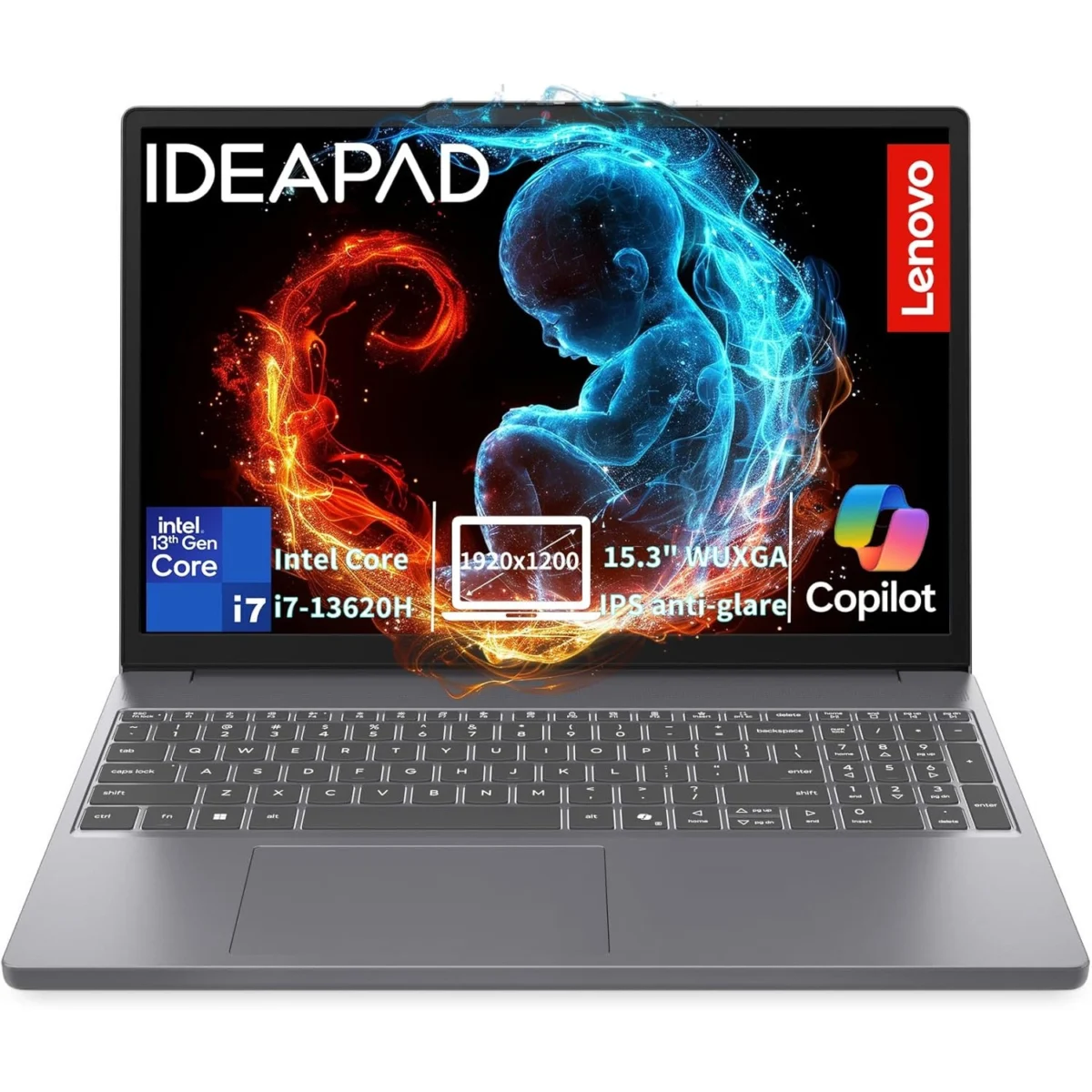
The annual Amazon Prime Day extravaganza has arrived, transforming the digital marketplace into a high-stakes arena for tech enthusiasts and budget-conscious shoppers alike. As the event enters its peak phase, the focus has shifted sharply toward the computing sector. With a deluge of discounts hitting the virtual shelves, finding the right machine—whether for professional productivity, academic endeavors, or high-octane gaming—requires a discerning eye.
This year’s event is characterized by significant price slashes on both legacy models and modern hardware. From the versatile Lenovo IdeaPad series to the specialized Acer Nitro V gaming line, consumers are being presented with a unique window to upgrade their hardware at a fraction of the standard retail cost.
Main Facts: What You Need to Know
Amazon Prime Day is not merely a sale; it is a tactical exercise in consumer logistics. This year, the discounts are particularly aggressive in the laptop category. The most notable highlights currently dominating the market include:
- Lenovo IdeaPad: Boasting a massive $630 discount, this machine represents one of the most significant value propositions currently available on the platform. It serves as a powerful testament to Lenovo’s commitment to providing premium-tier performance at mid-range pricing.
- Acer Nitro V: For the gaming demographic, the $300 discount on the Nitro V offers an entry point into high-refresh-rate gaming without the prohibitive costs typically associated with dedicated graphics hardware.
- Asus VivoBook 15: Priced at $359, this laptop continues to be a cornerstone for students and home office users who require reliability and efficiency without the "premium" tax.
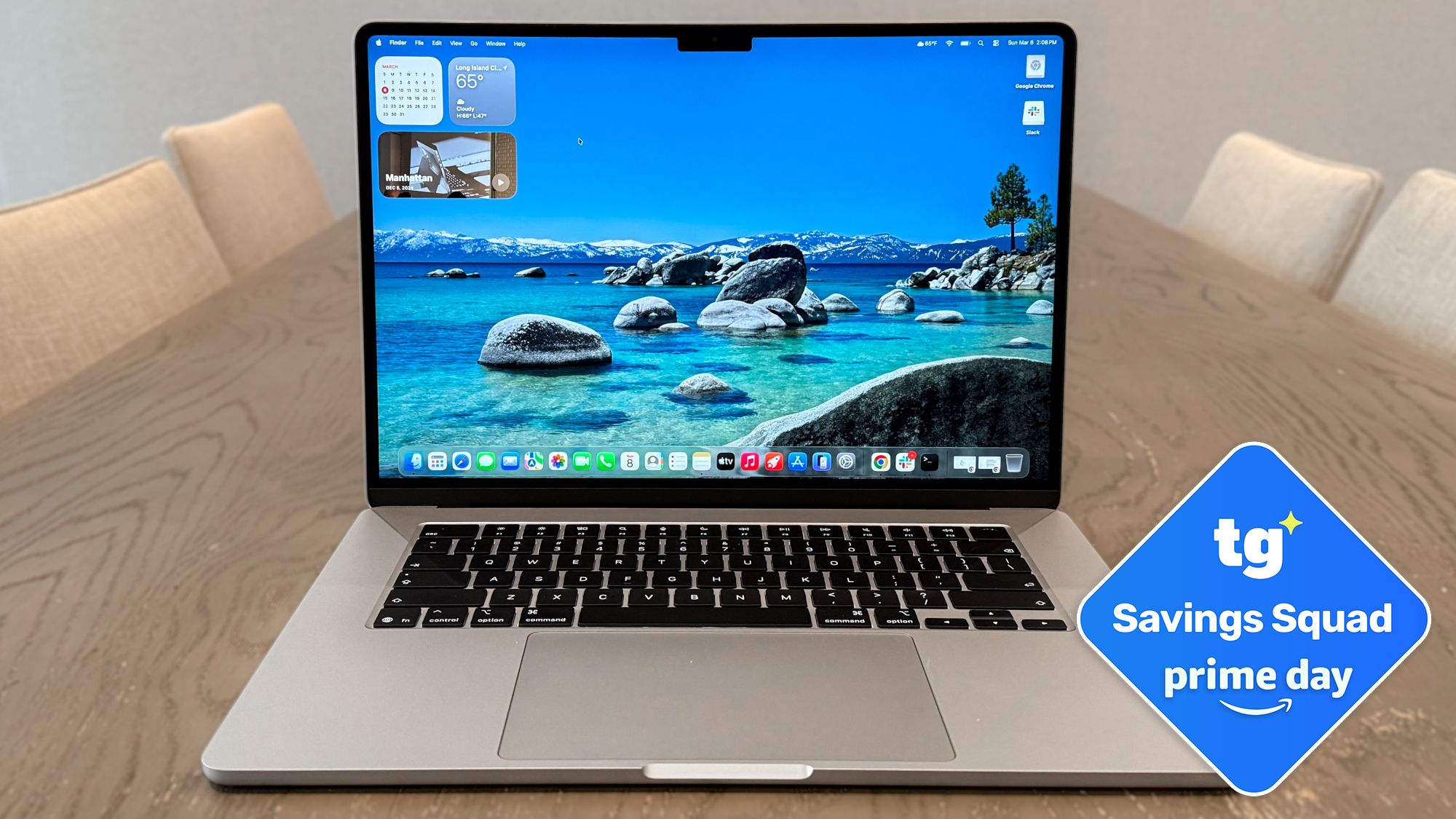
- MacBook Neo: While the $10 discount on its $599 starting price may seem modest, it underscores the rarity of price drops on Apple’s entry-level portable ecosystem, marking a small but welcome shift for those tethered to the macOS environment.
The Chronology of the Sale
The trajectory of Amazon Prime Day typically follows a "wave" pattern, and this year is no exception.
Phase 1: The Lead-Up (Pre-Prime Day)
In the week leading up to the official launch, Amazon initiated a series of "teaser" deals. These were designed to gauge consumer demand and prime the supply chain. During this period, we saw the initial price adjustments on peripheral hardware, such as monitors and docking stations, which often serve as a bellwether for the main event.
Phase 2: The Kickoff
As the gates opened, the most aggressive pricing was applied to mid-tier Windows laptops. This was a strategic move by retailers to clear inventory before the release of next-generation mobile processors.
Phase 3: The Mid-Event Surge (Current State)
We are currently in the heart of the event. At this stage, supply levels for the most popular configurations (particularly those with 16GB of RAM and 512GB of SSD storage) begin to fluctuate. This is the window where "lightning deals" become more frequent, and stockouts are a genuine risk for the most sought-after models.
Phase 4: The Final Countdown
As the event approaches its conclusion, we expect to see a "clearance" mentality, where remaining stock of niche models will see deeper cuts. However, history suggests that the best-in-class laptops—the ones that strike the perfect balance between price and performance—will likely sell out long before the final hour.
Supporting Data: The Landscape of Value
To understand why these deals matter, one must look at the current state of the laptop market. According to recent industry reports, the average selling price (ASP) of consumer laptops has risen by approximately 12% over the last 18 months, driven by increased component costs and the integration of AI-ready NPU (Neural Processing Unit) hardware.
The current discounts, therefore, are not just small price adjustments; they are, in many cases, reversals of inflationary pressure. For instance, the Lenovo IdeaPad’s $630 discount effectively places a premium-tier, high-i7 processor machine into the "budget-friendly" bracket—a segment that has been largely devoid of high-end specs for the past two years.
Furthermore, the data suggests that consumers are increasingly prioritizing battery life and screen quality over raw processing power. The popularity of the Asus VivoBook 15 at the $359 price point reflects a trend where the "utility laptop" is the most sought-after asset for the average consumer, outperforming more expensive, specialized machines in total units sold.
Official Perspectives and Market Implications
Industry analysts are closely watching this year’s Prime Day to understand the broader health of the consumer electronics sector.
"Retailers are feeling the pressure of a saturated market," says one industry analyst. "With the rise of handheld gaming PCs and high-powered tablets, the traditional clamshell laptop has to work harder to justify its existence. The aggressive discounts we are seeing are a reflection of that competitive pressure."
From the perspective of manufacturers like Lenovo and Acer, these sales events are essential for market share retention. By offering substantial discounts, they are ensuring that their brand remains the primary choice for users who are currently sitting on 4-to-5-year-old hardware. The "refresh cycle"—the time between a user buying a new laptop—is stretching longer than ever, and sales events like Prime Day are the most effective tool in shortening that cycle.
Implications for the Consumer
The implications for the average buyer are twofold. First, there is the immediate benefit of cost savings. However, there is also a strategic element: the "Copilot" and AI-integration era of Windows is just beginning. By purchasing a modern laptop during these sales, consumers are essentially buying "future-proofed" hardware that will be able to handle the next three to five years of operating system updates and software advancements.
For those who are not currently Prime members, the barrier to entry is low, but the potential savings are high. The 30-day free trial offers a risk-free way to access these deals, effectively allowing the user to "pay for the laptop, not the membership."
Final Recommendations for the Savvy Shopper
As we navigate the remainder of the event, here are three golden rules for securing the best deals:
- Don’t Wait for the Bottom: If you see a laptop that meets your specific technical requirements (processor, RAM, display resolution) at a price point you find acceptable, purchase it. The risk of the item going "out of stock" is significantly higher than the probability of the price dropping another 5% in the final hours.
- Verify the Specs: Often, models look identical but differ in internal components (e.g., a TN panel versus an IPS panel, or 8GB of soldered RAM versus 16GB of upgradeable RAM). Always check the specific model number against the manufacturer’s data sheet.
- Leverage the Ecosystem: If you are already tied to a specific brand—whether it’s Apple’s iCloud or the Windows/Microsoft 365 environment—prioritize machines that enhance your current workflow. A cheap laptop is only a bargain if it allows you to do your work efficiently.
The 2024 Prime Day event is more than just a sale; it is a vital checkpoint in the annual technology calendar. Whether you are a student looking for your first reliable machine, a gamer hunting for an entry into the hobby, or a professional needing a reliable workstation, the current discounts offer a unique opportunity to secure high-quality technology at an accessible price. Stay vigilant, track the updates, and ensure you make an informed decision before the deals conclude.



 Jia Lissa