Nana Muazin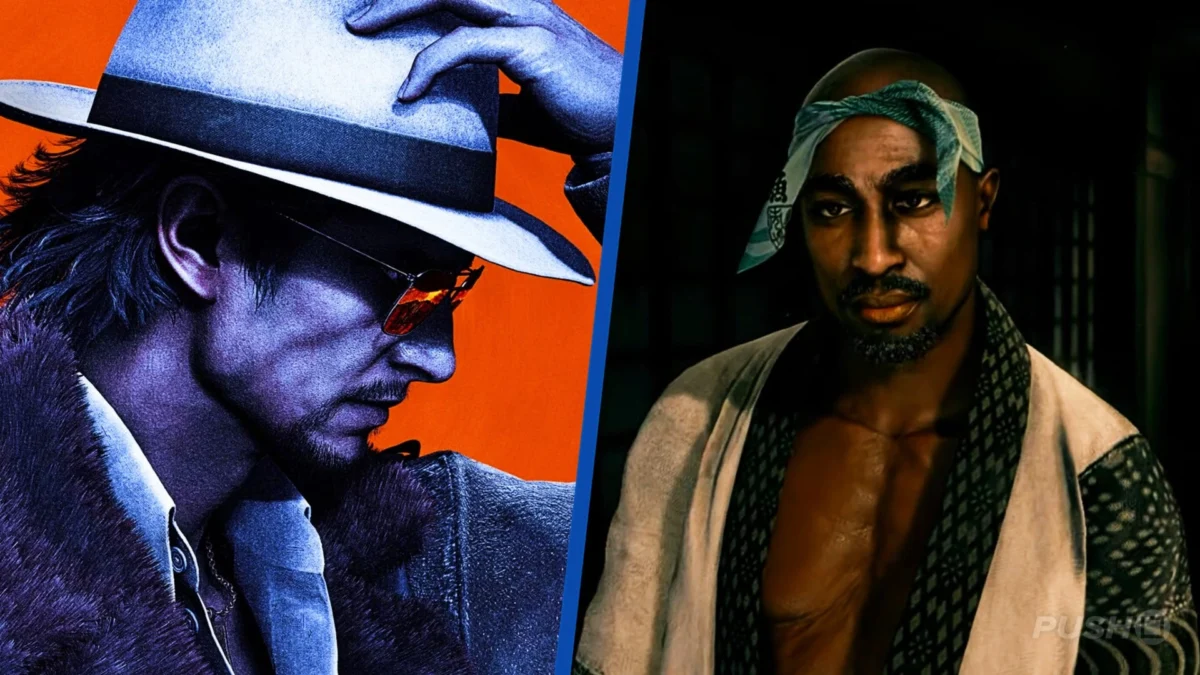
[City, State] – [Date] – RGG Studio, the acclaimed developer behind the beloved "Yakuza" and "Like a Dragon" series, is on the cusp of unveiling its ambitious new title, "Stranger Than Heaven." Early glimpses suggest a narrative-driven action game with the studio’s signature flair for intricate storytelling and compelling characters. However, the project has ignited a significant debate within the gaming community, primarily centered on its controversial casting decisions, most notably the inclusion of the likeness of the late rap icon Tupac Shakur.
While RGG Studio has previously hinted that Snoop Dogg’s involvement was instrumental in securing Tupac’s appearance, this explanation has done little to quell the unease felt by a segment of fans who perceive the decision as potentially disrespectful to the legendary artist’s legacy. In an effort to address these concerns, RGG Studio’s executive director, Masayoshi Yokoyama, has offered a more in-depth perspective on the studio’s casting philosophy and the specific circumstances surrounding Tupac’s inclusion in "Stranger Than Heaven."
The Allure of "Stranger Than Heaven" and the Shadow of Controversy
"Stranger Than Heaven" is poised to be a significant departure for RGG Studio, venturing into new thematic territory while retaining the core elements that have garnered them a dedicated global following. The studio, renowned for its ability to weave complex narratives filled with dramatic twists and turns, alongside engaging combat mechanics, has built a reputation for delivering experiences that resonate deeply with players. Early previews of "Stranger Than Heaven" have alluded to a narrative that delves into profound themes, potentially exploring the intersection of life, death, and the digital realm.
However, the buzz surrounding the game’s potential has been significantly amplified, and in some circles, overshadowed, by the eyebrow-raising casting choices. The decision to feature recognizable celebrities in prominent roles is not entirely new for RGG Studio, but the utilization of the likeness of a deceased cultural icon like Tupac Shakur has sparked a particularly intense reaction. This has led to a palpable tension between anticipation for the game and apprehension regarding the ethical and artistic implications of such a decision.
A Chronology of the Casting Controversy
The initial stir regarding celebrity casting in "Stranger Than Heaven" began to gain momentum as promotional materials and early reports emerged. The announcement that Snoop Dogg would portray a key character, Orpheus, immediately drew attention. Snoop Dogg, a towering figure in hip-hop and a close associate of Tupac Shakur, was seen as a natural fit for a role that hinted at themes of mythology and the underworld.
The subsequent reveal of Tupac Shakur’s inclusion, albeit in a digital capacity, was met with a mixed reception. While some acknowledged the potential for an intriguing narrative integration, many expressed immediate concern. The primary arguments against the casting centered on the perceived disrespect of using a deceased artist’s likeness without their explicit consent, even if through familial or estate approval. Questions arose about the ethical boundaries of such digital resurrection in video games and the potential for exploitation.
RGG Studio, recognizing the growing discourse, initially offered a brief explanation, attributing Snoop Dogg’s influence as the catalyst for Tupac’s appearance. This statement, while providing a partial answer, was not enough to fully satisfy the inquisitive and concerned fanbase. The lack of detailed context fueled speculation and further amplified the controversy, prompting a need for a more comprehensive explanation from the studio’s leadership.
Supporting Data: RGG Studio’s History with Celebrity Integration
RGG Studio’s approach to incorporating real-world talent into their games is not without precedent. The "Yakuza" series, in particular, has a rich history of featuring prominent Japanese actors, voice actors, and even musicians in its casts. These collaborations have often been lauded for their ability to lend authenticity and gravitas to the game’s characters and narrative.
A prime example of this is "Yakuza 0," released in 2015. This prequel title was celebrated for its stellar cast, which included highly recognizable figures from Japanese cinema and television. Actors such as Hideo Nakano, Kumiko Goto, and Tsuyoshi Abe lent their talents to create memorable characters that enriched the game’s immersive world. The integration of these actors was widely seen as a success, enhancing the dramatic performances and contributing to the overall critical acclaim of "Yakuza 0."
This established practice of leveraging celebrity talent for narrative enhancement provides a foundational context for understanding RGG Studio’s decisions in "Stranger Than Heaven." However, the inclusion of a deceased global icon like Tupac Shakur represents a significant escalation in the scope and sensitivity of such integrations, moving beyond the realm of living actors to engage with the digital representation of a cultural legend.
Official Responses: Masayoshi Yokoyama Addresses the Concerns
In a candid interview with Automaton, Masayoshi Yokoyama, the executive director of RGG Studio, directly addressed the swirling controversy surrounding the casting in "Stranger Than Heaven." His statements offer a more nuanced insight into the studio’s intentions and the specific circumstances that led to the inclusion of Tupac Shakur.

Yokoyama began by asserting that his primary objective as a game creator is not to have the casting choices become the sole focus of the game, nor to overshadow the core gameplay and narrative experience. "To be completely honest, my intention as a game creator isn’t to make our casting choices take the spotlight and overshadow everything else," he stated. "I want people to focus on the gameplay and the narrative experience itself."
He acknowledged the perception that the studio might be perceived as seeking attention or engaging in celebrity-driven marketing. "To the audience, it may seem like we’re only doing it for attention, and I may end up being perceived as someone who’s just getting a kick out of being surrounded by celebrities. But that is absolutely not my intention," Yokoyama clarified, emphasizing his genuine commitment to artistic integrity.
Referencing the studio’s past successes, particularly with "Yakuza 0," Yokoyama reiterated the belief that skilled performances can significantly elevate the overall quality of a game. "We continue to create games drawing on the experience we gained from Yakuza 0 – that actors’ performances can elevate the entire work," he explained. This statement underscores RGG Studio’s long-held philosophy that well-executed character portrayals, whether by established actors or digital representations, are crucial to creating impactful gaming experiences.
When directly questioned about Tupac Shakur’s specific inclusion, Yokoyama did not shy away from the subject, reiterating the explanation previously provided but with added detail. "Initially, we hadn’t considered having Tupac appear in the game," he revealed. "It was in the latter half of development, after I’d become quite close with Snoop Dogg, that we decided to include him."
This statement highlights that Tupac’s appearance was not a pre-planned element but rather an organic development that emerged from the studio’s relationship with Snoop Dogg. Yokoyama further elaborated on the collaborative process: "[Snoop Dogg] later introduced us to Tupac’s family and other acquaintances, and we created his character under their supervision." This crucial detail suggests that RGG Studio sought and received approval from Tupac Shakur’s estate and close associates, indicating an effort to navigate the ethical considerations surrounding the use of his likeness. The emphasis on "supervision" implies a degree of consultation and control retained by those closest to the late artist.
While the exact scope of Tupac’s role in "Stranger Than Heaven" remains under wraps, Yokoyama hinted at its significance. He mentioned that the character is "super important," suggesting that his presence is integral to the game’s narrative and not merely a superficial cameo. This further fuels speculation about the depth and impact of his character within the game’s unfolding story.
Implications and the Future of Celebrity Casting in Gaming
The controversy surrounding Tupac Shakur’s casting in "Stranger Than Heaven" raises broader questions about the ethical boundaries and artistic merit of integrating deceased cultural icons into video games. While RGG Studio’s assertion of consultation with Tupac’s family and acquaintances provides a layer of legitimacy to their approach, the inherent sensitivity of the matter ensures that the debate will likely persist.
For RGG Studio, the success of "Stranger Than Heaven" may hinge not only on its gameplay and narrative but also on how effectively they can navigate this delicate balance. The studio’s ability to demonstrate that Tupac’s inclusion serves a meaningful narrative purpose, rather than being a mere marketing gimmick, will be critical in winning over skeptical fans. The "super important" nature of his character, as described by Yokoyama, suggests that the studio intends for his presence to be more than just a fleeting nod to a legendary figure.
Beyond RGG Studio, this situation serves as a case study for the broader gaming industry. As technology advances, the ability to recreate and integrate the likenesses of historical and deceased figures into interactive media becomes increasingly feasible. This raises important ethical considerations regarding consent, legacy, and the potential for exploitation. Developers will need to tread carefully, prioritizing respectful and meaningful integration over sensationalism.
Ultimately, the gaming community will be watching "Stranger Than Heaven" with keen interest. The game’s reception will not only determine its commercial success but also provide valuable insights into how players perceive the evolving landscape of celebrity integration and the ethical considerations that accompany it. The question remains: will RGG Studio’s bold casting choice pay off, delivering a compelling narrative that honors its inspirations, or will it be perceived as a misstep that detracts from the studio’s otherwise stellar reputation? The coming months will undoubtedly provide the answers.


 Lina Irawan
 Sagoh
Sagoh