

Just off the coast of Hiroshima, the island of Miyajima has long held a near-mystical fascination. To step onto its shores is to enter a landscape where the boundary between the mundane and the divine feels perpetually porous. Here, sacred deer roam freely among ancient, shrine-lined paths, and the iconic vermilion torii gate of Itsukushima Shrine appears to float upon the tide, an image that has become an enduring shorthand for the soul of Japan.
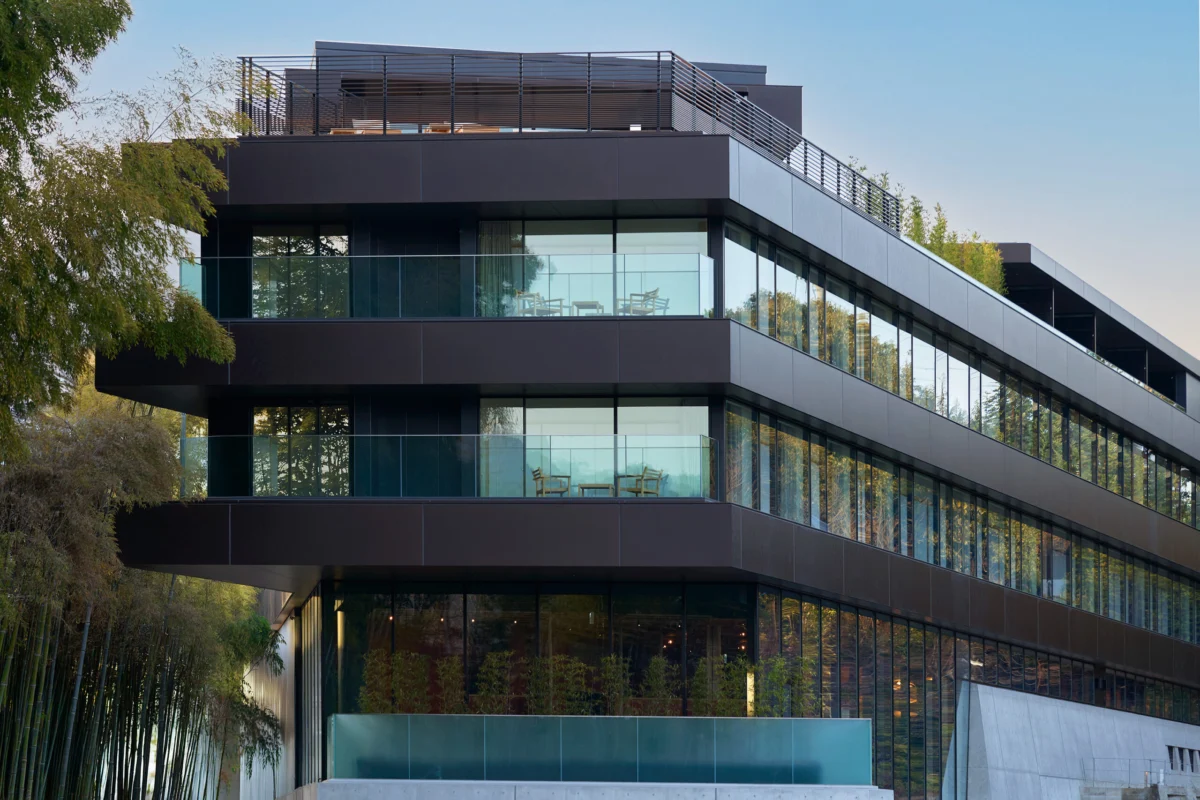
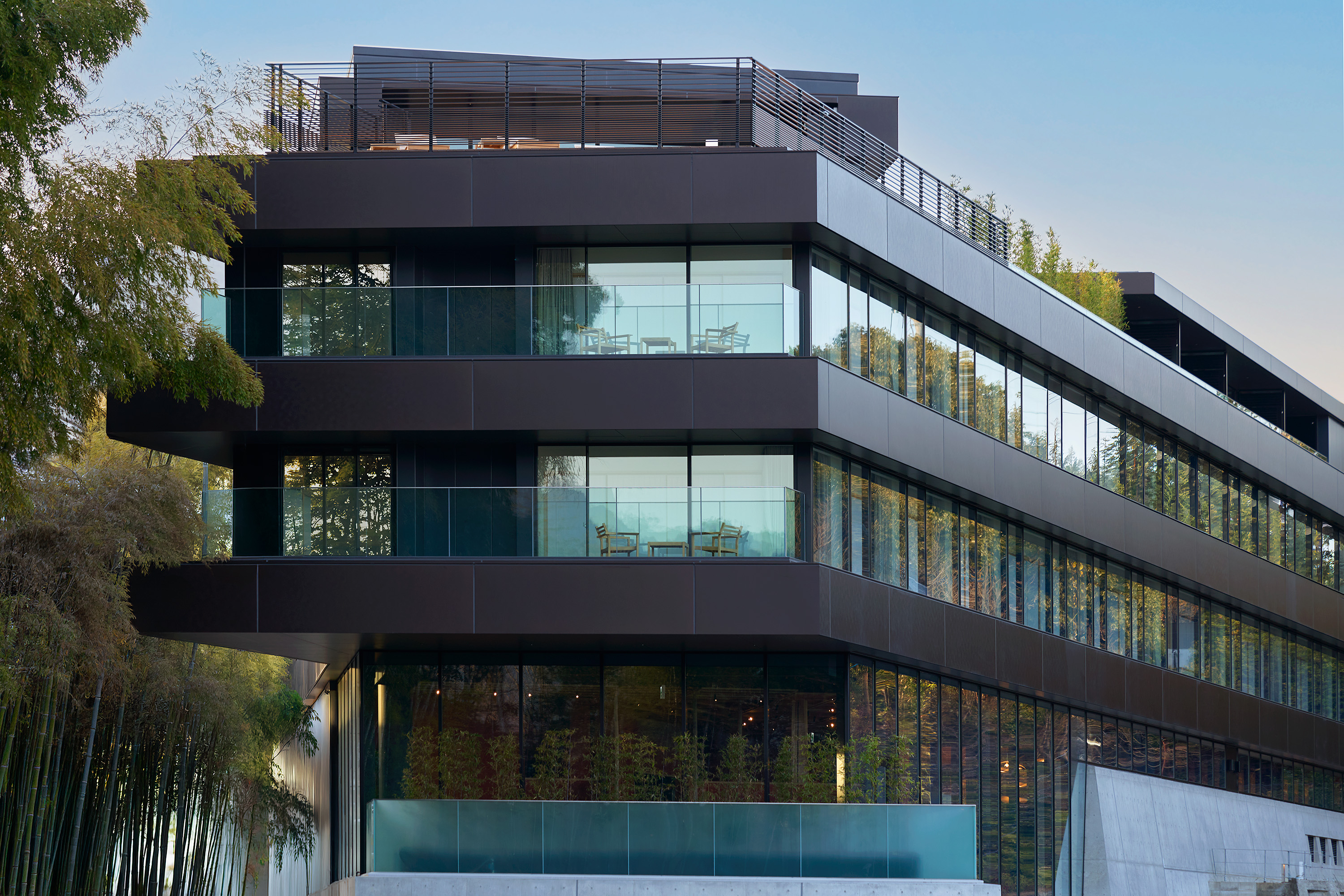
It is within this gravity-defying landscape that a new chapter in regional hospitality has begun. Opened in March 2026, Hotel Fork & Knife Miyajima sits directly across the channel on the mainland shore, offering a bridge between the historical sanctity of the island and the modern pursuit of intentional living. Designed by the visionary artist and architect Fumihiko Sano, the hotel is not merely a place to sleep; it is a meticulously curated sensory experience that invites guests to "slow down and engage more deliberately with their environment."
The Genesis of a Vision: A Contemporary Take on Tradition
The philosophy of Hotel Fork & Knife Miyajima is rooted in the concept of "tradition served quietly." Sano, known for his ability to synthesize Japan’s deep-seated craft history with contemporary spatial requirements, has created an environment that feels both deeply rooted in the Seto Inland Sea’s history and refreshingly removed from the frenetic pace of modern travel.
"This is an eclectic space that marries the old with the new," Sano explains. "It is a place where guests can truly sense the raw quality of Hiroshima’s natural materials and the spiritual atmosphere of Miyajima."
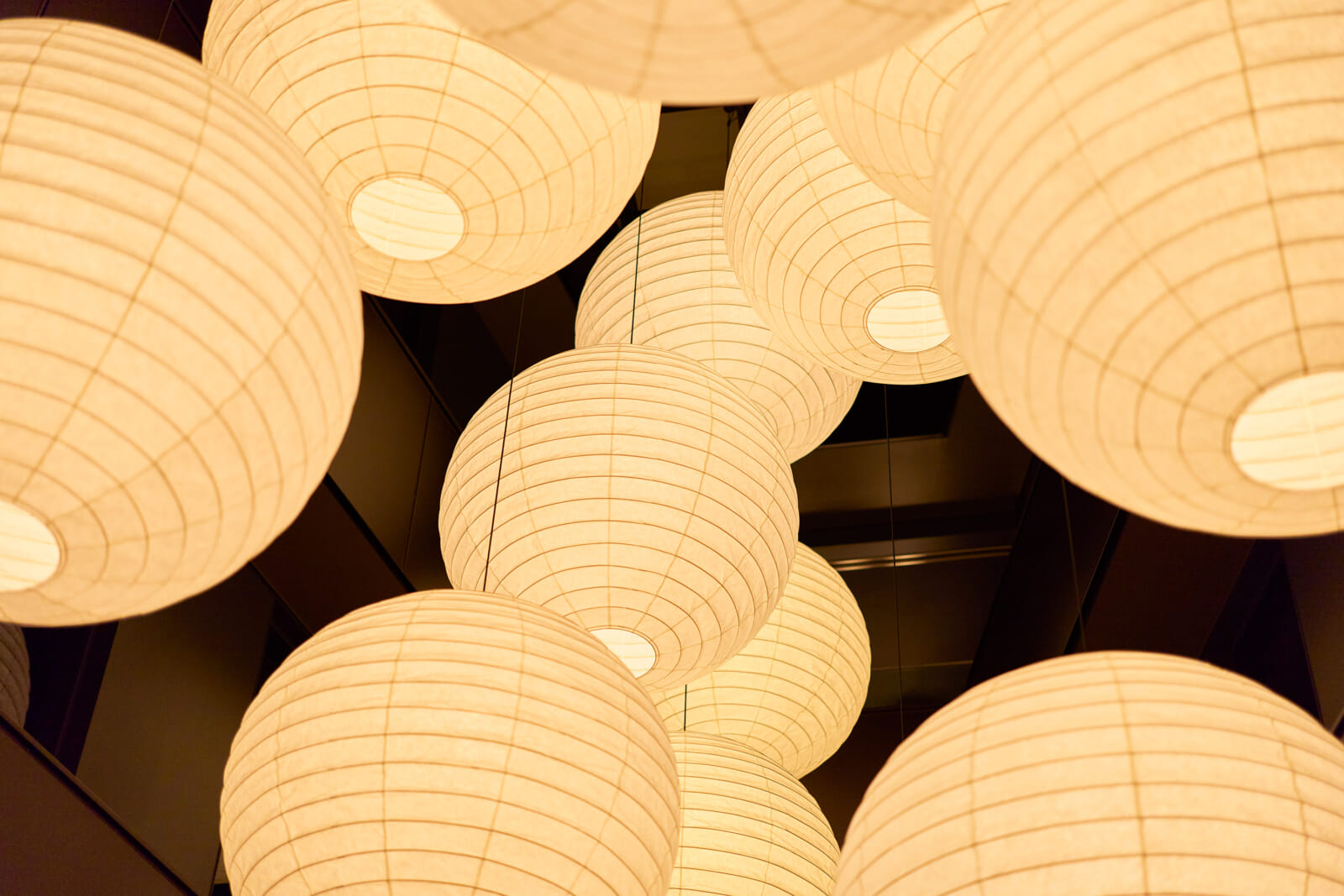
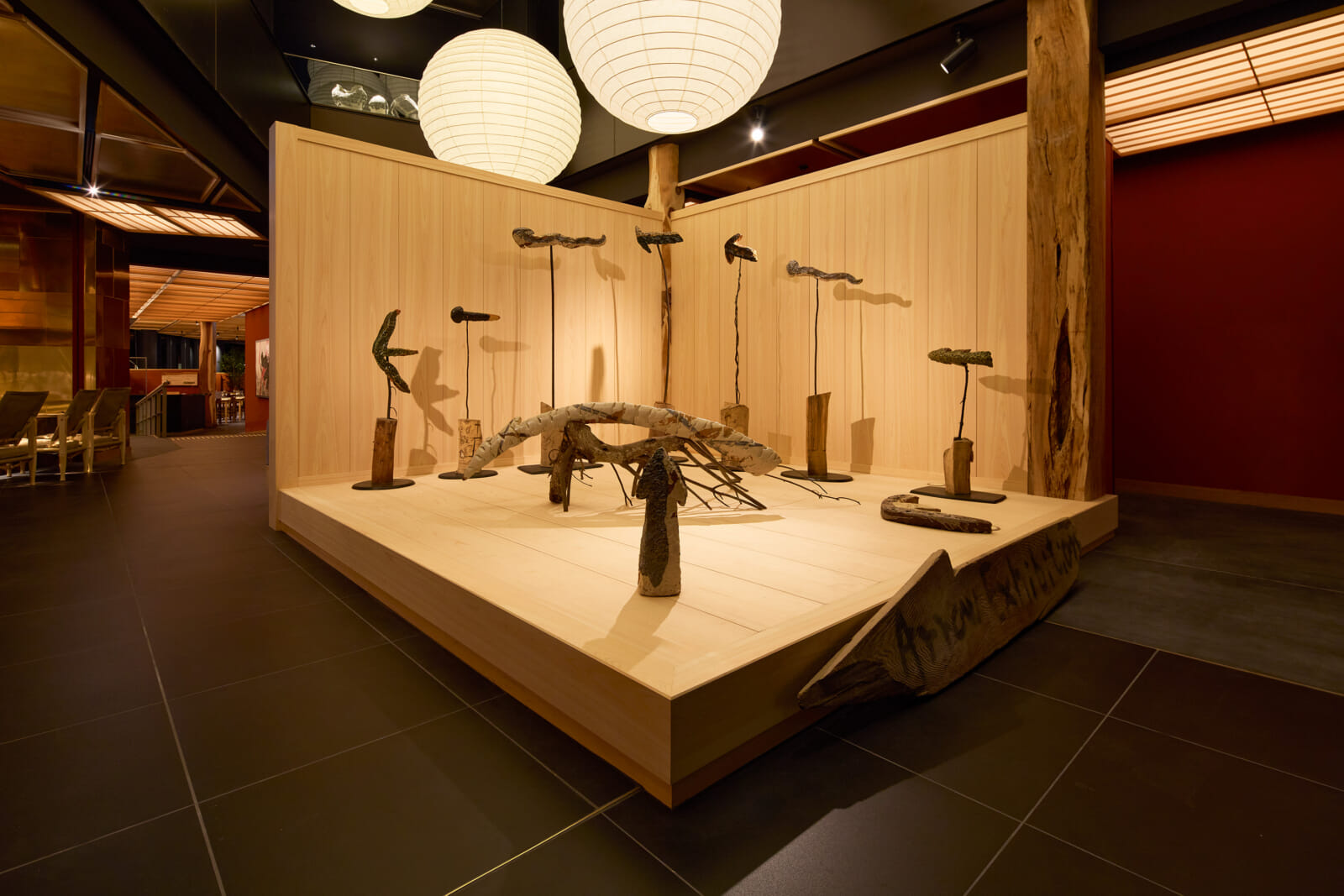
This vision is anchored in the hotel’s entrance lobby, which functions as a cultural gateway. The space is inspired by the Noh stage of Itsukushima Shrine—the celebrated hinoki cypress structure that has stood the test of time as an Important Cultural Property. By translating the geometry and reverence of the Noh stage into a hotel lobby, Sano creates a visual dialogue between history and reinterpretation. The space features a diagonally intersecting wood lattice ceiling, a design choice that draws the eye upward while grounding the room in the warmth of local cedar. Deep, reddish-brown walls provide a moody, intimate backdrop for locally crafted Hiroshima lanterns, which cast a soft, amber glow that transforms the lobby from a mere transit point into an active gallery hosting rotating exhibitions of regional art.
Architectural Chronology and Design Philosophy
The development of Hotel Fork & Knife Miyajima represents a significant investment in the revitalization of the Miyajimaguchi area. Following a multi-year planning phase that prioritized the preservation of the coastal view, construction commenced with an emphasis on sustainable, locally sourced materials.
The hotel’s aesthetic trajectory can be traced through its three core pillars:
- Minimalism as Expression: Eschewing the cluttered opulence often found in high-end hotels, the design relies on the texture of wood, the shifting patterns of light, and the framing of ocean views.
- Cultural Continuity: Every structural element, from the lattice work to the choice of lighting, references the craftsmanship of Hiroshima Prefecture.
- Sensory Integration: The architecture is designed to invite the sea inside. Shoji screens act as filters for the salt-air breeze, and the layout encourages a meditative flow from the lobby to the private quarters.
Supporting Data: The Anatomy of a Stay
The hotel comprises 34 intimate, design-led rooms, each tailored to evoke a distinct emotional response. The nomenclature of these rooms—with titles translating to concepts like "Ripples on Water" and "Morning Calm"—suggests a hotel that views itself as a poetic entity rather than a corporate one.
Room Categories and Amenities
While the hotel offers a range of configurations, the standout is undoubtedly the 180-square-meter Premium Suite Midori. This space is designed as a self-contained sanctuary, featuring:
- A private, in-suite sauna: Offering a personal wellness retreat.
- Open-air hot spring bath: Fed by natural waters transported from the nearby Miyahama Onsen.
- Chef’s kitchen counter: Allowing for private, bespoke in-room dining experiences, bridging the gap between the hotel’s restaurant and the guest’s personal space.
Across all rooms, technology is treated as a silent partner. While modern essentials—high-speed Wi-Fi, premium coffee stations, and temperature control—are seamlessly integrated, they are tucked away to ensure they do not disrupt the aesthetic of the natural wood interiors.
Gastronomy: The 11-Course Wood-Fired Ritual
At the heart of the hotel’s identity is its dining program, helmed by Chef Ryo Ishihama. Having honed his craft at the Michelin-starred French seafood restaurant Abysse and managing his own high-end seafood establishment in Tokyo’s Shibuya district, Ishihama brings a sophisticated, technique-heavy approach to the bounty of the Seto Inland Sea.
The 11-course dinner menu is a masterclass in elemental cooking. By utilizing wood-fire techniques, Ishihama coaxes subtle, smoky notes from local seafood and mountain produce, creating a narrative of the region’s geography on the plate.
A unique highlight of the dining experience is the hotel’s in-house rice mill. By milling the grain immediately before it is cooked in a traditional donabe (earthen pot), the kitchen ensures that the rice—a staple of Japanese life—is served at the peak of its freshness and fragrance. This is not just a meal; it is a commitment to the "farm-to-table" ethos, supported by a curated selection of sake from the Saijo region—one of Japan’s most prestigious brewing centers—and a list of local wines and craft beers that highlight the micro-terroir of the Hiroshima region.
Wellness and Public Spaces: A Sanctuary of Stillness
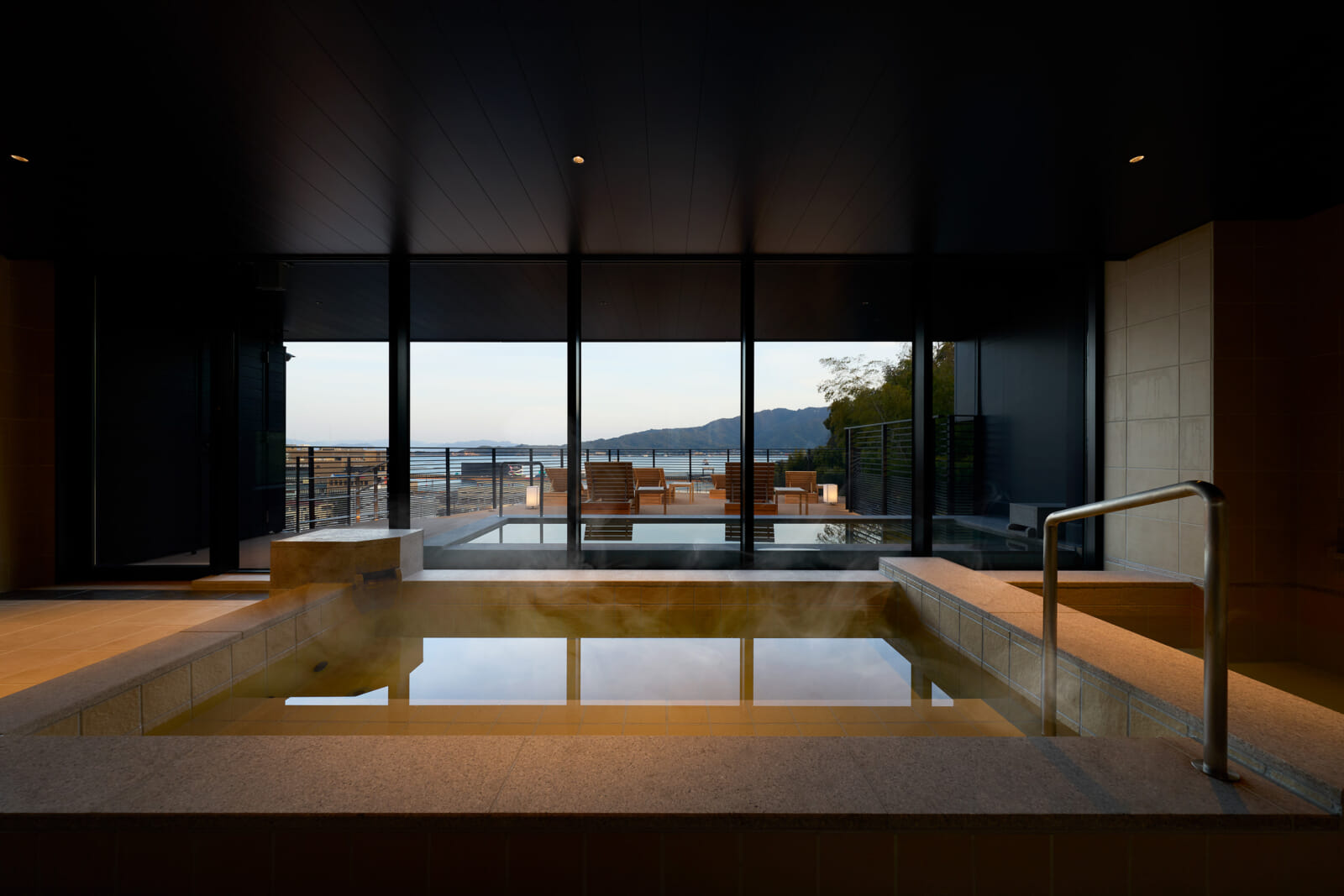
The hotel’s top-floor spa area serves as a communal ritual space. It features both indoor and outdoor baths, allowing guests to soak in the mineral-rich waters of Miyahama Onsen while gazing out over the Seto Inland Sea. Because the spa is a mixed-gender, swimsuit-required facility, it encourages a relaxed, communal atmosphere that mirrors the open-minded nature of modern Japanese luxury retreats.
Beyond the water, the hotel provides spaces for intellectual and emotional decompression:
- The Study Area: A quiet nook featuring, among other items, a 1958 photobook by French actress Emmanuelle Riva. The book captures her time in Hiroshima during the filming of the seminal movie Hiroshima Mon Amour, providing a poignant historical anchor for guests to contemplate.
- The Salon Lounge: The social heart of the hotel. Centered around an irori (traditional sunken hearth), the lounge offers an intimate setting for guests to share a nightcap and discuss the day’s journey to the Itsukushima Shrine.
Implications for Regional Tourism
The arrival of Hotel Fork & Knife Miyajima signals a shift in how travelers are choosing to engage with Hiroshima. By positioning itself as a "basecamp for mindfulness," the hotel encourages longer, more deliberate stays. Instead of the traditional "day-trip" model—where tourists rush to the island, take a photo of the torii gate, and depart—the hotel promotes a deeper integration with the mainland shore.
This approach has wider implications for the region. By directing focus toward the local artisans, the rice mills, and the historical film culture of the area, the hotel helps distribute the economic impact of tourism more evenly, encouraging visitors to explore the quieter, more authentic corners of the mainland.
Practical Information for the Discerning Traveler
For those planning a visit, accessibility is straightforward but requires a brief transition.
Arrival: From Hiroshima Station, the JR Sanyo Line provides a direct route to Miyajimaguchi Station (approximately 30 minutes). Upon arrival, guests can take advantage of the hotel’s complimentary shuttle service, or enjoy a brisk seven-minute walk to the property.
The Island Experience: The ferry to Miyajima is a 10-minute walk from the hotel lobby. Once on the island, the Itsukushima Shrine is a pleasant 15-minute walk from the ferry terminal. Travelers are encouraged to embrace the journey, as the walk is punctuated by local street food stalls and the island’s famous friendly deer.
Pricing and Policy:
- Rates: Standard rooms start at approximately ¥60,000 per night, including breakfast and dinner. Premium suites exceed ¥100,000. Prices are dynamic and subject to seasonal fluctuations, particularly during the cherry blossom and autumn foliage peaks.
- Age Restriction: To maintain the tranquil, meditative environment of the property, the hotel maintains a policy that all guests must be at least 13 years of age.
As the tourism landscape in Japan continues to evolve, Hotel Fork & Knife Miyajima stands as a testament to the idea that luxury is no longer just about comfort—it is about connection. By marrying the profound history of the Seto Inland Sea with a modern, design-forward sensibility, the hotel offers a rare opportunity to pause, reflect, and experience the quiet pulse of one of Japan’s most sacred regions.
For bookings and further inquiries, visit hotelforkandknife.com.












No comments yet. Be the first to join the conversation!