Evan Lee Salim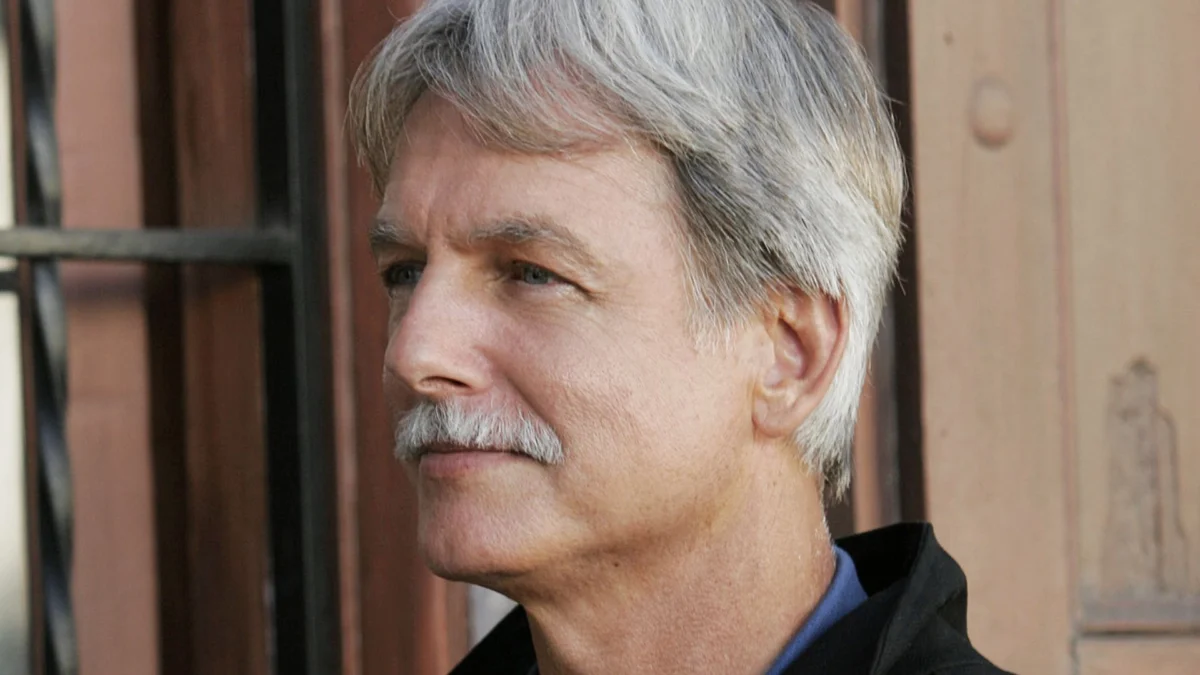
It has been five years since the legendary Leroy Jethro Gibbs, portrayed by Mark Harmon, officially hung up his badge and retired to the quiet, icy isolation of Alaska. Since his departure in the early stages of NCIS Season 19, the procedural landscape of the long-running CBS hit has undergone a seismic shift. As the show concludes its 23rd season—a year defined by significant character departures and the shadow of political maneuvering—the question of whether Gibbs will ever make a triumphant return has moved from a topic of hopeful speculation to one of cold, tactical reality.
Despite fervent fan desire and the procedural’s penchant for surprise cameos, the current narrative trajectory of NCIS suggests that a proper, physical return for Gibbs is not only unlikely but, for the sake of the team’s survival, perhaps best left in the past.

The Post-Gibbs Era: Finding a New Identity
When Mark Harmon stepped away from the lead role in 2021, the industry viewed it as an existential threat to one of television’s most enduring franchises. Gibbs was more than a character; he was the bedrock upon which the entire NCIS universe was constructed in 2003. For the first few years following his exit, the show struggled to balance the legacy of its founding father with the need for fresh, modern dynamics.
NCIS Season 23, however, served as a turning point. After years of experimental storytelling, the show finally solidified its new identity. By leaning into high-stakes, serialized arcs and legacy-building episodes, the series moved past the "transitional phase" that defined the post-Harmon era. The recent cycle was marked by the return of familiar faces like Vera Strickland and Ellie Bishop, effectively honoring the show’s history without relying on the physical presence of the former team leader. However, the season also dealt a devastating blow: the death of Director Leon Vance, closing the book on an 18-year tenure that helped define the series’ later years.

The Political Threat: Why Gabriel LaRoche Changes Everything
The most compelling reason for Gibbs to remain in Alaska is the emergence of a new, dangerous antagonist: Gabriel LaRoche. In the Season 23 finale, LaRoche made his intentions for the Director’s chair clear, signaling a shift toward a more corrupt and politically driven era for the agency.
LaRoche is not a traditional procedural villain; he is a bureaucrat with teeth, someone who views the legacy of figures like Vance as an obstacle rather than a foundation. He has explicitly targeted the Major Case Response Team (MCRT), and his reach threatens to dismantle the team from the inside out.
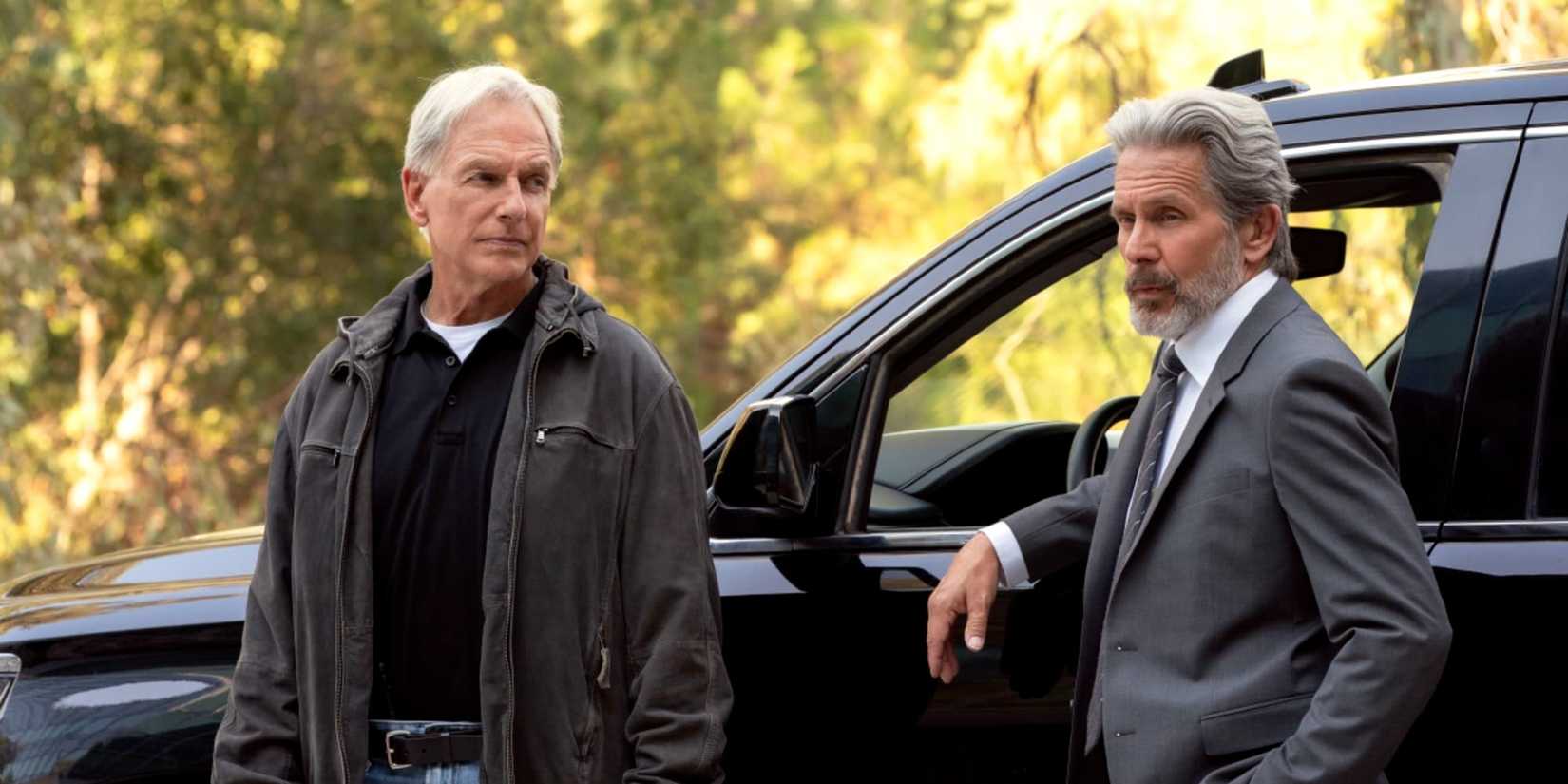
The danger for Gibbs is tactical. In previous seasons, particularly when dealing with high-profile threats like Wayne Rogers, Alden Parker and Gibbs demonstrated a willingness to operate outside the strictures of the law. If LaRoche were to uncover any link between the MCRT’s past extrajudicial actions and Gibbs, the former agent would become the ultimate leverage. For Gibbs to return to the DMV area would be to place a target on his back—and by extension, the backs of the current team members who are already navigating a precarious political minefield.
Chronology of an Exit: From Alaska to the Present
To understand why a return is so complicated, one must look at the timeline of Gibbs’ retirement:

- 2021 (Season 19): Gibbs departs the agency following the resolution of the Paul Lemere case, choosing to settle in Naktok Bay, Alaska.
- 2022–2024: The series focuses on the integration of Alden Parker as team lead. Gibbs is mentioned but remains off-screen, maintaining his distance to allow the team to grow.
- 2025 (Season 23): The "Modern Era" of the show begins. While Gibbs’ influence is felt, the team faces the loss of long-time Director Leon Vance.
- 2026 (Season 23 Finale): The penultimate episode of the season teases a Gibbs-related plotline in the DMV area, fueling fan speculation. However, the finale confirms that while the impact of Gibbs is present, his physical absence remains a strategic necessity.
The "Strategic Silence": Why Absence is a Character Choice
Showrunner Steven D. Binder has been remarkably consistent in his philosophy regarding the character of Gibbs. In various interviews, Binder has emphasized that any return for Mark Harmon must serve the story, not just the audience’s nostalgia.
The decision to keep Gibbs away during major events—such as the passing of Dr. Donald "Ducky" Mallard or the death of Director Vance—was initially perceived by some viewers as a snub. In retrospect, however, it was a character-consistent choice. Gibbs is a man of few words and deep, internal processing. His way of honoring his fallen friends was not a public memorial, but a quiet, solitary acknowledgment in the solitude of the North.

By keeping Gibbs in the periphery, the creative team has preserved the mythos of the character. If he were to return now, he would be forced into the messy, bureaucratic drama currently plaguing the agency. His return would necessitate a conflict with LaRoche, which would likely strip away the mystique of his retirement.
Supporting Data: The Ratings of Evolution
Despite the skepticism that accompanied Harmon’s departure, the data shows that NCIS has successfully navigated the transition. Ratings for the 2025-2026 cycle have remained stable, proving that the audience’s loyalty is tied to the brand of the show itself—the "NCIS" spirit—rather than a single performer.

The shift toward ensemble-heavy narratives has allowed for character development that was previously stifled by the "Gibbs-centric" model. By distributing the screen time and the emotional weight of the show’s crises, the production has created a more resilient narrative structure. Bringing back the central pillar of the old model would risk collapsing the progress made in the last five years.
Implications: The Future of the MCRT
What does this mean for the future of the series? As NCIS heads toward potential future seasons, the implications are clear:

- The End of the "Savior" Trope: The show has moved away from the idea that one man can solve every crisis. The MCRT must now rely on their collective intelligence, technology, and cooperation to survive LaRoche’s tenure.
- Legacy as a Narrative Tool: Gibbs will likely remain a "ghost in the machine." His name will be invoked by characters to guide their decision-making, but his physical presence will remain reserved for scenarios that are truly beyond the capabilities of the current team.
- The "Origins" Factor: With the success of the NCIS: Origins prequel series, the character of Gibbs has found a new, distinct space to exist without interfering with the modern-day timeline. This separation allows the franchise to have its cake and eat it too: a young, developing Gibbs for the fans who miss the character, and a modern, evolving procedural for the current audience.
Conclusion: A Dignified Retirement
Ultimately, the most respectful thing the NCIS writers can do for Leroy Jethro Gibbs is to let him stay in Alaska. His story is one of a man who spent his life in the trenches of human tragedy and finally earned his peace. To drag him back into the political machinations of a corrupt agency would be to undo the character’s most significant arc: the realization that there is life beyond the badge.
While the door is never truly closed in the world of television, the evidence suggests that Gibbs’ return is not just unlikely—it is unnecessary. The MCRT has grown up. They are now, for better or worse, the team that Gibbs built, and the greatest tribute they can pay him is to continue his work without needing him to hold their hands. As the series moves forward, the legacy of Gibbs will continue to be felt, not through his return, but through the enduring strength of the team he left behind.


 Reynand Wu
 Sagoh
Sagoh