Rifan Muazin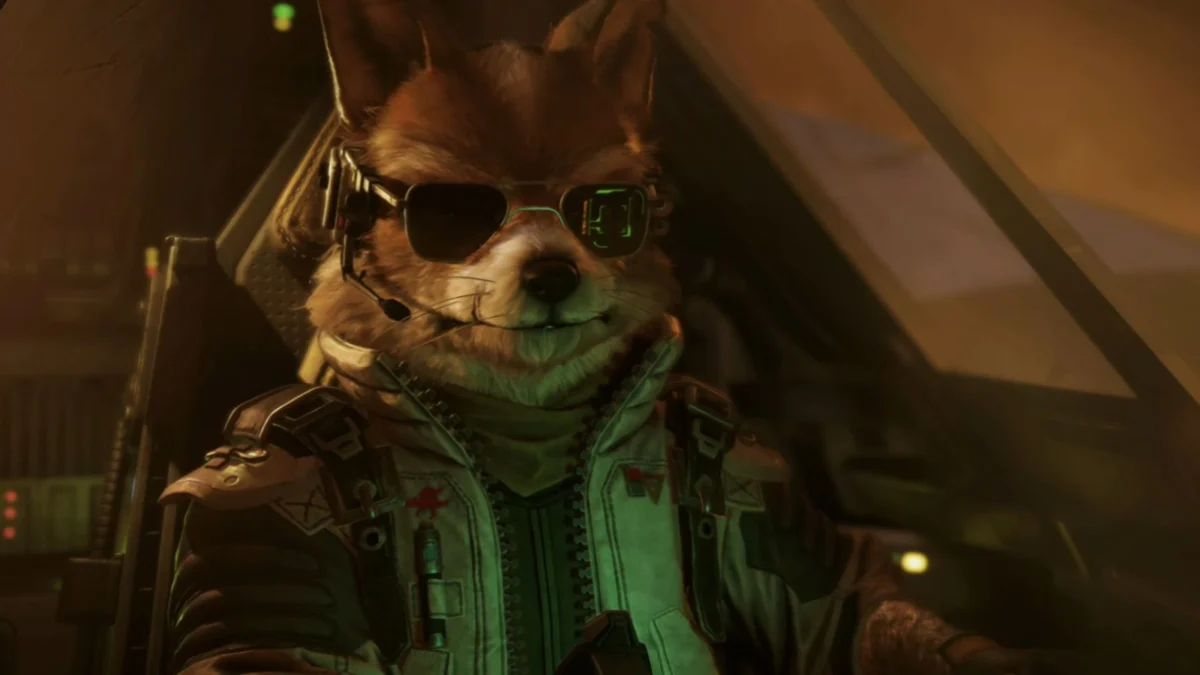
For nearly three decades, the Star Fox franchise has existed in a state of perpetual identity crisis. Since the groundbreaking success of Star Fox 64 in 1997, the series has attempted to reinvent its own wheel through sequels, spin-offs, and divisive motion-control experiments. Now, with the release of a full-scale remake for the Nintendo Switch 2, the Lylat System has finally been restored to its former glory. While it carries the weight of nostalgia, this latest iteration manages to prove that, sometimes, the best path forward is a high-fidelity look back.
The Core Experience: A Masterclass in Arcade Flight
At its heart, the new Star Fox on Switch 2 is a triumph of pure, distilled gameplay. The development team has successfully preserved the "feel" of the original—that distinct, responsive arcade sensation that defined a generation. Whether you are executing a precise barrel roll to deflect enemy fire, boosting through an asteroid field, or slamming the brakes to outmaneuver an aggressive pilot, the controls remain as tactile and satisfying as ever.
The game seamlessly transitions between the iconic Arwing flight segments, the heavy-hitting Landmaster tank encounters, and the tense underwater navigation of the Bluemarine. By honoring the original mechanics while polishing them for modern hardware, the game captures the quintessential fantasy of being a hotshot mercenary pilot in the Lylat System. It is, quite simply, the smoothest the series has ever felt.
A Chronology of the Lylat Wars
To understand the significance of this remake, one must look at the turbulent history of the franchise. The saga began humbly on the Super Nintendo, but it was the 1997 Nintendo 64 release that cemented the team as icons of gaming culture.
- 1993: Star Fox (SNES) introduces the world to the Arwing and pseudo-3D space combat.
- 1997: Star Fox 64 launches, introducing voice acting, branching paths, and the Rumble Pak, becoming one of the most quotable titles in history.
- 2002: Star Fox Adventures shifts the focus to action-adventure, a move that alienated many series purists.
- 2005: Star Fox Assault attempts a return to form but fails to replicate the tight, on-rails precision of the 64 original.
- 2016: Star Fox Zero (Wii U) is released to critical polarization; its reliance on unconventional, dual-screen motion controls resulted in a frustrating experience that many fans felt lacked the soul of the series.
- 2026: The Switch 2 remake arrives, acting as a "reset" button for the franchise’s legacy.
By revisiting the Star Fox 64 blueprint, this remake serves as an acknowledgment that the franchise lost its way by overcomplicating its core pillars. By returning to the source material, Nintendo has successfully recalibrated the series.

Narrative Depth: Fleshing Out the Crew
While the gameplay remains faithful to the 1997 structure, the developers have introduced significant narrative expansions. The most notable addition is the inclusion of post-mission cinematics that evolve based on player performance.
These cutscenes provide a window into the team’s internal dynamics. Witnessing the crew rally after a narrow victory or engage in heated debates after a failed mission adds a layer of depth previously absent from the series. Furthermore, the characterization has been updated for modern sensibilities. Slippy Toad, once defined solely by his penchant for getting into trouble, now functions as a tactical asset, providing valuable intel and strategic analysis. Falco Lombardi remains the quintessential cocky rival, and the tension between him and Fox feels more palpable than ever before.
Technical Analysis and Design Limitations
Despite its successes, the remake is not without its caveats. The game is a faithful recreation—perhaps to a fault. The level designs are identical to the 64-bit original, which creates a strange, paradoxical experience for returning fans. While there is immense comfort in the familiarity of the layouts, one cannot help but notice the limitations of the original level design when viewed through the lens of 2026 gaming standards.
For instance, the opening mission on Corneria, while visually stunning in its modern update, feels cramped. The map lacks the scale and density that players have come to expect from modern space shooters. An additional minute of gameplay or a more expansive urban environment could have breathed new life into these classic stages.
Furthermore, the voice acting presents a point of contention. While the performances of the main cast are serviceable, they lack the raw, over-the-top energy of the original voice actors. The iconic boss taunts—such as "You’ll never defeat Andross!"—are delivered with a subdued, almost conversational tone that strips away some of the dramatic gravitas that made the original so memorable. It appears to be an artistic choice to ground the characters, but for long-time fans, it feels like a missed opportunity to capture that "lightning in a bottle" charisma.

Supporting Data: Replayability and Challenge
A common critique of the original Star Fox 64 was its relatively short campaign length. The remake addresses this head-on with a robust new "Challenge Mode." This mode tasks players with completing specific objectives, such as destroying high-value targets or navigating hazards within a strict time limit.
This is more than just a padding mechanic; it serves to deepen the lore. Completing these challenges unlocks detailed logs that flesh out the histories of Andross, General Pepper, and the various bosses encountered throughout the Lylat System. Furthermore, the medal system for unlocking higher difficulty tiers remains, and while it feels slightly more forgiving than in the past, it provides a meaningful progression loop that encourages mastery of the flight mechanics.
The Implications for the Future
The arrival of Star Fox on the Switch 2 carries significant implications for the future of Nintendo’s intellectual properties. By positioning this as a "definitive version" rather than a radical departure, Nintendo is signaling a desire to re-establish the brand’s core identity.
The industry has seen a trend of "legacy remakes"—titles that aim to bridge the gap between generational divides by providing a polished, accessible entry point for new players while satiating the nostalgia of veterans. If this title sells well, it proves that there is still a massive, hungry market for arcade-style, on-rails shooters.
More importantly, it creates a clean slate. By fixing the ship, as it were, Nintendo has effectively set the stage for a true sequel. Fans have spent nearly 30 years waiting for a follow-up that captures the magic of the 1997 experience without sacrificing the quality of the gameplay. This remake is the foundation upon which that sequel can finally be built.

Final Verdict
The Star Fox remake for Switch 2 is a resounding success that balances the weight of history with the polish of modern technology. Its shortcomings—primarily in the ambition of the level design and the energy of the vocal performances—are minor when compared to the sheer joy of the flight mechanics.
For veterans of the Lylat Wars, it is a heartwarming trip down memory lane. For newcomers, it is the best possible introduction to one of Nintendo’s most beloved franchises. It is a must-play title that serves as a timely reminder of why we fell in love with Fox McCloud and his crew in the first place. Nintendo has successfully brought the Arwing back into the hangar, and after this impressive performance, the sky is once again the limit for the franchise.

 Dwi Wanna