Dwi Wanna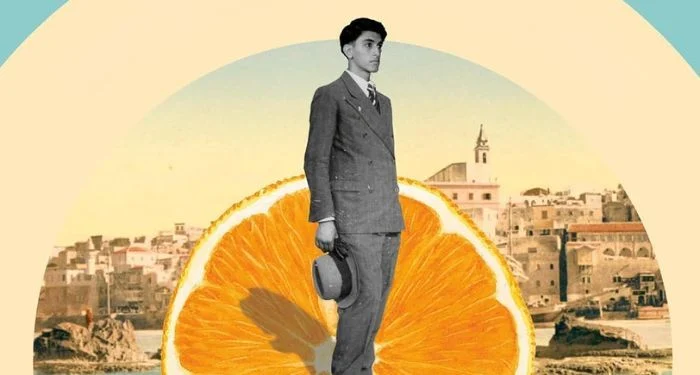
The Middle East, a vast geopolitical tapestry encompassing the Arabian Peninsula, North Africa, and Western Asia, stands as the indisputable cradle of human civilization. It is a region where the dust of the earliest cities settles upon the foundations of the world’s three great monotheistic religions. For the historical novelist, this geography is more than a backdrop; it is a living character, shaped by the convergence of Africa, Asia, and Europe. From the dawn of ancient empires to the complex geopolitical fissures of the 21st century, the region provides a profound reservoir for literary exploration.
Historical fiction set in the Middle East does more than recount dates and treaties. It bridges the chasm between dry academic record and human experience, allowing readers to inhabit the perspective of those who witnessed the shifting tides of history firsthand. Whether tracing the artistry of 17th-century Persian rug weavers or the harrowing displacement of families during the 1947 UN Partition Plan, these narratives serve as a testament to the resilience of the human spirit amidst the relentless momentum of change.
A Chronological Odyssey: From Antiquity to the Modern Era
To understand the breadth of the Middle Eastern literary landscape, one must look at the diverse timelines these authors illuminate. The following selection of works—ranging from the mythical courts of ancient Egypt to the tumultuous reality of the modern Syrian diaspora—highlights the thematic depth found within this genre.

Ancient Legacies and Mythic Retellings
The history of the Middle East is often anchored by figures whose names transcend time. Cleopatra VII, the last active ruler of the Ptolemaic Kingdom of Egypt, remains one of the most scrutinized figures in antiquity. In her recent novel, Cleopatra, author Saara El-Arifi strips away the layers of patriarchal historical filtering that have historically obscured the Queen’s intellect and political acumen. By focusing on the myths cultivated by her contemporaries to diminish her power, El-Arifi provides a vital, modern perspective on a figure often relegated to the status of a caricature.
The Artistry and Intrigue of 17th-Century Persia
Moving into the medieval and early modern periods, Anita Amirrezvani’s The Blood of Flowers transports readers to 17th-century Isfahan, Persia. The narrative serves as a masterclass in the social constraints of the era, viewed through the eyes of a young woman whose life is upended by the sudden loss of her father and the subsequent lack of a marriage dowry. Her journey into the world of rug design—a craft then dominated by the Shah’s court—is an exploration of autonomy, creativity, and the rigid class structures that defined Persian society during the Safavid era.
The 20th Century: A Century of Upheaval
The 20th century in the Middle East was defined by the collapse of empires, the drawing of new borders, and the rise of revolutionary fervor. Meir Shalev’s Esau captures this period of transition, beginning in the British Mandate of Palestine during World War I and stretching into the 1970s. By framing the narrative as a family saga—a reimagining of the biblical rivalry between Jacob and Esau—Shalev grounds high-stakes geopolitical history in the intimate, often agonizing dynamics of domestic life.

Similarly, Suad Amiry’s Mother of Strangers offers an unflinching look at the 1947–1951 period in Jaffa. Through the eyes of teenagers Subhi and Shams, the novel documents the transformation of a bustling Mediterranean port city into a landscape scarred by conflict and displacement. It is a poignant examination of the "hollowing out" of a city and the struggle to maintain one’s identity when the very geography of home has been fundamentally altered.
The latter half of the century is examined with psychological intensity in Dalia Sofer’s The Septembers of Shiraz. Set during the aftermath of the 1979 Iranian Revolution, the story follows a gem dealer, Isaac Amin, whose arrest forces his family to confront the paranoia and moral decay of a society in flux. The novel is a chilling reminder of how political revolutions ripple through the personal lives of citizens, eroding trust and testing the limits of familial loyalty.
The Contemporary Diaspora
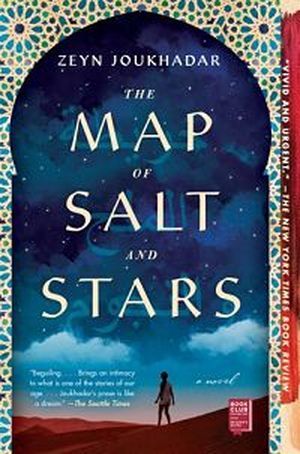
The cycle of history continues into the 21st century with Zeyn Joukhadar’s The Map of Salt and Stars. By weaving together the story of Rawiya, a 12th-century mapmaker, with the contemporary flight of a Syrian family fleeing the devastation of war, Joukhadar bridges the gap between ancient history and current events. The novel illustrates that the themes of the past—exile, the search for home, and the mapping of one’s own survival—remain urgent and relevant today.

Supporting Data and Contextual Significance
The literature of the Middle East serves as an essential counterweight to the often-monolithic reporting found in contemporary news media. While news outlets focus on the immediate "what" of geopolitical events, fiction provides the "how" and "why."
| Novel | Period | Primary Theme |
|---|---|---|
| Cleopatra | Antiquity | Power, gender, and myth-making |
| The Blood of Flowers | 17th Century | Autonomy, art, and class structure |
| Esau | 1914–1970s | Inheritance, rivalry, and national identity |
| Mother of Strangers | 1947–1951 | Displacement and urban transformation |
| The Septembers of Shiraz | Post-1979 | Revolution, fear, and state control |
| The Map of Salt and Stars | 12th/21st C. | Exile and the continuity of history |
Official and Academic Perspectives on Middle Eastern Fiction
Literary critics and historians alike have noted a surge in interest regarding "narrative history" within the Middle East. Academic discourse suggests that fiction serves as a "soft power" tool, allowing for the humanization of regions that are frequently dehumanized in Western discourse.
Prominent historians, including those specializing in the Levant and the Iranian plateau, argue that when authors ground their stories in meticulous research—such as the rug-weaving techniques in Amirrezvani’s work or the specific political atmosphere of 1947 Jaffa in Amiry’s—they create a "historical empathy" that is difficult to achieve through textbooks alone. This phenomenon is often cited as a reason for the sustained popularity of historical fiction among readers who seek to understand the underlying causes of current regional tensions.

Implications for Global Understanding
The implications of engaging with this genre are twofold. First, for the individual reader, these stories dismantle the "othering" that often occurs when viewing the Middle East through the lens of headline-driven conflict. By identifying with the struggles of a character—whether it is a 12th-century mapmaker or a 20th-century family in Tehran—the reader develops a nuanced understanding of cultural, social, and political complexity.
Second, the proliferation of these narratives suggests a shift in the global literary market. Publishers are increasingly recognizing that Western readers are hungry for stories that originate from outside their own immediate spheres. As authors from the Middle East, or those with deep familial ties to the region, continue to produce works of high literary merit, the global perception of the region is gradually moving away from stereotypes and toward a more accurate, multifaceted portrayal.
Conclusion
The Middle East remains a region of profound paradox: it is the cradle of civilization and the site of persistent modern struggle. The novels discussed here are not merely books; they are vessels of memory. They invite us to witness the vibrant markets of old Persia, the sorrow of displaced families in Jaffa, and the quiet resilience of those living through the fires of revolution.
As we look toward the future of historical fiction, it is clear that the stories of the Middle East will continue to play a pivotal role in our shared global dialogue. By reading these works, we do more than enjoy a compelling plot; we acknowledge the depth of the region’s history and affirm the humanity of those who lived it. Whether you are a scholar of history or a casual reader looking for a story that resonates with the complexities of the human condition, the literature of the Middle East offers an unparalleled journey into the heart of our collective past.

 Asep Darmawan
 Laily UPN