Lina Hope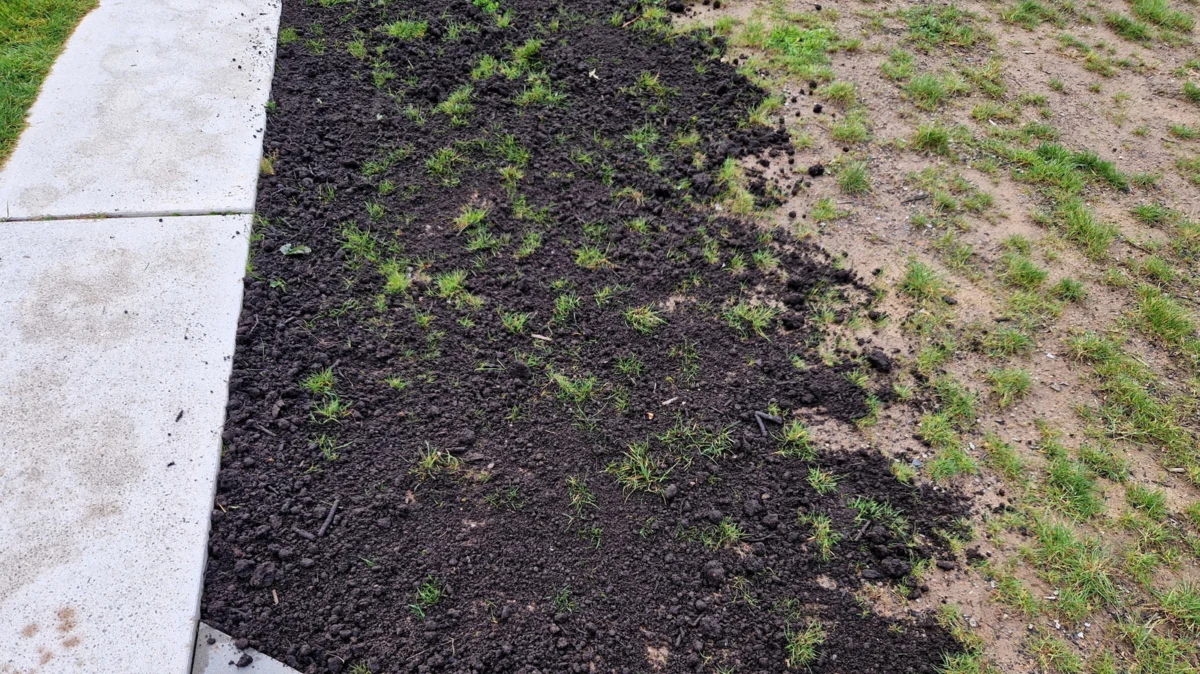
For homeowners, the pursuit of a pristine lawn is often a lifelong project. While high-end riding mowers and professional-grade irrigation systems are frequently touted as the keys to a beautiful yard, they often fail to address the most fundamental aspect of turf health: the surface profile. A lawn that suffers from ruts, bumps, and sunken patches isn’t just an eyesore; it is a landscape struggling to function. Uneven ground complicates mowing, invites hazardous trip conditions, and disrupts the hydrology of your yard by creating stagnant pools.
Fortunately, achieving a professional-grade, level lawn does not require a landscaping crew or thousands of dollars in heavy machinery. By utilizing a simple, cost-effective tool—the lawn leveling rake—homeowners can transform their property’s topography with minimal disruption to the existing grass.
Understanding the Problem: Why Levelness Matters
The health of your grass is inextricably linked to the quality of the soil surface. When a lawn is uneven, the inconsistencies in the ground lead to "scalping"—where a mower deck cuts too deep into high spots—and "misses"—where low spots remain shaggy and unkempt. Over time, these variations encourage the growth of weeds and moss in water-logged depressions while the elevated areas experience drought stress due to rapid evaporation and uneven moisture distribution.
Historically, homeowners looking to correct these issues turned to heavy, pull-behind lawn rollers. While effective at compacting loose soil, rollers have significant limitations. They are expensive, require a secondary vehicle like an ATV or a high-end lawn tractor, and can cause soil compaction, which chokes root systems by restricting oxygen flow. Drag mats are another alternative, but they lack the precision required for spot-leveling and are often overkill for the average residential property.
The Solution: The Lawn Leveling Rake
The lawn leveling rake represents a paradigm shift in DIY landscaping. Unlike traditional leaf rakes, which utilize curved, flexible tines to hook debris, a leveling rake features a wide, flat, rectangular head. This design allows the tool to glide across the surface of the turf, acting like a squeegee for soil.
When moved in a back-and-forth motion, the rake’s flat leading edge catches the peaks of the topsoil and carries that material into the valleys. Because the tool does not penetrate deep into the existing root zone, it allows for effective leveling without the need to tear up the lawn or re-seed entire sections of the yard. At price points often under $60, such as the Vivosun stainless steel models available at major retailers, it is perhaps the most cost-effective investment a homeowner can make in their landscape’s aesthetic.
Chronology of a Successful Leveling Project
To achieve optimal results, the leveling process must be approached methodically. Rushing the preparation phase often leads to poor soil adhesion and a failure to address the underlying causes of uneven terrain.
Step 1: Strategic Mowing
The process begins with a clean slate. Set your mower to a lower-than-usual height, but exercise caution. While you want the grass short enough to see the soil surface, avoid "scalping" the lawn to the point of exposing the crown of the grass plant. Adhering to the "1/3 rule"—never removing more than one-third of the grass blade height in a single session—is vital to maintaining turf vigor during the transition.
Step 2: Dethatching for Soil Contact
Once the lawn is mowed, the surface must be cleared of "thatch," the layer of organic debris that sits between the green grass blades and the soil surface. Thatch acts as a barrier, preventing your top-dressing material from settling properly into the soil profile. Using a dedicated thatch rake, vigorously comb the area to loosen and remove this organic buildup. This ensures that when you add new soil, it integrates directly with the existing ground.
Step 3: Application of Top Dressing
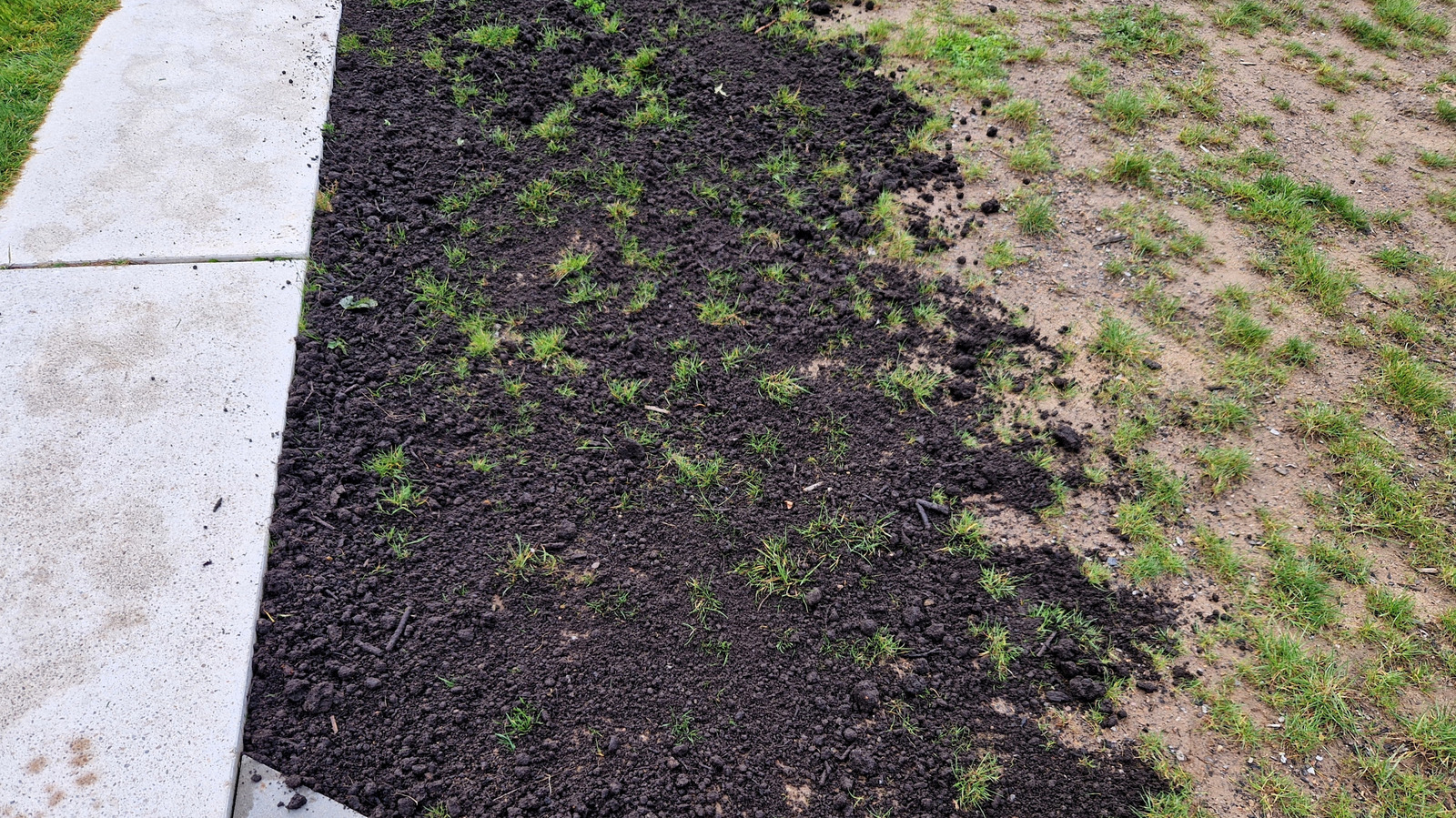
With the grass prepped, identify the low spots. The goal is to fill these depressions using a nutrient-rich "top dressing." A standard mix consists of high-quality screened topsoil combined with organic compost. The compost is essential; it improves the moisture-retention capabilities of the soil, ensuring that the new grass has a consistent supply of hydration. Using a shovel, distribute this mix into the dips and over the bumpy sections. Do not overfill; the grass blades should still be partially visible through the layer of soil.
Step 4: The Leveling Pass
This is where the leveling rake becomes the hero of the operation. Holding the rake at a comfortable angle, push and pull the tool across the top-dressed areas. The wide head of the rake will naturally capture the excess soil from the peaks and deposit it into the low spots. The key is patience; move in a slow, rhythmic motion, allowing the rake to do the work. If a spot remains low, add a small amount of extra top-dressing and repeat the process.
Supporting Data and Best Practices
Industry experts often note that the "leveling season" is highly dependent on climate and grass type. For cool-season grasses (such as Kentucky Bluegrass or Fescue), the best time to level is during the spring or early fall when the grass is in its peak growth phase. This ensures that the grass can grow up through the thin layer of top-dressing quickly, effectively "recovering" the lawn within a few weeks.
Data from turf management studies suggest that a properly leveled lawn improves mower efficiency by up to 20%, as the deck can maintain a consistent height without the need for constant adjustments. Furthermore, by eliminating standing water, homeowners reduce the breeding ground for mosquitoes and prevent the onset of fungal diseases like dollar spot or brown patch, which thrive in moist, stagnant conditions.
Official Guidance and Implications
Professional agronomists emphasize that while leveling is beneficial, it should not be treated as a quick fix for major drainage issues. If a lawn suffers from extreme, structural water pooling, leveling may be a temporary solution; in such cases, the installation of a French drain or a professional regrading of the landscape may be required.
However, for the vast majority of suburban lawns, the leveling rake provides an immediate and visible improvement. The long-term implications are significant: improved soil health, a more consistent appearance, and a reduction in the need for chemical fertilizers, as the improved soil structure better supports natural nutrient cycling.
Conclusion: A Small Investment for Lasting Results
The transition from a bumpy, uneven yard to a smooth, carpet-like lawn does not require a massive budget or specialized heavy equipment. By utilizing the simple mechanics of the leveling rake—and coupling that with proper mowing and dethatching techniques—homeowners can take control of their property’s health.
As the industry moves toward more sustainable, DIY-focused lawn care, tools like the leveling rake stand out for their simplicity and effectiveness. Whether you are prepping your lawn for a summer gathering or simply want to improve your property’s curb appeal, this humble tool remains the most effective way to level the playing field, one square foot at a time. By investing a few hours on a weekend, you aren’t just smoothing out the dirt—you are building the foundation for a lush, healthy, and inviting landscape that will stand the test of time.


 Nana
Nana
 Asro
Asro