Siti Muinah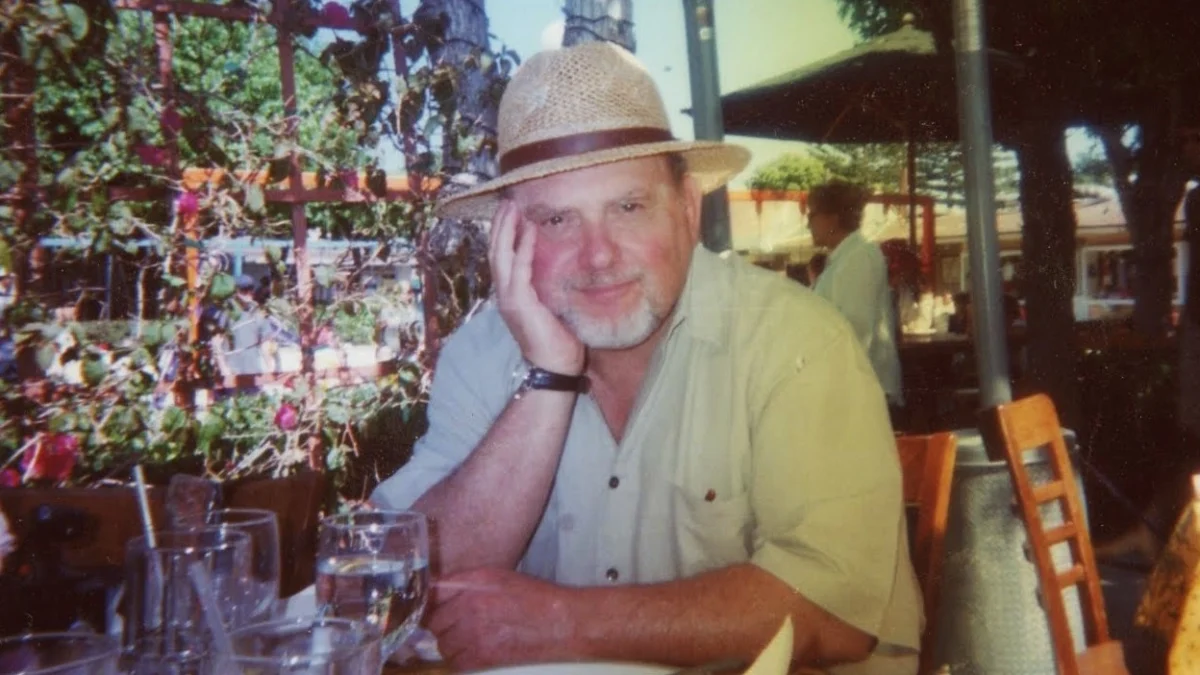
In the vast, often turbulent ecosystem of the entertainment industry, few figures possessed the quiet authority and enduring influence of Dick Guttman. A titan of Hollywood publicity, a screenwriter, and a witness to the evolution of the silver screen, Guttman served as the bridge between the fading studio system and the modern era of the independent celebrity. On September 19, Guttman passed away in Los Altos, California, at the age of 93, leaving behind a legacy that spans over seven decades of cinema history.
Known as a "press agent"—a term he defended with pride even as the industry shifted toward the more corporate-sounding "public relations"—Guttman was the architect behind the public personas of some of the most iconic figures in cultural history. From Barbra Streisand to Clint Eastwood, and from the golden era of the 1950s to the prestige dramas of the 21st century, his touch was felt in almost every corner of Hollywood.
A Life Dedicated to the Silver Screen: Chronology of a Career
Dick Guttman’s journey into the heart of the industry did not begin in a boardroom, but on the streetcars of Los Angeles. After relocating from St. Louis, Missouri, with his family following the conclusion of World War II, a young Guttman became a fixture outside the soundstages of L.A.’s radio dramas. Driven by a fascination with the creative process, he spent his youth collecting scripts and autographs, effectively apprenticing himself to the industry long before he was officially on the payroll.
Early Beginnings and the Journalism Bug
Before he was managing the images of superstars, Guttman was cutting his teeth in the trenches of journalism. While attending Fairfax High School, he covered high school sports for the Los Angeles Examiner, honing the keen eye for narrative that would eventually serve him as a publicist and screenwriter.
The European Education
His formal entry into the PR world came while attending UCLA, where he balanced his studies with part-time work at the legendary firm Rogers & Cowan. Eager to expand his horizons, he moved into the role of a unit publicist in Europe. It was here, amidst the vibrant postwar film scene, that Guttman worked on seminal projects like Paris Holiday and The Key.
Paris proved transformative not only for his career but for his personal life. While serving as a unit publicist for Billy Wilder’s classic Love in the Afternoon, he met Gisela, his wife of 70 years. Their partnership, which began in the romantic atmosphere of 1956 Paris, remained a steadfast cornerstone of Guttman’s life until his passing.
The Rise of the Independent Press Agent
Returning to Los Angeles, Guttman rejoined Rogers & Cowan, spending over a decade there during a pivotal shift in the industry. As the traditional studio contract system crumbled, actors found themselves navigating a new, precarious landscape. It was here that Guttman thrived; he recognized that in the absence of studio protection, a skilled publicist was no longer just a luxury—they were an absolute necessity for career longevity.
In 1971, he solidified his reputation by partnering with Jerry Pam to form Guttman & Pam. The firm quickly ascended to become one of the most powerful agencies in Hollywood, representing an unparalleled roster of talent. By the early 1990s, he launched his own independent venture, Guttman Associates, which continues to operate today under the guidance of his longtime colleagues, Susan Madore and Rona Menashe.
A Portfolio of Legends: The Guttman Influence
When asked to quantify his impact, Guttman once provided a modest estimate: "I’ve done the rough math, and my guess is probably 700 clients, and about 200 legends. I have been very blessed."
Shaping the Silver Screen
Guttman’s client list reads like a history book of 20th-century entertainment. He represented the titans of the craft: Paul Newman, Audrey Hepburn, Natalie Wood, Gene Hackman, Warren Beatty, Elizabeth Taylor, and William Shatner. However, his work extended far beyond simple celebrity management; he was instrumental in the promotional campaigns for films that defined the medium.
His handiwork can be seen in the legacy of Dirty Harry, Bonnie and Clyde, The Conversation, Kramer vs. Kramer, All That Jazz, The Year of Living Dangerously, The Man Who Would Be King, The King’s Speech, The Artist, Shakespeare in Love, and The English Patient.
Beyond the A-List
Guttman’s reach was remarkably diverse. He did not confine himself to the standard Hollywood celebrity trajectory. He represented literary figures like author Sidney Sheldon, and his expertise in "star power" was applied to science and technology, representing astronaut Buzz Aldrin. Furthermore, his agency managed corporate accounts, including Lucasfilm and Industrial Light & Magic, and famously introduced the world to the cultural phenomenon of Sanrio’s Hello Kitty.
The Writer Behind the Curtain
While he is most often remembered as a publicist, Guttman was also a dedicated creative. He received screenwriting credits on seven films, including the 1963 Jack Nicholson feature Back Door to Hell. His work in television included collaborations with acclaimed director Joseph Sargent on projects like Passion Flower and Ivory Hunters.
In 2015, he chronicled these experiences in his autobiography, Starflacker. The book serves as a vital historical document, offering an intimate look at the shifting tides of Hollywood, the humanity behind the fame, and the strategic brilliance required to sustain a career in the limelight.
The Professional Legacy and Implications for Hollywood
Dick Guttman’s career marks the transition from the era of the "studio gatekeeper" to the "celebrity architect." By prioritizing the long-term career narrative over the short-term headline, he helped establish the modern professional standard for publicity.
A Firm Built on Mentorship
Guttman Associates stands today as a testament to his management philosophy. By empowering colleagues like Susan Madore and Rona Menashe, Guttman ensured that the agency’s culture—rooted in integrity, discretion, and deep industry knowledge—would survive his departure. His influence persists not only in the films he helped promote but in the generations of publicists who learned from his methods.
The Human Element
Despite his proximity to the most famous faces on earth, those who knew Guttman described him as a man of profound humility and curiosity. He lived in Malibu for over 50 years, finding peace in the coastal rhythm of California, before relocating to Los Altos in his final years. His survival by his wife Gisela, their two daughters, granddaughters, and a great-granddaughter, speaks to a life that prioritized family stability amidst the chaos of show business.
Remembering a Legend: A Call for Philanthropy
The industry’s response to his passing has been one of deep reverence. Colleagues, clients, and industry peers have characterized him as the "last of the great gentlemen publicists."
For those who wish to honor his memory, the Guttman family has requested that donations be directed to the Dick Guttman Memorial Fund at the Entertainment Industries Foundation. The fund reflects Guttman’s long-standing commitment to the creative community, supporting various philanthropic initiatives, including wildfire relief—a cause particularly close to his heart given his decades of life in Malibu.
A Final Reflection
In an industry defined by fleeting fame and shifting trends, Dick Guttman remained a constant. He understood that a star’s light is not just something to be observed, but something to be nurtured, protected, and carefully presented to the world. As the lights dim on his remarkable 93-year journey, Hollywood loses a vital architect of its own mythos. He was a man who understood the power of a story, and perhaps more importantly, he knew exactly how to make sure the world was listening.
Dick Guttman’s life was not merely about selling stars; it was about honoring the craft of storytelling. Whether he was crafting a press release for an Oscar-winning drama or guiding a legendary actor through a career crisis, he did so with the perspective of a man who truly loved the movies. His legacy is etched into the history of cinema, and his influence will undoubtedly continue to shape the way we perceive the stars for years to come.

 Muslim
 Iffa Jayyana