Ali Ikhwan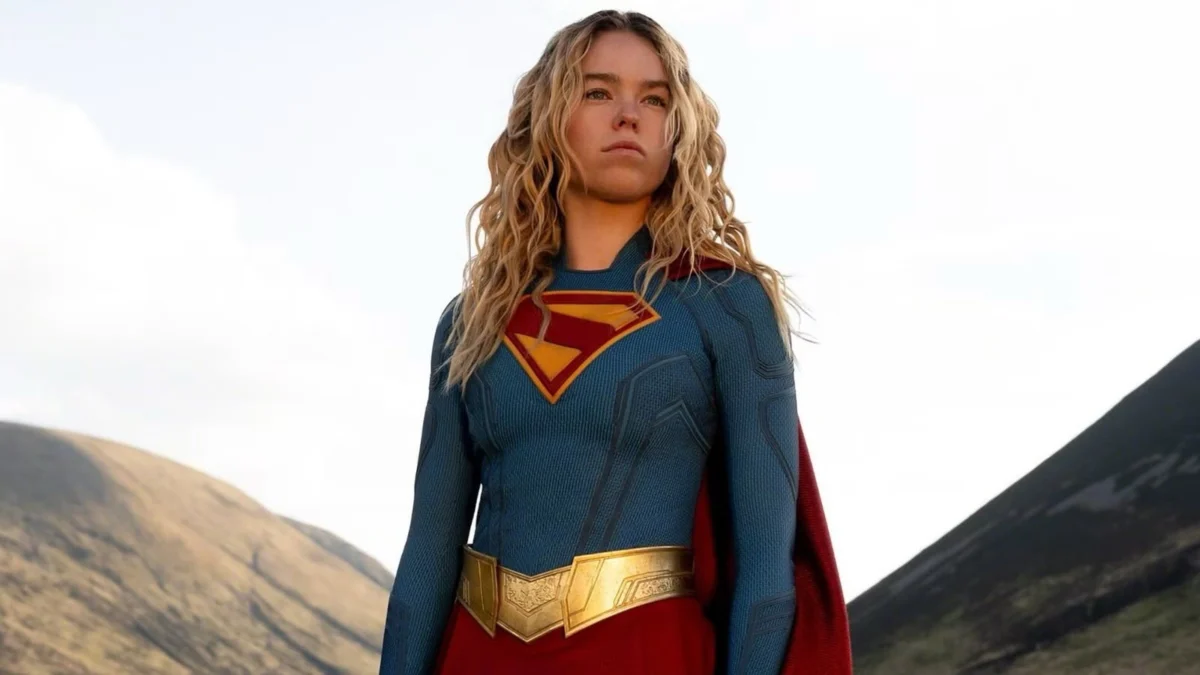
The landscape of the DC Universe is undergoing a radical,, and perhaps much-needed, transformation. With the release of Supergirl (2026), directed by Craig Gillespie and written by Ana Nogueira, audiences are presented with a vision of heroism that trades the sterile, god-like perfection of traditional comic book adaptations for something far grittier, more intimate, and profoundly human. Based on the acclaimed Supergirl: Woman of Tomorrow miniseries by Tom King and Bilquis Evely, the film serves as a cornerstone for the new DC Studios slate, proving that a superhero movie doesn’t need a multiverse-ending threat to leave a lasting impact.
The Core Narrative: A Departure from Tradition
The most immediate surprise regarding Supergirl is its tonal shift. While early marketing might have suggested a high-octane, space-faring romp in the vein of Guardians of the Galaxy, the final product feels more akin to a bleak, character-driven Western. It draws inspiration from the unforgiving, sun-scorched vistas of True Grit and the post-apocalyptic desperation of Mad Max.
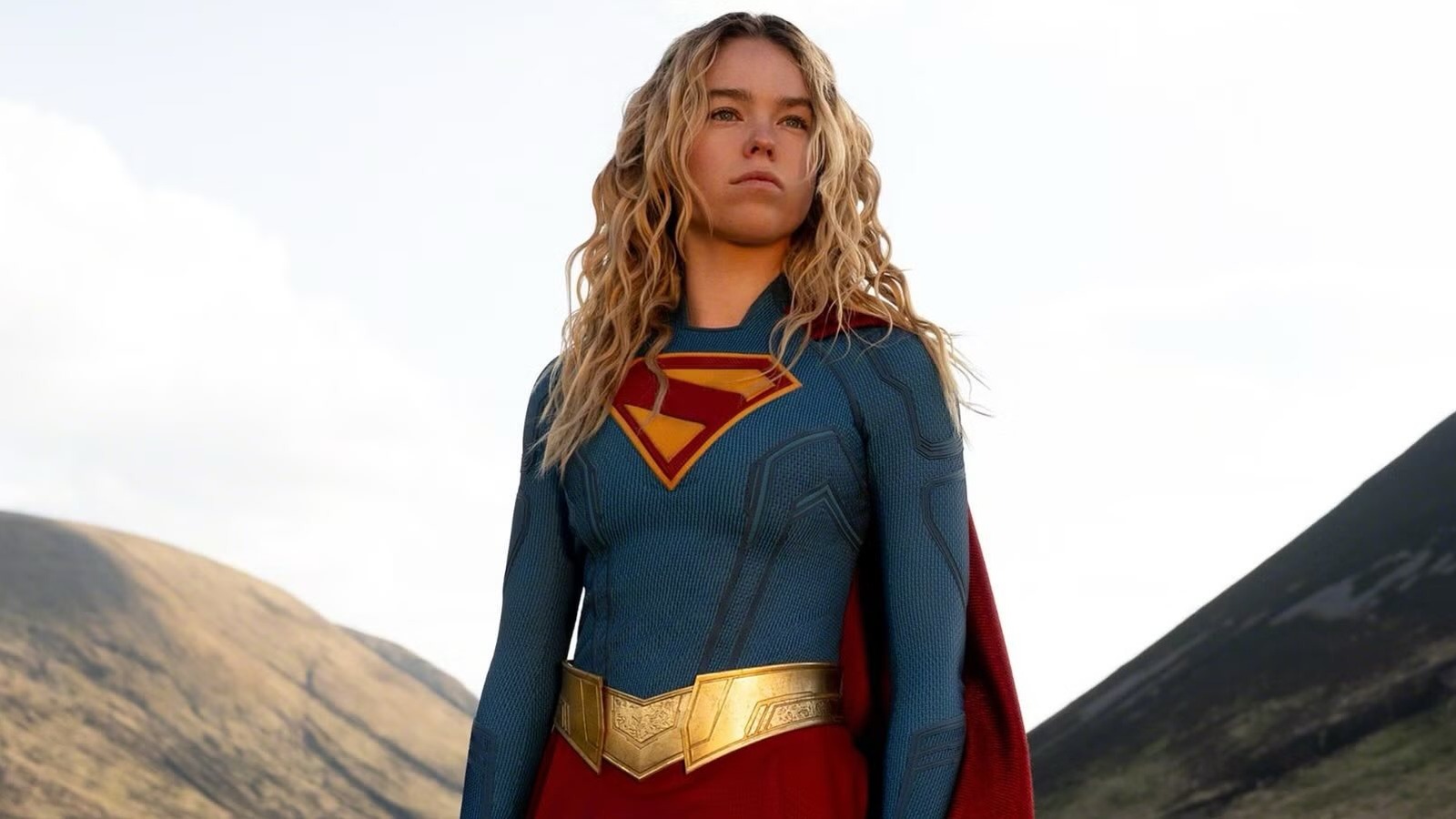
At its heart, the story is a grounded revenge odyssey. Kara Zor-El, portrayed with startling vulnerability and ferocity by Milly Alcock, is not the sunny, hopeful counterpart to her cousin, Superman. Instead, she is a survivor defined by trauma, nihilism, and a self-destructive streak that threatens to overshadow her potential for greatness. The narrative follows her journey across hostile alien landscapes, not to stop a celestial entity from consuming reality, but to save her dog, Krypto—a mission that serves as a proxy for her own search for purpose in a universe that took everything from her.
Chronology of a Production: From Comics to Cinema
The journey of Supergirl to the silver screen has been a meticulous process overseen by DC Studios heads James Gunn and Peter Safran. The decision to adapt Woman of Tomorrow was viewed as a bold move from its inception, as the comic was noted for its departure from standard "superheroics."
- Pre-Production: Following the announcement of the DC Universe’s "Chapter One: Gods and Monsters," the creative team prioritized finding an actress who could capture the specific, weary complexity of a character who has lived through the literal end of her world.
- The Casting: Milly Alcock, who gained global recognition for her role as young Rhaenyra Targaryen in House of the Dragon, was selected for the titular role. Her casting proved pivotal, as she brought a gravitas that anchored the film’s more eccentric elements.
- Production Phase: Principal photography focused on balancing the practical, character-based drama with the expansive, surrealist world-building required to bring the comic’s various alien planets to life. The collaboration between Gillespie and Nogueira allowed for a script that prioritized dialogue and character motivation over the typical CGI-heavy third acts that have become standard in the genre.
- Release: The film premiered globally on June 26, 2026, marking a significant milestone in the new DCU, effectively distancing the franchise from the previous era of inconsistent tone and vision.
Supporting Data: Character Dynamics and Villainy
Central to the film’s success is the relationship between Kara and Ruthye Marye Knoll, played by Eve Ridley. If Kara is the cynical, world-weary anti-hero, Ruthye is the idealistic, honor-bound catalyst. Their dynamic functions as the emotional engine of the movie. Ruthye’s quest for vengeance—seeking to take down the man who destroyed her family—mirrors Kara’s own suppressed rage, creating a mentorship that is as much about mutual healing as it is about survival.
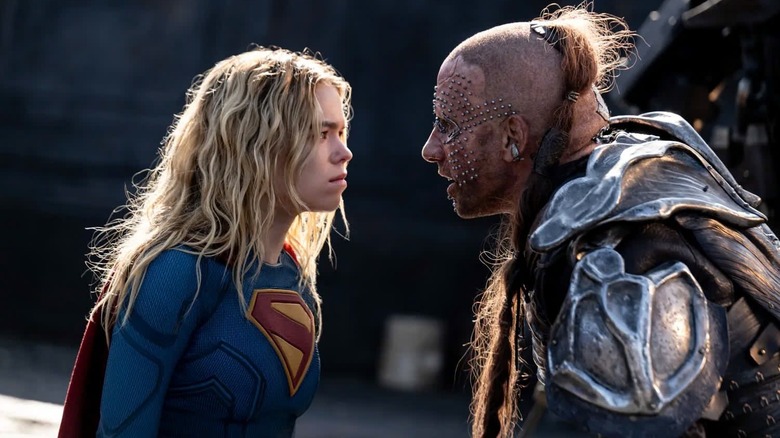
Then there is the antagonist: Krem of the Yellow Hills, played by Matthias Schoenaerts. While he lacks the cosmic scale of a Thanos or a Galactus, he succeeds by being terrifyingly grounded. The film depicts Krem and his cohorts as space-faring human traffickers, dealing in the kind of systemic, brutal exploitation that feels uncomfortably reflective of real-world atrocities. By anchoring the villain’s menace in human cruelty rather than magical power, the film raises the stakes, making the audience’s visceral reaction to his downfall all the more satisfying.
Furthermore, the inclusion of Jason Momoa as the bounty hunter Lobo provides a necessary injection of charisma and "cartoonish" energy. Momoa’s long-standing affinity for the character is evident, and his performance suggests that the DCU is capable of hosting darker, more chaotic figures without losing the core integrity of the story.
Official Perspectives and Creative Vision
The creative team has been vocal about their desire to avoid the "perfect hero" trap. In several press junkets, Craig Gillespie emphasized that the goal was to portray Kara as a fully realized woman—one who is allowed to be messy, impulsive, and flawed.
"We are moving past the era where a female hero must be an untouchable paragon of virtue," the studio stated in a recent press release. "Kara Zor-El is a hero because she chooses to do the right thing despite the fact that her internal world is in chaos."
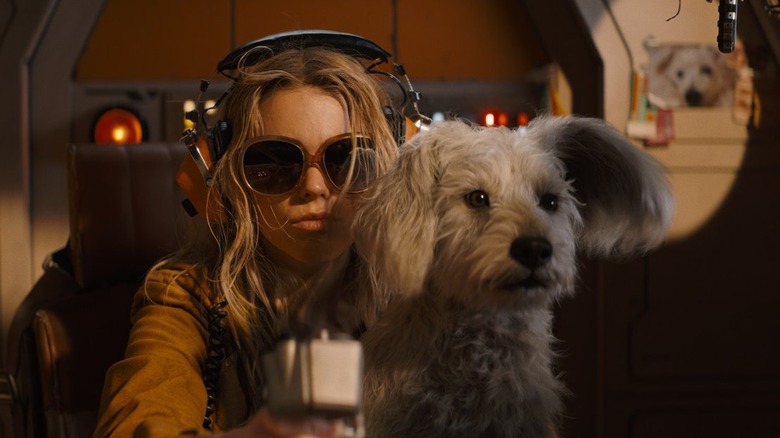
This aligns with a growing industry consensus that audiences are experiencing "superhero fatigue" because they are tired of watching invincible characters navigate predictable moral dilemmas. By allowing Alcock to play a character who is actively "crashing out," the film provides a catharsis that is rarely found in the genre. It acknowledges that for many, the path through grief is not a straight line toward enlightenment, but a jagged, difficult process.
Implications for the Future of the DCU
The success of Supergirl—both critically and narratively—signals a major pivot for the future of the DC Universe. The film proves that the brand can survive, and indeed thrive, by focusing on the "small" stories.
1. The Death of the "World-Ending" Stakes
By keeping the conflict personal and intimate, Supergirl demonstrates that high stakes are not synonymous with planetary destruction. This shift allows the studio to allocate resources to character development and environmental storytelling rather than endless CGI battle sequences.
2. A New Standard for Female Leads
The film effectively dismantles the double standard that has long plagued superhero cinema, where male characters are granted the freedom to be complex and unlikable, while female leads are often forced into roles of unwavering morality. Alcock’s performance sets a new benchmark for how female protagonists can be written within the framework of a blockbuster.
3. Technical Aspirations and Room for Growth
While the film is a success, it is not without its technical hurdles. The reliance on CGI for flight sequences occasionally clashes with the more grounded, tactile aesthetic of the rest of the film. Moving forward, the DCU will need to refine how it blends high-concept special effects with the gritty, practical cinematography that makes Supergirl feel so vibrant.
4. A Template for Character-Centric Spin-offs
The inclusion of Lobo serves as a masterclass in how to seed future projects. By using Supergirl as a springboard for characters like Lobo, the DCU is building a shared universe that feels organic rather than manufactured. Each character serves a purpose in the immediate narrative while hinting at a much larger, interconnected tapestry.

Conclusion: A Hero for the Modern Era
Supergirl is not a film that asks us to look up at the sky and wonder at the power of gods. Instead, it asks us to look at the person standing next to us—the one who is tired, angry, and grieving—and recognize that their struggle to be better is, in itself, a form of heroism.
By refusing to demand perfection from its characters, the film grants the audience permission to be imperfect as well. It is a messy, beautiful, and deeply necessary addition to the superhero genre. As we look ahead to the future of the DCU, Supergirl stands as a reminder that even when the universe feels like it is falling apart, the most radical thing one can do is keep moving forward.
Rating: 7 out of 10



 Muslim