Asro
Asro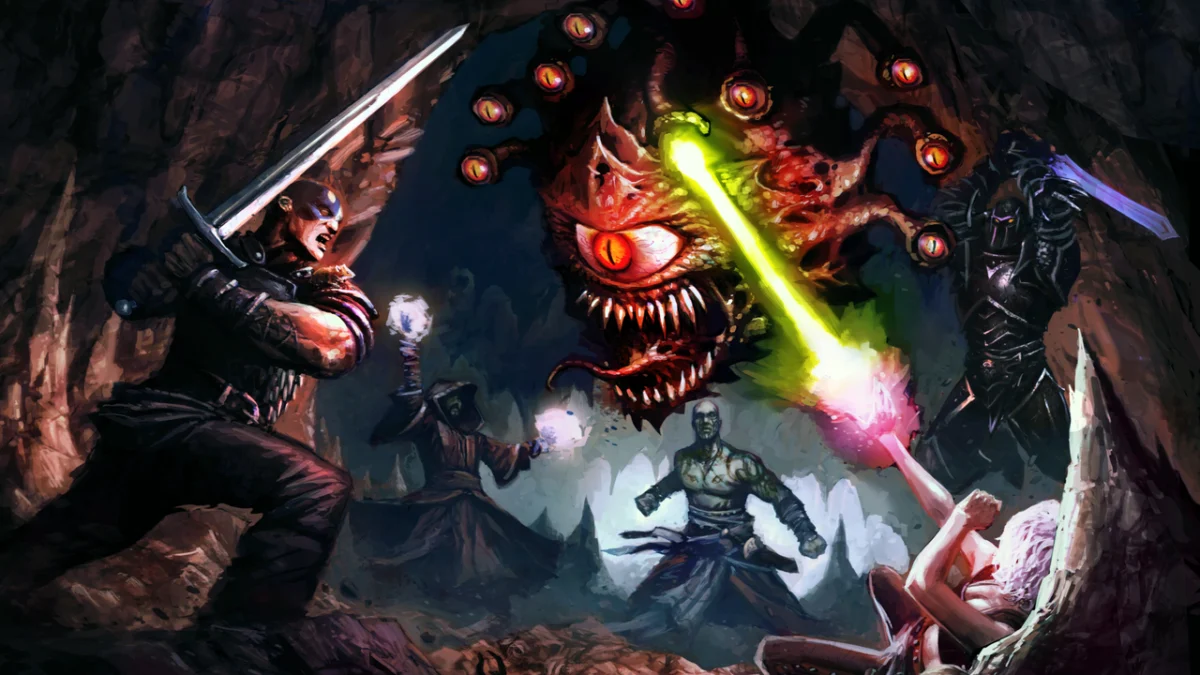
In an industry often obsessed with the "next big thing"—from the latest hardware iterations to the hype cycles surrounding blockbuster sequels—it is a rare and welcome occurrence to see developers look backward. While the gaming news cycle is currently dominated by the latest hardware advancements and the feverish anticipation surrounding upcoming mega-franchises, a quiet, significant development has emerged from the archives of classic RPG history.
Beamdog, the studio best known for its dedication to revitalizing the golden age of computer role-playing games (CRPGs), has officially rolled out the 2.7 update for Baldur’s Gate: Enhanced Edition, Baldur’s Gate II: Enhanced Edition, and Icewind Dale: Enhanced Edition. This patch, which originated as a beta initiative back in February, marks a major milestone for the titles, ensuring their continued viability and performance on modern operating systems 14 years after their initial Enhanced Edition revivals.
The Core of the Update: Modernizing the Classics
The 2.7 patch is not a content expansion in the traditional sense; it does not add new quests, items, or NPCs. Instead, it serves as a critical infrastructure update, focusing on modern quality-of-life improvements that align these decades-old engines with the standards of contemporary PC gaming.
Streamlining Cloud Integration
Perhaps the most significant change involves the overhaul of Steam Cloud save functionality. Previously, the integration between the Infinity Engine games and Steam’s cloud infrastructure was, at best, counterintuitive. Users were required to navigate in-game menus to manage cloud saves, rendering the standard Steam client settings largely vestigial and ineffective.
With the 2.7 update, Beamdog has successfully synchronized these systems. Cloud saves are now managed directly through the Steam client, providing a seamless experience consistent with the vast majority of the Steam library. If a player toggles cloud saves off in their Steam settings, the game will honor that instruction. Conversely, enabling them ensures a reliable, automated backup process. This change eliminates the "ghost settings" that previously confused players and led to the occasional, heartbreaking loss of progress across multiple devices.
Native Apple Silicon Support
In a move that underscores the long-term preservation of these titles, the 2.7 patch introduces native support for Apple Silicon. While the titles were previously playable on M-series Macs via Apple’s Rosetta 2 translation layer—an impressive piece of technology that converts x86 code to ARM architecture—native support provides a significant leap in efficiency.
By moving to a native binary, the games now run with greater stability and improved energy efficiency. While the performance gains on powerful M1 or M2 chips might seem negligible to a user running the game at a desktop, the reduction in power consumption and thermal output is a tangible benefit for laptop users. Furthermore, as Apple continues to refine macOS and eventually phases out older compatibility layers, native ARM support ensures that these games will remain playable on Mac hardware for years, if not decades, to come.
A Chronology of the Enhanced Editions
To understand the weight of this update, one must look at the long, winding road these games have traveled. The original titles—Baldur’s Gate (1998), Baldur’s Gate II (2000), and Icewind Dale (2000)—were developed by BioWare and Black Isle Studios, respectively. They defined the CRPG genre for a generation, utilizing the Infinity Engine to bring the Dungeons & Dragons tabletop experience to life on a computer screen.
When these titles were released, they were marvels of technical ambition. However, as Windows evolved, running these games became a labyrinthine process involving compatibility modes, third-party fan patches, and significant troubleshooting.
- 2012–2014: Beamdog began its "Enhanced Edition" initiative, releasing modernized versions of the games that included widescreen support, bug fixes, and new playable content. These releases were instrumental in introducing a new generation of players to the mechanics of AD&D 2nd Edition.
- 2018–2020: The games saw continued support through various patches, UI overhauls, and the inclusion of cross-platform playability between PC, mobile, and console versions.
- February 2024: The 2.7 patch entered public beta. Beamdog opened the doors to the community to stress-test the new cloud save architecture and the ARM-native binaries.
- Present Day: The transition from beta to the live branch marks the formal conclusion of this development cycle, cementing these games as "modern-ready" software.
Supporting Data: Why Maintenance Matters
The longevity of the Infinity Engine games is a statistical anomaly in the gaming industry. Most games are "forgotten" within two years of their release. The Baldur’s Gate series, however, maintains an active, multi-generational player base.
According to data extrapolated from community hubs and active concurrent player counts, the Enhanced Edition versions have maintained a consistent presence on the Steam charts for over a decade. This sustained interest is driven by several factors:
- The "D&D Renaissance": The massive success of Baldur’s Gate 3 has driven a significant influx of new players back to the original entries to experience the narrative roots of the Sword Coast.
- Modding Communities: The Infinity Engine is notoriously moddable. The 2.7 update was carefully crafted to ensure that it does not break the vast ecosystem of fan-made mods that exist for these titles, a concern that has been a primary focus of Beamdog’s dialogue with the community.
- Low Barrier to Entry: Because the games are lightweight and now optimized for modern hardware, they represent a low-cost, high-reward entry point for fans of the genre.
Official Responses and Studio Philosophy
In discussions regarding the 2.7 patch, Beamdog representatives have emphasized a philosophy of "stewardship." Rather than treating these games as legacy products to be abandoned, the studio views them as living software that requires ongoing maintenance to stay compatible with ever-changing operating system requirements.
"We recognize that for many, these games are not just software; they are part of a personal history," a studio spokesperson noted during the beta phase. "Our goal with 2.7 was to remove the technical friction. Whether it is an issue with cloud sync or the evolution of Mac hardware, we want to ensure that if you want to replay these adventures in 2024 or 2030, the only hurdle you face is the game’s difficulty, not the software’s stability."
The community response has been largely positive. On forums and social media, long-time fans have praised the studio for continuing to provide updates for games that are effectively "finished" products. The decision to fix the cloud save implementation, in particular, was lauded as a sign that the developers are listening to the specific, practical frustrations of the user base.
The Implications: Preservation vs. Obsolescence
The release of the 2.7 patch is a significant case study in digital preservation. In an era where "digital rot"—the gradual loss of software due to OS incompatibility and server shutdowns—is a growing concern, Beamdog’s actions stand in stark contrast to the industry norm.
Implications for the CRPG Genre
The success of this patch proves that there is a viable business model in maintaining older titles. By keeping these games functional, Beamdog keeps the brand relevant, which in turn feeds into the broader Dungeons & Dragons gaming ecosystem. It creates a "pipeline" of interest: a player finishes Baldur’s Gate 3, finds the lore fascinating, and is able to seamlessly jump into the 1998 original without encountering technical barriers.
The Standard for Future Remasters
Developers looking to port or remaster older titles should look toward the 2.7 update as a blueprint. The key takeaway is that modernization should not just mean "updating textures" or "adding a new lighting engine." True modernization involves infrastructure: cloud integration, native support for new hardware architectures, and ensuring the game plays nicely with the OS-level features of 2024, not 2012.
Conclusion
While the headlines are currently preoccupied with the next generation of AAA titles, the 2.7 patch for Baldur’s Gate and Icewind Dale serves as a poignant reminder that great games possess a lifespan that far exceeds their initial release window. By addressing technical debt and embracing modern hardware standards, Beamdog has ensured that the Infinity Engine classics remain a cornerstone of the PC gaming experience.
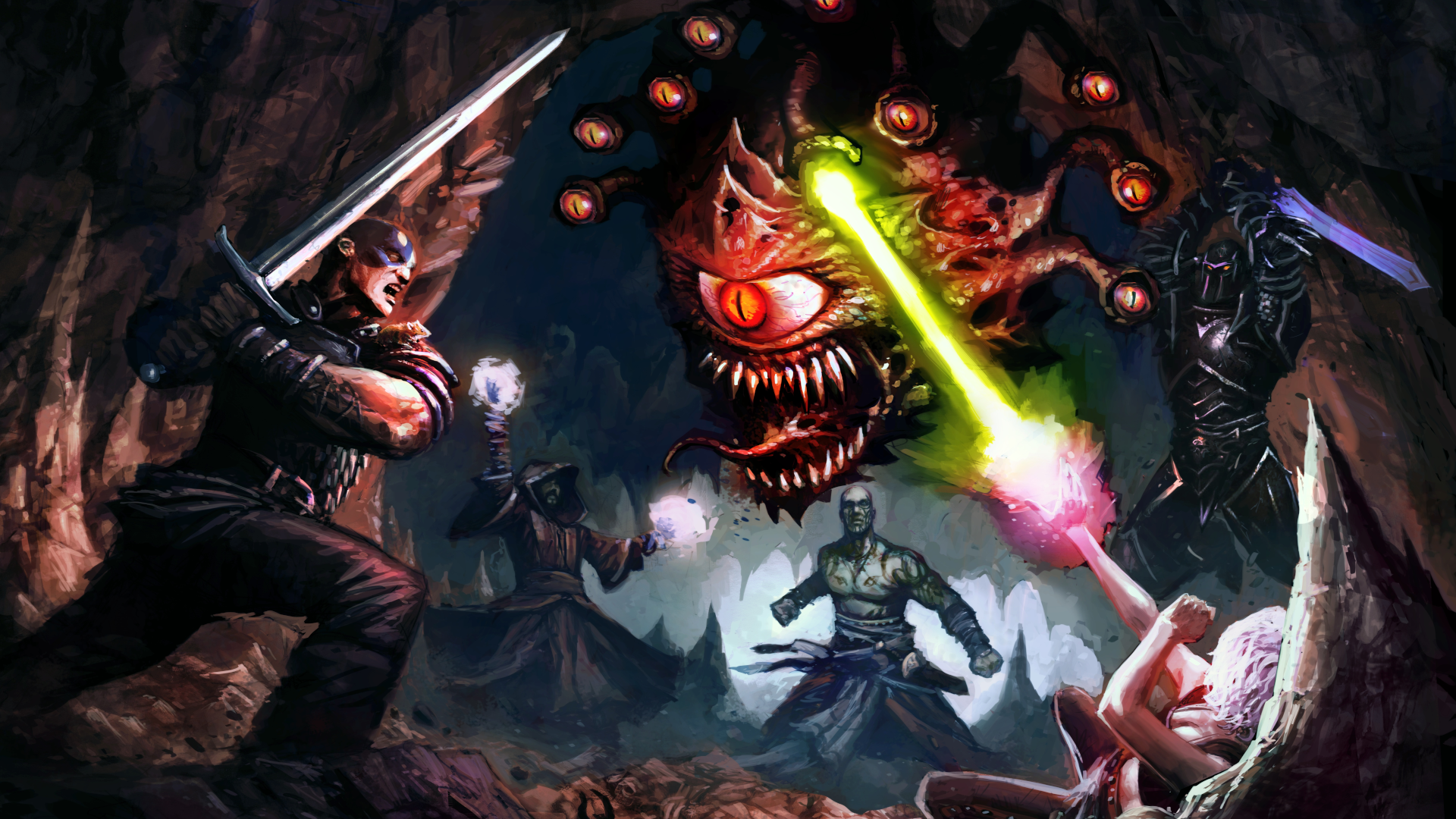
These games are no longer just relics of the past; thanks to the diligent, quiet work of a dedicated team, they are robust, modern applications that sit comfortably alongside the latest releases. For the veteran adventurer returning to the Sword Coast, or the newcomer looking to see where the legend began, the timing has never been better to embark on these timeless journeys. The beholder, as the promotional art suggests, is still waiting—and now, your cloud saves are ready to back you up when you finally decide to confront it.



 Muslim