Pevita Pearce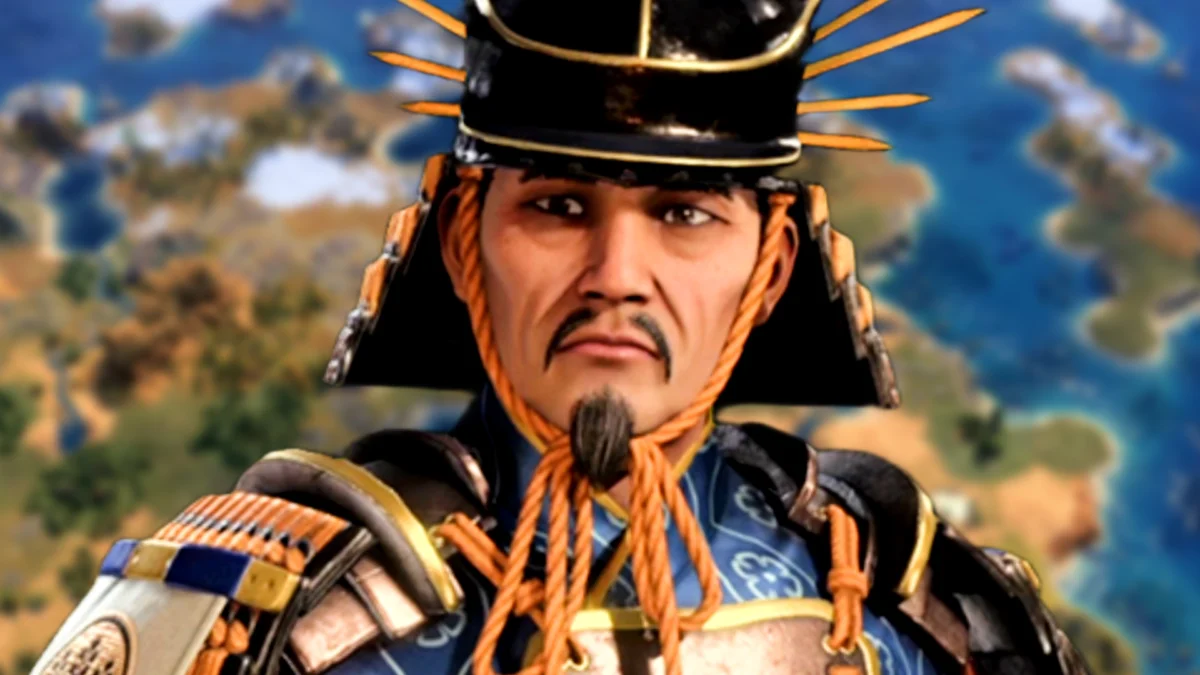
Firaxis Games finds itself at a critical juncture in the life cycle of Civilization 7. Following the ambitious but polarizing "Test of Time" overhaul, the developer has deployed Update 1.4.1, a significant patch aimed at refining the core mechanics that define the modern 4X experience. However, the technical progress represented by these updates is currently being overshadowed by the release of the Brush and Blade DLC, a content expansion that has sparked a heated debate regarding pricing models, value propositions, and the timing of monetization in a game still fighting to solidify its player base.
The Core of the Update: Refining the Civilization Experience
Update 1.4.1 is not merely a bug-fix collection; it is a structural adjustment aimed at bringing depth back to the Civilization formula. The headline feature is the total overhaul of the Happiness system. Players long accustomed to the simplified, binary "satisfied/unsatisfied" metrics of recent iterations will find a return to a more granular, five-tiered system ranging from "Angry" to "Ecstatic."
By reintroducing this spectrum, Firaxis is signaling a return to the strategic complexity of the series’ roots. This change is further bolstered by a deeper integration with government types. Under the new patch, government choices now offer immediate passive bonuses, creating a tighter feedback loop between policy decisions and population morale. Perhaps most crucially for high-level play, the threshold for triggering "Celebrations" has been increased, and their duration reduced. Firaxis acknowledged that these bonuses had become trivial to maintain, and by tightening these constraints, they are forcing players to make more deliberate choices about their empire’s internal stability.
A New Frontier: Voronoi-Generated Archipelagoes
The technical backbone of the game has also received a significant upgrade. The introduction of a new archipelago map type utilizes the game’s proprietary Voronoi generation technology. Unlike the legacy "archipelago" maps—now rebranded as "archipelago hemispheres"—which were criticized for their predictable east-west splits, the new system offers a more organic, randomized spread of islands and isolated landmasses.
By leveraging Voronoi patterns, the engine is now capable of producing maps that feel less like mathematical grids and more like naturally occurring geography. This change is intended to curb the repetitive nature of late-game exploration, providing players with unique strategic challenges that require naval maneuvering and island-hopping logistics rather than standard land-based expansion.
The ‘Brush and Blade’ DLC: Content vs. Cost
While the technical updates have been largely praised, the simultaneous release of the Brush and Blade DLC has been met with vocal opposition. The pack, which focuses on the history of Japan and Korea, is currently priced at $29.99 (£24.99).

The content itself is undeniably rich. The Japan portion, available immediately, introduces Toyotomi Hideyoshi—the legendary "second great unifier" of the Sengoku period—alongside two distinct Japanese civilizations (Heian and Sengoku) and four architectural wonders: Mireuksa, the Nirayama Reverberatory Furnace, Seongsan Ilchulbong, and the iconic Nachi Falls.
The Korean portion, slated for release by September, promises an equally deep dive into history, featuring the legendary Admiral Yi Sun-Sin and the Goryeo and Joseon dynasties. Despite the historical fidelity and the inclusion of these sought-after figures, the community sentiment remains overwhelmingly negative. As of this writing, the DLC holds a 38% positive rating on Steam, a stark contrast to the general appreciation for the gameplay updates contained in 1.4.1.
Chronology of the ‘Test of Time’ and Beyond
To understand the current tension, one must look at the timeline of Civilization 7 since its launch.
- Initial Launch: The game arrived with high expectations but faced immediate criticism for its pacing and the simplification of core systems.
- The ‘Test of Time’ Overhaul: Recognizing the feedback, Firaxis launched this initiative to overhaul the game’s fundamental systems, aiming to address the "mid-game slump" and UI inefficiencies.
- Mid-2026 Shift: With the "Test of Time" effort underway, Firaxis began moving toward more granular adjustments, including the current 1.4.1 update.
- The Present: The release of Brush and Blade marks the first major paid content drop during this "repair" phase, creating the current friction between developer revenue targets and player expectations.
Supporting Data: The Steam Sentiment Gap
The divide between the quality of the game’s updates and the perception of its commercial strategy is visible in the data. Civilization 7 currently maintains a "Mixed" review status, hovering just above the 50% positive threshold.
When analyzing the reviews for the Brush and Blade DLC, a distinct pattern emerges. The "negative" reviews rarely attack the game designers for the content itself; they attack the decision to gate this content behind a $30 paywall while the base game’s "Test of Time" initiative is still ongoing. The lack of inclusion for this DLC in the premium Founder’s Edition has further alienated "early adopters" who feel that their initial investment in the game’s highest-priced tier did not provide the long-term support they were promised.
Official Responses and Developer Philosophy
Firaxis has largely maintained that the Brush and Blade DLC was developed by a specialized team, allowing them to expand the game’s scope without cannibalizing the resources dedicated to the 1.4.1 gameplay patches. In recent developer blogs, the team emphasized that the "Test of Time" overhaul is a marathon, not a sprint.

"We hear the community’s desire for a more stable and deep core experience," a spokesperson noted in a recent update. "Our commitment to the 1.4.1 patch cycle reflects our dedication to making the base game feel complete. The Brush and Blade collection is an expansion of the world we are building, and we believe the quality of the historical content speaks for itself."
Despite this, the company has not yet addressed calls for a loyalty discount or a roadmap adjustment that might appease those feeling "double-charged" for a game that they perceive as still being in a "work-in-progress" state.
Implications for the Future of 4X Gaming
The current situation with Civilization 7 raises broader questions about the sustainability of the "Games as a Service" (GaaS) model within the 4X genre.
- The "Early Access" Trap: When a major title receives an overhaul as significant as "Test of Time," it implicitly tells the audience that the original launch was insufficient. Asking players to pay for additional content before that overhaul has settled creates a crisis of confidence.
- Price Sensitivity in a Competitive Market: With indie 4X games and other grand strategy titles offering vast amounts of content for lower prices, Firaxis is testing the limits of its brand power.
- The Retention Challenge: For Civilization 7 to succeed in the long term, it must move beyond the current cycle of "patching the foundation while building the roof." The negative reception to the Brush and Blade DLC is a warning sign that the player base is tired of being asked to pay for enhancements to a game that they feel should have been fully realized at launch.
Conclusion
The latest update for Civilization 7 is a testament to Firaxis’ ability to iterate and improve. The refinements to the Happiness system and the impressive Voronoi-based map generation demonstrate that the studio is listening to its core, competitive audience. However, these successes are being stifled by a commercial strategy that feels out of sync with the current sentiment of the player base.
As Firaxis looks toward the September rollout of the second half of the Brush and Blade collection, they face a delicate balancing act. They must continue to improve the game’s underlying systems to repair their reputation, but they must also consider how to bridge the gap between their monetization strategy and the expectations of a community that is increasingly wary of the cost of their historical ambitions. Whether Civilization 7 eventually reaches the status of its predecessors will depend not just on the quality of its code, but on its ability to rebuild the trust of the players who have spent the last year waiting for the game to reach its true potential.


 Sagoh
Sagoh
 Basiran