

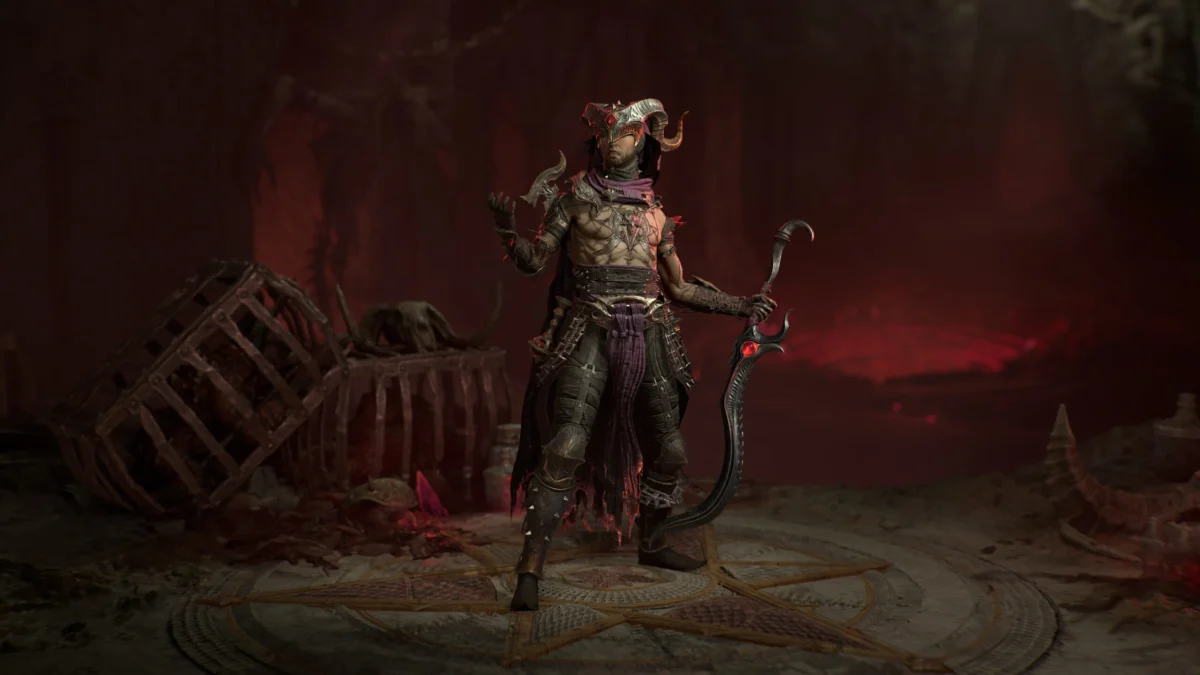
The demonic gates of Sanctuary are creaking open once more, and this time, the darkness is coming from within. In a highly anticipated Developer Update, Blizzard Entertainment has finally pulled back the veil on the "Warlock," the second major class arriving alongside the Lord of Hatred expansion. Positioned as the pragmatic, morally grey foil to the righteous Paladin, the Warlock promises to fundamentally alter the tactical landscape of Diablo 4 by allowing players to wield the very forces of Hell against their own masters.
The Core Concept: Pragmatism Over Purity
For months, the Diablo 4 community has speculated on the identity of the mysterious second class arriving in the Lord of Hatred expansion. While the Paladin—available to those who pre-purchased the expansion—was framed as the shining beacon of order and holy justice, the Warlock represents the antithesis of that idealism.
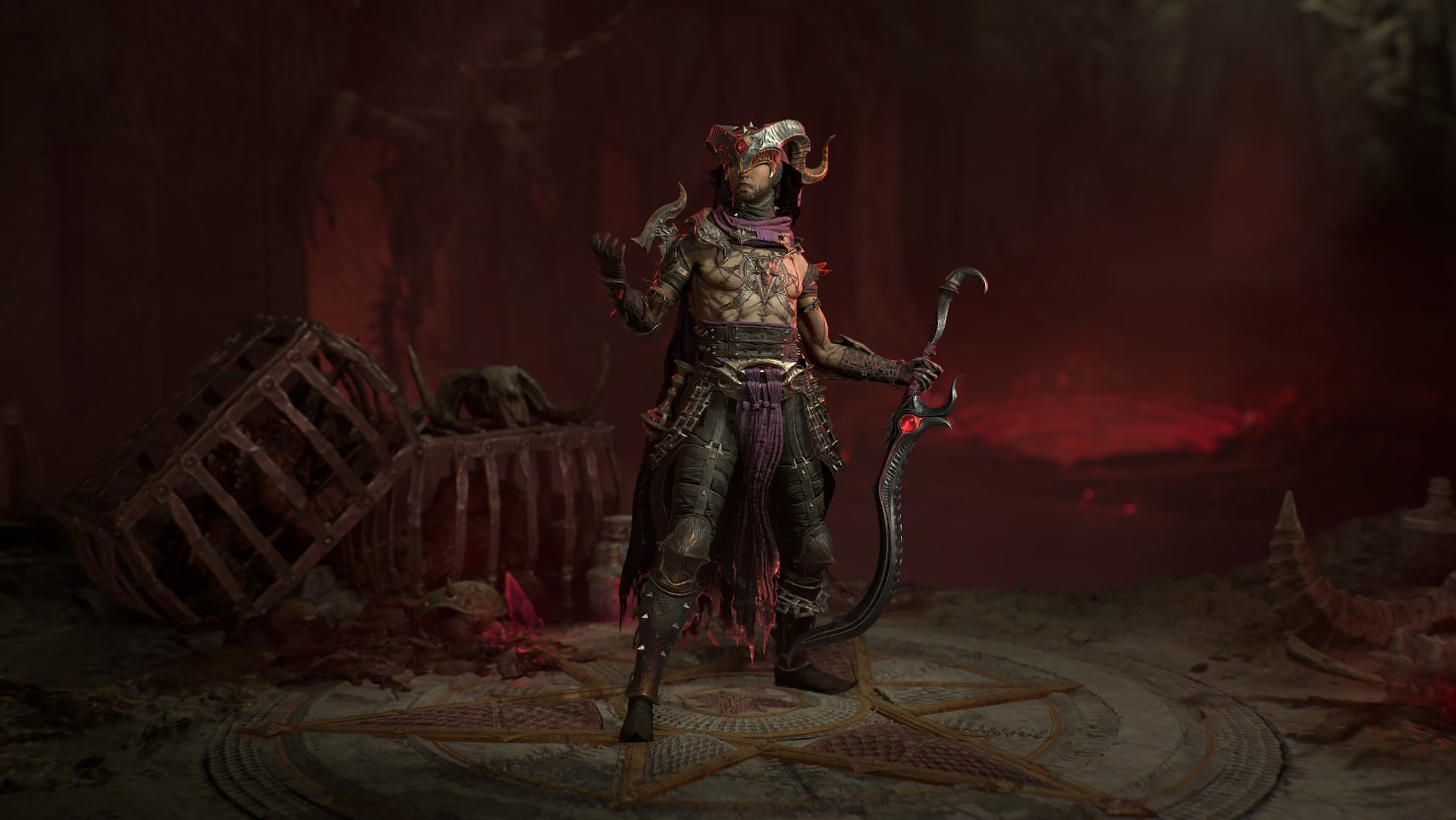
The design philosophy behind the Warlock is rooted in the concept of "forbidden arts." Unlike the Sorcerer, who channels elemental forces, or the Necromancer, who manipulates the cycle of life and death, the Warlock is a master of corruption. They do not fear the denizens of the Burning Hells; they bargain with them, bind them, and unleash them. This class is designed for players who believe that the only way to combat true evil is to master its tools. By integrating demonology into their combat loop, Warlocks occupy a unique space in the roster, serving as a high-complexity, high-reward hybrid of pet management and spellcasting.
Mechanics and Gameplay Loop: Wrath and Dominance
At the heart of the Warlock’s power is a dual-resource system that forces players to balance their offensive output with their ability to control their hellish entourage.
The Resource Economy
- Wrath: This serves as the primary fuel for the Warlock’s direct combat abilities. Much like Mana or Fury in other classes, Wrath is expended to cast shadow-based spells, curses, and area-of-effect damage abilities.
- Dominance: This is the Warlock’s defining mechanic. Dominance acts as the "leash" for their summoned entities. While Wrath allows for the destruction of enemies, Dominance is required to maintain the presence and effectiveness of demons on the battlefield. Managing these two resources simultaneously is intended to provide a high skill ceiling, ensuring that the class feels distinct from the traditional summoner-style gameplay of the Necromancer.
The Soul Shard System
The class depth is further deepened by the "Soul Shard" mechanic, which unlocks at level 30. Players can embed these shards directly into their own bodies, effectively transforming the Warlock into a living conduit for demonic energy. Each shard corresponds to a specific type of demon or shadow-discipline, and the configuration of these shards dictates the player’s core playstyle. This system replaces the generic skill trees of other classes, offering a level of build customization that feels both visceral and thematic.
The Four Archetypes: Tailoring the Void
To accommodate diverse playstyles, the Warlock is divided into four distinct archetypes, each providing a different approach to the battlefield:

- Legions: The quintessential summoner archetype. Legions focus on overwhelming the screen with numbers, utilizing smaller demons to swarm enemies and distract bosses.
- Vanguards: Designed for players who prefer a "battle-mage" aesthetic. Vanguards utilize shadow-infused melee strikes and self-buffs, allowing them to wade into the heat of battle, standing toe-to-toe with elite enemies.
- Masterminds: The tactician’s choice. Masterminds rely on shadowcraft, DoT (Damage over Time) effects, and battlefield manipulation to slowly bleed enemies dry while staying safely behind the front lines.
- Ritualists: The summoner of nightmares. Ritualists focus on high-impact, temporary summons of powerful, terrifying demons from the deepest pits of Hell. These summons are expensive in terms of Dominance but can turn the tide of a boss encounter in seconds.
A Chronology of the Reveal
The road to the Warlock’s debut has been a carefully orchestrated marketing campaign by Blizzard Entertainment.
- The Initial Tease: Following the announcement of Lord of Hatred, the community was introduced to the Paladin. The second class remained a silhouette in promotional materials, fueling intense speculation across forums and social media.
- The February Reveal: In a dedicated spotlight during the Diablo 2 anniversary celebrations, Blizzard officially named the class "The Warlock," providing the first hints of its lore and its role as a master of forbidden arts.
- The Developer Update: The most recent Developer Update finally provided raw, in-engine gameplay footage. Fans were treated to an extensive look at how the class interacts with environmental assets, its unique visual effects—heavy on dark purples, blacks, and sickly greens—and how it handles mob density.
Supporting Data: Implications for the Meta
The introduction of the Warlock is expected to shift the Diablo 4 endgame meta significantly. With the inclusion of class-specific Uniques, Blizzard is signaling that they want to push build diversity. Just as the Spiritborn introduced new movement-based mechanics and the Paladin brought traditional tank-and-spank viability to the fore, the Warlock’s focus on pet-scaling and shadow-resource management will likely demand new itemization strategies.
Initial reports from the developer showcase suggest that Warlocks will have exceptional utility in high-tier Nightmare Dungeons. The ability to debuff enemies via shadow arts while maintaining a protective barrier of summoned demons could make the Warlock a mandatory inclusion for party-based play in the upcoming expansion.

Official Responses and Developer Sentiment
During the Developer Update, the team at Blizzard emphasized that the Warlock was designed to address feedback regarding the lack of "high-risk, high-reward" gameplay. The lead designers noted that while the Warlock is incredibly powerful, the reliance on the Dominance resource means that a player who loses track of their management duties will find themselves vulnerable.
"We wanted the Warlock to feel dangerous—not just to the demons they fight, but to the player themselves," a spokesperson for the team remarked. "You are playing with fire. If your Dominance breaks, you are essentially left with a glass-cannon caster. It’s a very intentional design choice to make the class feel like a master of a volatile, unstable power."
Implications for the Future of Sanctuary
The arrival of Lord of Hatred on April 28 marks a turning point for Diablo 4. By introducing two vastly different classes—the holy Paladin and the corrupt Warlock—Blizzard is attempting to satisfy two distinct segments of the player base: those who want to play the savior and those who want to be the anti-hero.

Furthermore, the transition into this new era of Diablo 4 comes on the heels of the "Season of Slaughter," which is set to launch next week. This interim season serves as a bridge, designed to keep the player base engaged with high-octane action and community-requested features while the final polish is applied to the expansion content.
As the release date approaches, the excitement is palpable. The Warlock is not merely another addition to the character select screen; it is a fundamental expansion of the lore and mechanics that define the Diablo universe. Whether or not it will dethrone the current meta-leaders remains to be seen, but one thing is certain: the balance of power in Sanctuary is about to shift, and the shadows are looking for a new master.
For those looking to prepare for the expansion, the "Season of Slaughter" provides an ideal testing ground to refine reflexes and earn limited-time rewards before the Lord of Hatred officially claims the throne on April 28.











No comments yet. Be the first to join the conversation!