Jia Lissa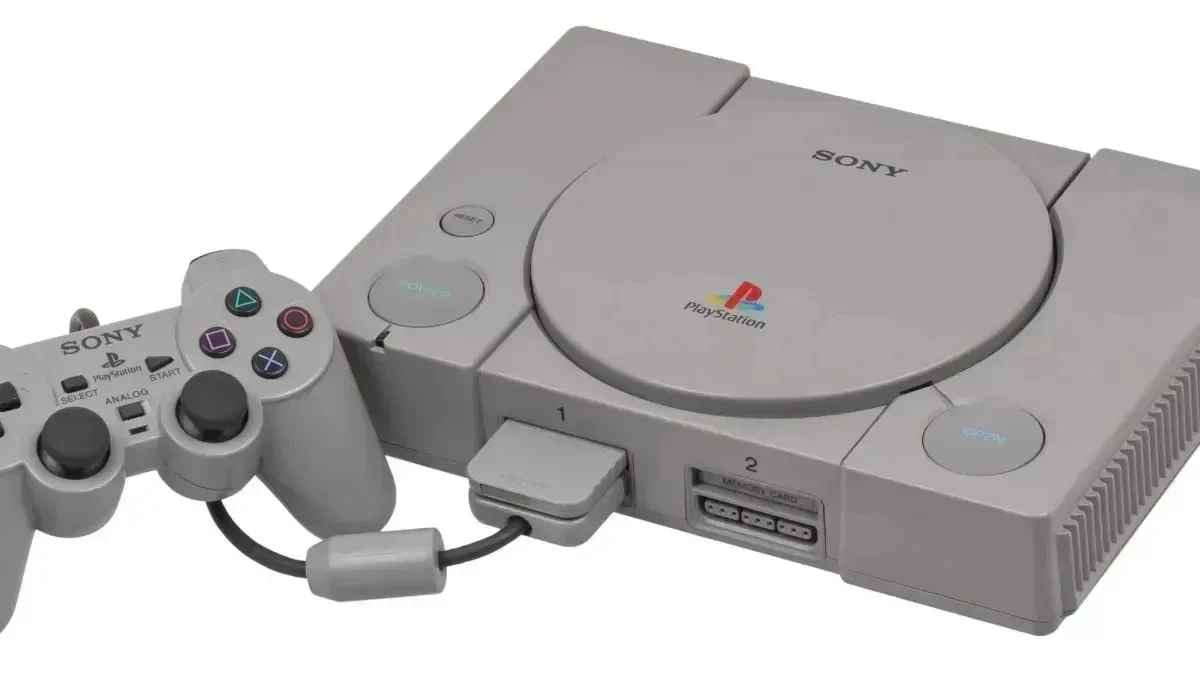
The legendary 3D fighting game that defined an era, Tekken, is set to make a highly anticipated comeback, breathing new life into its 1994 arcade origins for a new generation of gamers. Developer Hamster Corporation has officially announced that the seminal title will be the latest addition to its esteemed Arcade Archives series, promising a faithful yet enhanced re-release for PlayStation 5, Xbox Series X|S, and Nintendo Switch 2. This move signals a significant moment for fighting game enthusiasts, offering a chance to experience the foundational title that launched one of the most enduring and popular fighting game franchises in history.
A Legacy Rekindled: The Genesis of a Fighting Game Phenomenon
Tekken, originally unleashed upon the world in 1994 by Namco, was more than just a game; it was a revolution in 3D fighting. At a time when the genre was still grappling with the transition from 2D sprites to three-dimensional polygons, Tekken emerged as a bold and sophisticated contender. Its development was a direct response to Sega’s groundbreaking Virtua Fighter, a game that had already established a foothold in the nascent 3D fighting space. Namco, seeking to carve out its own identity and challenge the established order, tasked a talented team, including designer Seiichi Ishii – who had previously contributed to Virtua Fighter during his tenure at Sega – with creating a fighting experience that was both technically impressive and strategically deep.
The result was a game that captured the imagination of arcade-goers worldwide. Tekken introduced a unique combat system that emphasized fluid, realistic martial arts movements, a departure from the more fantastical special moves often seen in its 2D counterparts. The introduction of a four-button control scheme, where each button corresponded to a specific limb, allowed for a level of intricate combo execution and nuanced strategy that was unprecedented. Players could string together a series of punches and kicks with remarkable fluidity, leading to spectacular and satisfying victories.
Beyond its innovative gameplay mechanics, Tekken also boasted a compelling cast of characters, each with their own distinct fighting styles and backstories. From the stoic Kazuya Mishima and the powerful Heihachi Mishima, at the heart of the game’s iconic father-son rivalry, to the agile Nina Williams and the formidable Yoshimitsu, these characters quickly became recognizable icons in their own right. The game’s lore, though initially sparse, laid the groundwork for the complex and dramatic narrative that would become a hallmark of the Tekken series.
The original arcade cabinet was a testament to Namco’s ambition, featuring impressive 3D graphics that pushed the boundaries of what was possible at the time. The transition to home consoles, particularly the original PlayStation, further cemented Tekken‘s status as a genre-defining title. The PlayStation version, released in 1995, not only faithfully recreated the arcade experience but also introduced new elements, including a survival mode and a training mode, further enhancing its replayability and accessibility for home players. This home port was instrumental in broadening Tekken‘s appeal and laying the foundation for its enduring legacy.
The Arcade Archives Treatment: Modernizing a Classic
Hamster Corporation’s Arcade Archives series has built a formidable reputation for meticulously preserving and re-releasing classic arcade games. Their commitment to authenticity ensures that players can experience these historical titles as they were originally intended, often with minimal alterations. However, the series also recognizes the need to adapt these aging masterpieces for contemporary hardware and player expectations.
The upcoming Arcade Archives 2 Tekken is no exception. The game will be readily available on PlayStation 5, Xbox Series X|S, and the newly revealed Nintendo Switch 2, ensuring broad accessibility for a wide range of gamers. The release is slated for June 25, 2026, with a price point of $16.99, a modest investment for a piece of gaming history.
A key aspect of Hamster’s Arcade Archives releases is the inclusion of distinct gameplay modes. Arcade Archives 2 Tekken will feature two primary modes designed to cater to both purists and those seeking a more streamlined experience.
Original Mode: This mode aims to provide the most faithful representation of the original arcade game. However, Hamster has incorporated a suite of "new and convenient features" that modernize the experience without sacrificing its core integrity. These enhancements are crucial for making a 30-year-old arcade game feel fresh and playable on modern consoles. Players can expect:
- Adjustable Difficulty Settings: The original arcade experience could be notoriously challenging, often designed to encourage continued play with more coin insertions. The ability to adjust difficulty levels allows players to tailor the game to their skill level, whether they want to relive the intense challenge or simply enjoy the story and gameplay at a more relaxed pace.
- Enhanced Display Settings: Modern displays and resolutions differ significantly from the CRT monitors of the 1990s. The inclusion of customizable display settings will ensure optimal visual clarity and presentation, allowing players to adjust aspect ratios, apply filters, and potentially even choose between different visual styles to best suit their preferences and the capabilities of their displays.
- Button Remapping: In a game where precise control is paramount, the ability to remap buttons is a significant quality-of-life improvement. Players can customize their control schemes to match their personal preferences or to better adapt to the unique layout of their chosen controller. This is particularly important for fighting games where muscle memory and familiar control schemes can significantly impact performance.
- Save States and Load States: While not explicitly mentioned, it is highly probable that, as with other Arcade Archives titles, players will have access to save states. This allows players to save their progress at any point, enabling them to tackle difficult sections or boss battles without the fear of losing significant progress. This feature is a modern concession that makes classic games more approachable for players accustomed to the convenience of contemporary game design.
Time Attack Mode: This mode caters to the competitive spirit inherent in fighting games. Players will be challenged to complete the game as quickly as possible, battling through the roster of opponents and aiming for the fastest clear times. This mode encourages mastery of the game’s mechanics and provides a clear objective for players looking to test their skills and climb leaderboards (if online leaderboards are implemented, which is common for Arcade Archives titles). The thrill of shaving seconds off a previous best time adds a significant layer of replayability.
A Glimpse into the Past: Chronological Context and Developer Intent
The journey of Tekken from its arcade debut to its current status as a global phenomenon is a fascinating narrative in itself.
- 1994: The Arcade Birth: Namco releases the original Tekken in arcades. It’s a groundbreaking 3D fighter that introduces a unique limb-based control scheme and a focus on realistic martial arts. Its success immediately establishes it as a major player in the burgeoning 3D fighting game landscape.
- 1995: PlayStation Port and Home Console Dominance: Tekken makes its transition to home consoles with a highly successful port on the original PlayStation. This release significantly expands the game’s audience and solidifies its popularity.
- 1996-Present: The Franchise Evolves: The success of the original Tekken paved the way for a long and illustrious franchise. Subsequent installments like Tekken 2, Tekken 3, and Tekken Tag Tournament continued to innovate and refine the gameplay, introducing new characters, mechanics, and increasingly sophisticated graphics. The series has consistently remained at the forefront of the 3D fighting game genre, known for its deep gameplay, compelling storylines, and high production values.
- Hamster Corporation’s Role: Hamster Corporation has been instrumental in preserving gaming history through its Arcade Archives series, which began in 2014. Their dedication to bringing classic arcade titles to modern platforms has allowed countless players to experience games they may have missed or to revisit beloved classics with a renewed appreciation.
The developer’s intent with Arcade Archives 2 Tekken is clear: to honor the legacy of the original game while making it accessible and enjoyable for today’s players. By providing a faithful reproduction with thoughtful modern enhancements, Hamster aims to bridge the generational gap, allowing long-time fans to relive their memories and introducing a new audience to the game that started it all.
Supporting Data and Anticipation
The anticipation for Arcade Archives 2 Tekken is palpable within the fighting game community. This is not merely another retro release; it is the return of a foundational pillar of the genre. The Arcade Archives series consistently garners positive reception for its dedication to authenticity and its role in game preservation. Each new announcement for the series is met with considerable excitement, and Tekken‘s inclusion is arguably one of the most significant yet.
The inclusion of the game on multiple modern platforms – PS5, Xbox Series X|S, and Nintendo Switch 2 – indicates a strategic effort to reach the broadest possible audience. The $16.99 price point positions it as an affordable way to own a piece of gaming history, especially compared to the often steep prices of original arcade hardware or even some more comprehensive retro collections.
Furthermore, the release of a trailer (as indicated by the provided iframe) serves as a vital piece of supporting data, offering potential players a visual and auditory preview of the game’s presentation and the enhancements they can expect. Such trailers are crucial for generating buzz and managing player expectations.
Official Responses and Industry Implications
While direct quotes from Hamster Corporation or Bandai Namco (the current holder of the Tekken IP) regarding this specific release are not provided in the initial text, the Arcade Archives series itself serves as a testament to their commitment to preserving and monetizing classic gaming content. Hamster’s business model relies on the enduring appeal of these titles, and their continued success with the Arcade Archives line suggests a positive reception from both developers and consumers.
The implications of Arcade Archives 2 Tekken‘s release are multifaceted:
- Game Preservation: This release is a significant contribution to game preservation, ensuring that the original Tekken remains accessible and playable for future generations. In an era where digital storefronts can be fickle and hardware becomes obsolete, dedicated archival efforts are crucial.
- Nostalgia and New Player Acquisition: The game will undoubtedly appeal to long-time fans of the series who grew up playing the original arcade or PlayStation versions. Simultaneously, the modern enhancements and multi-platform release provide an excellent entry point for younger players curious about the origins of their favorite fighting game franchise.
- The Value of Classic Titles: This release underscores the continued marketability and cultural significance of classic video games. It demonstrates that there is a strong demand for authentic retro experiences, even in an era dominated by cutting-edge graphics and online multiplayer.
- Competition and the Fighting Game Market: While Arcade Archives 2 Tekken is a historical release, its presence on modern consoles contributes to the vibrant fighting game ecosystem. It offers a different kind of experience compared to the latest installments, catering to a niche but dedicated segment of the player base. It also serves as a reminder of the genre’s evolution and the foundational titles that paved the way for today’s sophisticated fighters.
In conclusion, the impending release of Arcade Archives 2 Tekken is a cause for celebration for fighting game aficionados worldwide. It represents a meticulous effort to bring a legendary title back into the spotlight, offering both faithful retro authenticity and modern conveniences. As the Tekken franchise continues to evolve, this return to its roots serves as a powerful reminder of its enduring legacy and the groundbreaking innovations that first captivated players over three decades ago. The King of Iron Fist Tournament may have begun in the arcades of the 90s, but its spirit is about to reignite on the consoles of today.


 Lina Irawan
 Sagoh
Sagoh