Raul Delapena Setiawan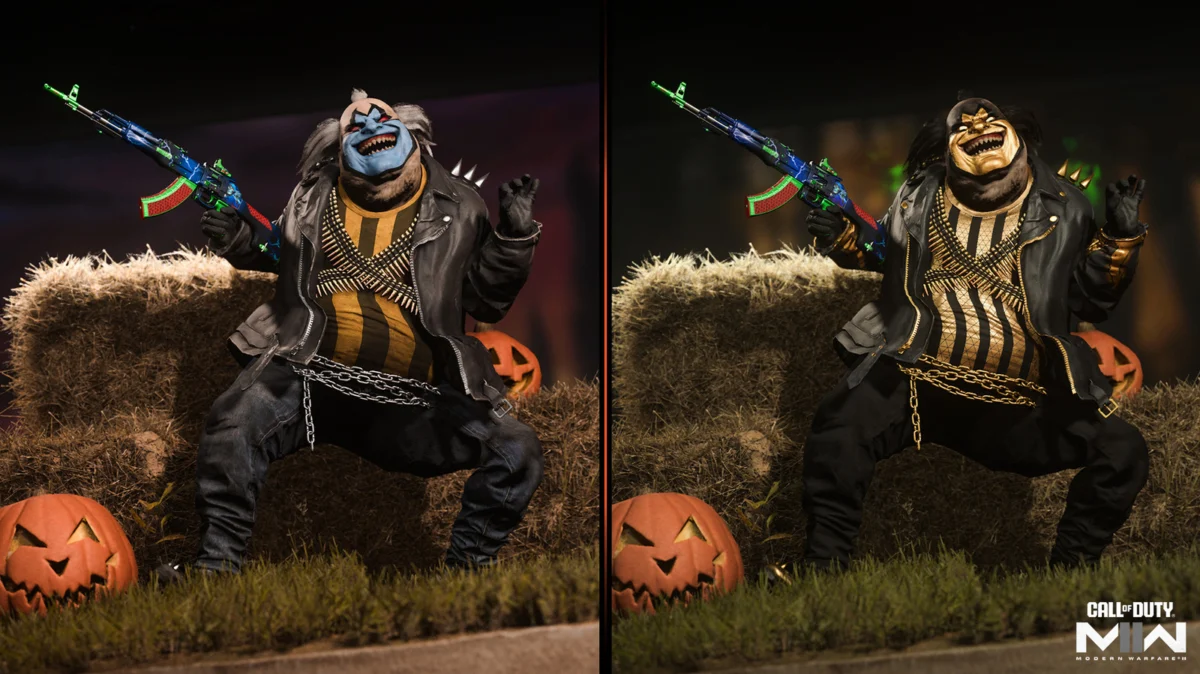
For years, the Call of Duty franchise has walked a precarious tightrope between gritty, realistic military simulation and the increasingly surreal demands of a live-service economy. For the tactical purist, the battlefield has become a fever dream of neon-colored tracers, celebrity guest stars, and animated characters that defy the franchise’s roots in authentic combat. However, with the arrival of Season 1 for Call of Duty: Modern Warfare 4, Activision is finally offering a reprieve. Players will soon have the ability to filter out the most outlandish cosmetic items, effectively reclaiming the grounded, tactical atmosphere that defined the series’ origins.
The Shift: Replacing the Absurd with the Authentic
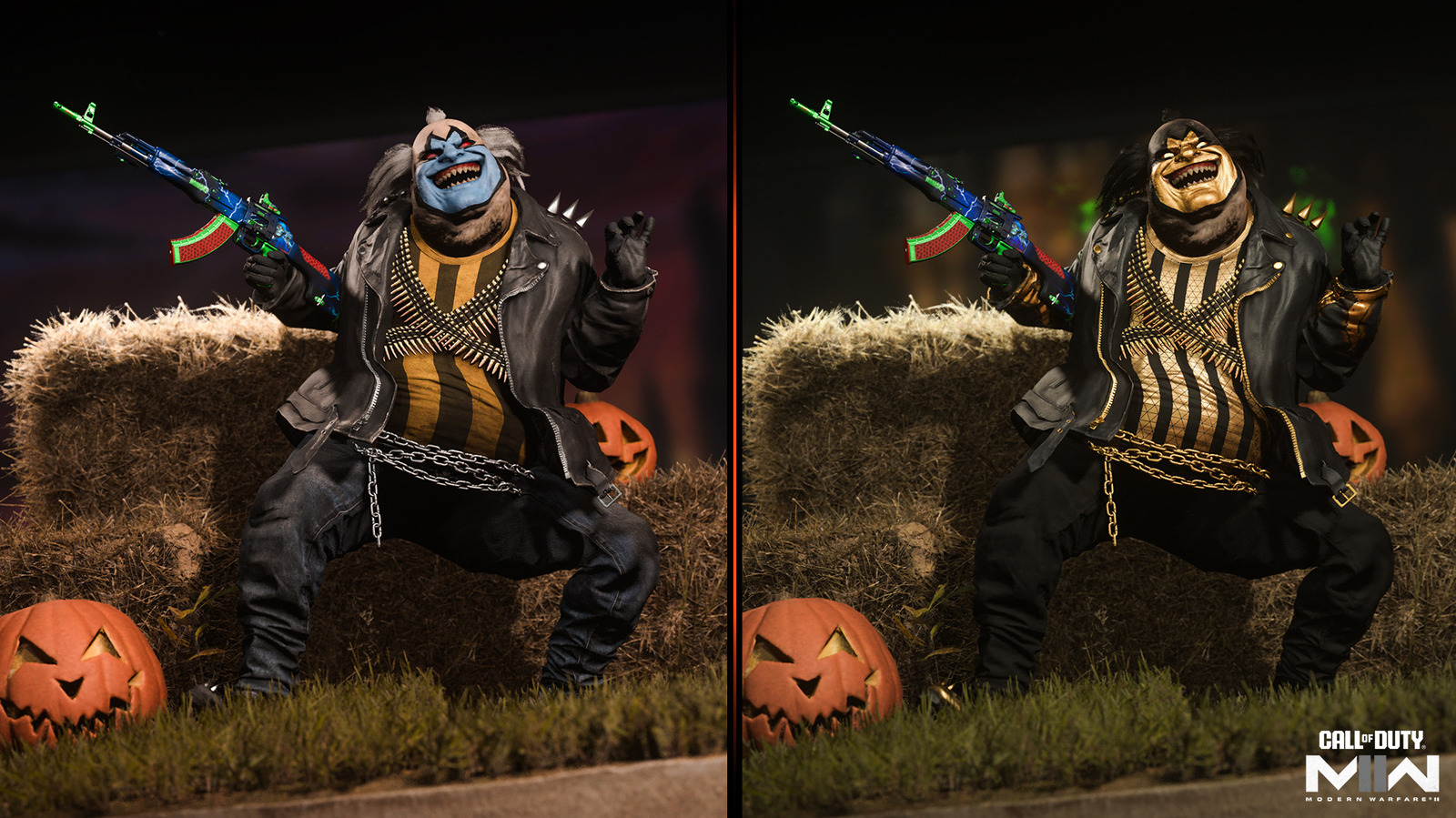
The core of this update is a new, user-controlled toggle within the Warzone settings menu. When enabled, this feature will override the appearance of opposing players, replacing flamboyant or licensed character skins—such as Rambo, Snoop Dogg, or the recent, polarizing Beavis and Butt-Head models—with standardized, lore-appropriate Operator uniforms.
Crucially, this is a client-side adjustment. When a player activates the toggle, they are not altering the game for anyone else. If you choose to enable this feature, your own character will still appear as you have customized it, but every other operator you encounter on the battlefield will be rendered in default, "milsim" (military simulation) gear. This ensures that the competitive integrity of the game remains untouched, while the visual noise that has plagued the player experience is significantly reduced.
A Chronology of Escalation: How We Got Here
To understand the necessity of this update, one must look at the evolution of Call of Duty’s monetization strategy over the last half-decade.
The Foundation (2003–2018)
In the early days of the franchise, aesthetic customization was virtually non-existent. Players chose from a set list of faction-based character models. The "identity" of a player was defined by their skill, their clan tag, and their weapon choice. The visual language was consistent: browns, grays, and muted greens dominated the screen.
The Transition (2019–2021)
The release of Modern Warfare (2019) and the subsequent launch of Warzone marked a turning point. Activision introduced the "Operator" system, which allowed for character-specific personalities and backstories. While initially grounded in realism, the transition to the Black Ops Cold War integration began the slow creep of aesthetic variety. Skins began to feature more vibrant colors, masks, and tactical gear that started to drift away from historical accuracy.
The "Fortnite-ification" Era (2022–2025)
The last few years have seen an explosion of crossover content. Recognizing that Call of Duty functioned as a digital billboard for pop culture, Activision leaned into high-profile licensing. Players were suddenly confronted with pop culture icons, professional athletes, and even surrealist mascot characters like "Wubz." While these additions generated massive revenue for the publisher, they created a vocal divide in the community. Critics argued that the visual clutter made it impossible to identify player silhouettes quickly, while others felt that the immersion—the "serious" military vibe—was being irreparably damaged.
Supporting Data: The Case for Customization
The decision to implement this toggle is not merely an aesthetic whim; it is a response to player sentiment data and feedback loops that have been building since the Warzone era began.
Industry analysis suggests that while "goofy" skins have a high "attach rate"—meaning players are statistically more likely to purchase them due to their novelty—they also contribute to a phenomenon known as "aesthetic fatigue." Surveys conducted within the Call of Duty community over the past 24 months consistently showed that a significant segment of the core demographic (often referred to as "hardcore" or "competitive" players) prioritized visual clarity over novelty.
Furthermore, competitive integrity is a measurable metric. In a battle royale environment where split-second reaction times determine the outcome of a match, the visual profile of an enemy is vital. A character model that is intentionally designed to be large, brightly colored, or oddly shaped creates a different target profile than a standard infantry soldier. By allowing players to normalize these profiles through the new toggle, Activision is indirectly addressing concerns regarding the "pay-to-win" potential of certain, less-visible or "distractingly visible" skins.
Official Responses and Developer Philosophy
Activision’s official stance on this update, as outlined in the Modern Warfare 4 Season 1 blog post, highlights a desire to balance monetization with community satisfaction.
"Our goal has always been to provide players with the ultimate sandbox," a spokesperson for the development team noted. "We understand that for many, the charm of Call of Duty lies in the sheer variety and the ability to express oneself through these incredible crossover events. However, we also listen to our players who enjoy the classic, grounded tactical experience. This toggle represents our commitment to player agency—letting you curate the visual experience that best fits your playstyle."
Industry insiders suggest that this is a "best-of-both-worlds" compromise. Activision can continue to sell high-margin, licensed character bundles to the portion of the player base that enjoys them, while simultaneously retaining the high-retention "hardcore" players who might otherwise have abandoned the game due to the perceived degradation of the game’s aesthetic identity.
Implications for the Future of FPS Gaming
The introduction of this toggle may set a precedent for the entire First-Person Shooter genre. As live-service models become the industry standard, the tension between "selling content" and "preserving game design" will only intensify.
The "Aesthetic Firewall"
This move could be viewed as an "aesthetic firewall." If successful, other major titles—such as Rainbow Six Siege or Valorant—might adopt similar features. It empowers the user to become the editor of their own experience, moving away from the "one-size-fits-all" visual environment that has dominated online gaming for the last decade.
Impact on Microtransactions
Interestingly, some analysts have questioned whether this will negatively impact the sale of premium skins. If a player knows that their opponent might simply "turn off" their expensive, glowing skin, will they still be as motivated to purchase it?
The counter-argument, however, is that players buy these skins primarily for three reasons:
- The "Flex" Factor: They want to see themselves in the lobby, in the killcam, and in the mirror.
- The "Prestige" Factor: They want their teammates to see their investment.
- The "Novelty" Factor: They enjoy the unique animations and voice lines associated with the character.
Since the toggle only affects what the individual user sees, the social aspects of skin ownership remain intact. The "flex" still works because you are still presenting that skin to everyone else in the lobby, even if one or two players have chosen to filter it out.
A Return to Focus
As Modern Warfare 4 enters its first season, the implementation of the "milsim" toggle serves as a tacit admission that the "everything-at-once" approach to live-service design has its limits. By allowing players to strip away the distractions, Activision is inviting the community to focus once again on what made the franchise a global phenomenon: the tight gunplay, the high-stakes tension, and the immersive, gritty atmosphere of the battlefield.
For the player who is tired of being outmaneuvered by a cartoon character, the coming weeks will offer a new sense of clarity. It is a rare instance of a developer providing a tool that prioritizes player preference over brand synergy, and it may well be the most impactful "quality of life" update the franchise has seen in years. Whether this will lead to a more balanced ecosystem or simply a divided visual experience remains to be seen, but for now, the tactical purists finally have a seat at the table.

 Azzam Bilal Chamdy
 Jia Lissa