

By Ray Flook | June 1, 2026
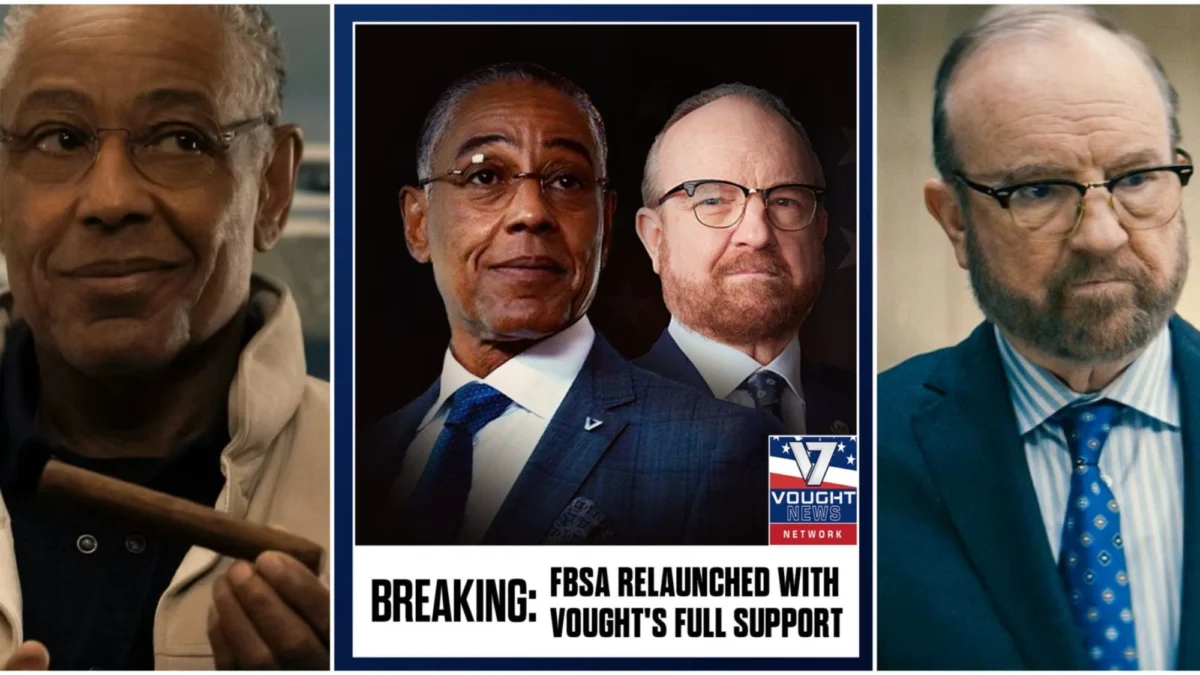
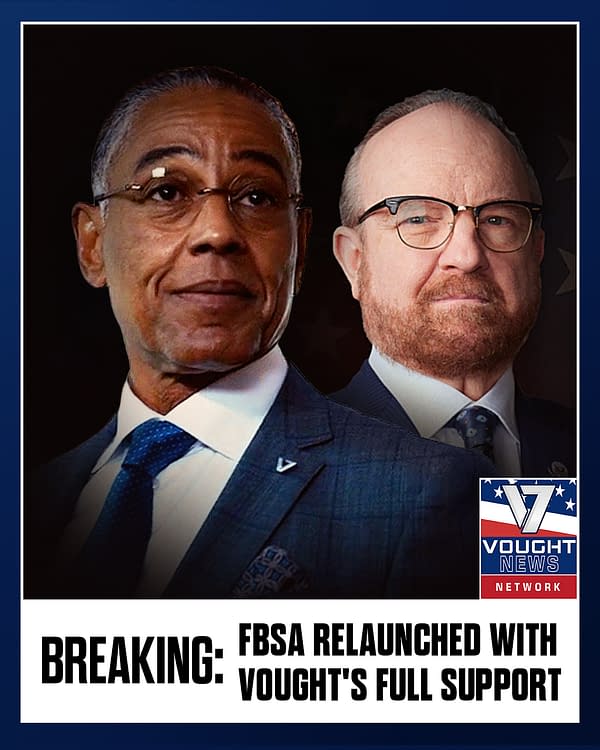
In a move that has sent shockwaves through the political and cultural landscape of the United States, Vought International has officially announced a strategic partnership with the reactivated Federal Bureau of Superhuman Affairs (FBSA). Under the guidance of the newly reinstated interim CEO Stan Edgar, the corporation that once defined the "Superhero era" is now positioning itself as the primary architect of the post-Homelander geopolitical order.
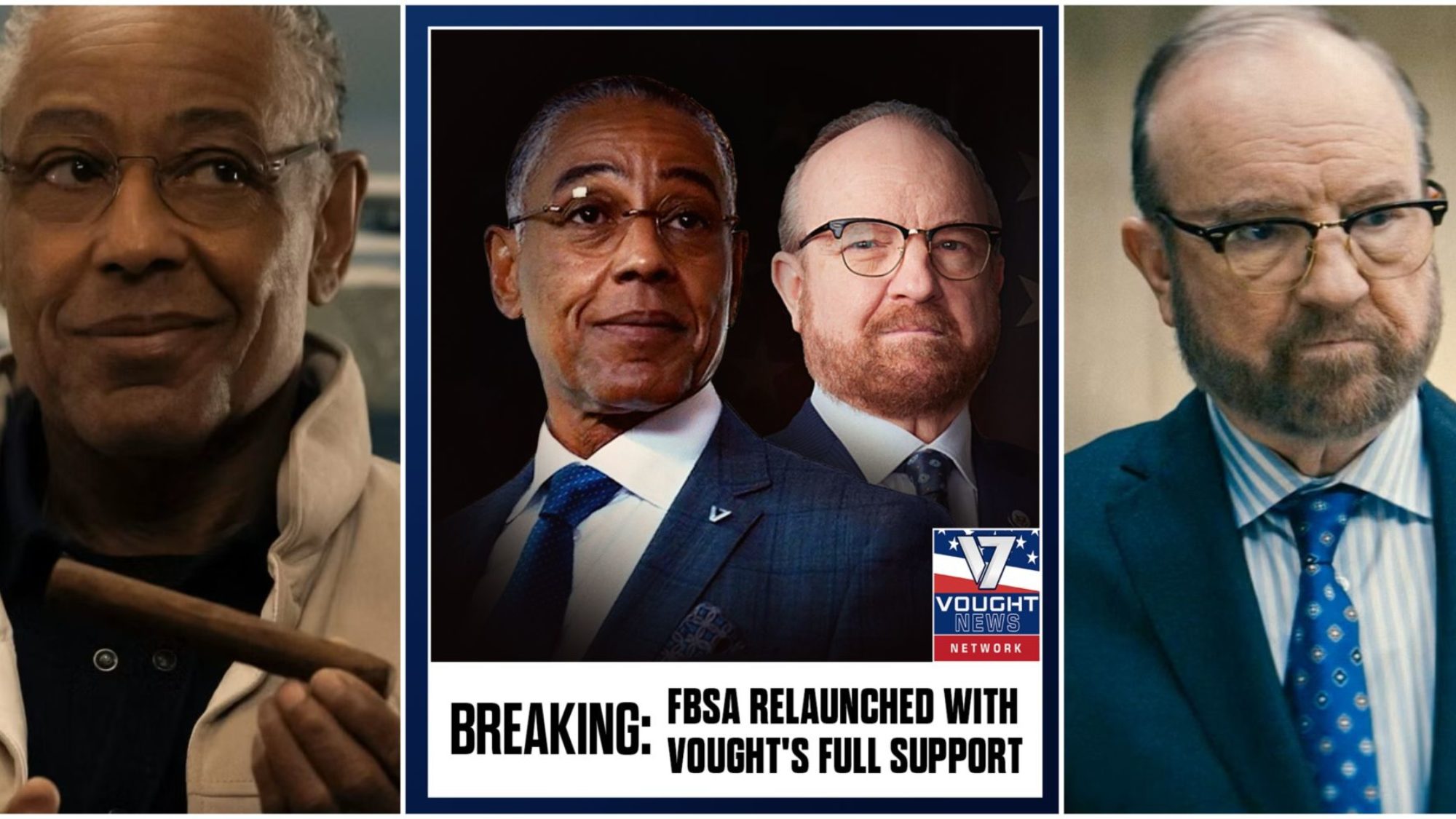
While the public relations campaign frames this as a necessary step toward national security and stability, observers and critics alike are questioning the cost of such a coalition. Is this a genuine effort to sanitize the Vought brand and ensure public safety, or is it a calculated maneuver to maintain corporate hegemony under the guise of governmental oversight?
The Path to Reintegration: A Chronology of the Crisis
To understand the current alignment between Vought and the FBSA, one must look back at the chaotic sequence of events that brought the nation to this inflection point.
The Fall of the Icon
The turning point in the modern history of "supes" occurred during the climactic "Blood and Bone" incident. Following a period of unchecked escalation, Homelander—long considered the untouchable face of Vought—faced a reckoning. In a brutal, visceral confrontation, Billy Butcher and Ryan managed to neutralize Homelander’s powers, leaving the former leader of The Seven vulnerable. The subsequent conclusion of that battle, which saw Butcher dismantle the supe in an act of finality that was broadcast globally, shattered the illusion of superhuman invincibility.
The Return of Stan Edgar
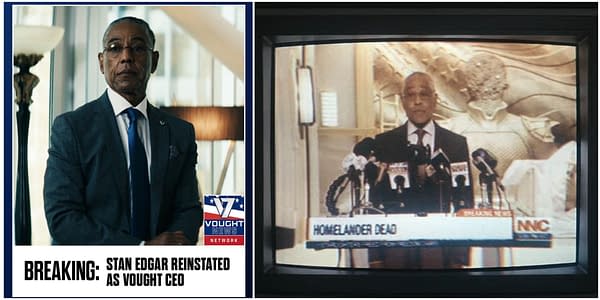
Following the massive political and public relations fallout from Homelander’s televised meltdown and the subsequent collapse of the "Supes-as-Gods" narrative, Vought International found itself on the precipice of bankruptcy and legal dissolution. Enter Stan Edgar. Having successfully navigated a public narrative claiming he was a "prisoner" of the very man he helped create, Edgar was brought back as interim CEO. His swift consolidation of power—supported by a sudden, inexplicable surge in stock prices—signaled that the board of directors viewed him as the only individual capable of steering the corporate giant through its most existential crisis.

The FBSA Reactivation
President Robert Singer, attempting to manage the domestic fallout of the super-powered civil unrest, moved quickly to bring the FBSA back to prominence. The bureau was designed to be the regulatory body to keep the streets safe from the rogue, Homelander-loyalist supes who were summarily terminated by Vought in the wake of the corporate cleanup.
The Vought-FBSA Partnership: Official Statements and Strategic Intent
On Monday, Vought released a formal statement outlining its collaboration with the FBSA. The language, while diplomatic, masks a deeper, more aggressive corporate strategy:
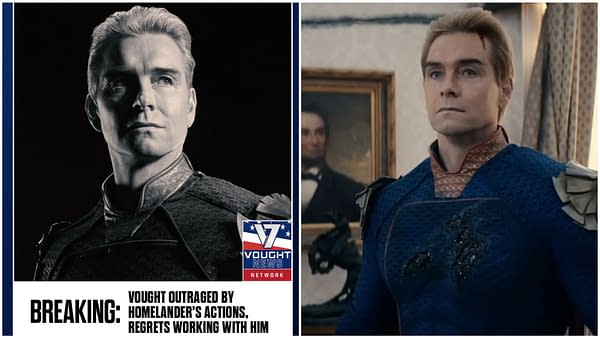
"Vought is proud to partner again with the newly relaunched FBSA for a brighter and safer future. As you know, we’ve summarily fired every Superhero who supported Homelander, and now someone needs to keep the streets safe from these dangerous malcontents. We look forward to working closely with whoever President Singer chooses as the FBSA’s new head!"
The Leadership Vacuum
A significant point of contention remains the head of the FBSA. During the series finale, President Singer personally extended the invitation to lead the bureau to Hughie Campbell. However, in a move that reflects the exhaustion and moral clarity of the individuals who lived through the "Homelander Era," Campbell declined the offer, opting instead to pursue a private life with Annie January.
The speculation regarding who will step into this role is rampant. While the public has clamored for figures like Mother’s Milk (MM) to lead a specialized task force—arguing that his blend of tactical expertise and moral grounding makes him the ideal candidate—the fear remains that Vought will influence the selection process to ensure the FBSA remains a toothless regulatory entity that serves corporate interests rather than public ones.
Implications of the "New Normal"
The partnership between a private military-industrial complex like Vought and a federal regulatory agency like the FBSA raises profound constitutional and ethical questions.
Corporate Influence on Public Policy
Vought’s current strategy is one of "managed rehabilitation." By distancing itself from Homelander’s seditious actions and positioning itself as an ally to the CIA and the federal government, Vought is effectively purchasing its own survival. The company’s recent confirmation that the infamous Oval Office footage was authentic—not the result of deep-fake technology or AI manipulation—was a strategic pivot to frame itself as a victim of its own product, rather than the architect of its crimes.
The Cultural Shift: From Fear to Forgiveness
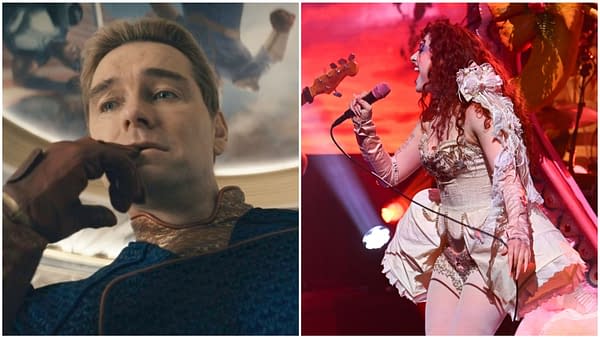
Perhaps the most alarming sign of the changing times is the shift in public discourse. Vought has effectively declared the "Homelander era" over, extending "clemency" to the public by making Homelander memes legal once again. By promising to expunge the records of individuals—including cultural figures like Chappell Roan—who were arrested for posting anti-Homelander content, Vought is attempting to buy social capital. They are curating a version of history where they are the reformers, effectively washing their hands of the systemic abuse that defined the company’s history.

Supporting Data: Economic Stability vs. Moral Reckoning
Vought’s recent filings with shareholders indicate that the strategy is working. The company has reported that EBITDA margins are on the rise, and stock prices have reached record highs. For the investors, the "new dawn" for Vought is not a moral one, but a financial one.
The internal review process, while touted as a "thorough" investigation into the broadcast that destroyed the previous administration’s credibility, serves as a masterclass in obfuscation. By keeping the investigation "internal," Vought ensures that the most damaging secrets remain shielded from the public eye and the reach of federal investigators, effectively maintaining a corporate veil that the FBSA seems increasingly unlikely to pierce.

Critical Analysis: What Lies Ahead?
As we look toward the future, the stability of this new arrangement is fragile at best. The fundamental issue remains: Can an organization built on the commodification of human beings ever truly be a partner in protecting them?
The "Supes" on the Street
The "dangerous malcontents" mentioned in Vought’s statement—the fired supes who once swore allegiance to Homelander—remain the largest wildcard. If the FBSA is to be successful, it must prove that it can contain these individuals without reverting to the Vought-style reliance on brutal force. If the FBSA becomes merely a private enforcement arm for Vought’s remaining assets, we may simply be witnessing a change in branding, not a change in policy.

The Moral Weight of Leadership
The refusal of figures like Hughie Campbell to participate in the new system is telling. It suggests that for those who were at the heart of the conflict, the "system" is the problem. A partnership between the state and the entity that created the problem in the first place is, at best, a temporary truce and, at worst, an invitation to a repeat of the same systemic failures.
Conclusion
The alliance between Vought International and the FBSA is the final chapter in the transition from the chaotic, hero-worshipping era of Homelander to a more bureaucratic, state-sanctioned era of control. Stan Edgar, ever the chess player, has managed to turn a public relations catastrophe into a government-backed monopoly on superhuman management.

As the FBSA begins its operations, the public must remain vigilant. The danger is not that Vought will fail, but that it will succeed—by successfully embedding itself into the machinery of the state, ensuring that the "new dawn" is, in reality, just another day under the shadow of the same corporate interests that brought the nation to the brink of collapse. Whether the FBSA acts as a guardian of the people or a branch office of Vought remains to be seen, but the history of the last few years suggests that caution is the only rational response.
Ray Flook is the Television Editor at Bleeding Cool. Having covered the rise and fall of Vought International since 2013, he continues to monitor the intersection of media, corporate power, and superhuman policy.










No comments yet. Be the first to join the conversation!