Nana Wu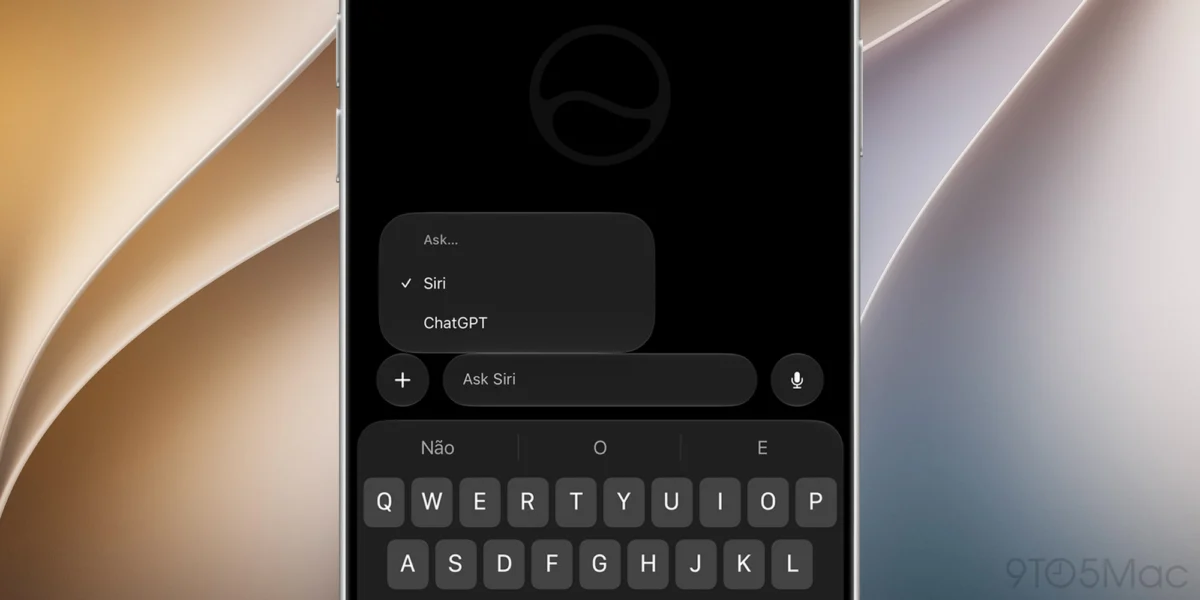
The landscape of mobile artificial intelligence shifted dramatically with the release of the iOS 27 developer beta. At the heart of this update is a revamped, standalone Siri application—a sophisticated, chat-centric interface that marks a departure from the floating orb of yesteryear. While the primary objective of this new architecture is to showcase Apple’s proprietary Siri AI, the company has introduced a hidden, yet highly functional, bridge to OpenAI’s ChatGPT. This integration represents a significant pivot in Apple’s "walled garden" philosophy, offering users a choice in the digital assistant they rely on for daily tasks.
Main Facts: The New Interface and the ChatGPT Toggle
The Siri app in iOS 27 is a radical redesign. It adopts a modern, conversation-first layout that mirrors the aesthetics of contemporary AI clients. Users are presented with a clean text input field, support for rich media including image and file attachments, and a dedicated sidebar or menu for managing conversation history.
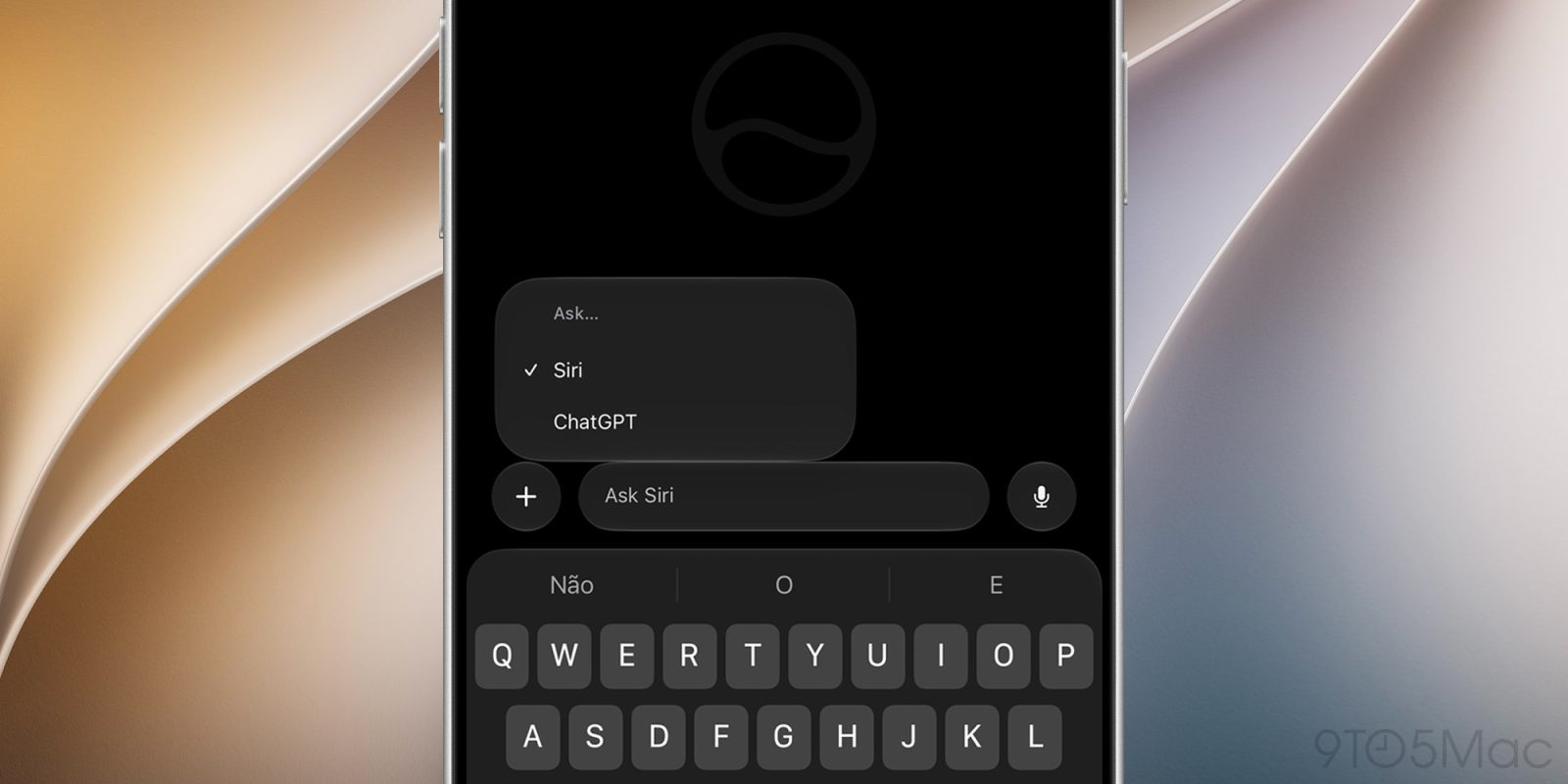
Despite the integration of native Siri AI, which Apple positions as the default for privacy-centric, system-level tasks, the ability to switch to ChatGPT is built directly into the UI. By long-pressing the input field, users trigger an "Ask…" menu. This pop-up allows for an instantaneous switch between the default Apple intelligence model and ChatGPT.
While this functionality is currently limited to just these two providers, industry analysts suggest that the architectural groundwork laid by Apple could eventually pave the way for a more open ecosystem, potentially supporting other third-party LLMs (Large Language Models) such as Google’s Gemini or Anthropic’s Claude.

A Chronology of Integration
The journey to this moment began long before the iOS 27 keynote.
- Pre-2025: Siri remained a task-oriented assistant, excellent at setting timers and sending texts, but notoriously poor at natural language understanding and contextual reasoning.
- Late 2025: Following the surge in generative AI, reports surfaced that Apple was aggressively scouting for partners to bolster its AI capabilities.
- Early 2026: Apple announced a strategic partnership with OpenAI, leading to the "Siri-ChatGPT" bridge revealed in the early stages of iOS 27 development.
- June 2026: The public/developer beta release of iOS 27 officially unveiled the "Siri App," replacing the traditional overlay with a persistent, document-like interface.
- Present Day: Early adopters are currently testing the limits of this "hybrid" assistant, documenting both its potential and its current architectural constraints.
Technical Nuances and Operational Caveats
While the ability to switch between models is a welcome feature, the experience is not without its friction. Understanding these limitations is critical for power users who intend to make this their primary workspace.
The "Context Silo" Problem
The most significant limitation discovered by beta testers is the lack of "cross-pollination" between sessions. When a user switches from Siri AI to ChatGPT, the new model has no access to the previous conversation history. If you are halfway through a complex task—such as summarizing a long email chain—switching providers forces the model to start from a blank slate. This effectively creates a "context silo," where the user must manually copy and paste pertinent information if they decide to change the processing engine mid-stream.
The Persistence Issue
Currently, the Siri app defaults back to Apple’s native model every time the application is closed and reopened. Even if a user has been conducting an active, long-form conversation with ChatGPT, the app resets its "identity" upon relaunch. Whether this is a deliberate design choice aimed at preserving Apple’s ecosystem lock-in or a bug within the current beta cycle remains a subject of intense speculation on developer forums.
Settings and Configuration
Interestingly, the ability to select ChatGPT within the app appears to be independent of the system-level settings. Even if a user has disabled the ChatGPT extension under Settings > Siri > ChatGPT, the toggle within the app remains functional. This suggests that the interface has been hardcoded to provide access to the OpenAI endpoint, bypassing some of the traditional permission layers usually found in iOS.
Supporting Data: Why Choice Matters
In the broader context of the smartphone market, Apple’s decision to allow a third-party AI to share the stage with its own is a strategic necessity. According to recent market analysis, users are increasingly prioritizing "reasoning capabilities" over "system control" when evaluating mobile assistants.
Data from the first two weeks of the iOS 27 beta shows that, while Siri AI is frequently used for system-level queries (e.g., "Set a reminder for 5 PM," "Turn on the living room lights"), users overwhelmingly default to ChatGPT for complex creative writing, coding tasks, or deep-dive research. By providing this toggle, Apple is preventing its power users from abandoning the Siri ecosystem entirely in favor of third-party standalone apps.
Official Responses and Corporate Strategy
Apple has maintained a characteristically tight-lipped stance regarding the future of the Siri app. During the developer sessions at WWDC, executives emphasized that the goal of the new Siri is "personal context awareness." They argue that Apple’s model is uniquely positioned to understand the user’s files, emails, and photos in a way that external models cannot.
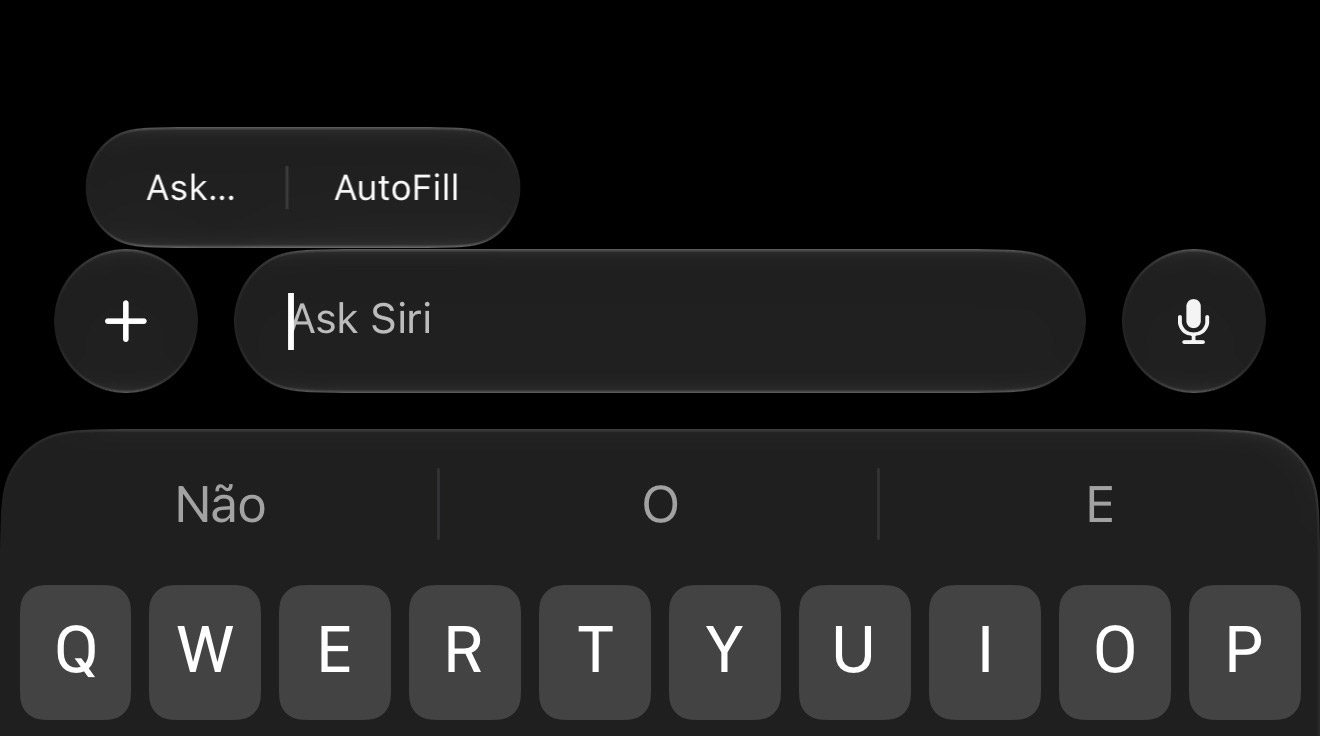
However, the company has acknowledged that "AI is a fast-moving field." In an official documentation note, Apple mentioned that the current implementation is "Version 1.0" of a multi-model approach. While they have not confirmed plans to add further third-party providers, the UI is clearly built with scalability in mind. Observers point to the modularity of the "Ask…" menu as a sign that Apple is preparing for a future where a "marketplace of intelligence" could exist directly within the operating system.
Implications for the Future of Mobile OS
The integration of ChatGPT into the core Siri experience has profound implications for the future of mobile computing.
1. The Death of the "Single Assistant" Era
For over a decade, we have lived in an era of monolithic assistants (Siri, Alexa, Google Assistant). iOS 27 signals the transition to "Assistant-as-a-Service." Users are moving toward a model where they select the "brain" best suited for the specific task at hand.
2. Privacy vs. Utility
Apple’s core value proposition remains privacy. The native Siri AI is designed to run locally on the device (or within Apple’s Private Cloud Compute). By contrast, ChatGPT requires a cloud-based handshake. This creates a fascinating tension for the user: do they sacrifice the privacy of local processing for the superior reasoning capabilities of a large-scale generative model?

3. The Developer Ecosystem
For third-party developers, the implications are equally significant. If Apple eventually allows other AI companies to integrate into the Siri App, we could see a new category of "App-Specific LLMs." Imagine a scenario where a financial app provides its own specialized LLM that can be toggled on within Siri to handle banking queries, effectively turning the Siri app into a hub for all specialized AI interactions.
4. The UI/UX Shift
The move to a chat-based app interface indicates that Apple is finally accepting that the future of the human-computer interface is conversational. The days of tapping through menus are slowly being replaced by natural language prompts. If the Siri app becomes the central point of contact for the user, it effectively diminishes the importance of the home screen as the primary way we interact with our devices.
Conclusion: A Work in Progress
The current state of the Siri app in iOS 27 is a fascinating bridge between the old world of command-line assistants and the new world of generative, reasoning-based AI. While the lack of persistent context and the "reset" behavior upon closing the app are significant drawbacks, the integration of ChatGPT is a bold, necessary step forward.
For the average user, this provides a glimpse into a future where the smartphone is no longer just a window to the internet, but a sophisticated partner capable of managing complex thoughts. Whether Apple eventually permits a "default" switch for ChatGPT remains the million-dollar question. Until then, users have a powerful, albeit slightly manual, toolset at their fingertips. As the beta progresses toward a final release, developers and users alike will be watching closely to see if Apple refines these features, potentially setting the standard for how AI will coexist within the operating systems of the future.

Disclaimer: This article is based on early-access information from the iOS 27 developer beta. Features described herein are subject to change before the final public release.


 Jia Lissa
 Neng Nana