Siti Muinah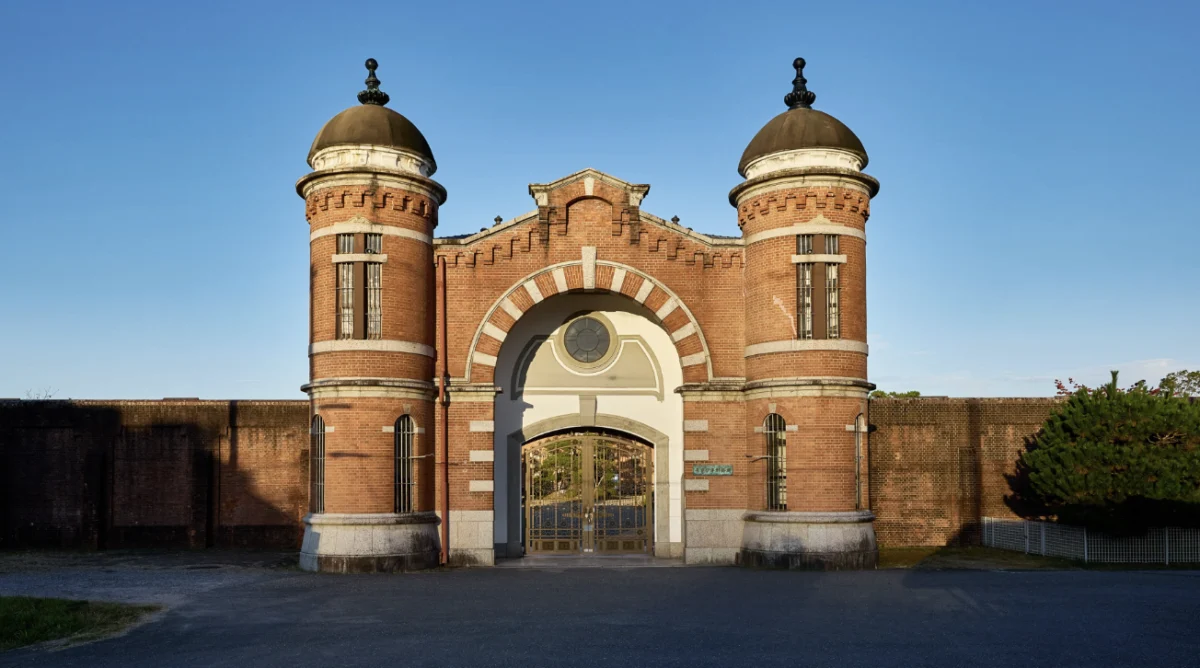
Introduction: A New Chapter for a Meiji-Era Icon
In the ancient capital of Nara, Japan, a site once synonymous with confinement and reform has undergone a radical metamorphosis. On Thursday, the sprawling red-brick complex that formerly housed the Nara Juvenile Prison officially opened its heavy gates—not to inmates, but to luxury travelers. Renamed Hoshinoya Nara Prison, the facility represents one of the most ambitious adaptive reuse projects in Japanese architectural history, blending the stark, solemn aesthetic of a turn-of-the-century penitentiary with the high-end hospitality for which operator Hoshino Resorts is renowned.
The project, which seeks to balance the commercial demands of a luxury hotel with the preservation of a nationally designated cultural asset, marks a turning point in how Japan treats its aging historical infrastructure. By repurposing a site that had been shuttered since 2017, stakeholders hope to generate the necessary capital to ensure the longevity of a structure that stands as a testament to Japan’s rapid modernization during the Meiji Era.
The Architecture of Reform: A Historical Chronology
To understand the gravity of the transformation at Hoshinoya Nara Prison, one must look back to the early 20th century. Completed in 1908, the prison was one of five major penitentiaries commissioned by the Japanese government. During the Meiji Era, as Japan scrambled to catch up with Western industrial and social standards, the construction of these prisons was intended to demonstrate the nation’s commitment to "modern" penal philosophy and humane confinement.
The complex is a masterpiece of Romanesque-inspired brickwork, characterized by its radial design. Four of the prison’s five cell wings were arranged in a star-like pattern, converging on a central guard station. This layout allowed for maximum surveillance, a hallmark of the panopticon-style architecture that was highly influential at the time.
Key Historical Milestones:
- 1908: Construction of the Nara Prison is completed, serving as a symbol of Japanese modernization in judicial architecture.
- 1946: The facility is redesignated as a juvenile prison, focusing on rehabilitation and vocational training for younger offenders.
- 2017: The prison officially closes its doors, citing the challenges of maintaining an aging, non-compliant structure.
- 2017: The Japanese government recognizes the complex as a "Nationally Important Cultural Property," placing it under legal protection.
- 2024: After several delays—including a comprehensive earthquake-resistance assessment—the facility begins its soft launch and official transition into a hospitality venue.
A Luxury Experience within Stone Walls
The transition from incarceration to accommodation required a delicate hand. The hotel features 48 spacious suites, each created by knocking down the walls of multiple solitary and shared cells. While the interiors now boast modern amenities, the architectural bones of the building remain intact. Guests are greeted by exposed brick walls, vaulted ceilings, and the narrow, high-set windows that once provided the only light to those held within.
This juxtaposition is intentional. Hoshino Resorts has leaned into the "history-as-luxury" narrative, allowing guests to sleep within the same walls that housed prisoners for over a century. The goal is to provide a visceral connection to the past while ensuring the comfort expected of a premium price point, which starts at a staggering 147,000 yen per night.
Supporting Data and Economic Projections
The economic viability of such a high-end project is tied to its proximity to Nara’s bustling tourism corridor. Located near Nara Park—home to the city’s famous free-roaming deer and the UNESCO-listed Todai-ji temple—the hotel is perfectly positioned to capture high-spending travelers.
Operational Metrics:
- Suite Count: 48 units.
- Starting Rate: 147,000 JPY per night.
- Target Occupancy: 80 percent within three years of operation.
- Cultural Preservation: A significant portion of the revenue is earmarked for the ongoing maintenance of the site, ensuring that the structural integrity of the red-brick complex is preserved for future generations.
The hotel also includes an on-site Nara Prison Museum, which serves to educate guests and day-trippers on the site’s history, providing a holistic experience that justifies the premium pricing through cultural immersion.

Official Responses and Strategic Vision
During a media preview held on Tuesday, the leadership behind the project emphasized that this was not merely a hotel, but a preservation effort. Masaya Kakegawa, the general manager of the property, was vocal about the responsibility that comes with managing such a site.
"We want to pass on the history and value of this building to future generations," Kakegawa said. He noted that the hotel’s primary mission is to become one of the premier destinations for overnight visitors in Nara, thereby ensuring that the building remains a living, breathing part of the city rather than a derelict relic.
The delay in the project’s opening, which was originally slated for 2024, was largely attributed to rigorous earthquake-resistance assessments. Given Japan’s seismic activity, ensuring the safety of a structure built over 115 years ago was a massive engineering undertaking. The government’s willingness to partner with private enterprise to find a sustainable use for this site is a testament to the evolving philosophy of heritage management in Japan.
The Broader Implications: Adaptive Reuse as Preservation
The success of Hoshinoya Nara Prison has profound implications for Japan’s cultural heritage policy. Across the country, many post-Meiji structures are struggling with the ravages of time and the exorbitant costs of restoration. By privatizing the maintenance of these buildings through high-end hospitality, the government is creating a template for how to save other "at-risk" national treasures.
However, the model is not without its critics. Some argue that turning sites of confinement into playgrounds for the wealthy risks sanitizing the painful history of these places. The act of sleeping in a former cell could be interpreted by some as a trivialization of the harsh realities experienced by those who lived there. The management has countered this by maintaining the museum and keeping the original architectural features exposed, insisting that the preservation of the building’s physical form is the most respectful way to honor its past.
Furthermore, the hotel acts as an anchor for the surrounding community. By turning a defunct state facility into a luxury destination, the project is expected to revitalize local tourism infrastructure, encouraging longer stays in Nara and benefiting local businesses, restaurants, and artisanal shops.
Conclusion: A Living Legacy
As the first guests check into their suites, the former Nara Juvenile Prison begins its second life. It is no longer a place of punishment, but a place of reflection. By maintaining the raw, imposing beauty of the original red-brick construction while inviting the world to experience its historical significance, Hoshino Resorts has created a unique hybrid space.
Whether this model of "heritage-hotel" will be adopted more widely across Japan remains to be seen. Yet, for now, the quiet corridors that once echoed with the footsteps of guards and the silence of prisoners are filled with the soft chatter of travelers. The transition is complete, and in the heart of Nara, history is finally being given a future. The 80 percent occupancy target represents an ambitious benchmark, but given the site’s unique narrative and architectural grandeur, it stands as a compelling case study in the intersection of tourism, economics, and historical stewardship.


 Neng Nana
 Asro
Asro