Lina Irawan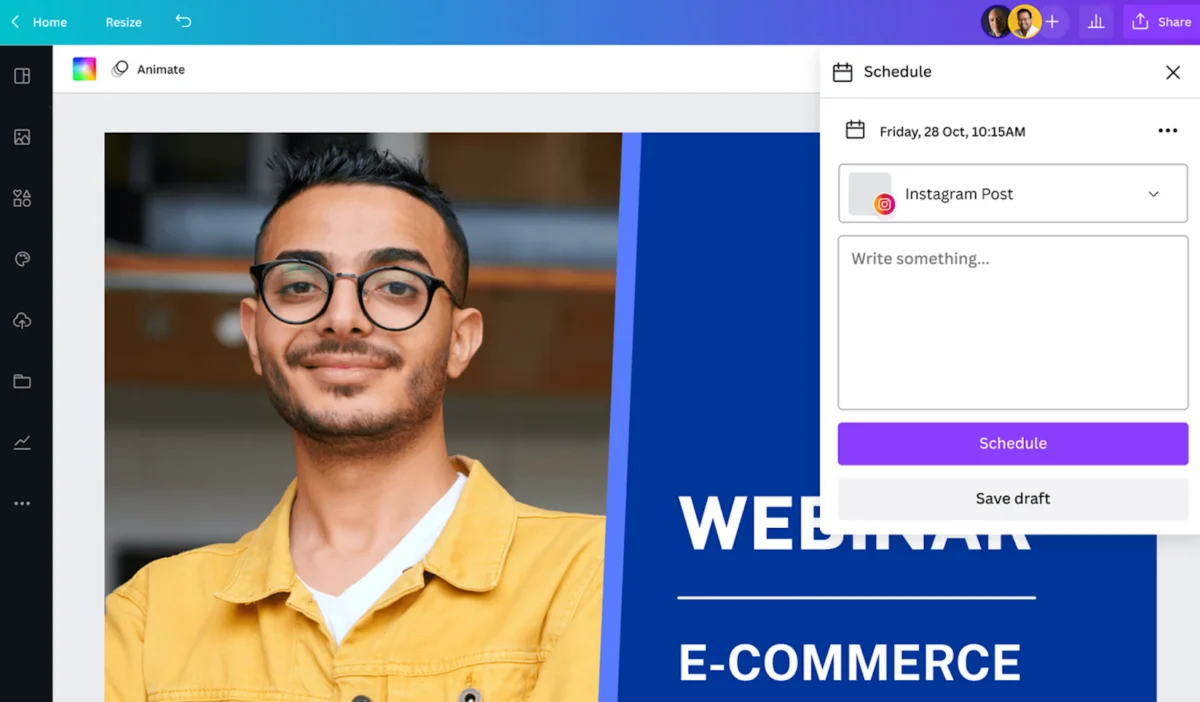
In the hyper-accelerated digital landscape of 2026, the demand for consistent, high-quality social media presence has evolved from a competitive advantage into a baseline requirement. For marketing teams, small business owners, and solo creators alike, the "always-on" nature of social platforms presents a significant logistical hurdle: how to maintain a vibrant, active presence without succumbing to burnout or sacrificing creative strategy to the relentless clock of real-time posting.

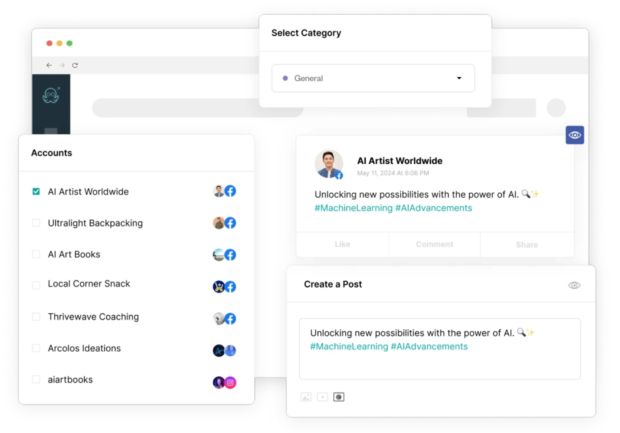
The solution, adopted by virtually every major brand globally, is the implementation of specialized social media scheduling software. These platforms have moved beyond simple "set it and forget it" automation, evolving into sophisticated command centers that facilitate collaboration, visual planning, data-driven optimization, and multi-channel synchronization.

The Evolution of Content Management: Why Scheduling Matters
At its core, a social media scheduling tool is a strategic middleware that connects a brand’s creative output with its audience’s consumption habits. By decoupling the creation of content from the act of publishing, marketers regain the ability to view their strategy holistically rather than tactically.
The shift toward automation is driven by three primary factors:
- Consistency: Algorithmic favorability on platforms like Instagram, LinkedIn, and TikTok is heavily weighted toward accounts that maintain a regular, predictable posting cadence.
- Resource Efficiency: By "batching" content creation—designing, writing, and editing a week’s worth of posts in a single session—teams can reduce context-switching costs, which are known to decimate creative productivity.
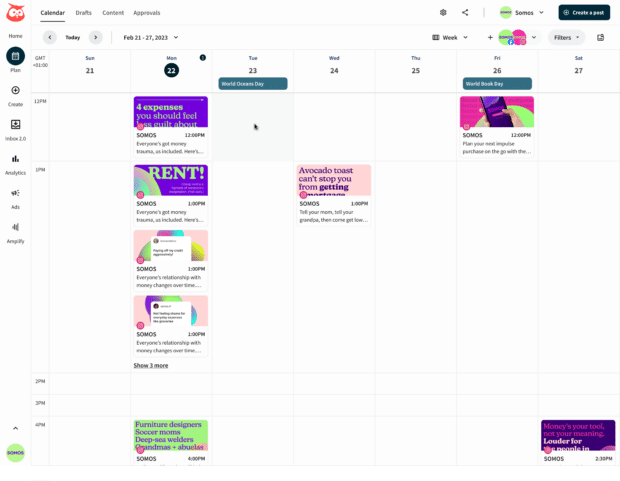
- Strategic Alignment: Advanced schedulers allow for the mapping of content against broader business goals, such as product launches, seasonal campaigns, or holiday sales, ensuring that social messaging is never out of sync with company objectives.
A Chronology of the Scheduling Revolution
The trajectory of these tools reflects the broader maturation of the social web. In the early 2010s, scheduling was a manual, often fragmented process characterized by "hacks" and limited native tools. As social networks transitioned from personal communication hubs to professional marketing environments, the API (Application Programming Interface) ecosystems of Facebook, X (Twitter), and later Instagram and TikTok, opened up.
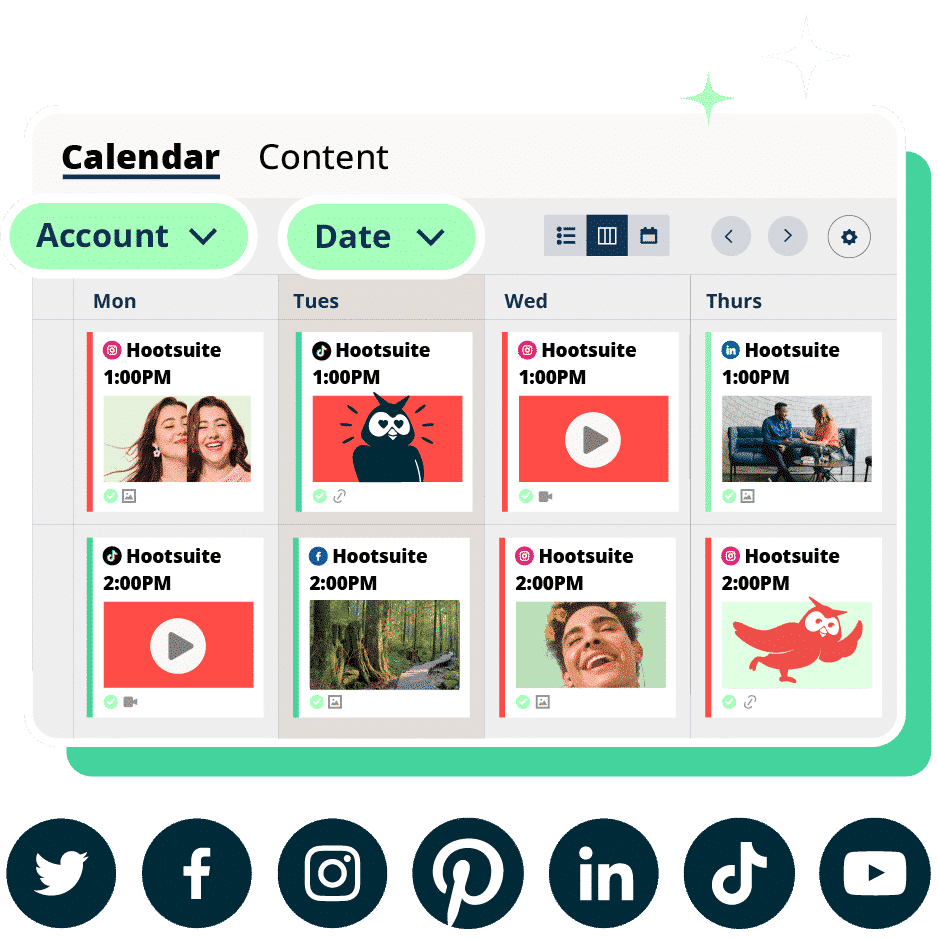
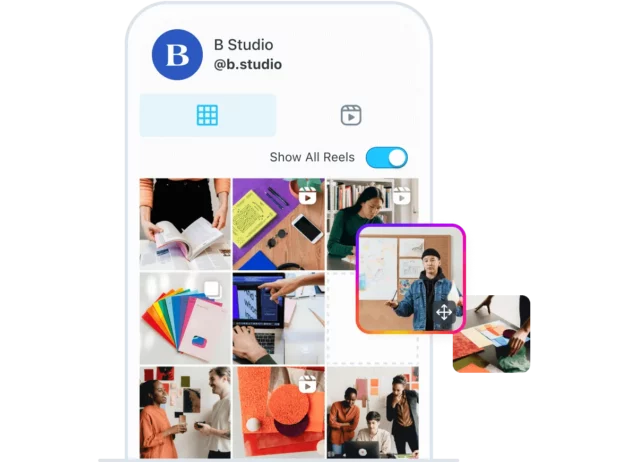
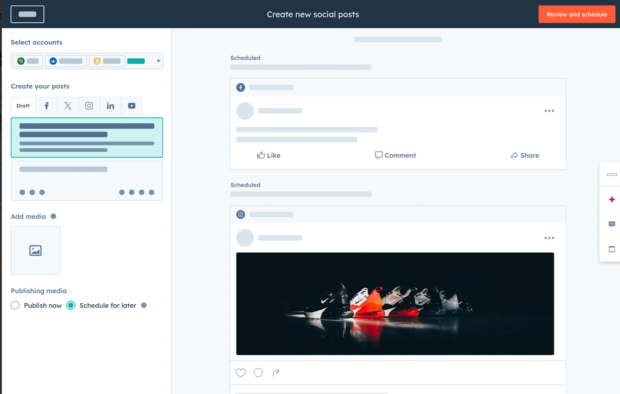
This led to the "Dashboard Era," where companies like Hootsuite and Buffer consolidated multiple streams into single panes of glass. By 2020, the focus shifted to visual aesthetics, giving rise to tools like Later, which emphasized the importance of the "grid" as a digital storefront. Today, in 2026, we are in the "Intelligence Era," where scheduling tools are integrated with AI-driven analytics, CRM data, and sophisticated automation workflows (as seen in platforms like HubSpot and Airtable), moving from simple publishing to comprehensive lifecycle management.
Comparative Landscape: Tools of the Trade
Choosing the right tool depends heavily on the scale of the organization and the specific nature of the content being produced.
The All-in-One Powerhouses
- Hootsuite: As the industry standard for large teams and enterprises, Hootsuite offers a robust environment for cross-platform management. It excels in complex environments where multiple stakeholders require different permission levels, approval workflows, and deep-dive analytics to justify ROI to executive leadership.
- HubSpot: For organizations deeply embedded in CRM-driven marketing, HubSpot offers an unparalleled advantage. By tying social activity directly to lead generation and customer data, it allows teams to see which specific posts drive bottom-line revenue.
Visual and Creative-Centric Platforms
- Later: Remains the gold standard for visual-first brands. Its drag-and-drop grid planner is essential for Instagram-dominant strategies where the aesthetic cohesion of the feed is as important as the individual post performance.
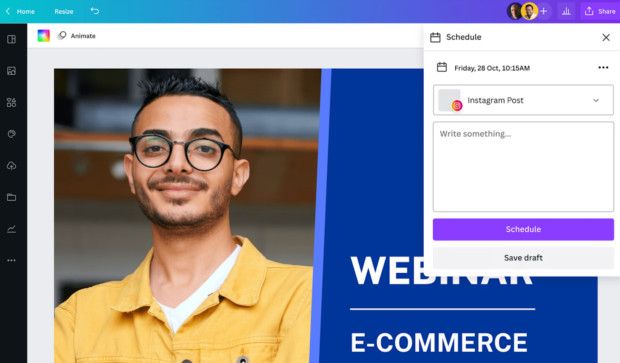
- Canva: By merging the design process with the publishing workflow, Canva has become the go-to for lean, design-led teams. It eliminates the friction of downloading, uploading, and switching between design software and social dashboards.
Niche and Efficiency-Focused Tools
- Buffer: Often cited for its "no-frills" approach, Buffer remains the top choice for small businesses and individuals who value UI simplicity and rapid deployment over complex enterprise features.
- MeetEdgar: A pioneer in the "evergreen" space, this tool is indispensable for users who want to maximize the lifespan of their content by automatically recycling high-performing posts, ensuring the feed never goes dark.
- Tailwind: While it has expanded, its deep integration with Pinterest’s unique algorithm makes it a specialized asset for retailers and bloggers reliant on visual discovery.
Implications for Modern Marketing Teams
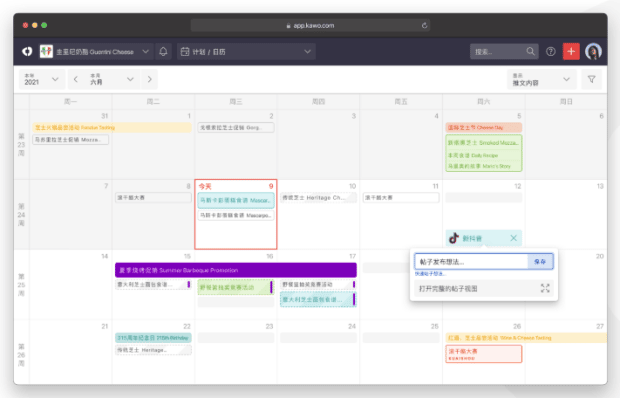
The move toward integrated scheduling has profound implications for how marketing departments are structured. No longer is the "social media manager" a siloed role; with modern scheduling tools, content can be reviewed by legal, approved by brand managers, and scheduled by regional teams, all within a single interface.
However, this efficiency comes with a warning: the danger of "automating the humanity out of social media." The most successful brands in 2026 use these tools to automate the delivery of content, not the conversation. The best-in-class workflows reserve time for community management—interacting with comments, responding to DMs, and engaging with trending topics—tasks that cannot and should not be fully automated.
Supporting Data: The ROI of Efficiency
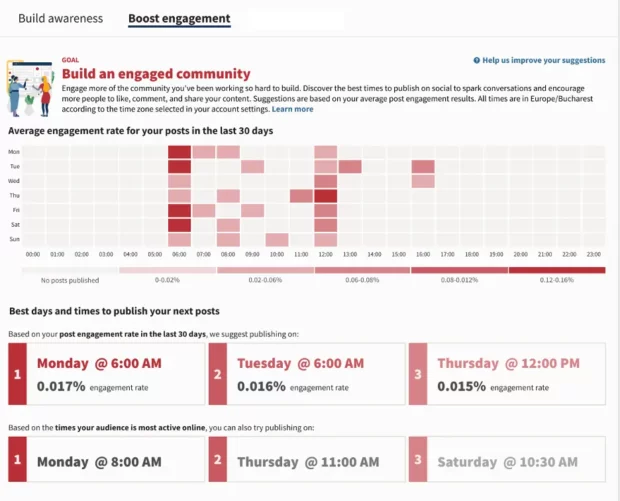
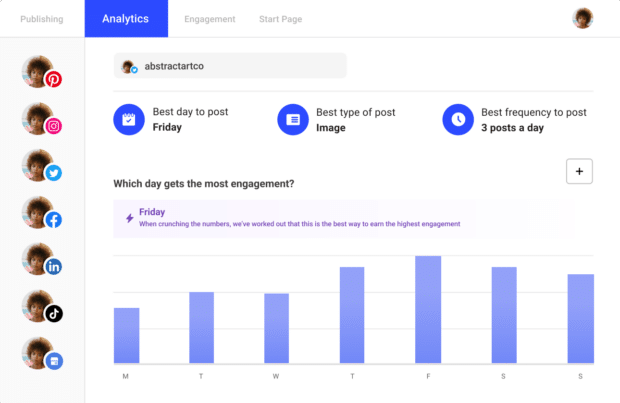
Research from the current fiscal year indicates that teams using centralized scheduling platforms save an average of 8–12 hours per week per employee on administrative tasks. When translated into labor costs, this represents a significant increase in the "creative ROI" of a marketing department. Furthermore, brands that utilize "best-time-to-post" features—now standard in high-end scheduling tools—report an average engagement uplift of 15% to 22% compared to manual, ad-hoc posting.
Official Perspectives and Expert Consensus
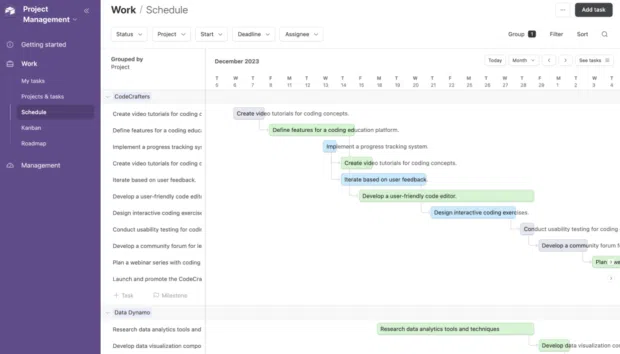
Industry experts agree that the selection of a tool should be based on the "integration threshold." If a tool cannot speak to your existing tech stack (such as your CRM or project management software like Airtable), its utility as a central hub is diminished.

"The best scheduling tool isn’t the one with the most features; it’s the one that fits seamlessly into the existing rhythm of the content team," says one leading digital marketing strategist. "If the tool creates more administrative work than it solves, it is an obstacle, not an asset."
Governance and Future-Proofing
For larger enterprises, the primary concern is no longer just "can we post?" but "are we compliant?" Audit trails, password-less login integrations, and role-based permissions are now the most requested features by CMOs. As social media platforms become increasingly litigious and data-sensitive, using a professional-grade scheduling tool acts as a security layer, ensuring that brand accounts remain secure and that all outgoing communications are vetted according to corporate governance standards.
Final Summary: Choosing Your Path
As you evaluate your options for the remainder of 2026 and beyond, consider the following decision matrix:
- For the Enterprise: Look for Hootsuite or similar platforms that prioritize security, deep analytics, and multi-user collaboration.
- For the Visual Creator: Prioritize Later or Tailwind for their grid-planning and aesthetic-optimization capabilities.
- For the CRM-Driven Marketer: HubSpot is the logical choice to ensure every tweet and post is tied to a conversion metric.
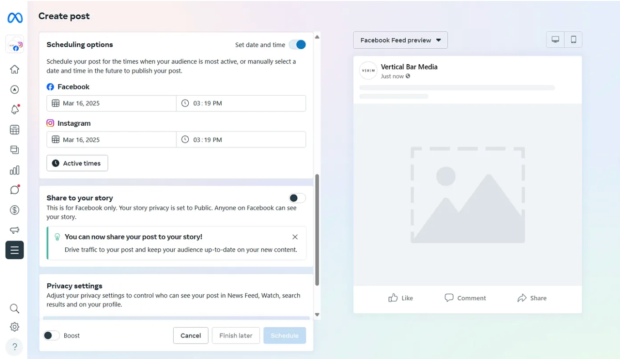
- For the Solo Entrepreneur: Buffer or Meta Business Suite (for free, native Meta management) provide the essential utility required to stay consistent without overhead.
The landscape of social media is permanent, but your presence within it shouldn’t be a daily struggle. By choosing the right scheduling infrastructure today, you aren’t just saving time—you are building a sustainable foundation for long-term digital growth.

 Neng Nana
 Nana Wu