Layla Zulfa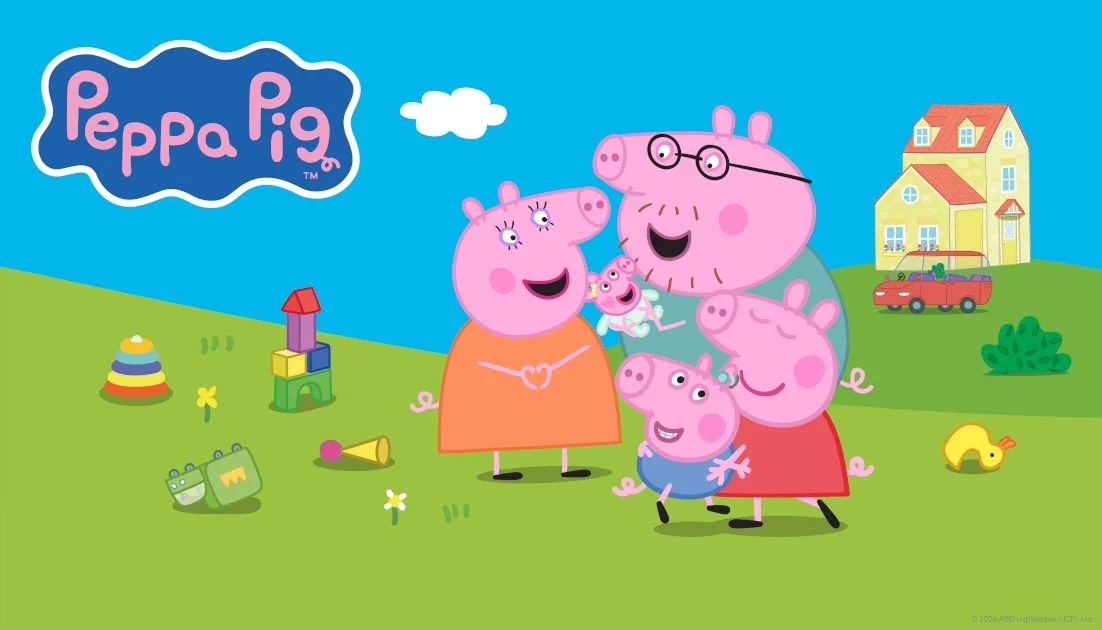
The rapid advancement of generative artificial intelligence has thrust the entertainment industry into a period of profound ethical recalibration. While major studios grapple with the legalities of using AI to replicate the likenesses and voices of established stars, a more vulnerable demographic has emerged at the center of the debate: child actors. Hasbro, the global toy and media conglomerate behind the juggernaut Peppa Pig, is currently at the heart of a burgeoning controversy regarding the practice of requesting child performers to sign over the rights to their voices for synthetic replication.
This practice—designed to maintain the "eternal" vocal quality of animated characters regardless of the natural aging process of their human voice actors—has ignited a firestorm of opposition. Industry advocates argue that these contracts represent a predatory overreach that could irreversibly impact the professional and personal futures of young performers.
The Genesis of the Conflict: Hasbro and the Peppa Pig Mandate
The controversy surfaced when reports emerged that Hasbro had included clauses in contracts for Peppa Pig voice actors that would allow the company to train AI models on the children’s vocal performances. The goal, ostensibly, is to ensure the character’s voice remains static and consistent over years of production. As a child ages, their vocal cords change, inevitably altering the pitch and timbre of their voice. For a brand like Peppa Pig, where the character must remain a perpetual toddler, studios view AI as a "cost-effective" solution to replace the need for recasting or re-recording.
However, critics view this as an attempt to commodify a child’s biological identity before they have reached the age of legal consent or professional maturity. By capturing a child’s voice and enshrining it in a digital model, studios are effectively creating an "immortal" synthetic asset that could be used in perpetuity, potentially denying future work to the very actor whose voice provided the blueprint for the AI.
Chronology of the Growing Backlash
The pushback against these clauses gained significant momentum in June 2026, when the Agents of Young Performers Association (AYPA) spearheaded an open letter that sent shockwaves through Hollywood.
- Early 2026: Industry insiders begin noting a trend in "digital rights" clauses appearing in contracts for young actors in animated projects.
- June 2026: The AYPA publishes an open letter signed by over 1,000 industry professionals, including agents, actors, and legal experts. While the letter did not explicitly name Hasbro, reports from Deadline confirmed that the catalyst for the document was the specific contractual language used by the company for Peppa Pig.
- Late June 2026: The letter gains mainstream traction, drawing comparisons to broader labor disputes in the entertainment industry regarding AI, such as the SAG-AFTRA strikes.
- July 2026: Hasbro issues a formal response, acknowledging the criticism and promising a "responsible and transparent" approach to the issue, though no concrete changes to existing contracts have been confirmed.
The Ethical Imperative: Why Children Are Different
The AYPA’s open letter serves as a manifesto for the protection of minors in the digital age. The core argument rests on the inability of a child to consent to the long-term, potentially life-altering implications of surrendering their vocal identity.
"Any agreement involving a child’s voice should be fully exempt from all AI usage," the letter asserts. "No child should have their future professional identity shaped by an AI model created before they were old enough to understand its consequences. Their voice should not become a permanent commercial asset before they have the legal and personal capacity to decide for themselves."
The ethical concern is twofold. First, there is the issue of agency. Often, these contracts are negotiated by parents or guardians. While parents are legally entitled to sign contracts on behalf of their children, the permanent nature of AI data-mining creates a "digital inheritance" issue. A child may reach adulthood only to find that their vocal identity is owned by a corporation that can use it to compete against their own future professional endeavors.
Second, there is the risk of "identity dilution." If a child’s voice is used to train a model that powers an infinite number of sequels, spin-offs, and interactive products, the child is essentially "replaced" by a synthetic version of themselves. This creates a scenario where the actor is incentivized to train their own replacement, a practice that many in the labor movement consider a direct violation of the sanctity of the human performance.
Historical Context: The Vulnerability of Young Performers
The current outcry against Hasbro does not exist in a vacuum. It follows a decade of intense public scrutiny regarding the treatment of child stars. The entertainment industry has long been criticized for its "disposable" approach to youth talent.

The 2024 documentary series Quiet on Set: The Dark Side of Kids TV exposed the systemic abuse and lack of protections for child actors on sets run by individuals like Dan Schneider. Similarly, Jennette McCurdy’s memoir, I’m Glad My Mom Died, provided a harrowing account of the psychological pressure placed on children to satisfy the demands of the industry and their own guardians.
While the current controversy regarding AI voice rights is a digital concern rather than a direct physical or psychological one, it is being framed as an extension of this history. Critics argue that the industry has a habit of prioritizing profit over the long-term well-being of young performers. By stripping them of their unique vocal rights, corporations are once again prioritizing "efficiency" over the agency of the child.
Official Responses and Corporate Strategy
In response to the growing pressure, Hasbro issued a statement that walked a fine line between corporate defensiveness and conciliatory public relations.
"The protection of child performers is core to who Hasbro is, it’s part of our DNA," the statement read. "As industry standards around AI continue to evolve, we are committed to engaging with this issue in a responsible and transparent manner."
Industry analysts note that this is a classic "wait and see" corporate strategy. By acknowledging the letter without committing to a specific change in policy, Hasbro keeps its options open while attempting to de-escalate the PR crisis. However, the lack of firm commitments has done little to satisfy the AYPA or the signatories of the open letter, who are calling for a universal ban on AI clauses for minors, regardless of the technology’s "evolving standards."
Long-Term Implications for the Industry
The outcome of the Peppa Pig dispute will likely set a precedent for the rest of the industry. If Hasbro is forced to walk back these clauses, it could signal a major victory for labor rights in the digital era. Conversely, if these clauses become standard, it could fundamentally alter the career trajectory for thousands of young actors.
The implications extend to:
- Contract Law: Legal experts are beginning to question whether a parent can legally sign away a child’s "right to publicity" in the form of AI training data. There is a strong possibility that this will lead to new legislation requiring specific, separate agreements for AI usage that cannot be bundled into standard performance contracts.
- Labor Unions: SAG-AFTRA and other guilds will likely be forced to treat "AI voice rights" as a non-negotiable item in future bargaining sessions. The protection of a performer’s "digital twin" or "vocal clone" has become a central tenet of modern union strategy.
- Creative Quality: Some argue that relying on AI voices will eventually lead to a degradation in the quality of animation. Critics point out that child actors bring a spontaneity and emotional nuance to their performances that synthetic models—which are designed for consistency—often lack.
Conclusion: A Turning Point for Digital Labor
The battle over the Peppa Pig voice actors is a microcosm of the larger war being fought over the soul of creative work in the age of AI. It asks a fundamental question: Who owns the essence of a person? When that person is a child, the question takes on a moral weight that corporations can no longer afford to ignore.
As the industry stands at this crossroads, the pressure from advocates and the public is mounting. The expectation is that the entertainment sector must move toward a model of "human-first" production, where technology is used to assist, not replace, the fundamental identity of the performer. Whether Hasbro chooses to lead this shift or resist it until forced by regulation remains to be seen. However, one thing is certain: the era of signing away one’s digital identity without question has come to an end. The voice of the next generation of actors is demanding to be heard—and, more importantly, to be owned by those to whom it belongs.

 Siti Muinah
 Azzam Bilal Chamdy