Dwi Wanna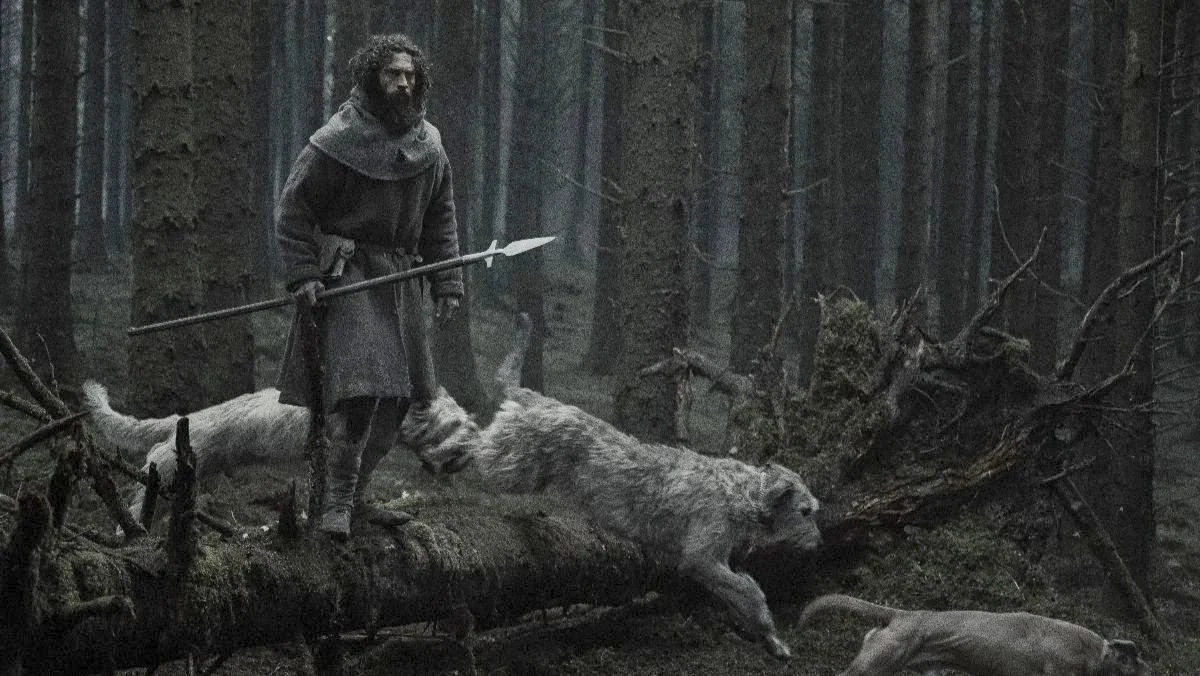
Main Facts: A Return to the Gothic Abyss
Robert Eggers, the visionary director behind The Witch, The Lighthouse, and the critically acclaimed Nosferatu, is set to redefine the werewolf genre. His latest project, Werwulf, produced by Focus Features, is officially scheduled to stalk theaters on Christmas Day 2026. While holiday blockbusters are typically dominated by family-friendly spectacles or high-concept sci-fi, Eggers is taking a bold, counter-programming approach, inviting audiences to trade the warmth of the hearth for the freezing, fog-drenched landscape of 13th-century England.
The film has already begun to generate significant industry buzz following a teaser presentation at CinemaCon. Attendees were treated to a glimpse of what Eggers describes as a visceral, grounded approach to the werewolf mythos. By stripping away the modern CGI-heavy tropes often associated with lycanthropy, Eggers appears to be pivoting toward the raw, folkloric roots of the monster—a creature not born of a bite, but perhaps something far more primal and inescapable.
Chronology: From Concept to CinemaCon
The journey of Werwulf has been one of quiet, methodical development. Rumors of an Eggers-led creature feature began circulating shortly after the completion of his Nosferatu production cycle.
- Late 2025: Pre-production begins in the United Kingdom, with a focus on sourcing authentic, historical locations that mirror the harshness of the 13th-century landscape.
- January 2026: Casting announcements solidify an ensemble cast that signals Eggers’ intent to marry character-driven drama with genre horror.
- April 2026: Focus Features unveils the first official look at the film during CinemaCon. The imagery, characterized by high-contrast lighting and oppressive natural environments, confirmed that the film would lean into the gothic aesthetic that has become an Eggers trademark.
- April 15, 2026: Initial promotional materials are released to the public, coinciding with the announcement of the December 25, 2026, release date.
- December 25, 2026: The projected wide-release date, marking the culmination of what industry insiders are calling the most anticipated horror event of the decade.
Supporting Data: The Anatomy of the Beast
The narrative of Werwulf is anchored by a stellar cast, many of whom have become staples of the "Eggers Cinematic Universe." Aaron Taylor-Johnson, who has previously demonstrated an ability to command the screen with both vulnerability and intensity, takes on the lead role. His transformation, as hinted at in the initial footage, is described as both physically grueling and psychologically harrowing.
Joining Taylor-Johnson are Willem Dafoe—a longtime Eggers collaborator known for his chameleon-like performances—and Lily-Rose Depp. The ensemble is designed to ground the film’s supernatural elements in human stakes.
The aesthetic of the film, as seen in the early promotional stills, relies heavily on natural light and practical effects. Eggers has historically rejected the "all-CGI" approach, preferring to work with period-accurate costumes and on-location shooting. The 13th-century setting provides a unique canvas: a time of superstition, where the line between religious zealotry and the supernatural was razor-thin. The "disfigured bodies and blood" teased in the early footage suggest that Eggers is not holding back on the visceral, visceral gore that defined his early work, ensuring that Werwulf will likely carry an R-rating.
Official Responses and Creative Vision
Robert Eggers has remained notoriously tight-lipped regarding the specific plot mechanics of the film, but his creative philosophy is well-documented. In recent press interactions, Eggers has emphasized the "folklore reality" of the film.
"We are not interested in the modern ‘teenager turns into a wolf’ narrative," Eggers noted during a brief Q&A session at CinemaCon. "We are looking at the 13th century, where the wolf was not just an animal, but a manifestation of societal collapse, plague, and divine punishment. The fear isn’t just the monster; it’s the environment that allows the monster to exist."
Focus Features, the studio backing the project, has expressed immense confidence in the director’s vision. Executives have highlighted the film as a "prestige horror" offering, intended to attract an audience that appreciates the slow-burn dread of films like The Witch while also catering to those who enjoy the visceral intensity of classic monster movies. The studio’s decision to slot the film for Christmas Day is a calculated risk—one that positions the movie as a definitive "must-see" event for mature audiences seeking an alternative to traditional holiday fare.
Implications: The Future of Folk Horror
The release of Werwulf carries significant implications for the horror genre at large. For several years, horror has been trending toward high-concept, psychological, and socially conscious themes. While Werwulf clearly fits the bill of "prestige" cinema, it also represents a return to the "creature feature"—a subgenre that has often been relegated to B-movie status in recent decades.
By injecting a creature feature with the narrative weight and aesthetic rigor of Robert Eggers, the film could spark a renaissance for monster-centric horror. If Werwulf succeeds commercially and critically, it will likely pave the way for other directors to return to classic monsters, provided they are willing to treat the source material with the same level of historical and artistic seriousness.
Furthermore, the film’s release date is a testament to the changing habits of the modern moviegoer. The "holiday horror" niche has grown significantly, with films like Krampus and Black Christmas (in their various iterations) carving out a space for dread during a season of cheer. Werwulf aims to take this trend to its logical extreme, proving that horror fans are just as hungry for quality content in December as they are in October.
Anticipation and What Lies Ahead
As the release date approaches, the industry is waiting with bated breath for the first full-length trailer. The snippets seen at CinemaCon—the burning house, the wandering family, the transformation sequences—have already set a high bar for cinematography and practical effects.
The question remains: will Werwulf be the film that finally brings the werewolf subgenre back into the mainstream spotlight, or will it be a divisive experiment that only appeals to the hardcore horror faithful? Given Eggers’ track record of meticulous craftsmanship and his refusal to cater to blockbuster tropes, it is highly probable that Werwulf will be a transformative entry in his filmography.
For now, audiences are left with the lingering image of the misty, 13th-century countryside and the haunting, whispered promise: "Do not dread the darkness; embrace it." As Christmas 2026 approaches, it seems that the darkness is exactly what audiences will be embracing. With the anticipation building, the coming months will likely reveal more about the specific historical inspirations behind the film and perhaps a closer look at the creature itself. Whether you are a fan of Eggers’ specific brand of period horror or simply a lover of folklore, Werwulf stands as the definitive cinematic event to watch as we head toward the end of the year.
In an industry often obsessed with sequels and intellectual property, a director of Eggers’ caliber taking on the werewolf myth is a rare gift—albeit one wrapped in blood and shadow. Prepare for a winter of discontent, for the beast is coming.

 Siti Muinah
 Azzam Bilal Chamdy