Nana Wu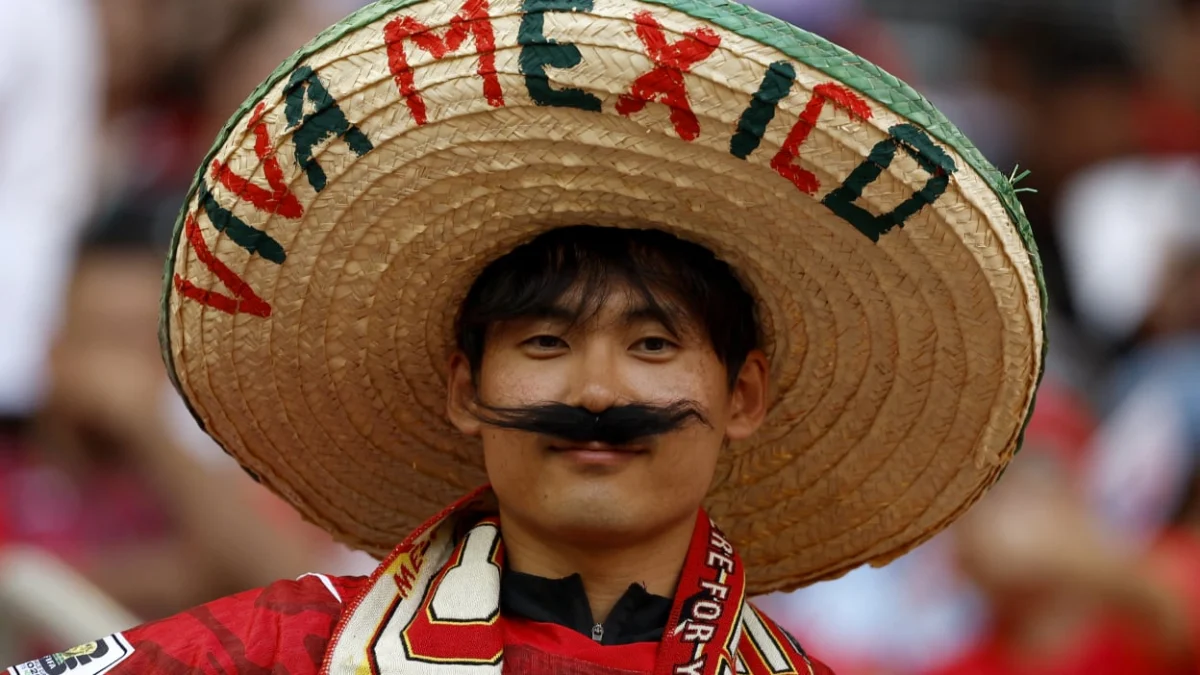
By Crystal Bell
June 18, 2026
If the FIFA World Cup were a romantic comedy, Mexico and South Korea would currently be starring in the most heartwarming "strangers-to-lovers" arc in sporting history. As the two nations prepare to clash in a high-stakes Group A matchup this evening, the atmosphere in the host cities is remarkably devoid of the typical, teeth-gritting hostility that defines major international tournaments. Instead, the streets are filled with an outpouring of genuine affection, proving that in an increasingly divided world, the beautiful game—and a shared appreciation for global pop culture—can bridge the thousands of miles between Mexico City and Seoul.
The Origins of a Modern Bromance
To understand the current fervor, one must look back eight years to the 2018 World Cup in Russia. At the time, Mexico’s hopes of advancing to the knockout stages hung by a thread. In a dramatic turn of events, South Korea pulled off a stunning 2-0 upset against defending champions Germany. That result, while historic for South Korea, effectively cleared the path for Mexico to advance.
The reaction in Mexico was instantaneous and euphoric. Thousands of Mexican fans gathered outside the South Korean embassy in Mexico City, chanting in gratitude and hoisting South Korean fans onto their shoulders. It was a moment of cross-cultural solidarity that transcended language barriers, with local businesses even offering free drinks to anyone carrying a South Korean flag. That day, the unofficial slogan was born: "Coreano, hermano, ya eres Mexicano" (Korean brother, you are already Mexican).
What began as a fleeting moment of sports gratitude has, over the course of nearly a decade, blossomed into a full-scale cultural exchange.
Chronology of a Unique Connection
The seeds of this friendship were sown in 2018, but they were watered by the rise of the digital age and the global explosion of South Korean media.
- June 2018: The "Germany Miracle." South Korea’s defeat of the Germans saves Mexico’s tournament run. The resulting public celebrations in Mexico City set the precedent for the bond.
- 2020–2024: The "Hallyu" wave intensifies. Mexico becomes one of the top consumers of K-pop and K-drama content outside of Asia. The shared appreciation for high-production music and emotive storytelling finds a massive audience in Mexico, cementing the cultural bridge.
- June 2026: The World Cup returns to North America. As fans from Seoul arrive in Guadalajara and Mexico City, they aren’t met with the cold shoulder of a rival, but with an open-armed reception.
- June 18, 2026: The highly anticipated Group A match. The pre-game festivities have already seen fans trading jerseys, singing "Gangnam Style" in the streets of Guadalajara, and sharing tequila and Soju in equal measure.
Supporting Data: Beyond the Pitch
The depth of this relationship is not merely anecdotal; it is backed by cold, hard data. According to Spotify’s 2025 streaming reports, Mexico ranked fifth globally for K-pop consumption. This isn’t just about passive listening; it reflects a demographic shift where Mexican youth have integrated Korean aesthetics, fashion, and culinary habits into their daily lives.
When the South Korean national team landed in Guadalajara earlier this month, they were greeted by hundreds of fans who knew the players not just as athletes, but as pop culture icons. This phenomenon is a testament to the "soft power" of Korean media, which has made the prospect of visiting Mexico feel, for many Koreans, like visiting a cousin rather than a foreign land.

Official Responses and Diplomatic Undertones
Diplomats and sports officials have been quick to praise the bond. "It is rare to see this level of sportsmanship in the modern era," said an official from the local organizing committee. "While the competition is fierce, there is an underlying current of respect that is truly heartening."
Even the players have felt the shift. During pre-match press conferences, members of both squads were asked about the "friendliest rivalry." South Korean team captain Son Heung-min noted, "We are aware of the history between the fans. It gives the match a different energy—not of hate, but of mutual challenge."
Conversely, the Mexican camp has embraced the narrative. Mexican head coach Enrique Rivera remarked, "We want to win, and they want to win. But the fact that our fans are sharing stories and culture makes this a celebration of football. It reminds us why we play."
The Implication of the "Friendly Rivalry"
Critics of this "bromance" might argue that such public displays of affection undermine the competitive integrity of the tournament. However, supporters argue the exact opposite. They believe that by removing the vitriol from the stands, the focus shifts to the tactical prowess of the players on the pitch.
There is also the matter of the "ideal result." In a world of win-or-die, many fans have openly confessed to hoping for a draw. While such a result would be statistically convenient for both teams to advance, it also serves as a symbolic gesture—a way for both nations to "share" the points, acknowledging that neither side truly deserves to lose a game played in such high spirits.
The 90-Minute Reality Check
Despite the camaraderie, the reality of professional football remains. Tonight, at 8:00 PM local time, the whistle will blow, and for 90 minutes, the friendship will be relegated to the sidelines.
The match itself is expected to be a tactical masterclass. Mexico’s fluid attacking style will be tested by South Korea’s disciplined counter-attacking defense. The stakes are high—a win here likely secures a top spot in the group, avoiding a tougher draw in the Round of 16.
Yet, even with the pressure of the World Cup looming, the fans seem prepared to accept any outcome. As one fan from Monterrey told reporters, "Whoever wins tonight, they are taking the other team out for dinner. That is the Mexican-Korean way."

The Legacy of 2026
Regardless of the score, the legacy of the 2026 Mexico-South Korea match will be one of unity. It has provided a template for how international sporting events can serve as catalysts for cross-cultural understanding rather than tribalism. In an era where digital discourse is often defined by polarization and toxicity, the Mexico-South Korea fan alliance stands as a rare beacon of what happens when communities choose to connect over their differences.
As the stadium lights dim and the anthems prepare to play, one thing is certain: the world is watching. And for the first time in history, the audience isn’t just waiting for a goal; they are waiting to see if two of the world’s most passionate cultures can prove that you don’t have to be enemies to be competitors.
"Whoever wins, that’s my team," a fan told NPR yesterday. It is a sentiment that encapsulates the spirit of this tournament. In the grand tapestry of the FIFA World Cup, the match between Mexico and South Korea will be remembered not for a controversial call or a last-minute goal, but for the moment when football became a bridge, and two nations decided to be brothers.
Looking Ahead
As the match progresses, cameras will undoubtedly pan to the stands to capture the sea of green and red jerseys mingling with the sleek, modern kits of the South Korean team. They will capture fans sharing cheers, dancing, and perhaps even weeping—not in defeat, but in the beauty of the occasion.
Whatever the final score, the "friendliest rivalry" has already achieved something far greater than a trophy. It has demonstrated that the spirit of the game is best played when the heart is open, the culture is shared, and the brotherhood is undeniable.
The match is on, the whistle is ready, and for once, we can all agree that the real winner is the beautiful game itself.

 Neng Nana