Sagoh
Sagoh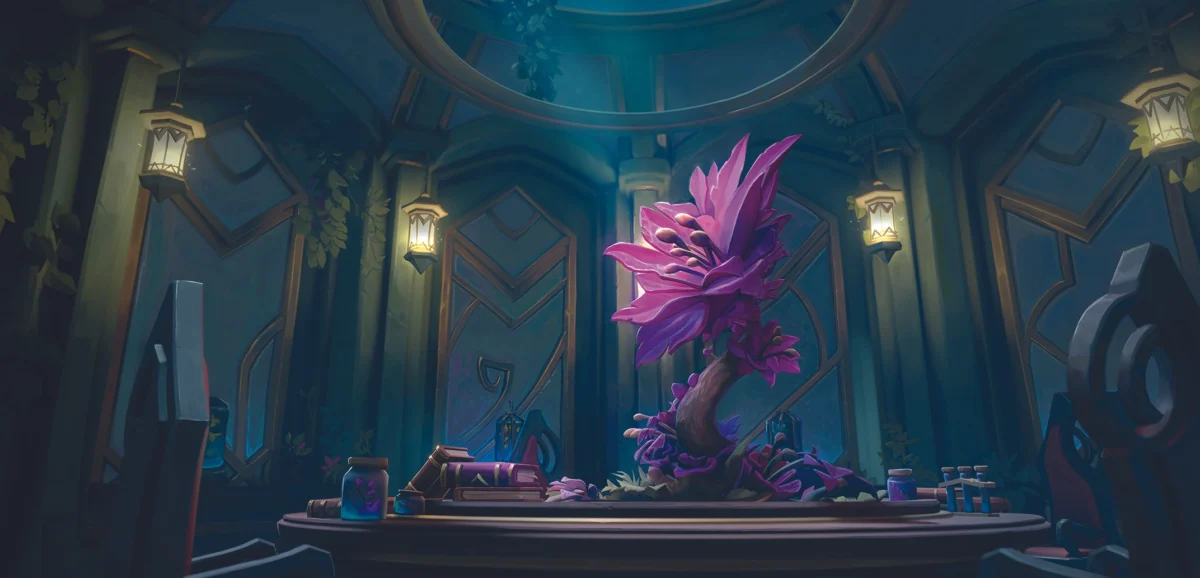
In the competitive, rapidly evolving landscape of digital entertainment, few artists manage to bridge the gap between technical proficiency and emotional storytelling as effectively as Nuremberg-based concept artist Niko Gesell. Known for his work with industry titans like Blizzard Entertainment and Deep Silver, Gesell has carved out a niche for himself by creating imagery that feels not just rendered, but lived-in. His portfolio, which ranges from sprawling, atmospheric environments to intimate architectural studies, serves as a masterclass in modern digital artistry.
As the industry grapples with the transformative and often disruptive influence of artificial intelligence, artists like Gesell are finding that the key to longevity lies in the very thing algorithms struggle to replicate: a distinct, human-centric voice. We sat down with Gesell to dissect his workflow, his philosophical approach to the craft, and his recent pivot toward the cinematic world.
The Foundation: Building a Career on Authenticity
Niko Gesell’s professional trajectory has been defined by a commitment to "authentic, immersive, and visually striking" work. For Gesell, concept art is not merely about creating assets for a game engine; it is about selling a mood, a history, and a lived experience.
His technical toolkit reflects this pursuit of depth. By utilizing sophisticated software like Rebelle 8 Pro—renowned for its realistic natural media simulation—and the versatile 3D powerhouse Blender, Gesell manages to blur the lines between traditional painting and modern CGI. This hybrid workflow allows him to manipulate light, texture, and composition with a level of precision that makes his environments feel tangible.
Chronology of a Vision: From Games to Film
While Gesell’s reputation was built on his contributions to major video game titles, his career is currently undergoing a significant evolution.
The Gaming Era
In his early years, Gesell’s work was heavily focused on the utilitarian side of concept art: building tile sets and environment assets that could be modularly assembled within a game world. These projects required a rigid adherence to technical constraints, forcing him to learn the importance of efficiency and structure.

The Cinematic Pivot
More recently, however, Gesell has shifted his focus toward the film industry. "A lot of the knowledge from games translates very well, but there are so many new things to learn and understand," he notes. The transition from interactive media to static, cinematic storytelling has allowed him to experiment with pacing and narrative framing in ways that game design rarely permits.
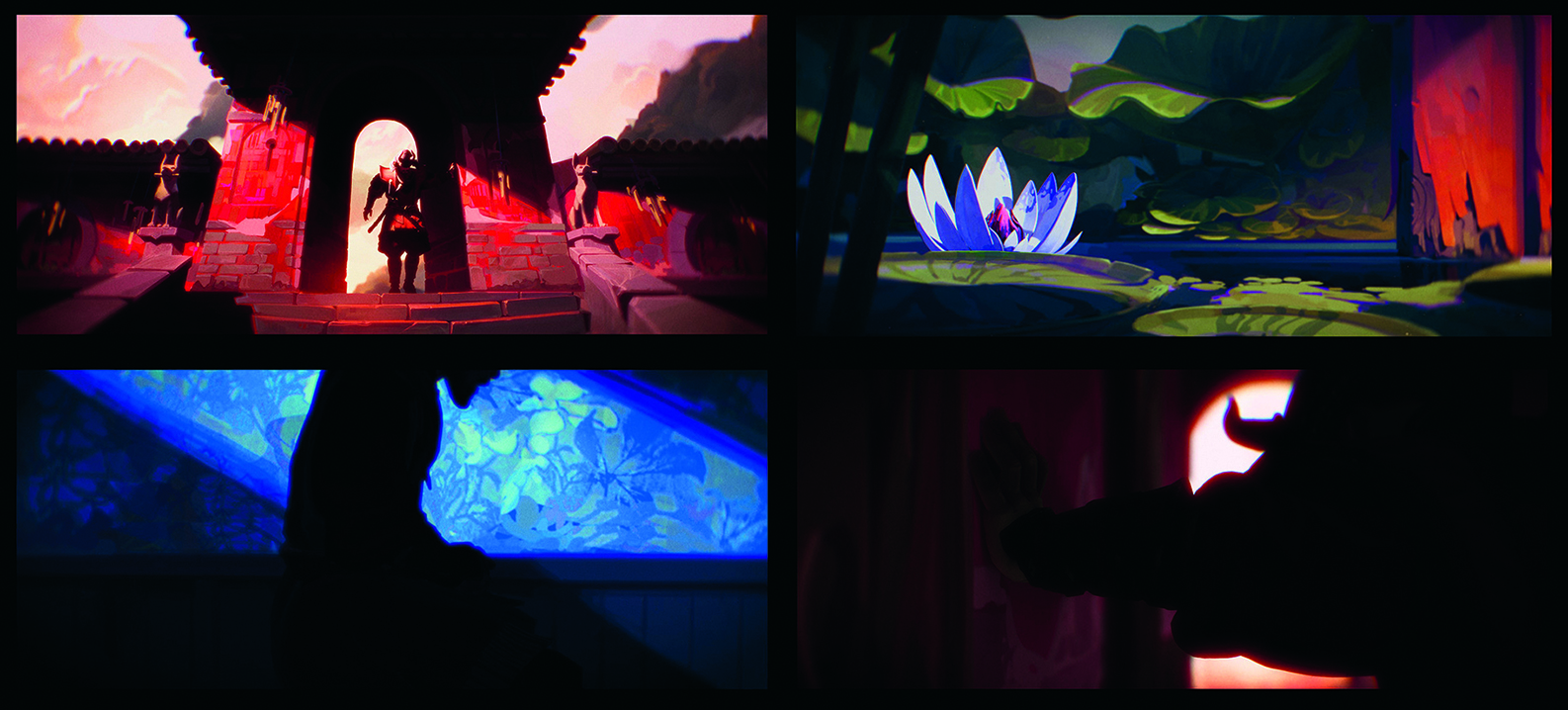
His most recent endeavor, the animated short film NOKORI, stands as a testament to this transition. Having taken on the role of director, Gesell has moved beyond the singular perspective of an artist to the comprehensive vision of a storyteller. The project, which is currently making the rounds at various film festivals, highlights his ability to weave atmosphere into a cohesive narrative structure.
Supporting Data: Behind the Masterpieces
To understand Gesell’s growth, one must look at his specific projects, which serve as milestones in his development as a visual communicator.
- Second Place: This piece marks his first foray into aerial-shot compositions. By focusing on two airplanes racing through clouds, Gesell moved away from "tile-set logic" and toward pure, emotive concept art. It is a piece designed for pre-production—to pitch an idea rather than build a level.
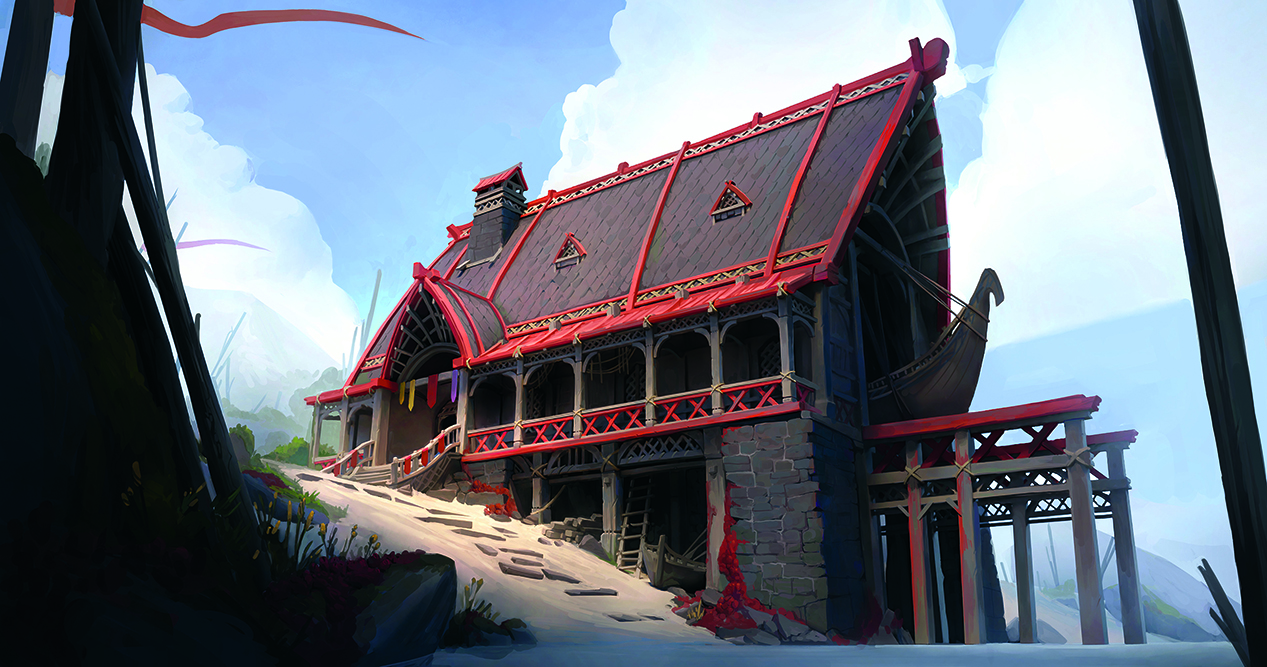
- The Driftwood Shipyard: Part of an expansive world-building project, this work explores the concept of "Driftwood Vikings." The narrative premise—a civilization that relies exclusively on items washed ashore due to limited resources—adds a layer of sociological depth to his design process.
- The Estate (The Orange House): Perhaps the most personal of his works, this piece is inspired by an actual house near Nuremberg. For Gesell, it represents a synthesis of his professional skill and his personal history. "My dad used to do a lot of renovation work on old buildings," he explains, noting that his appreciation for colorful, aged architecture is a direct result of his upbringing.
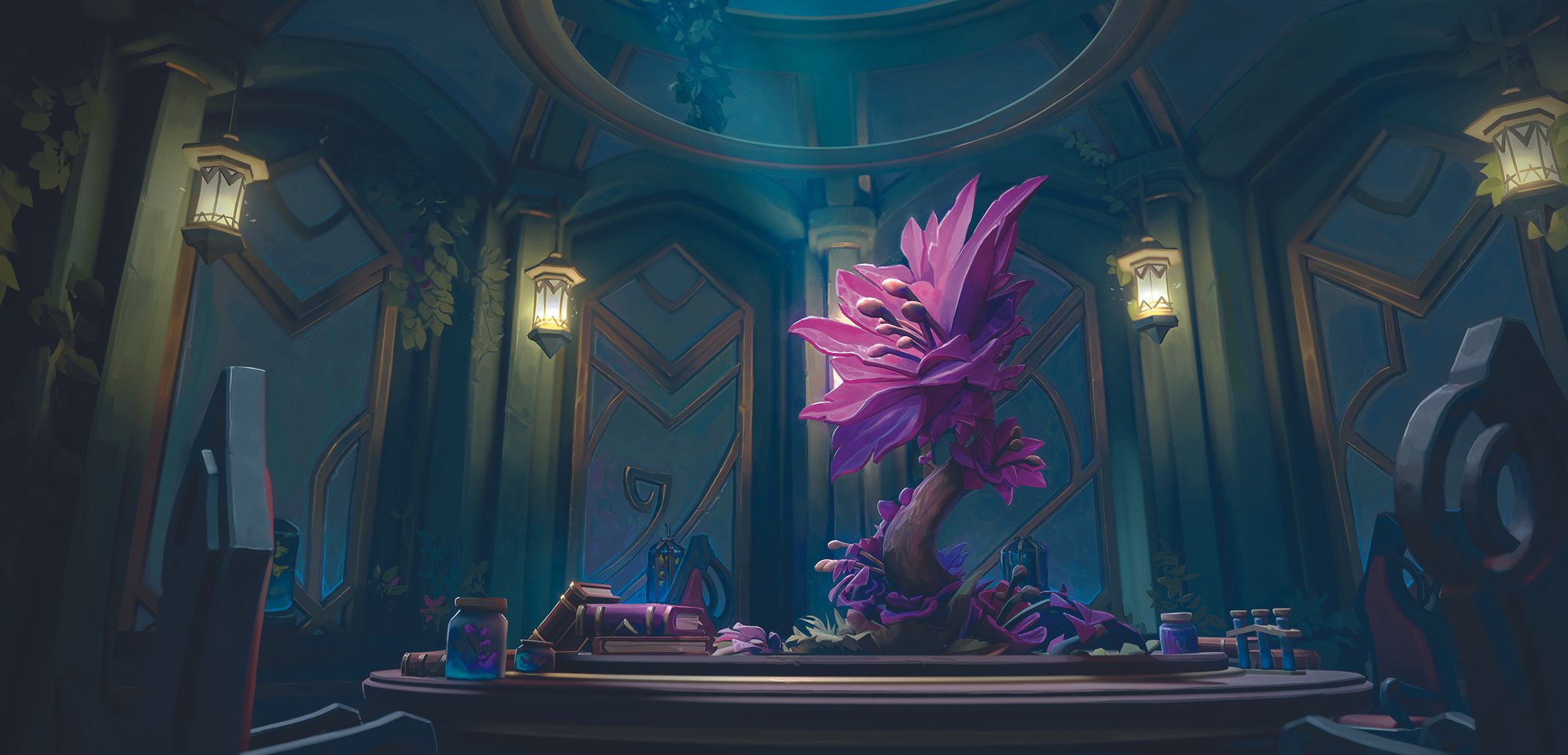
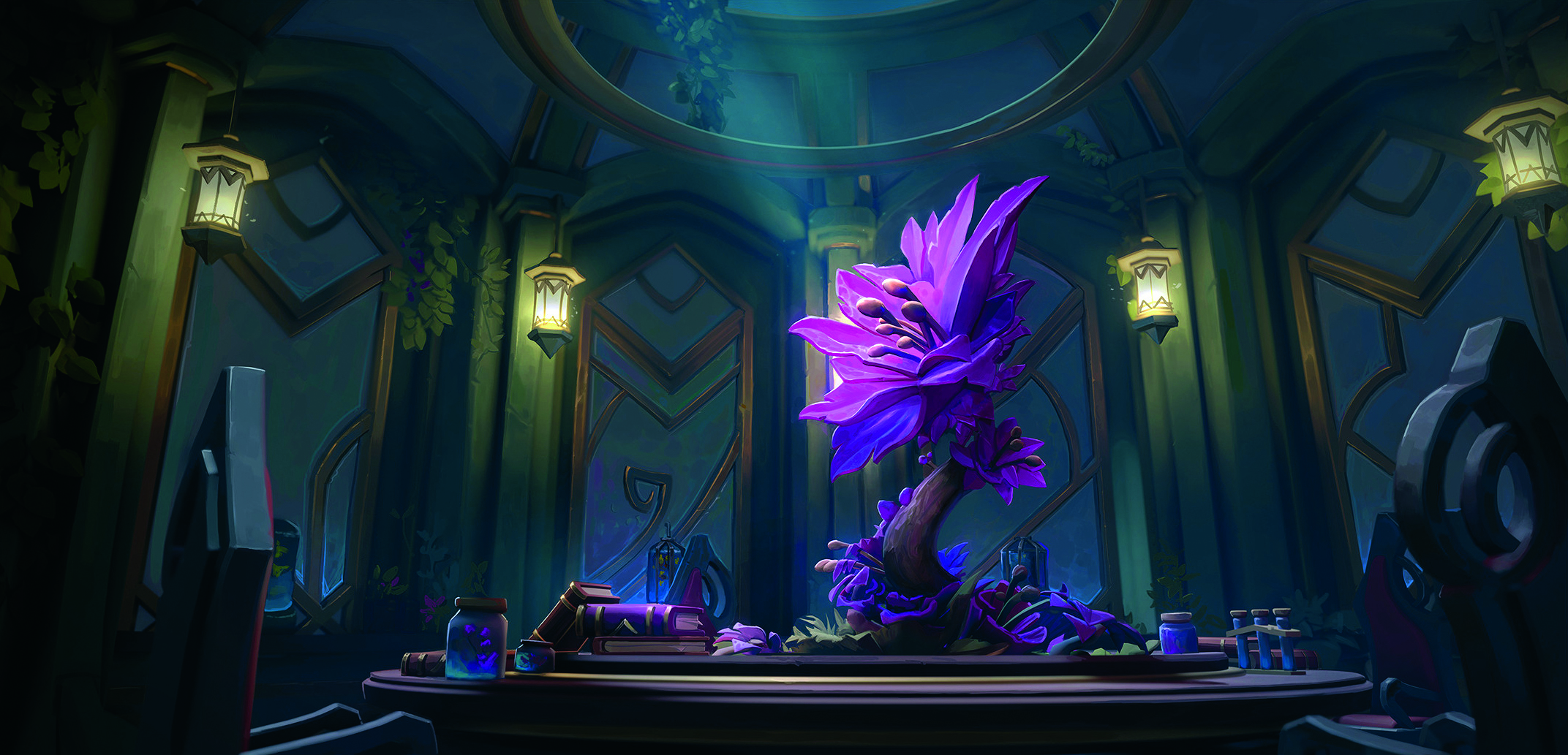
- The Herbologist’s Room: A technical showcase, this piece allowed Gesell to stress-test Blender’s Eevee renderer. The resulting image is a masterclass in interior lighting, demonstrating how he uses modern rendering tools to achieve the warmth of traditional painting.
The Philosophical Shift: Advice to the Younger Self
When asked what advice he would offer his younger, aspiring self, Gesell reflects with a mix of pragmatism and idealism. He admits that, in the early days, "ignorance was a blessing." Had he known the sheer volume of hours and the grueling learning curve required to reach his current level of proficiency, he might have been discouraged.
However, his primary piece of wisdom is directed at the current generation of artists: "Do more of the kind of art that you like, and not just what the industry demands." He warns against the "cookie-cutter" approach, where artists feel pressured to conform to current trends to secure a contract. While he acknowledges the "huge upsides" to ensuring one’s art is functional for production, he emphasizes that a unique voice is the only thing that will sustain an artist in the long term.
The Implications of a New Era
Perhaps the most poignant part of our conversation centered on the current state of the industry. The rise of generative AI has sent shockwaves through the creative community, leading to what Gesell describes as "general insecurity" among his peers.
"I think people are struggling more than they were a few years ago," Gesell admits. The prevalence of AI-generated imagery has discouraged some investment in traditional game development and created a climate of uncertainty. Yet, Gesell remains characteristically resilient. He views the current crisis as a filter: in a world where anyone can generate a "pretty picture" in seconds, the value of the human artist has shifted toward intent, conceptual depth, and the ability to tell a story that resonates on a personal level.
Implications for Future Artists:
- Technical Versatility: As Gesell’s use of Blender and Rebelle 8 Pro demonstrates, the modern artist must be comfortable with a wide array of tools. The ability to bridge 3D rendering with 2D paint-overs is a crucial skill.
- Narrative Over Aesthetic: The industry is moving toward artists who can act as directors and world-builders rather than just technicians.
- The "Human" Value: AI can replicate style, but it cannot replicate the lived experience that led to the creation of works like The Estate. Artists who lean into their own history and personal tastes are the ones who will remain indispensable.
Conclusion: Looking Ahead
Niko Gesell’s journey from a technical artist in Nuremberg to a multifaceted creative force in the film industry serves as a beacon for digital artists navigating an uncertain future. By balancing the rigid demands of production with the fluid, personal nature of storytelling, he has created a sustainable path for his career.
As he continues to develop his directorial work with projects like NOKORI, it is clear that Gesell is not content to simply follow the industry—he intends to shape it. Whether through the lens of a Viking shipyard or the warmth of an old house in Nuremberg, his work reminds us that while tools change, the core of great art remains unchanged: the human desire to capture a feeling, a moment, and an idea.
For those looking to follow his progress, Gesell’s portfolio remains a gold standard on ArtStation, offering a window into the evolution of a digital master who, despite all the noise in the industry, has remained true to his own unique, resonant voice.


 Siti Muinah
 Evan Lee Salim