Rifan Muazin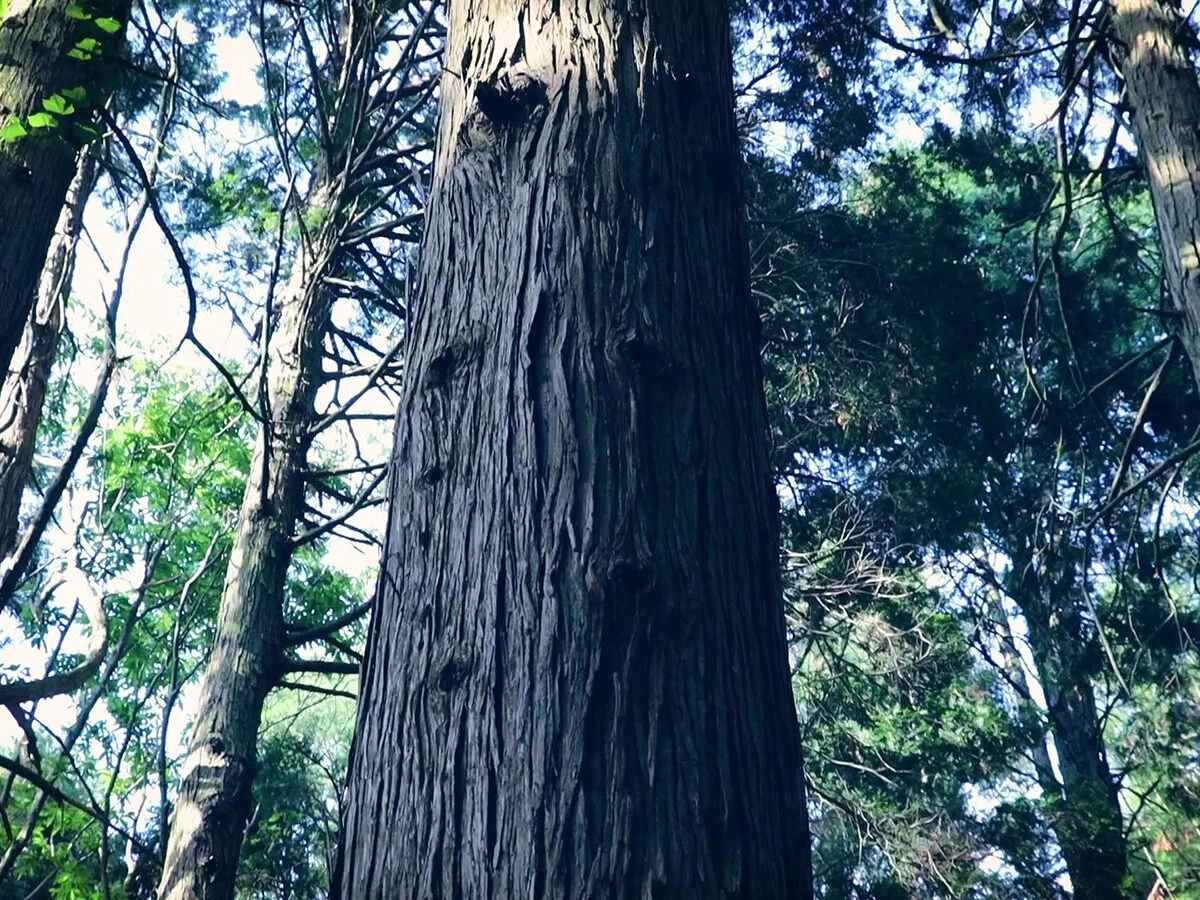
Introduction: The Living Legacy of Japanese Woodcraft
Japanese wooden architecture is far more than a construction method; it is a profound dialogue between human ingenuity and the natural world. From the UNESCO World Heritage site of Hōryū-ji—the world’s oldest surviving wooden structure—to the steep, thatched roofs of the Shirakawa-gō villages, Japan’s relationship with timber serves as a global benchmark for endurance, aesthetic elegance, and environmental harmony. Today, this tradition is undergoing a worldwide renaissance, drawing architects, designers, and conservationists from across the planet to study the unique philosophy that treats trees not merely as resources, but as partners in the built environment.
Main Facts: The Intersection of Tradition and Innovation
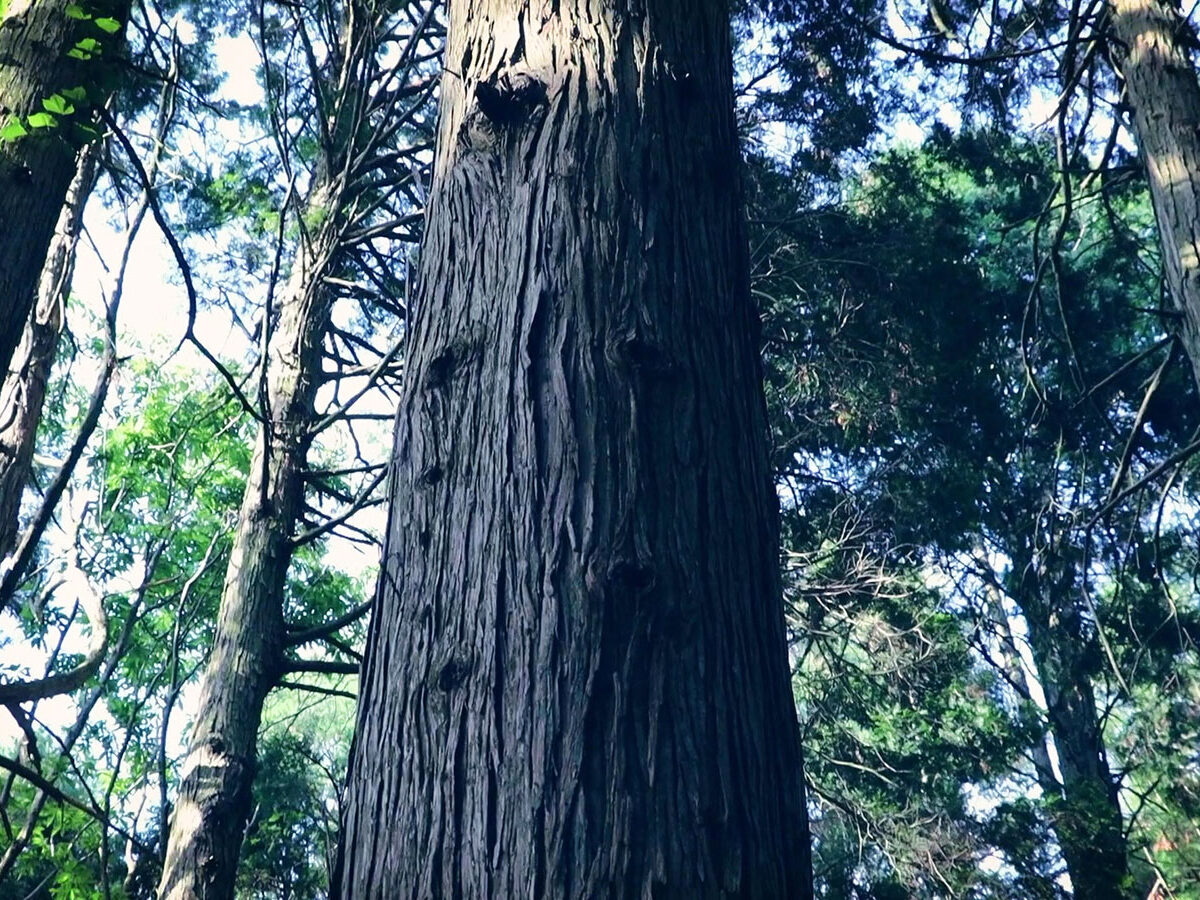
At the heart of the Japanese wood tradition lies a deep-seated cultural reverence for nature. Unlike the mass-produced, synthetic materials that dominate contemporary global construction, Japanese timber reflects the "spirit of the tree." The country’s unique geography, defined by distinct seasonal shifts, produces high-density, resilient timber that has been perfected through centuries of refined craftsmanship.
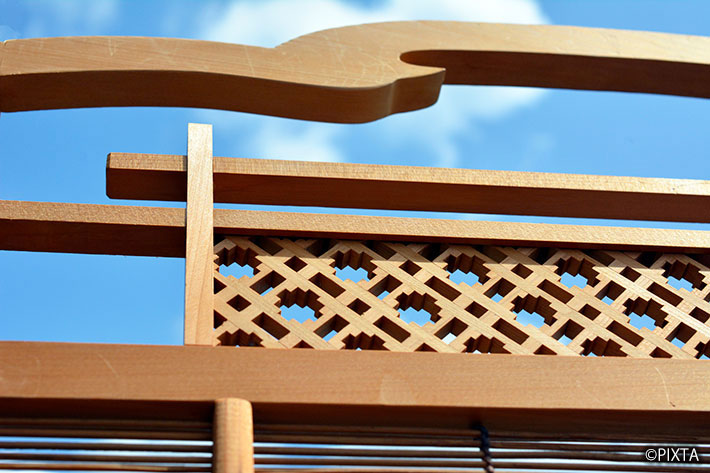
The industry operates on a synthesis of ancient joinery—where buildings are constructed with complex interlocking systems without the need for metal nails—and cutting-edge technological processing. This fusion ensures that Japanese wooden structures are not only visually stunning but also seismically resilient, a necessity in one of the world’s most earthquake-prone regions. The Japan Wood Products Export Association (JWPEA) serves as the vanguard for this movement, bridging the gap between Japan’s artisanal legacy and the modern international demand for high-quality, sustainable wood products.
Chronology: From Ancient Temples to Modern Exports
To understand the significance of Japanese wood, one must trace its historical trajectory:
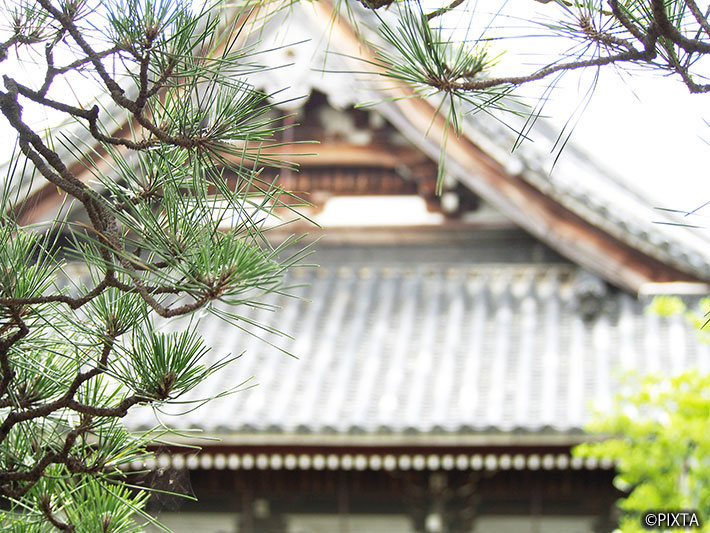
- 7th Century (Asuka Period): The construction of Hōryū-ji established the foundation for Japanese timber architecture, utilizing Hinoki (Japanese cypress) for its unparalleled durability and rot-resistance.
- Edo Period (1603–1867): Woodcraft flourished as a domestic art form, with urban carpenters developing standardized, precise tools and techniques that emphasized efficiency and minimalism.
- Late 20th Century: The rise of industrialization saw a brief shift toward steel and concrete. However, a growing consciousness regarding environmental impact and the "warmth" of living spaces prompted a return to wood.
- 21st Century: The "Japan – Land of Wood" initiative was launched, formalizing the export of high-grade timber and traditional techniques to global markets, signaling Japan’s role as a leader in the international architectural discourse.
Supporting Data: Why Japanese Timber is Unmatched
The global prestige of Japanese wood is rooted in the specific physical properties of the species native to the archipelago.
The Sensory Profiles of Japanese Timber
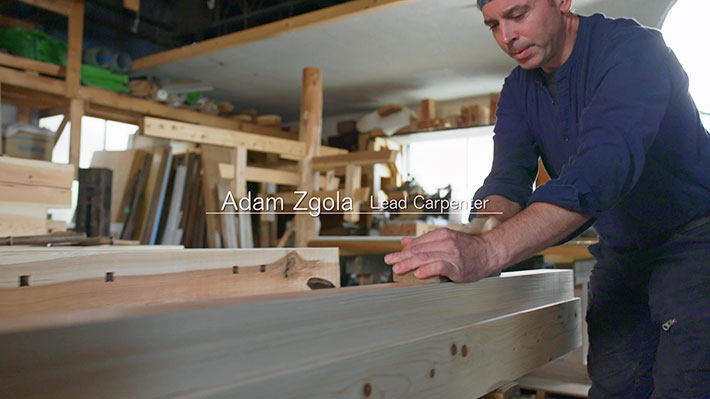
Lead carpenter Adam Zgola, an expert who has spent years immersing himself in the Japanese tradition, provides a sensory breakdown of the primary materials:
- Japanese Cedar (Sugi): Known for its rich, warm gloss, Cedar is a staple in interior design, providing a tactile comfort that synthetic materials cannot replicate.
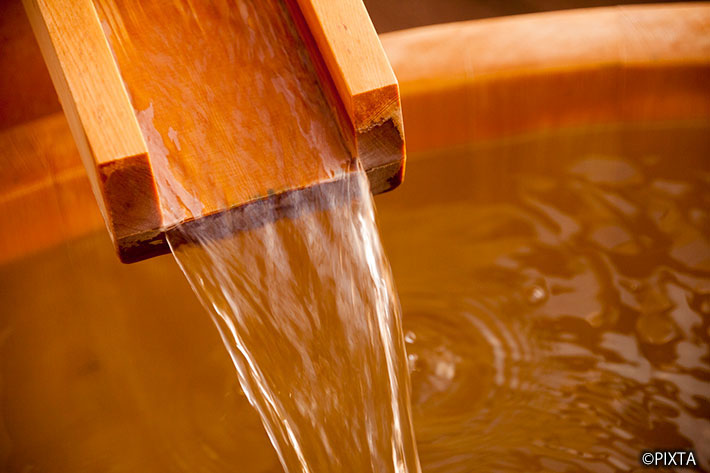
- Hinoki Cypress: Highly prized for its aromatic oils, Hinoki is naturally resistant to insects and moisture. It is the gold standard for traditional onsen (hot spring) baths, where its cooling touch and therapeutic scent create a spa-like sanctuary in the home.
Industry Standards
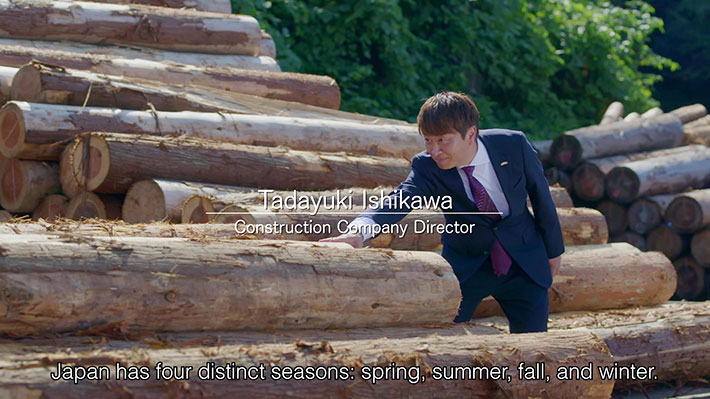
Tadayuki Ishikawa, a prominent director at a Japanese construction firm, argues that the superiority of Japanese building techniques is objectively verifiable. "If you look anywhere in the world, the quality of Japanese building techniques is unmatched," he notes. This confidence is supported by the precision of Japanese wood milling, which maintains a level of tolerance and aesthetic consistency that is frequently sought after by luxury architects in North America and Europe.
Official Responses and Industry Insights
The global appetite for Japanese craftsmanship is no longer limited to high-end architecture. The market is witnessing a surge in interest for furniture and interior design that incorporates traditional Japanese joinery.
Tiffany Luk, an international sales executive, observes that the trend is shifting from mere appreciation to active integration. "Furniture that combines classic Japanese woodworking techniques with modern designs is gaining interest abroad," she states. This reflects a broader shift in consumer behavior where homeowners are prioritizing "slow design"—investing in pieces that tell a story, age gracefully, and possess a tangible, organic connection to the environment.
The Japan Wood Products Export Association has facilitated this transition through educational outreach, including their comprehensive video series, "Japan – Land of Wood." By providing a window into the workshops of master craftsmen, they have demystified the process for international stakeholders, showing that the "Japan touch" is not just about the look of the wood, but the ethical and technical rigor behind it.

The Sustainability Mandate: A Blueprint for the Future
Perhaps the most critical aspect of the modern Japanese wood industry is its commitment to ecological management. In an era of climate change, the forestry sector in Japan has implemented rigorous standards to ensure that the timber exported is sourced from well-managed, sustainable forests.
The industry emphasizes the "life cycle" of wood. Unlike carbon-heavy materials like concrete and steel, wood acts as a carbon sink. Japanese craftsmanship takes this further by ensuring that products are built to last for generations—or in the case of temple architecture, centuries. By focusing on longevity, Japanese woodcraft effectively reduces the demand for constant replacement, making it a cornerstone of sustainable development. This philosophy is communicated to consumers as an invitation: to choose materials that respect the earth, protect the environment, and provide a sense of timelessness in an increasingly disposable world.
Implications: Integrating the "Land of Wood" into Your Life
The implications of this global interest are significant. As architects and designers increasingly incorporate Japanese timber into modern living spaces, they are helping to normalize a more sustainable, human-centric approach to building. Whether it is a full-scale timber structure or a handcrafted piece of Hinoki furniture, the adoption of these traditions allows individuals to participate in a centuries-old heritage of respect for nature.
As we look toward the future, the integration of Japanese woodcraft into the global architectural landscape offers a compelling solution to the challenges of modern construction. It suggests that the path forward is not found in creating entirely new, artificial materials, but in returning to the ancient, proven brilliance of the forest.
The Japan Wood Products Export Association continues to serve as an ambassador for this transition, inviting the world to discover that when we build with wood, we are not just erecting structures—we are preserving the history, culture, and life-force of the planet.
For those interested in exploring this intersection of tradition and innovation further, the full documentation provided by the Japan Wood Products Export Association remains the definitive resource. By choosing to incorporate Japanese wood into your own projects, you are not only securing a material of unparalleled beauty and quality but also investing in a legacy of environmental stewardship that will endure for generations to come.


 Neng Nana
 Asro
Asro